



How Does Fiber Cement Board Cladding Meet Miami‑Dade Wind Load Requirements?
Fiber cement board cladding meets Miami‑Dade wind criteria through full system coordination, not panel thickness alone. Structural framing, screw performance, and load‑path continuity create wind resistance that passes NOA testing.
TRUSUS façade insight: a wall resists wind as a system, not as a single sheet.
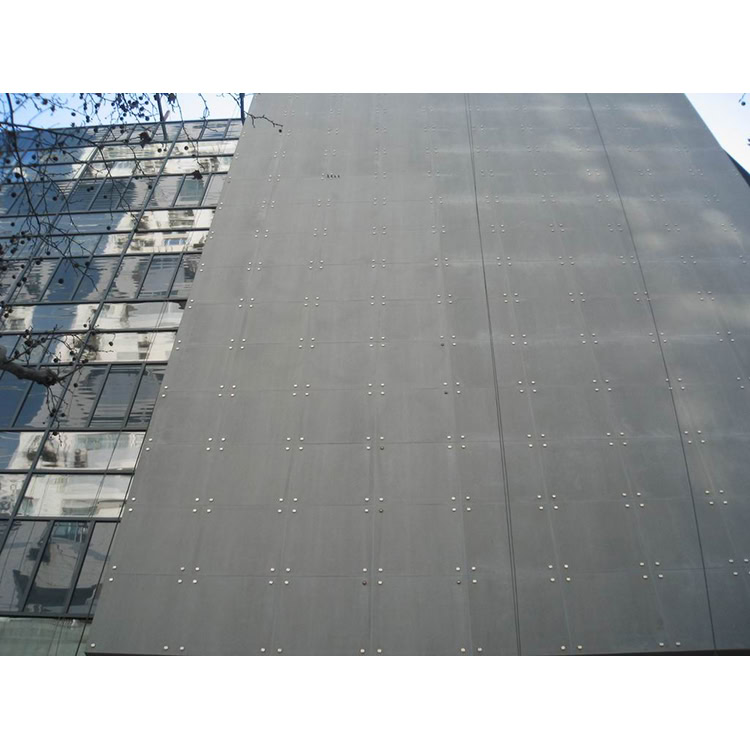
Miami‑Dade compliance is about certified assemblies. During evaluation, boards, sub‑frames, and fasteners undergo ASTM E330 and E1233 wind pressure cycles. These confirm that uplift, suction, and pressure forces flow evenly through the load path—metal stud, fastener, then board. When all elements stay continuous, the wall performs under hurricane‑level suction without failure.
What Wind Velocity Can a Standard 8 mm Fiber Cement Board Withstand?
With proper framing and screw schedule, an 8 mm board can endure simulated wind speeds above 250 km/h. Its true resistance depends on density, fastening pattern, and edge support.
TRUSUS performance insight: strength lies in how the sheet connects, not how thick it is.
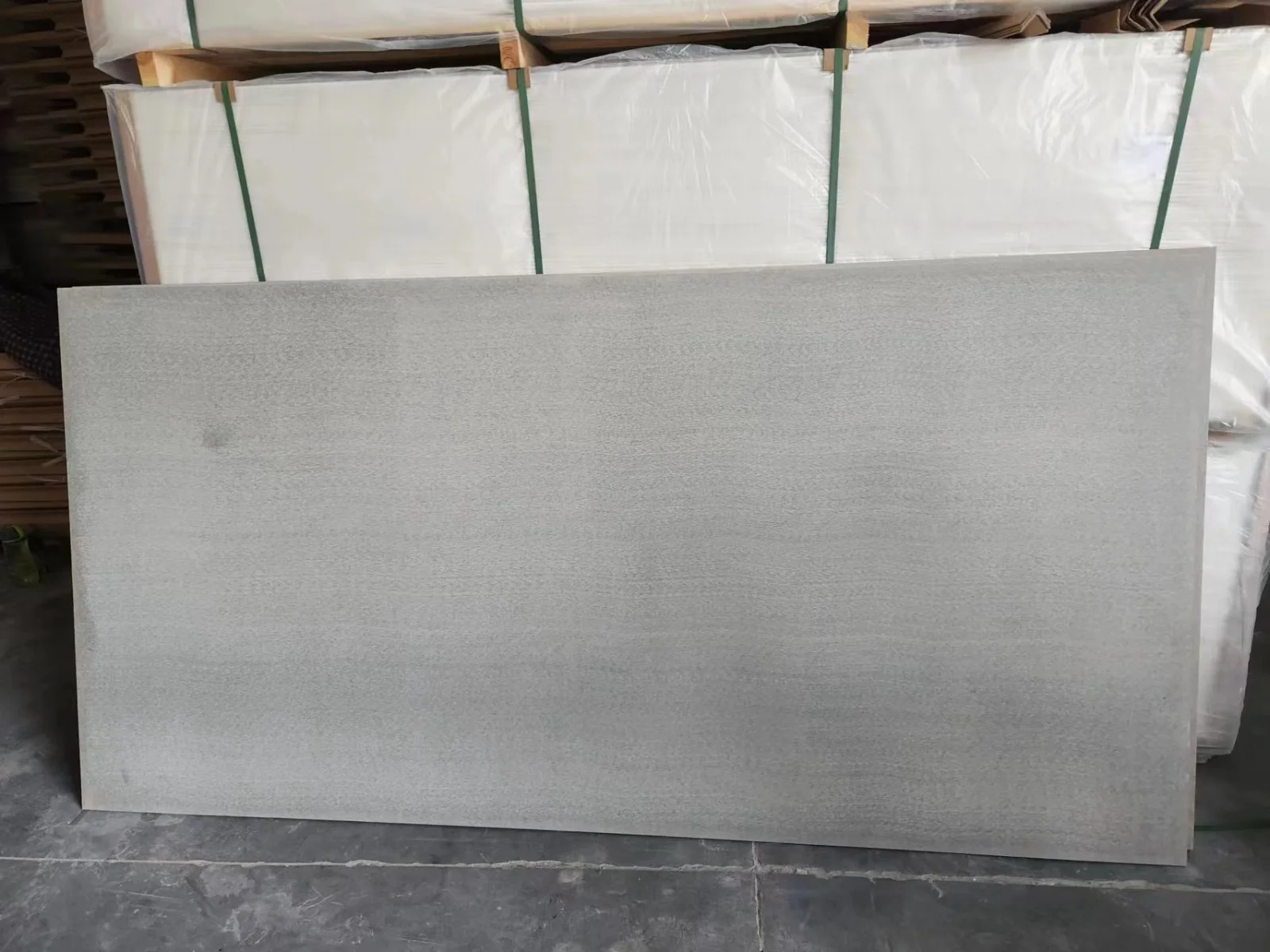
Typical 8 mm Board Wind Resistance Table
| Parameter | Test Method | Result Range | Key Factor |
|---|---|---|---|
| Panel thickness | ASTM C1185 | 8 mm | Consistent density |
| Negative pressure limit | ASTM E1233 | −2.5 kPa to −4.0 kPa | Screw spacing & framing span |
| Equivalent velocity | Engineering calc. | ≈250 km/h | Balanced load transfer |
In one coastal project, I observed 8 mm boards hold firm under simulated hurricane gusts when installed with tight screw spacing and back‑ventilated framing. The same boards failed early where screws were misaligned. Wind stability begins with precise installation.
How Does High Wind Pressure Affect the Pull‑Through Resistance of Cement Board Screws?
High wind pressure increases uplift at screw heads, risking pull‑through or local delamination. Pull‑through prevention depends on screw head size, board density, and edge distance.
TRUSUS fastening insight: every screw is a small anchor that decides system survival.
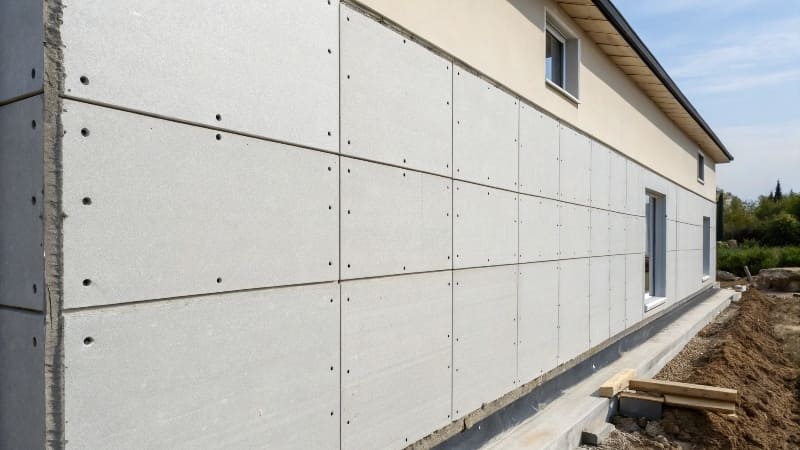
Pull‑Through Control Measures
| Variable | Recommended Value | Purpose |
|---|---|---|
| Head diameter | ≥10 mm | Distribute load area |
| Edge distance | ≥15 mm from cut edge | Prevent tear‑out |
| Embed depth | 2–3 mm below surface | Optimize contact |
| Frame gauge | ≥1.0 mm thick | Resist uplift stress |
During testing, boards often fail not by breaking, but by local pull‑through at overstressed screws. Upgrading to reinforced fasteners or stainless washers stabilizes joint performance even under HVHZ suction cycles.
Conclusion
At TRUSUS, I see wind resistance not as a matter of thickness but of logic. When fiber cement boards engage with their framing, fasteners, and tested connection paths, they stop being mere cladding—they become engineered shields built for hurricanes.