




How Do You Prevent Fiber Cement Board From Breaking During Container Unloading?
Fiber cement boards are strong but brittle, so every shock or wrong lifting angle matters during unloading. Preventing breakage means treating transport and handling as part of engineering design.
TRUSUS export insight: safe delivery starts in the factory, not at the port.
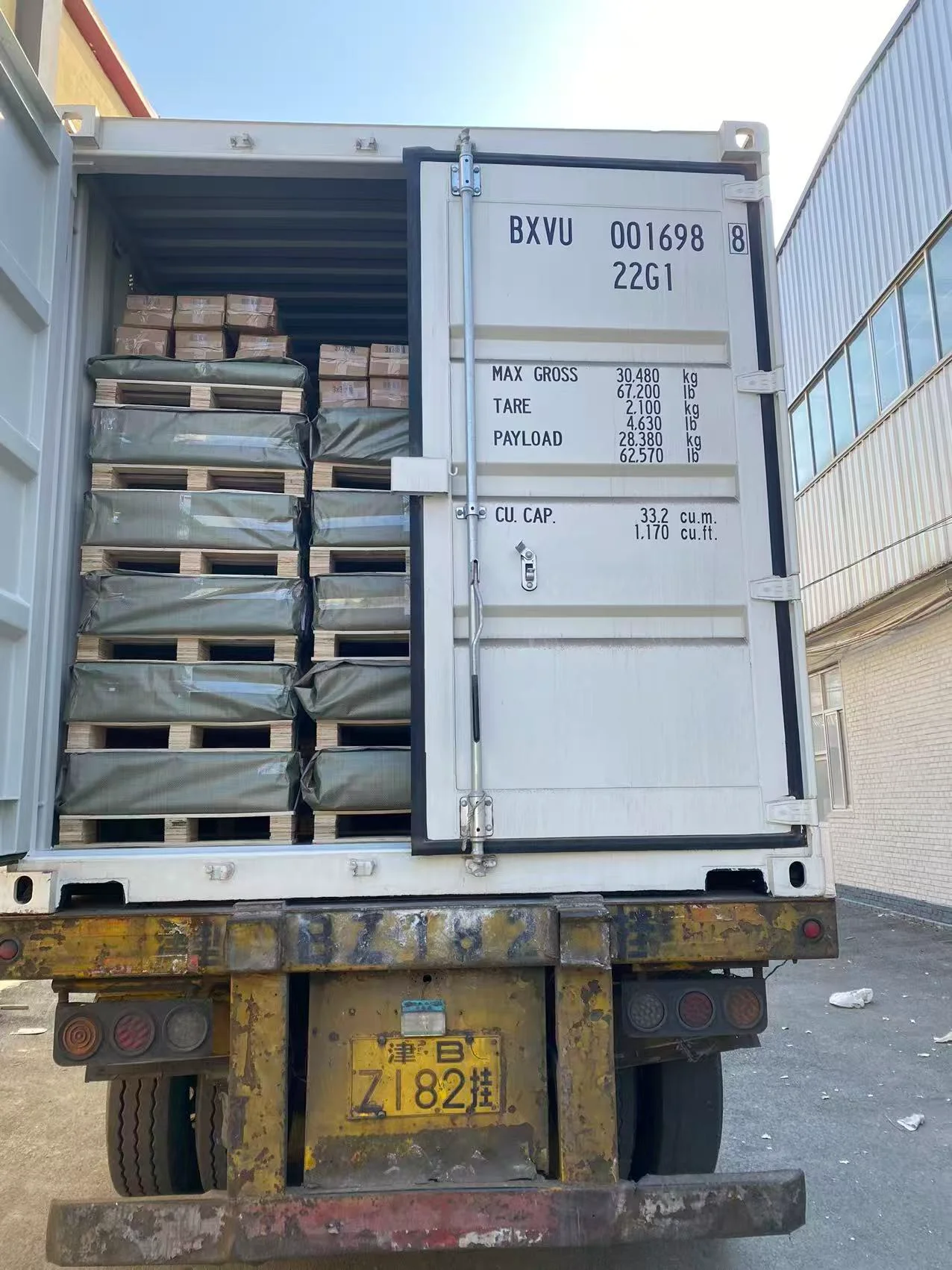
To avoid cracking, unload with flat forks no wider than the pallet’s base, maintain lift angles under fifteen degrees, and stabilize the stack before motion. Use corner guards, anti‑vibration wood bases, and moisture‑balanced packaging before shipment to reduce stress across the pallet surface.
What Is the Maximum Safe Pallet Stacking Height for Fiber Cement Board?
The safest stacking height depends on board density, thickness, and pallet structure, but efficiency must never replace stability. Heavy loads amplify vibration damage during transit.
TRUSUS stacking insight: extra height costs you trust, not just safety.
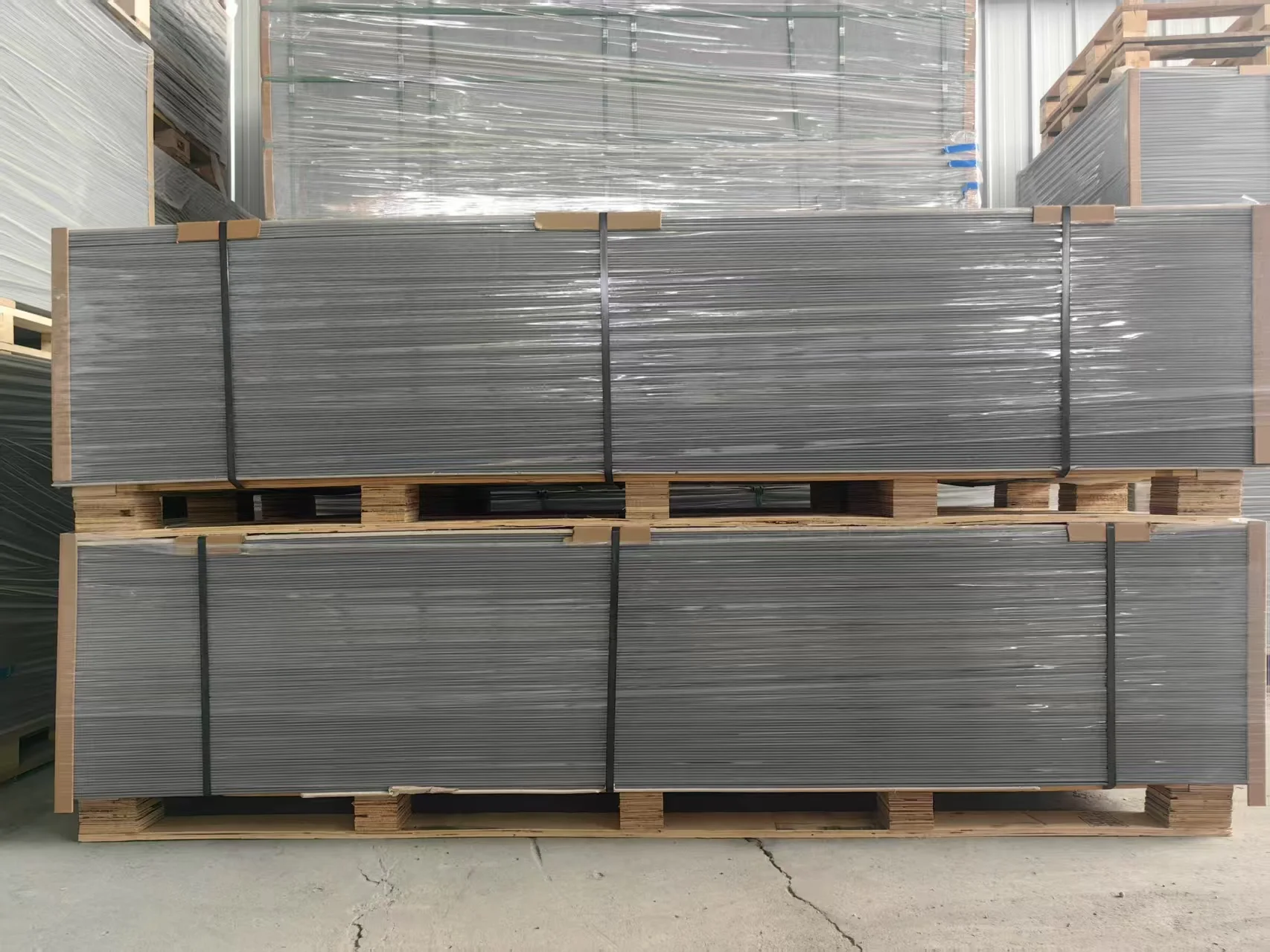
Recommended Pallet Stacking Guidelines
| Board Type | Typical Pallet Count | Safe Stacking Height | Risk Status |
|---|---|---|---|
| 6 mm – 8 mm Standard | 6 – 8 pallets | ≤ 1.8 m | Stable |
| 9 mm – 12 mm Boards | 5 – 6 pallets | ≤ 1.6 m | Caution |
| Thick (> 15 mm) | 3 – 4 pallets | ≤ 1.2 m | High risk |
| Mixed Sizes | Variable | ≤ 1.5 m | Needs bracing |
I have tested containers loaded beyond 2 m; the bottom layers showed edge deformation within three weeks of sea movement. Keeping total height below 1.8 m prevents side stress accumulation and balances safety with cost.
Why Do Fiber Cement Boards Sometimes Stick Together During Sea Freight?
Board “sticking” is not a product defect—it is a material response to humidity variation and packaging chemistry during long voyages. Humidity shifts change surface tension between adjacent sheets.
TRUSUS humidity insight: every sea route has its own micro‑climate.
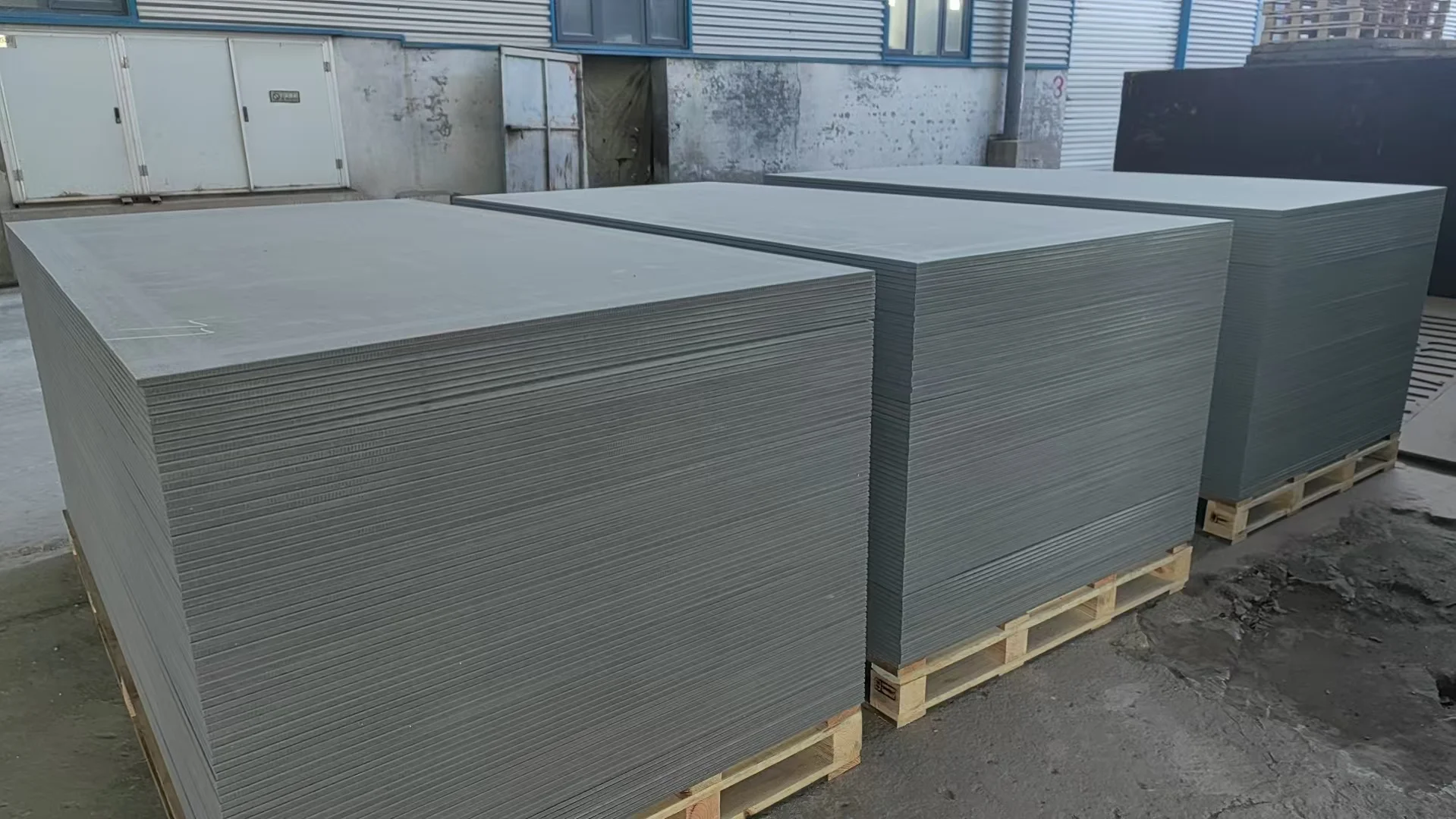
Anti‑Sticking Measures
| Cause | Effect | Prevention |
|---|---|---|
| Condensation cycles inside container | Vacuum‑like adhesion | Use breathable film with air holes |
| Wet liner boards | Surface imprint marks | Pre‑dry packaging sheets |
| Over‑tight strapping | Pressure fusion spots | Controlled tension bands |
| Unequal board moisture | Sheet bonding | Humidity balance before packing |
During humid voyages to Southeast Asia, I began using thinner anti‑moisture liners and kept container vents open for airflow. This nearly stopped surface fusion while maintaining color and texture integrity.
How Many Sheets of Fiber Cement Board Can Safely Fit in a 40ft Container?
A 40‑ft container holds heavy boards easily, but real limits are weight balance and climate safety. Focusing only on number puts the shipment at risk.
TRUSUS capacity insight: good logistics mean fewer, safer boards, not just packed containers.
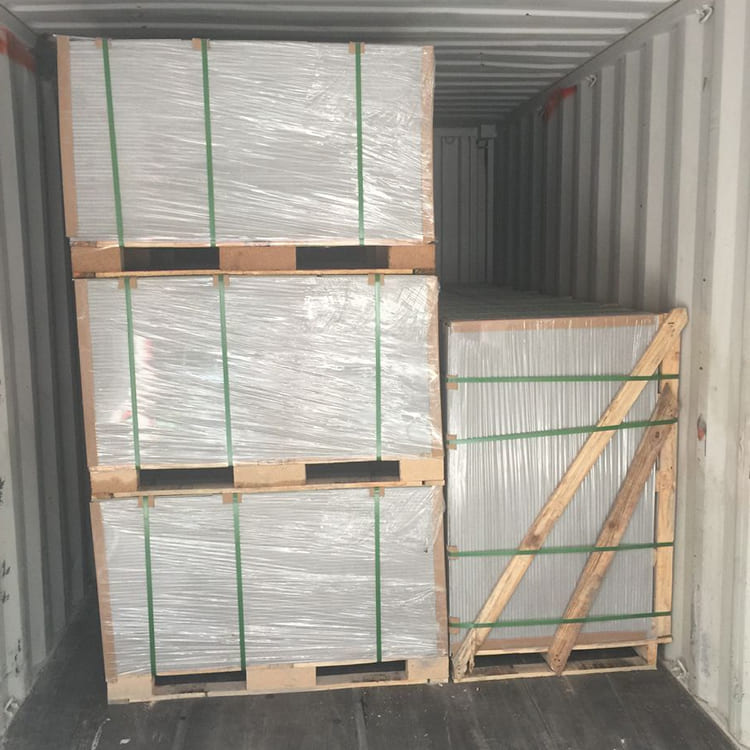
Typical 40‑ft Container Load Reference
| Board Thickness | Approx. Sheets per Pallet | Pallets per Container | Weight (tons) | Loading Advice |
|---|---|---|---|---|
| 6 mm | 150 – 180 | 7 – 8 | 23 – 25 t | Max density |
| 9 mm | 100 – 120 | 7 | 23 t | Balanced |
| 12 mm | 80 – 90 | 6 | 22 t | Safe edge |
| 15 mm | 70 – 75 | 5 | 21 t | Reduced height |
I usually load around 85 % of total container volume. This leaves space for air flow, reduces compression stress on the bottom boards, and simplifies unloading at port facilities where forklifts differ in size.
Conclusion
At TRUSUS, I see fiber cement board not just as a building material but as part of a living logistics system. Every intact sheet after unloading proves how careful design, balanced stacking, and humidity control turn shipping into trust.
