




Do You Have to Use Mortar Under Cement Board?
Yes, mortar should be used under cement board when installing it on floors or wet areas. The thin-set mortar eliminates air gaps, spreads load evenly, and prevents board movement, ensuring a stable tiled surface.
TRUSUS installation insight: mortar is not optional; it connects strength across layers.
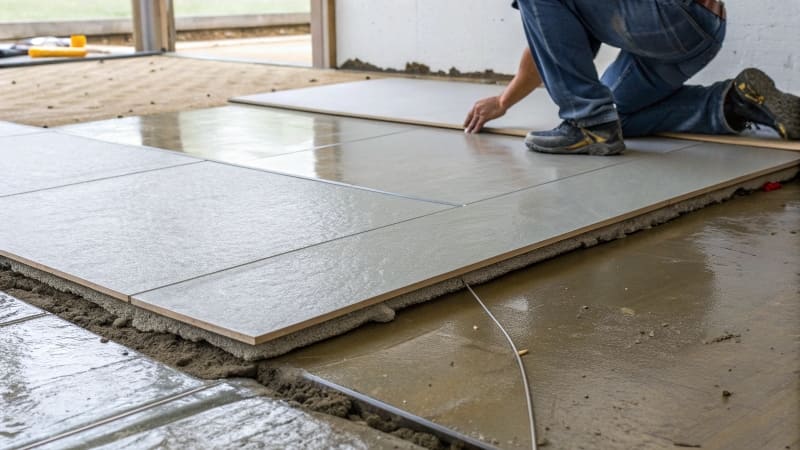
Without mortar, hollow spaces form under the cement board, making tiles crack under pressure. Applying thin-set mortar works as a stress absorber between the substrate and the cement board.
What Thickness of Cement Board Is Easiest?
The easiest thickness of cement board for most wall and floor applications is 1/4 inch for floors and 1/2 inch for walls. Thinner boards are lighter and easier to cut, while thicker boards provide better rigidity for vertical installations.
TRUSUS product insight: choose thickness based on structure, not convenience.
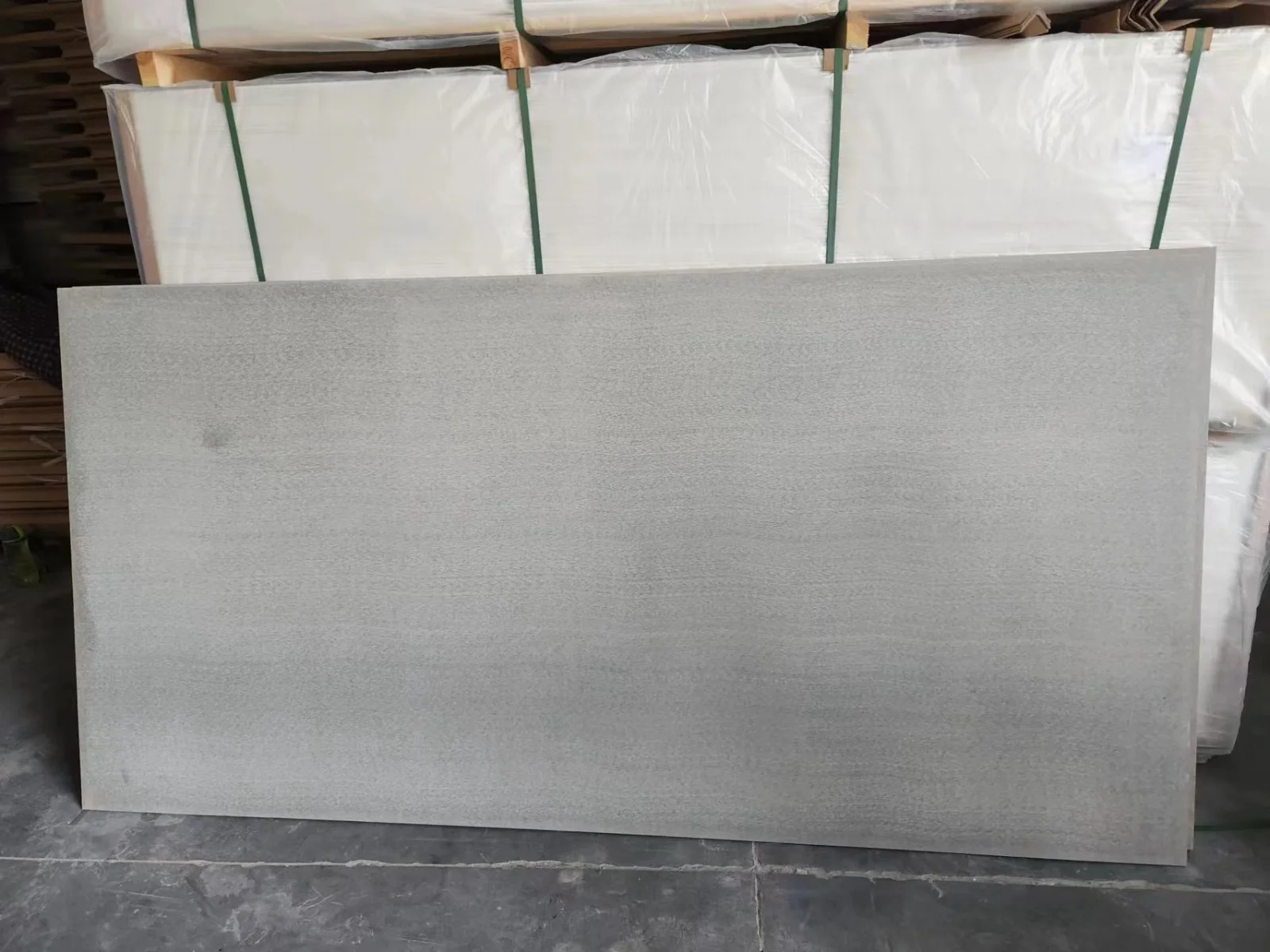
Cement Board Thickness Guide
| Thickness | Application | Benefit |
|---|---|---|
| 1/4 inch (6 mm) | Floor underlayment | Light and flexible |
| 1/2 inch (12 mm) | Wall or ceiling | Strong and rigid |
| 5/8 inch (15 mm) | Exterior cladding | Maximum stiffness |
Key Selection Notes
| Situation | Ideal Thickness | Why |
|---|---|---|
| Small bathroom | 1/4 inch | Easy handling, flat finish |
| Wall framing | 1/2 inch | Match drywall thickness |
| Exterior façade | 5/8 inch | Resist wind pressure |
The correct thickness ensures the system distributes weight evenly while staying easy to install and secure.
What Is the Best Siding for Windy Areas?
The best siding for windy areas is fiber cement board siding because it combines weight stability, rigidity, and resistance to cracking and detachment under pressure. Its mechanical fastening system also allows controlled airflow that reduces uplift forces during storms.
wind resistance insight: weight alone is not strength—system flexibility ensures survival.
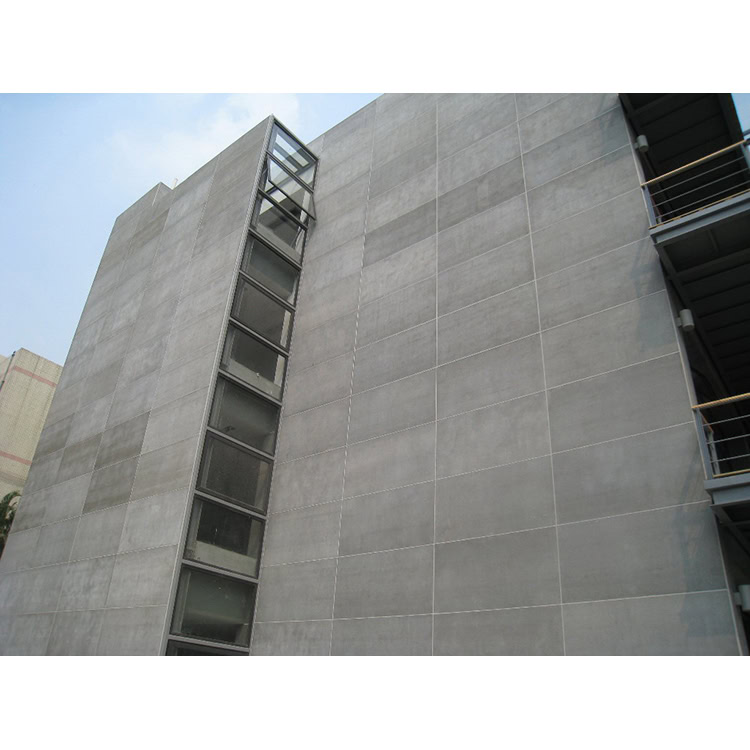
Siding Comparison Chart
| Siding Material | Wind Resistance | Maintenance | Durability |
|---|---|---|---|
| Vinyl | Low | Moderate | Moderate |
| Fiber Cement | High | Low | High |
| Wood | Moderate | High | Low–moderate |
| Metal | High | Low | High but rigid |
Why Fiber Cement Wins in Wind
| Property | Explanation |
|---|---|
| Weight | Reduces flutter and vibration |
| Density | Distributes impact evenly |
| Anchoring | Consistent with hurricane-grade fasteners |
| Composition | Resistant to moisture, mold, and warping |
True resistance means being both stiff and slightly flexible—exactly what fiber cement achieves through its balanced structure.
What Is the Best Structure to Withstand a Hurricane?
The best structure to withstand a hurricane is one designed with reinforced connections, wind-rated materials, and continuous load paths. This includes heavy-duty framing, securely fastened siding systems, and sealed roof-to-wall junctions made with durable cement-based products.
TRUSUS structural insight: resistance grows from connection, not isolation.
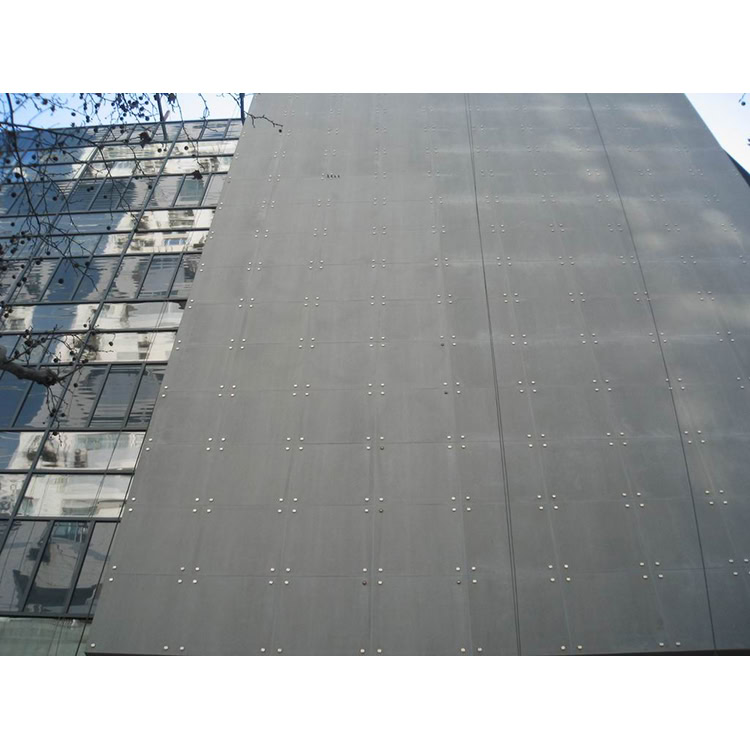
Hurricane-Resistant Elements
| Structural Element | Description | Purpose |
|---|---|---|
| Cement board cladding | Acts as rigid skin | Resists flying debris |
| Metal or concrete framing | Maintains load integrity | Prevents structural collapse |
| Anchored foundation | Transfers uplift forces | Stabilizes entire frame |
| Sealed joints and edges | Prevents water intrusion | Sustains durability |
System Approach to Resilience
| Design Factor | Action |
|---|---|
| Wind load distribution | Use flexible joint systems |
| Material alignment | Keep uniform fastening distances |
| Moisture management | Include vapor-resistant layers |
| Maintenance cycle | Inspect seals before storm season |
A hurricane-proof structure does not depend on thick walls alone but on how each layer—panel, fastener, and sealant—shares stress and reduces localized failure.
Conclusion
Mortar under cement board stabilizes floors, ideal board thickness simplifies work, and fiber cement siding ensures wind resilience. In hurricane conditions, performance depends on complete structural cooperation. TRUSUS believes durability means transforming building layers into a unified system of safety and balance.
