




How Bad Is Cement Board Dust?
When customers express concerns about cement board dust, they're asking about real health considerations that require honest answers.
Cement board dust poses moderate health risks when inhaled in high concentrations over extended periods. Silica-containing particles can cause respiratory irritation and potentially lead to silicosis with chronic exposure. Proper protective equipment and dust control methods minimize these risks significantly.
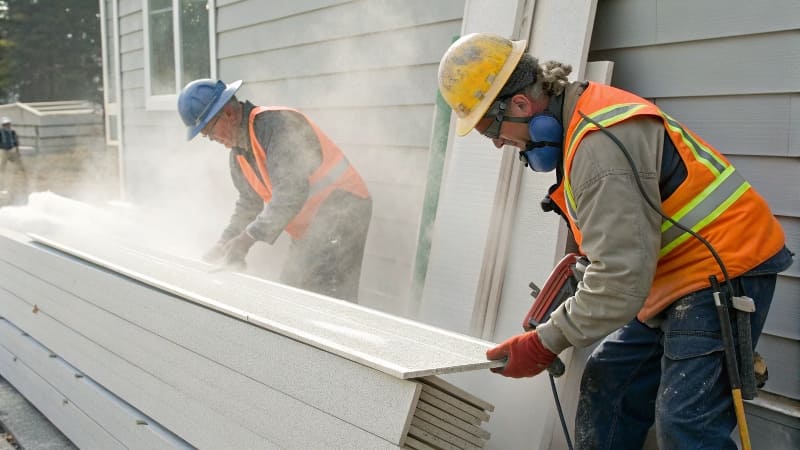
From my experience in cement board manufacturing, dust exposure represents a manageable occupational hazard when workers follow proper safety protocols and use appropriate protective equipment.
What Happens If You Accidentally Inhale Cement Dust?
Understanding the immediate and long-term effects helps workers respond appropriately to dust exposure incidents.
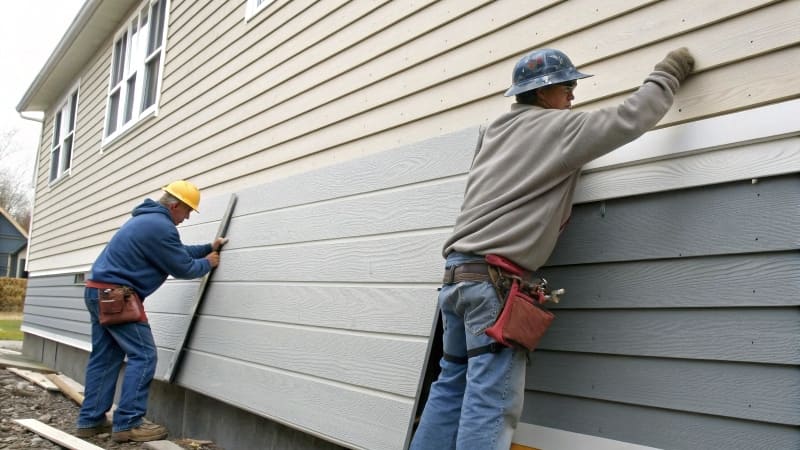
Accidental cement dust inhalation typically causes throat irritation, coughing, and respiratory discomfort. Immediate effects are usually temporary, but repeated exposure without protection can lead to chronic respiratory problems including silicosis and lung scarring.
Acute Exposure Effects
Based on medical literature and workplace incident reports, cement dust exposure creates predictable short-term responses.
| Exposure Level | Immediate Symptoms | Duration | Required Response |
|---|---|---|---|
| Light Exposure | Mild throat tickle | 30 minutes - 2 hours | Fresh air, hydration |
| Moderate Exposure | Coughing, nasal irritation | 2-8 hours | Remove from area, rinse eyes/nose |
| Heavy Exposure | Difficulty breathing, chest tightness | 4-24 hours | Seek medical attention |
| Extreme Exposure | Severe respiratory distress | Immediate/ongoing | Emergency medical care |
Most accidental exposures fall into the light to moderate categories and resolve without lasting effects when properly managed.
Long-term Health Implications
Through occupational health studies, chronic cement dust exposure shows clear patterns of respiratory system impact.
| Exposure Pattern | Health Risk | Development Timeline | Prevention Effectiveness |
|---|---|---|---|
| Daily Low-level | Respiratory irritation | Weeks to months | 90%+ with proper PPE |
| Weekly Moderate | Chronic bronchitis risk | Months to years | 80%+ with dust controls |
| Daily High-level | Silicosis risk | Years to decades | 95%+ with engineering controls |
| Unprotected Chronic | Severe lung disease | 10-30 years | Nearly 100% preventable |
Engineering controls and personal protection prove far more effective than medical treatment for preventing long-term health impacts.
How Long Does Cement Dust Stay in the Air?
Dust settling patterns affect both immediate exposure risk and cleanup requirements.
Cement dust remains airborne for 15 minutes to 2 hours depending on particle size, air movement, and humidity conditions. Fine particles (under 10 microns) stay suspended longest while larger particles settle within minutes. Still air extends suspension time significantly.

Particle Size and Settling Analysis
Understanding particle behavior helps predict exposure duration and cleanup requirements for different cutting operations.
| Particle Size | Settling Time (Still Air) | Health Risk | Source Operation |
|---|---|---|---|
| >100 microns | 1-5 minutes | Low (filtered by nose) | Rough cutting, drilling |
| 50-100 microns | 5-15 minutes | Moderate (reaches throat) | Power sawing |
| 10-50 microns | 15-60 minutes | High (reaches lungs) | Fine grinding |
| <10 microns | 1-8 hours | Highest (deep lung penetration) | High-speed cutting |
Respirable particles under 10 microns pose the greatest health risk and require the most aggressive control measures.
Environmental Factors Affecting Dust Behavior
From workplace monitoring, specific conditions dramatically influence dust concentration and persistence.
| Environmental Factor | Effect on Dust | Duration Impact | Control Strategy |
|---|---|---|---|
| Air Movement | Rapid dispersion/removal | 50-80% reduction | Exhaust ventilation |
| Humidity >50% | Faster settling, clumping | 30-50% reduction | Water spray systems |
| Temperature | Convection currents | Variable | Climate control |
| Enclosed Spaces | Concentration buildup | 200-500% increase | Forced ventilation |
| Wind/Drafts | Resuspension risk | Extended exposure | Dust suppression |
Ventilation systems provide the most effective method for reducing airborne dust concentration and exposure time.
Is Cement Board Harmful?
Understanding both material composition and exposure pathways provides a balanced assessment of cement board safety.
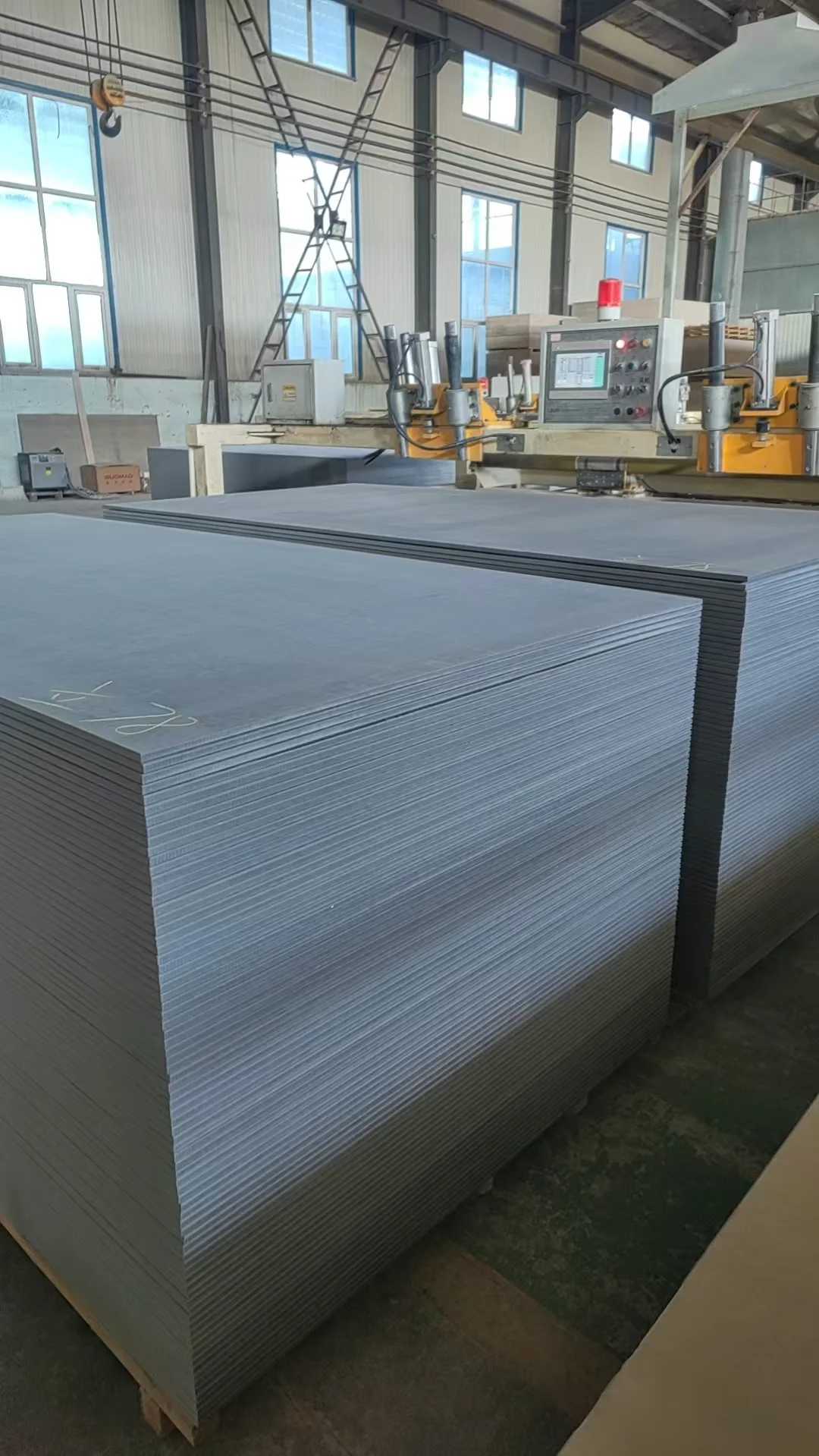
Cement board itself is not harmful when properly handled, containing no toxic chemicals or carcinogens. However, cutting and grinding operations create respirable silica dust that requires protective measures to prevent long-term respiratory health impacts.
Material Safety Characteristics
Through laboratory analysis and field studies, cement board demonstrates specific safety profiles across different use scenarios.
| Safety Aspect | Risk Level | Contributing Factors | Mitigation Effectiveness |
|---|---|---|---|
| Installed Product | Minimal | No dust generation | No protection needed |
| Cutting Operations | Moderate to High | Respirable silica dust | 95%+ with proper controls |
| Chemical Content | None | No toxic substances | Inherently safe |
| Fire Performance | Beneficial | Non-combustible | Enhances building safety |
| Indoor Air Quality | Beneficial | No emissions | Improves environment |
Proper installation methods eliminate most health risks associated with cement board use.
Occupational Safety Guidelines
Based on OSHA standards and industry best practices, specific safety protocols effectively manage cement board dust exposure.
| Safety Measure | Protection Level | Implementation Cost | Compliance Requirement |
|---|---|---|---|
| N95 Respirator | Basic dust protection | $2-5 per mask | Minimum for cutting |
| P100 Respirator | Silica-specific protection | $15-30 per mask | Recommended for heavy work |
| Wet Cutting | 90%+ dust reduction | $50-200 tool upgrade | Best practice |
| Local Exhaust Ventilation | 85%+ exposure reduction | $500-2000 system | Professional installations |
| Pre-scoring Methods | 95%+ dust elimination | Minimal | Preferred technique |
Wet cutting techniques provide the most cost-effective protection for most cement board applications.
Risk Comparison with Other Materials
Placing cement board risks in context with other common construction materials helps inform rational safety decisions.
| Material | Primary Health Hazard | Exposure Risk | Regulatory Status |
|---|---|---|---|
| Cement Board | Silica dust (cutting only) | Moderate with controls | OSHA regulated |
| Drywall | Gypsum dust (nuisance) | Low | Minimal regulation |
| Wood Products | Wood dust (carcinogenic) | High without controls | OSHA regulated |
| Fiber Cement | Silica dust | Similar to cement board | OSHA regulated |
| Metal Siding | Metal particulates | Low | Minimal regulation |
| Asbestos Products | Asbestos fibers | Extreme | Banned/restricted |
Cement board safety risks rank moderate among construction materials and remain highly controllable through proper work practices.
Safe Handling Protocols
Through successful safety programs, specific protocols consistently prevent dust-related health problems.
| Work Phase | Safety Protocol | Equipment Required | Training Needs |
|---|---|---|---|
| Planning | Identify dust-generating operations | Safety assessment forms | Hazard recognition |
| Setup | Establish ventilation, barriers | Fans, plastic sheeting | Containment methods |
| Cutting | Use wet methods, wear respirators | Water supply, P100 masks | Proper PPE use |
| Cleanup | HEPA vacuum, wet wiping | HEPA vacuum, damp cloths | Effective cleanup |
| Disposal | Sealed containers, proper labeling | Bags, labels | Waste procedures |
Comprehensive protocols address dust exposure throughout the entire work cycle, not just during active cutting operations.
Conclusion
Cement board dust poses moderate health risks primarily from silica-containing particles during cutting and grinding operations, requiring proper protective equipment and dust control methods to prevent respiratory irritation and long-term health impacts. Accidental cement dust inhalation causes temporary throat irritation and coughing, with repeated unprotected exposure potentially leading to chronic respiratory problems including silicosis. Cement dust remains airborne for 15 minutes to 2 hours with fine particles under 10 microns staying suspended longest and posing the greatest health risk through deep lung penetration. Cement board itself is not harmful when properly handled as it contains no toxic chemicals, but cutting operations require protective measures including respirators, wet cutting techniques, and adequate ventilation to manage respirable silica dust exposure. Success in cement board safety depends on implementing comprehensive work practices that address dust generation, exposure control, and worker protection throughout all phases of installation and maintenance operations.
