




How Are Fiber Cement Panels Made?
Fiber cement panels are made through a controlled process of fiber reinforcement, slurry pressing, high‑temperature curing, and precision drying.
This creates a dense, durable composite of cement, fibers, and hydration layers.
TRUSUS manufacturing insight: true strength lives inside the microscopic structure, not on the surface.
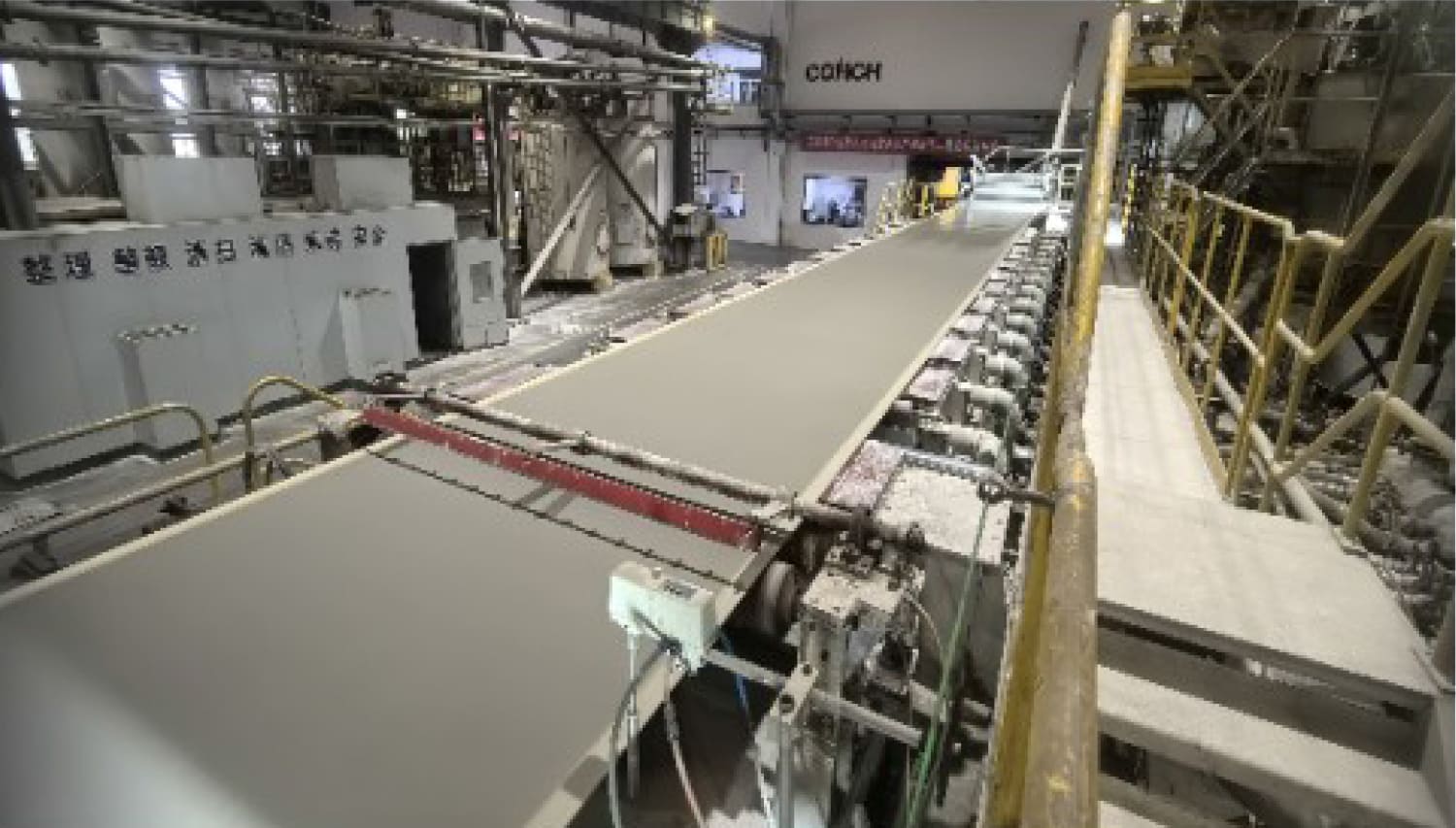
The mix passes through several stages—pulping, forming, pressing, steam curing, and calibration—to build interlocking crystalline bonds between cement and fiber.
That’s why modern boards resist bending, moisture, and cracking far better than traditional cement panels.
What Is the Thickness of Fiber Cement Board?
Fiber cement board thickness usually ranges from 6mm to 18mm, depending on usage.
Thin boards serve façades and decorations; thicker sheets handle structural or flooring systems.
TRUSUS specification insight: thickness is not just size—it’s a system language.
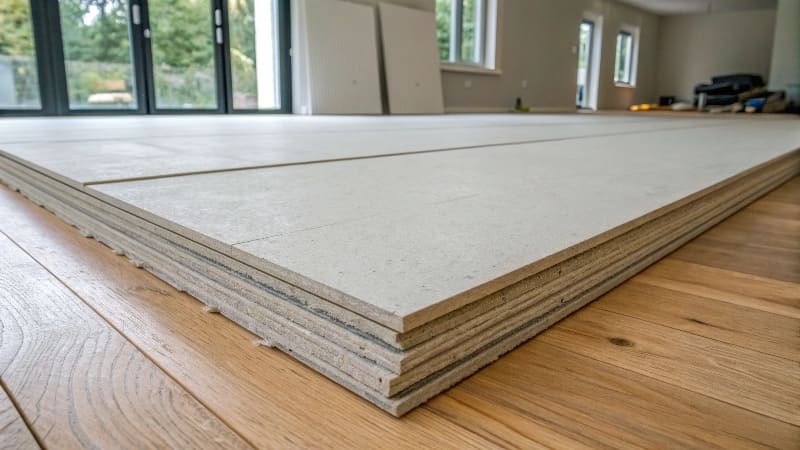
Standard Thickness Guide
| Thickness (mm) | Common Application | Performance Focus |
|---|---|---|
| 6–9 | Exterior cladding, decorative finishes | Lightweight, flexible |
| 10–12 | Interior partitions, fire‑rated walls | Impact resistance |
| 15–18 | Flooring, reinforcement layers | Structural stability |
I remind buyers that each thickness must pair with correct framing and installation logic.
Different applications demand different load boundaries, not random choices.
Which Is Better, Cement Board or Fiber Cement Board?
Neither is universally better—they serve distinct roles.
Cement board excels at compressive strength and moisture durability; fiber cement board adds flexibility and crack resistance.
TRUSUS system insight: performance depends on the task, not on the name.
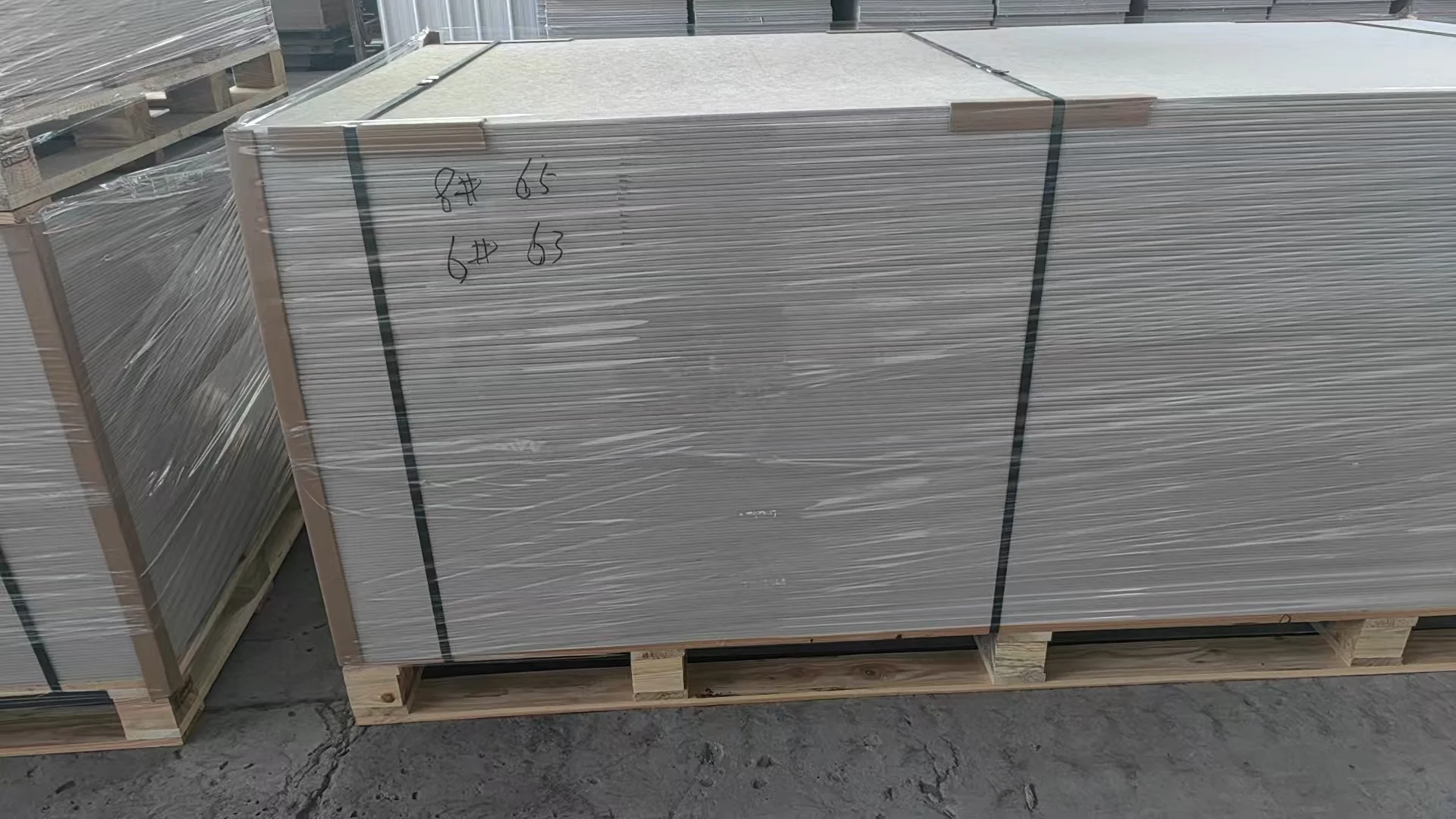
Comparison Table
| Property | Cement Board | Fiber Cement Board |
|---|---|---|
| Main Composition | Cement, aggregate | Cement, fibers |
| Strength Type | High compressive | High flexural |
| Typical Use | Floors, substrates | Walls, façades |
| Installation | Heavy, rigid mounting | Easier, modular systems |
| Sustainability | Medium | High (fiber recyclable) |
In my plant, we often combine both boards—cement boards for base floors and fiber cement for vertical systems.
That mix gives strength and flexibility to one integrated structure.
Does Cement Board Add Strength?
Cement boards add systemic strength, not structural load‑bearing power.
They make wall or floor assemblies more rigid, stable, and fire‑resistant, rather than replacing beams or columns.
TRUSUS engineering insight: cement board empowers structures—it doesn’t carry them.
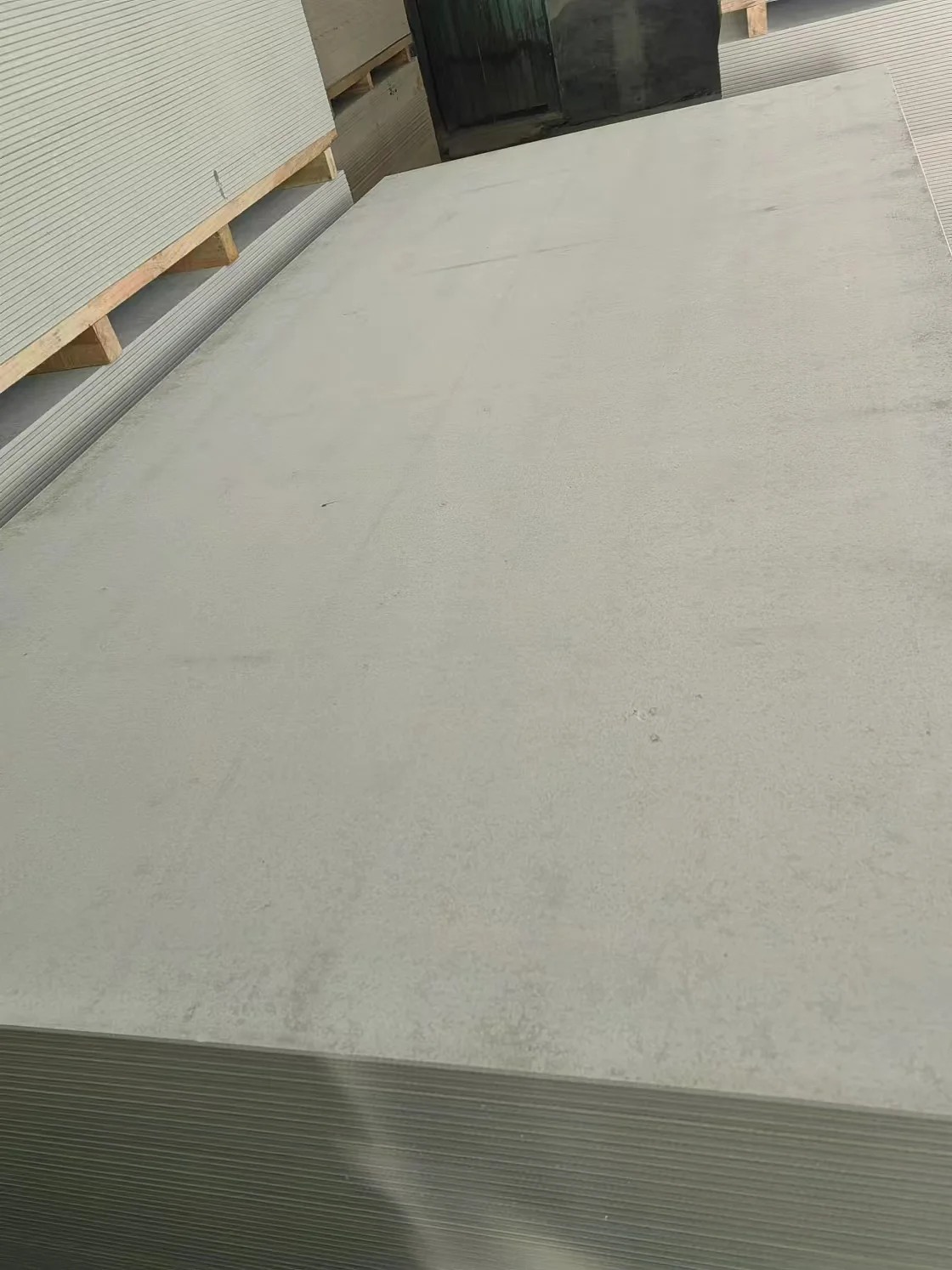
Structural Role Table
| Application | Function | Added Value |
|---|---|---|
| Wall System | Interface for gypsum or finishing layers | Improved rigidity, fire rating |
| Floor Sheathing | Surface uniformity | Load distribution and damp protection |
| Wet Area Walls | Moisture barrier | Longevity and mold control |
| Facades | External defense layer | Dimensional stability, weather resistance |
Through every project, I have seen how cement boards serve as essential nodes linking materials together.
They do not strengthen the frame by force—they stabilize the environment through structure.
Conclusion
At TRUSUS, I see each fiber and board as part of a living system.
When materials work with logic, not against it, buildings gain both endurance and character.
