




Fiber Cement vs. Calcium Silicate Board: What's the Difference?
Fiber cement board contains cellulose fibers and cement for enhanced tensile strength and outdoor durability, while calcium silicate board uses lime-silica reactions for superior fire resistance and dimensional stability, with fiber cement better suited for exterior applications and high-moisture environments, and calcium silicate preferred for interior fire-rated assemblies and precision construction requiring minimal thermal movement.
Fiber cement composition includes cellulose fibers mixed with portland cement providing enhanced tensile strength and crack resistance for outdoor applications. Calcium silicate formation uses lime-silica reactions creating crystalline structure with superior dimensional stability and fire resistance. Moisture performance differs significantly with fiber cement handling repeated wet-dry cycles while calcium silicate maintains consistent dimensions in controlled environments. Application suitability varies with fiber cement excelling in exterior cladding and wet areas, calcium silicate preferred for fire barriers and precision interiors. Manufacturing processes result in different densities and thermal properties affecting installation and performance characteristics.
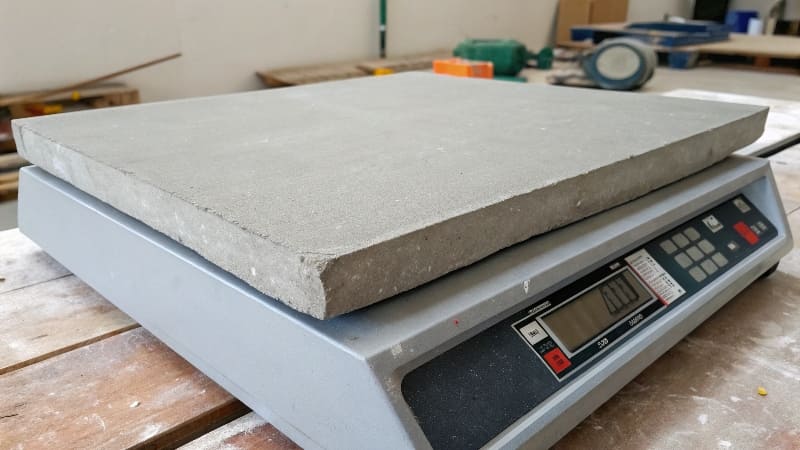
From my extensive experience manufacturing cement-based boards, I've observed that understanding these fundamental differences is crucial for selecting the right material for specific building applications and environmental conditions.
Is Cement Board More Eco-Friendly Than Treated Lumber?
Cement board is significantly more eco-friendly than treated lumber due to non-toxic composition without chemical preservatives, longer service life reducing replacement cycles, recyclable materials at end of life, lower volatile organic compound emissions, and sustainable raw materials, while treated lumber requires toxic chemicals like copper azole or ACQ that leach into soil and groundwater.
Non-toxic composition of cement board eliminates harmful chemical preservatives required in treated lumber preventing soil contamination and health hazards. Extended service life of 25-50 years reduces replacement frequency compared to treated lumber's 10-20 year lifespan creating less construction waste. Recyclable materials allow cement board to be ground and reused in new construction while treated lumber requires hazardous waste disposal. Low VOC emissions from cement board improve indoor air quality versus ongoing chemical off-gassing from treated lumber. Sustainable raw materials including recycled content and abundant minerals create smaller environmental footprint than forest harvesting for lumber production.
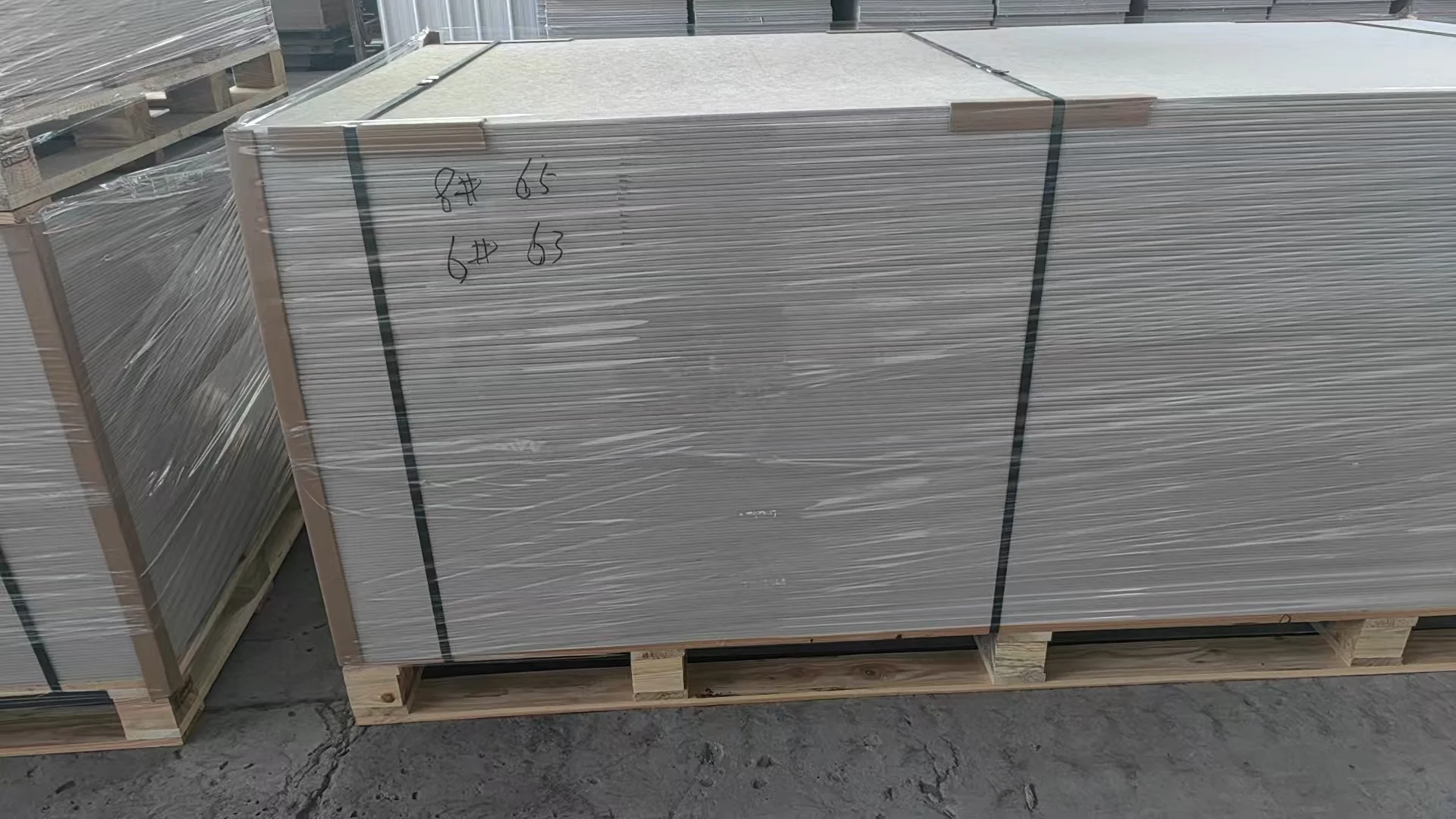
Environmental Impact Comparison
Comprehensive analysis of environmental factors between cement board and treated lumber systems.
| Environmental Factor | Cement Board | Treated Lumber | Impact Difference | Significance |
|---|---|---|---|---|
| Chemical Preservatives | None | Toxic compounds | Major advantage | Health/soil protection |
| VOC Emissions | Minimal | Ongoing release | Significant advantage | Indoor air quality |
| Service Life | 25-50 years | 10-20 years | 2-3x longer | Reduced replacement |
| Recyclability | 100% recyclable | Hazardous waste | Complete advantage | Waste reduction |
| Carbon Footprint | Moderate | Variable | Depends on source | Forest conservation |
Cement board provides clear environmental advantages in most categories.
Chemical Safety Analysis
Comparison of chemical content and safety profiles between building materials.
| Chemical Aspect | Cement Board | Treated Lumber | Health Risk | Environmental Risk |
|---|---|---|---|---|
| Preservative Chemicals | None | Copper compounds/arsenic | Low vs High | Soil/water contamination |
| Formaldehyde | None | Potential presence | None vs Moderate | Indoor air quality |
| Heavy Metals | Natural minerals | Copper/chromium | Minimal vs Significant | Leaching concerns |
| Biocides | None | Fungicides/insecticides | None vs High | Ecosystem impact |
| Off-gassing | Minimal | Continuous | Low vs Moderate | Long-term exposure |
Chemical-free composition makes cement board significantly safer option.
Lifecycle Cost Analysis
Long-term economic and environmental cost comparison over building lifecycle.
| Cost Factor | Cement Board | Treated Lumber | 30-Year Analysis | Environmental Benefit |
|---|---|---|---|---|
| Initial Cost | Higher | Lower | 120% vs 100% | Quality investment |
| Replacement Cycles | 0-1 times | 2-3 times | Fewer disruptions | Reduced waste |
| Maintenance | Minimal | Regular treatment | 50% less effort | Chemical elimination |
| Disposal Costs | Standard | Hazardous waste | Significant savings | Proper disposal |
| Total Lifecycle | Lower | Higher | 15-25% savings | Comprehensive advantage |
Lifecycle analysis shows cement board provides better overall value.
How to Achieve a Smooth Finish on Cement Board Joints?
Achieve smooth cement board joints using flexible joint compound applied in thin coats with 200-300mm wide taping knife, mesh tape for reinforcement, proper surface preparation with 120-grit sanding, multiple coating cycles with intermediate sanding, and final priming with high-build primer to eliminate texture differences and create seamless surface ready for finishing.
Flexible joint compound accommodates thermal movement of cement board preventing joint cracking with superior adhesion and workability. Mesh tape reinforcement provides tensile strength across joint lines preventing compound failure under structural movement. Proper surface preparation includes 120-grit sanding to remove surface texture and create uniform substrate for compound adhesion. Multiple coating cycles with thin applications build smooth surface gradually avoiding thick buildup that cracks or sags. High-build primer equalizes surface porosity between board and joint compound creating uniform finish substrate.
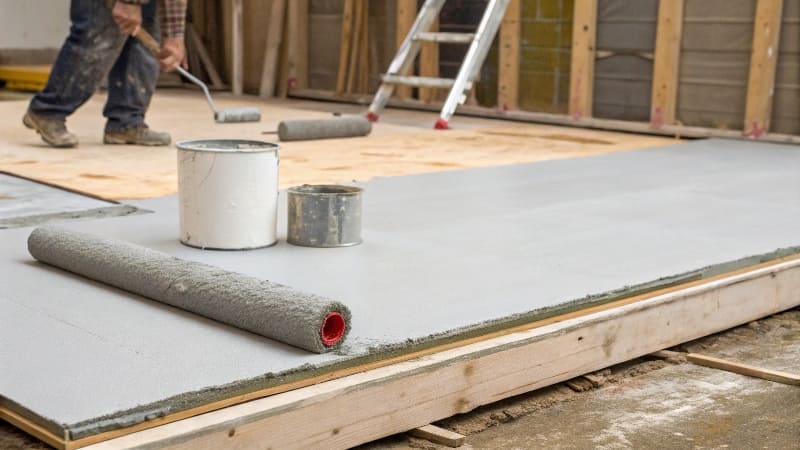
Joint Compound Selection
Performance characteristics of different joint compounds for cement board applications.
| Compound Type | Flexibility | Adhesion | Shrinkage | Drying Time | Best Application |
|---|---|---|---|---|---|
| Standard Drywall | Poor | Fair | High | Fast | Not recommended |
| Flexible Acrylic | Excellent | Very Good | Low | Medium | Exterior joints |
| Polymer Modified | Very Good | Excellent | Very Low | Medium | Interior/exterior |
| Elastomeric | Excellent | Good | Minimal | Slow | High-movement areas |
| Fiber Reinforced | Good | Very Good | Low | Fast | Heavy-duty applications |
Polymer modified compounds provide best overall performance for cement board joints.
Application Technique Guide
Professional methods for achieving smooth joint finishes on cement board installations.
| Application Step | Technique | Tool Selection | Quality Check | Common Mistakes |
|---|---|---|---|---|
| First Coat | Fill joint depression | 150mm knife | Complete coverage | Too thick application |
| Mesh Tape | Embed in wet compound | Smooth pressure | No wrinkles/bubbles | Inadequate embedding |
| Second Coat | Feather edges 200mm | 250mm knife | Smooth transitions | Visible edges |
| Third Coat | Blend to surface | 300mm knife | Seamless finish | Texture mismatch |
| Final Sand | 220-grit paper | Light pressure | Uniform surface | Over-sanding |
Patient buildup in thin coats produces best results with minimal sanding.
Surface Preparation Requirements
Critical preparation steps for successful cement board joint finishing.
| Preparation Step | Method | Quality Standard | Tools Required | Time Allowance |
|---|---|---|---|---|
| Board Alignment | Straight edge check | <2mm variation | Level/straightedge | 30 min per room |
| Joint Cleaning | Dust removal | Complete cleanliness | Vacuum/brush | 15 min per room |
| Surface Sanding | 120-grit uniform | Consistent texture | Orbital sander | 1 hour per room |
| Primer Application | Even coverage | No missed areas | Brush/roller | 2 hours per room |
| Moisture Check | <19% content | Proper curing | Moisture meter | 15 min per room |
Thorough preparation essential for professional joint finish quality.
Is Cement Board Suitable for Baseboards in Flood-Prone Areas?
Cement board is excellent for baseboards in flood-prone areas due to complete water resistance without swelling or rot, dimensional stability when wet, mold/mildew resistance, easy cleaning after flood events, and ability to withstand repeated wet-dry cycles, making it superior to wood or MDF baseboards that deteriorate rapidly in flood conditions.
Complete water resistance allows cement board baseboards to withstand flood water without swelling, warping, or structural damage. Dimensional stability maintains precise fit and appearance even after prolonged water exposure unlike wood products that expand significantly. Mold resistance prevents microbial growth in post-flood conditions eliminating health hazards and aesthetic problems. Easy cleaning with pressure washing or sanitizing solutions restores baseboards to original condition after flood events. Repeated wet-dry cycles cause no degradation enabling long-term performance in flood-prone locations.
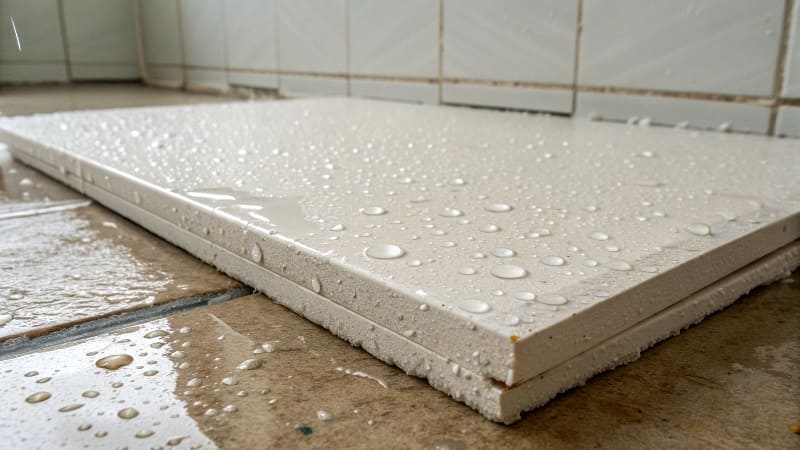
Flood Performance Comparison
Material performance characteristics during and after flood exposure events.
| Material Type | Water Absorption | Dimensional Change | Mold Resistance | Recovery Time | Replacement Need |
|---|---|---|---|---|---|
| Cement Board | <10% | Minimal | Excellent | Hours | Rarely |
| MDF Baseboard | >100% | Severe swelling | Poor | Days/never | Always |
| Pine Baseboard | 20-40% | Moderate warping | Poor | Weeks | Usually |
| PVC Baseboard | <1% | None | Excellent | Immediate | Never |
| Composite | 15-30% | Significant | Fair | Days | Often |
Cement board and PVC show best flood resistance performance.
Installation Considerations
Special installation techniques for cement board baseboards in flood-prone areas.
| Installation Aspect | Standard Method | Flood-Zone Modification | Benefit | Additional Cost |
|---|---|---|---|---|
| Mounting Height | Floor contact | 25-50mm elevation | Reduced water contact | Minimal |
| Fastener Selection | Standard screws | Stainless steel | Corrosion resistance | 15% increase |
| Joint Sealing | Caulk joints | Marine-grade sealant | Water intrusion prevention | 25% increase |
| Base Flashing | Optional | Required membrane | Moisture barrier | Moderate |
| Drainage Gaps | None | 3mm weep holes | Water escape | Minimal |
Elevated mounting and marine sealants optimize flood resistance performance.
Post-Flood Maintenance
Recommended maintenance procedures for cement board baseboards after flood events.
| Maintenance Step | Timing | Method | Quality Check | Frequency |
|---|---|---|---|---|
| Initial Assessment | Immediately | Visual inspection | Structural integrity | After each event |
| Water Removal | Within 24 hours | Pumping/mopping | Complete drainage | As needed |
| Cleaning | 24-48 hours | Pressure washing | Contamination removal | Post-flood |
| Disinfection | 48-72 hours | Antimicrobial treatment | Pathogen elimination | Post-flood |
| Drying | 72+ hours | Ventilation/dehumidification | <19% moisture | Post-flood |
Rapid response critical for optimal recovery and performance restoration.
Cost-Benefit Analysis
Economic comparison of baseboard materials in flood-prone applications over 10-year period.
| Cost Factor | Cement Board | Wood Baseboard | MDF Baseboard | Long-term Savings |
|---|---|---|---|---|
| Initial Cost | $12/linear meter | $8/linear meter | $6/linear meter | Higher upfront |
| Flood Replacements | 0 times | 2-3 times | 3-4 times | Major savings |
| Maintenance | Minimal | Moderate | High | Significant savings |
| Total 10-Year Cost | $12/meter | $35-40/meter | $40-50/meter | 65-75% savings |
| Insurance Benefits | Premium reductions | Standard rates | Standard rates | Additional savings |
Cement board provides substantial long-term savings in flood-prone areas.
Conclusion
Fiber cement board contains cellulose fibers and cement for enhanced outdoor durability, while calcium silicate board uses lime-silica reactions for superior fire resistance and dimensional stability, with fiber cement better for exterior applications and calcium silicate preferred for interior fire-rated assemblies. Cement board is significantly more eco-friendly than treated lumber due to non-toxic composition, longer service life, recyclable materials, and lower VOC emissions versus treated lumber's toxic chemical preservatives. Achieve smooth cement board joint finishes using flexible joint compound in thin coats with mesh tape reinforcement, proper surface preparation, multiple coating cycles, and high-build primer for seamless results. Cement board is excellent for baseboards in flood-prone areas providing complete water resistance, dimensional stability, mold resistance, and easy post-flood cleaning unlike wood products that deteriorate rapidly. Success with cement board applications requires understanding that material composition differences determine optimal use environments, environmental benefits extend far beyond simple material substitution, professional finishing techniques are essential for achieving quality results, and flood-resistant applications demand materials that maintain performance through repeated water exposure cycles, making cement board systems ideal for sustainable, durable construction in challenging environments where traditional materials fail.
