




Does Wood-Grain Cement Board Require a Special Primer Before Staining?
Yes, wood-grain cement boards need a penetrating silicate or acrylic primer before staining. The primer seals pores, limits alkalinity reactions, and helps the stain bond evenly for durable results.
TRUSUS insight: primer connects cement’s structure to its aesthetic finish.
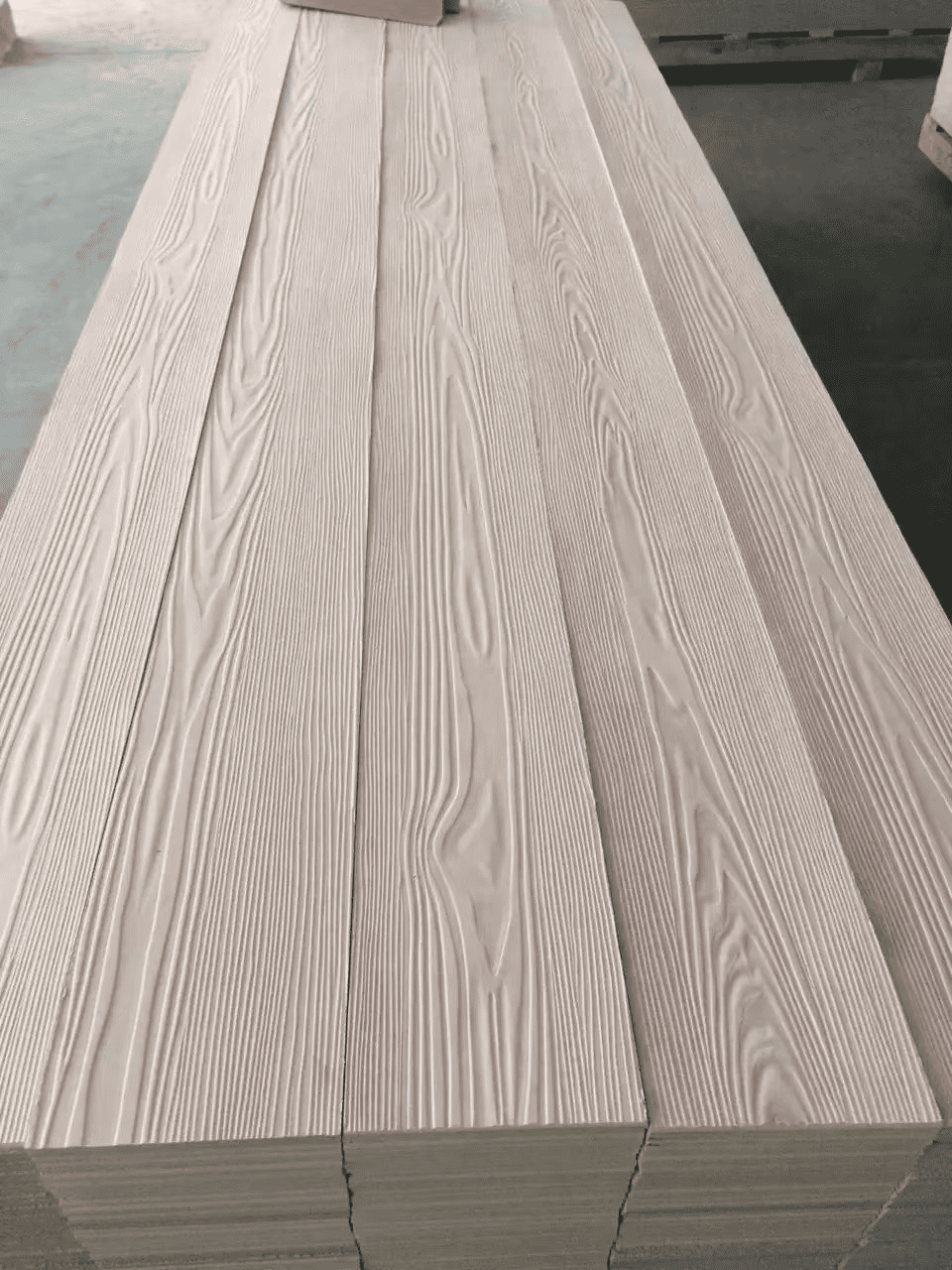
Cement-based products are porous and mildly alkaline, which can damage finishes if left untreated. A proper primer creates a chemical barrier and promotes uniform stain absorption for lasting color consistency.
What Type of Primer for Cement Board?
The best primer type depends on use and exposure. Acrylic sealer primers work well for general indoor and outdoor use, while silicate penetrating primers excel for textured boards like wood-grain.
material insight: match the primer to the board, not to the color.
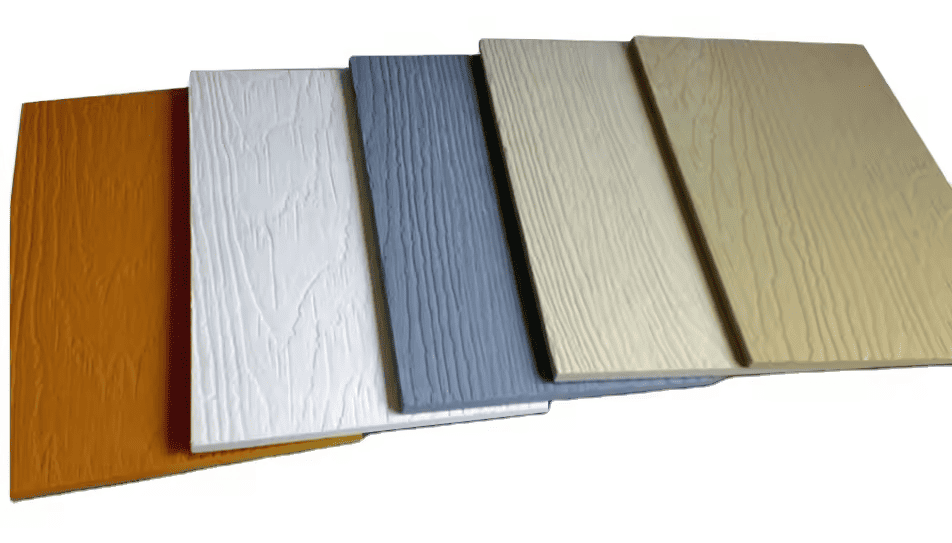
Primer Classification
| Primer Type | Key Feature | Recommended Application |
|---|---|---|
| Acrylic Sealer | Anti-alkali & water-resistant | General use and light color finish |
| Silicate Penetrating | Deep bonding with cement fibers | Wood-grain or decorative surfaces |
| Epoxy Base | Heavy-duty and rust-resistant | Industrial or high-moisture settings |
Function Overview
| Primer Role | Structural Benefit |
|---|---|
| Pore sealing | Prevents moisture absorption |
| Chemical isolation | Stops alkaline paint reaction |
| Surface conditioning | Improves stain consistency |
Selecting a primer is an engineering choice—a balance between moisture control and surface compatibility.
What Is the Best Primer for Cement Board?
The most reliable primer for cement board is a high-performance acrylic or silicate sealer. It resists alkaline erosion and bonds evenly under heat, humidity, and UV exposure.
performance insight: longevity begins at the very first coating layer.
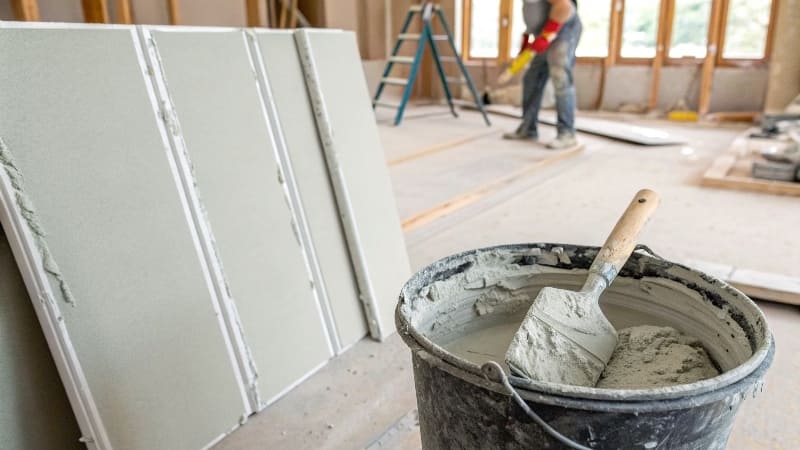
Recommended Primer Properties
| Feature | Ideal Performance Measure | Why It Matters |
|---|---|---|
| Penetration | Deep saturation in micro-pores | Stops uneven color absorption |
| Flexibility | Maintains integrity under temp shift | Reduces cracking risk |
| Alkaline resistance | Stable under concrete pH | Protects final paint layer |
Environmental Alignment Table
| Environment | Ideal Primer Type | Reason |
|---|---|---|
| Tropical humid | Acrylic | Strong anti-moisture capacity |
| Arid or UV intense | Silicate | Long-term sun resistance |
| Coastal areas | Epoxy | Salt and corrosion protection |
The chosen primer defines durability more than the final stain. The first layer controls how well the surface ages and adapts to external stress.
How to Prime Cement Board?
Priming cement board involves dry surface preparation, applying a roller or spray primer, and letting it cure fully before painting or staining.
application insight: patience in preparation gives permanence in finish.
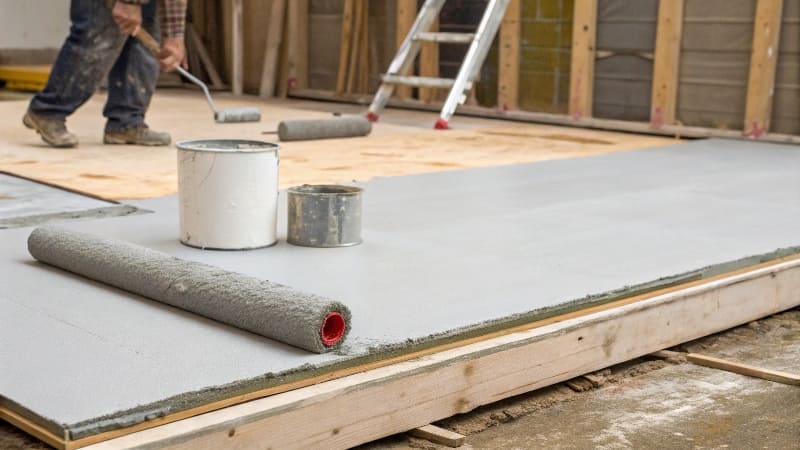
Step-by-Step Process
| Step | Action | Purpose |
|---|---|---|
| 1 | Clean board surface | Remove dust, oil, or loose cement |
| 2 | Check moisture level | Surface must be dry for bonding |
| 3 | Apply primer evenly | Use roller or low-pressure spray |
| 4 | Dry and cure | Wait 8–12 hours before finishing coat |
Technical Notes
| Tip | Detail |
|---|---|
| Surface temperature | Above 10°C for proper adhesion |
| Dilution ratio | Follow manufacturer’s guide for viscosity |
| Second coat | Optional for heavy textures or outdoor use |
A correct priming process locks in surface strength and ensures that every subsequent coat performs as part of a unified system.
Conclusion
Priming cement board is not a cosmetic step—it’s structural protection. Whether acrylic, silicate, or epoxy, the right primer seals the bond between material and environment. At TRUSUS, we see primer as the starting point of durability—a small layer with a long-lasting impact across climates and designs.
