




Does the Thickness of Cement Board Matter?
Most builders and designers eventually ask the same question when selecting cement board—does the thickness truly matter for performance and safety?
Yes, the thickness of cement board matters because it directly affects its strength, load-bearing ability, moisture resistance, and compatibility with different building applications such as floors, walls, or ceilings.
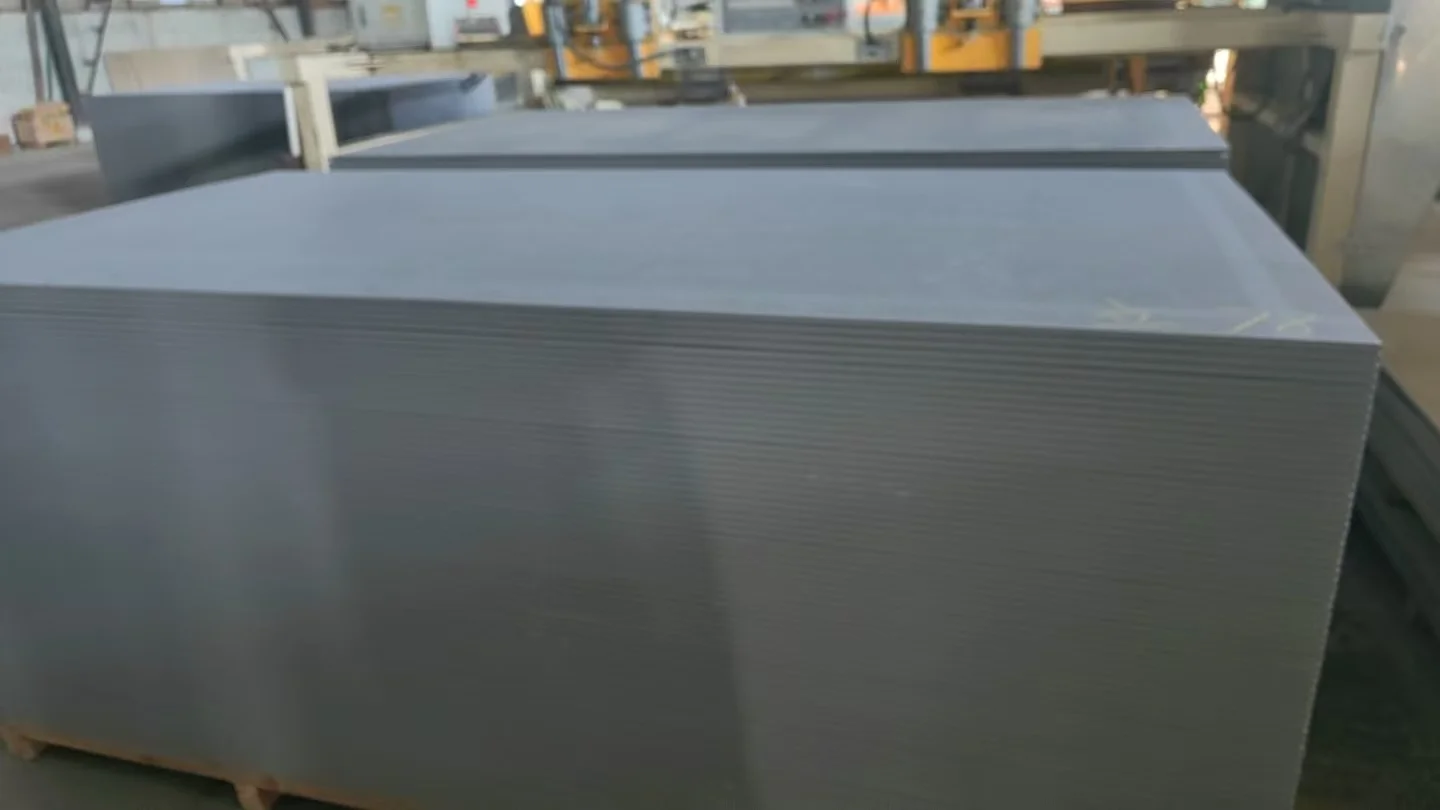
Over years producing and testing cement boards, I’ve seen that thickness should never stand alone as a decision factor. What really matters is how it works with the substructure, load design, and finishing materials.
What Is the Best Thickness for Cement Board?
Many assume thicker always means stronger. But the right thickness depends on where the board is used—lighter applications need thinner boards, while structural areas require thicker versions.
The best thickness for cement board varies by project: 6–8 mm for walls and ceilings, 10–12 mm for floors, countertops, or exterior facades where strength and moisture defense are crucial.
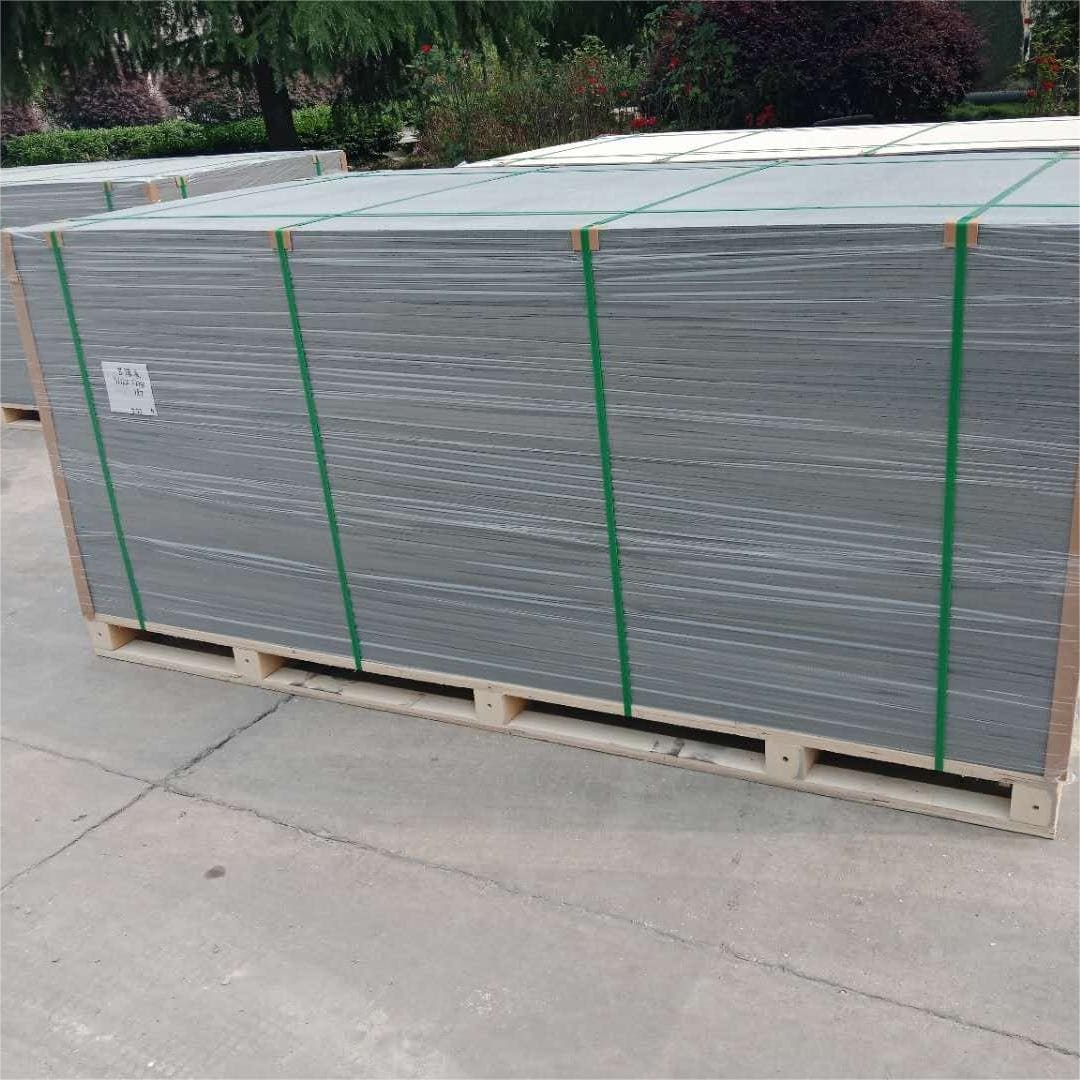
Matching Thickness to Application
In my experience, building performance improves when the cement board thickness aligns with its intended role, not when it simply increases in size. Proper design balance prevents stress concentration and unnecessary load weight on framing systems.
Walls and Ceilings (6–8 mm): Used for cladding, tile backing, and partition systems. Thinner boards keep overall system weight low, improving installation ease while maintaining rigidity when properly fastened.
Floors and Countertops (10–12 mm): Thicker panels add stiffness and impact resistance. Especially under ceramic tiles or heavy-use zones, extra thickness provides better load distribution and longevity.
Exterior Applications (10–16 mm): When exposed to humidity or temperature fluctuation, thicker boards enhance thermal stability and minimize cracking due to environmental stress.
| Application | Recommended Thickness | Key Function |
|---|---|---|
| Walls / Ceilings | 6–8 mm | Lightweight, easy handling |
| Floors | 10–12 mm | Load-bearing strength |
| Countertops | 12 mm | Dimensional stability |
| Exterior Wall Facades | 10–16 mm | Weather resistance |
| Moist / Wet Zones | 8–12 mm | Moisture protection |
The right thickness selection maximizes both lifespan and installation efficiency, but it must always integrate with the complete building system for full reliability.
Can You Use a 6mm Backer Board on a Floor?
Many DIY users or first-time builders choose 6 mm backer boards for flooring to save weight and cost. But under heavy use, that thin layer might not perform as expected.
A 6 mm cement backer board can be used on floors only if installed over a stable subfloor and low-traffic zones. For heavy loads, 10–12 mm boards are recommended for better dimensional stability and durability.
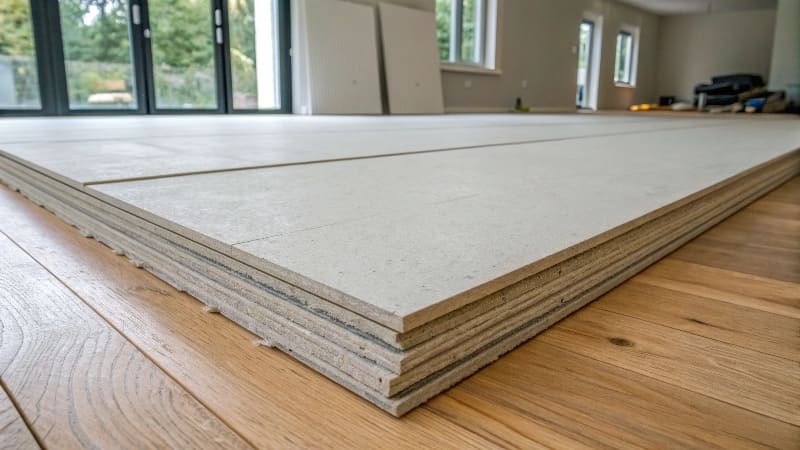
Why Floor Applications Demand More Thickness
Working on multiple remodeling projects, I found most flooring problems happen when thin boards are forced into structural roles. While 6 mm products work as surface stabilizers, they don’t absorb dynamic floor stresses effectively on their own.
Subfloor Stability: If the base layer is rigid plywood or concrete, 6 mm may be acceptable under light tile or laminate installations.
Traffic Load: High-traffic zones, such as hallways or kitchens, require thicker boards (10–12 mm) to prevent deflection, cracking, or joint failure.
Moisture Control: Thinner boards are more sensitive to moisture absorption variations; using a moisture membrane underneath improves stability.
| Condition | Minimum Thickness | Notes |
|---|---|---|
| Light traffic residential | 6 mm | Only if supported by rigid subfloor |
| Medium / heavy traffic | 10–12 mm | Preferred for long-term performance |
| Wet areas (bathrooms) | 8–10 mm | Add waterproof membrane |
| Heated floor systems | 10 mm | Maintain thermal consistency |
Structural balance, not just thickness, ensures long-lasting results on floor installations.
What’s the Difference Between Backer Board and Cement Board?
Many people use the terms “backer board” and “cement board” interchangeably, but they actually serve distinct functions in construction.
Backer board is primarily for tile backing and surface preparation, while cement board is a structural and multipurpose panel used in both interior and exterior systems for strength, fire resistance, and stability.
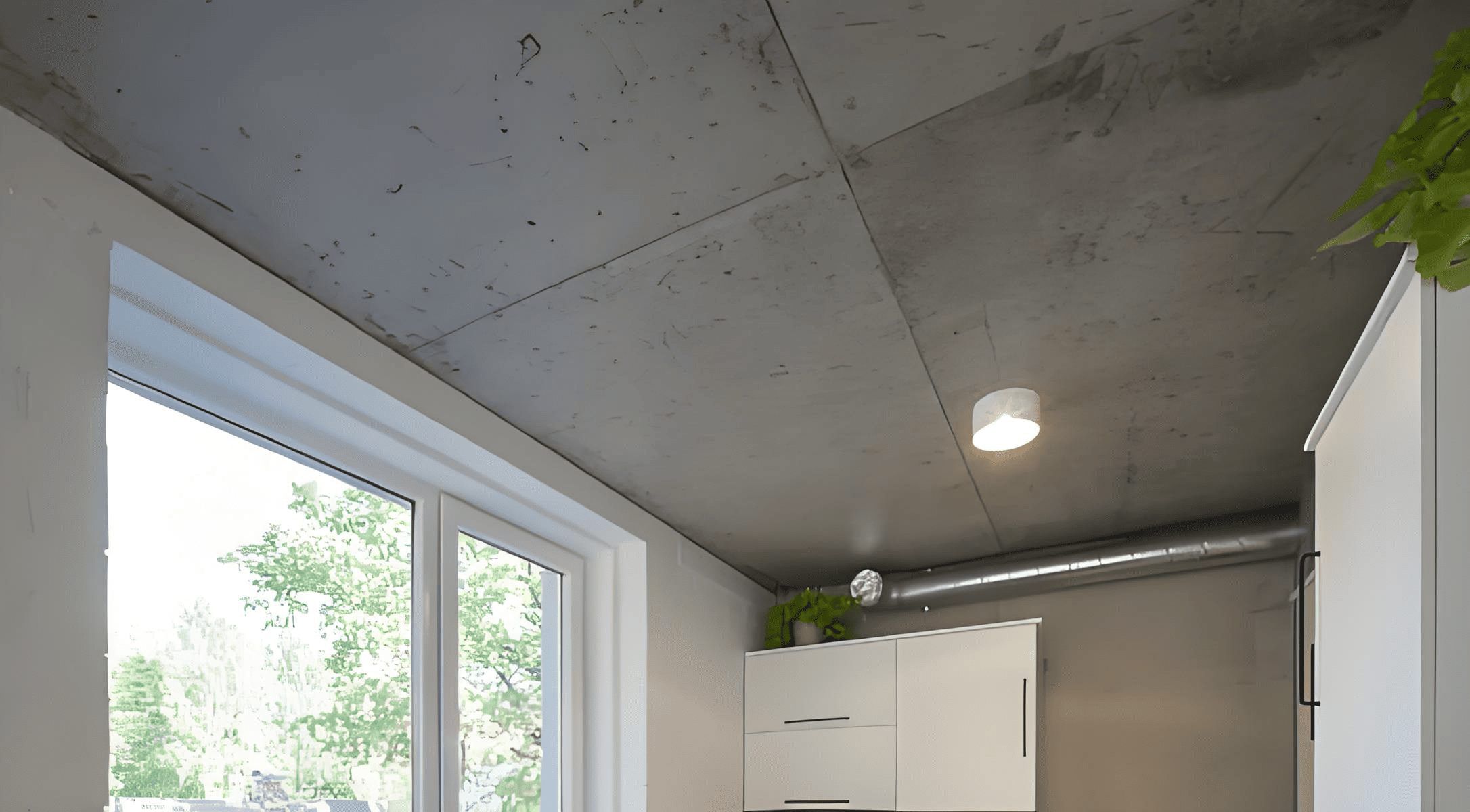
Understanding the Technical and Functional Gap
During client consultations, I often explain that these two board types may look similar but behave differently under stress and moisture exposure. They are designed around different priorities—adhesion versus structure.
Cement Board: Contains cement, sand, and reinforcing fibers. It provides structural strength, fire rating, and durability. Suitable for walls, floors, facades, and other building envelope systems.
Backer Board: Can be glass-mat gypsum, foam-core, or fiber-reinforced materials. Its main role is to support tiling and provide a smooth, moisture-resistant substrate but not to bear load independently.
| Feature | Cement Board | Backer Board |
|---|---|---|
| Composition | Cement + reinforcing fibers | Gypsum or foam with coating |
| Structural Function | Load-bearing and fire-resistant | Limited structural support |
| Typical Thickness | 6–16 mm | 6–10 mm |
| Application | Walls, floors, facades | Tile substrate, wet areas |
| Durability in Exterior Use | Excellent | Limited |
Hence, every project should begin by identifying the performance goal—whether you need a substrate or a structural panel.
Conclusion
Cement board thickness significantly affects strength and application suitability. The ideal thickness ranges from 6–8 mm for walls to 10–12 mm for floors and exteriors. A 6 mm board may work only on stable, low-load floors. Backer boards differ from cement boards—they are surface layers, not structural components. In short, reliable performance depends not only on “how thick” the board is, but on how well it integrates with the entire building system to deliver long-term strength and safety.
