




Does It Matter Which Way You Install Cement Board?
Many assume cement board installation direction follows arbitrary preferences, but orientation affects structural performance significantly. Cement board installation involves fiber direction, stress distribution, and load considerations that influence long-term durability and crack resistance in wall systems.
Cement board installation direction matters significantly with the long dimension typically installed vertically to minimize horizontal joints, reduce stress concentrations, and improve structural performance, while fiber orientation affects strength characteristics requiring proper alignment for optimal load distribution and crack resistance.
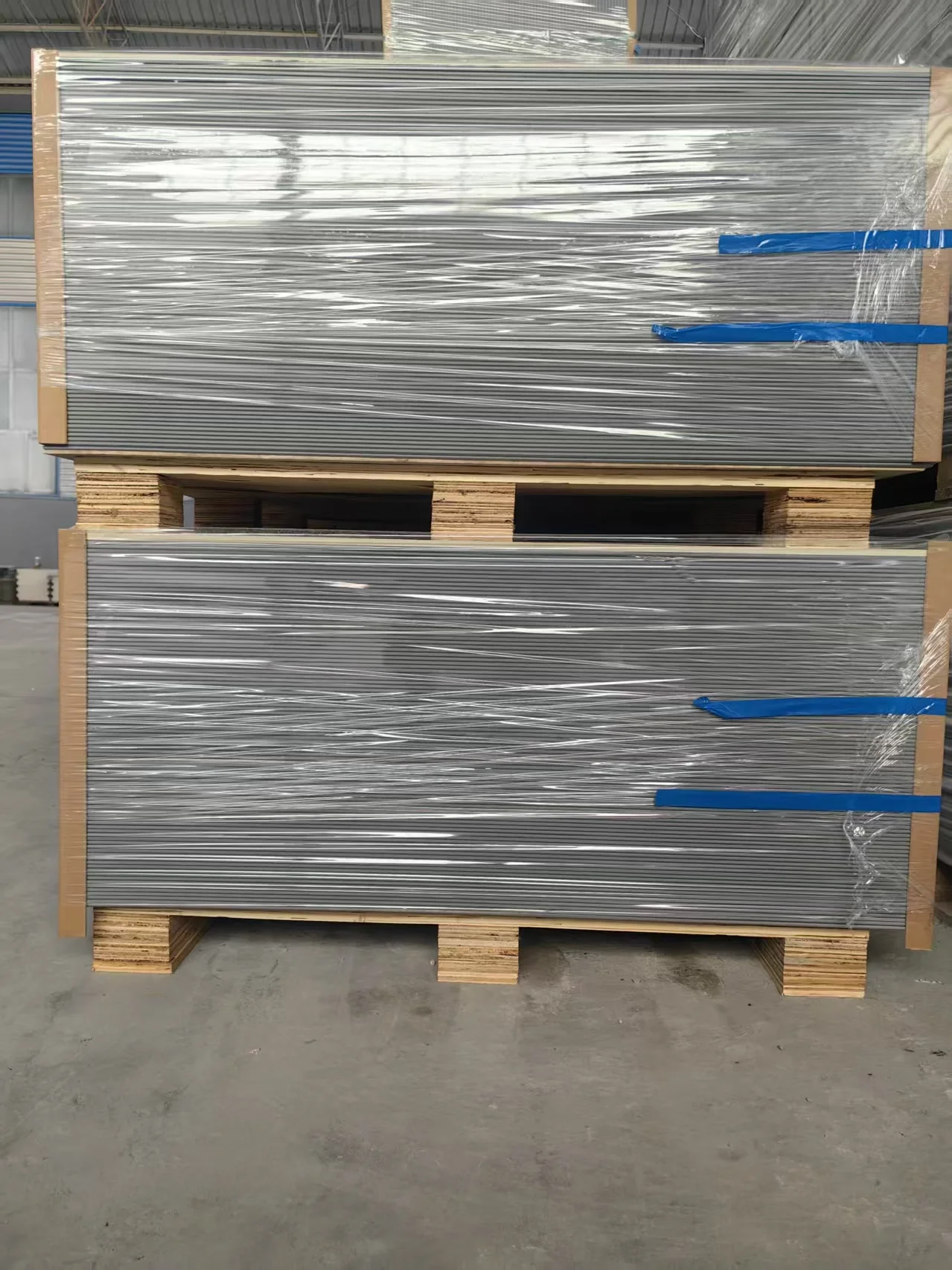
Through years of cement board manufacturing and installation analysis, I learned that installation orientation affects structural behavior more than many realize, with proper direction selection optimizing stress distribution while preventing common failure patterns that compromise long-term wall system performance.
Should You Tape Seams on Cement Board?
Understanding cement board seam treatment ensures proper moisture protection and structural continuity. Seam taping involves material selection, application methods, and performance requirements that affect long-term durability and system integrity in wet area applications.
Cement board seams should be taped using alkaline-resistant fiberglass mesh tape with polymer-modified thinset or appropriate sealant to prevent moisture penetration, maintain structural continuity, and provide crack resistance while ensuring long-term durability in tile and wet area applications.
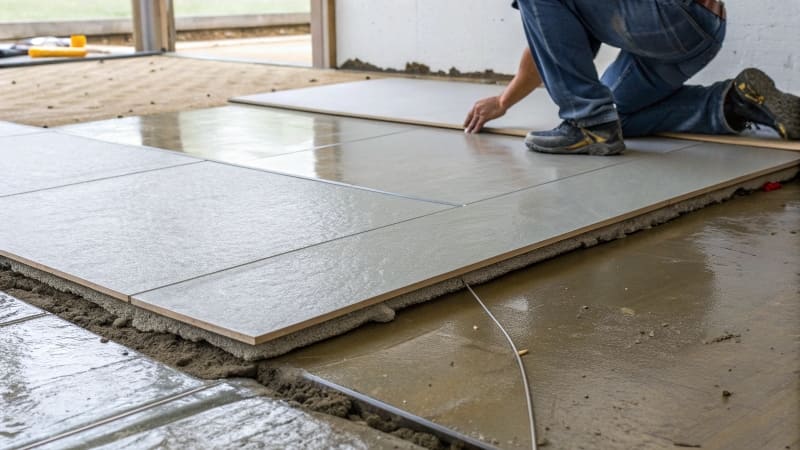
Comprehensive Cement Board Seam Treatment and Performance Analysis
Cement board seam treatment involves critical waterproofing and structural considerations that affect overall wall system performance and longevity. During my experience working with cement board installation failures and moisture problems, I learned that proper seam treatment prevents most common installation problems while ensuring reliable long-term performance.
Seam vulnerability represents the weakest points in cement board installations where moisture can penetrate and structural discontinuities create stress concentrations. Untreated seams compromise overall system integrity while creating potential failure points.
Tape material selection requires alkaline-resistant products that withstand cement board's high pH environment while providing appropriate flexibility and adhesion characteristics. Standard drywall tapes fail in cement board applications due to alkaline degradation.
Fiberglass mesh tape provides optimal performance through alkali resistance, dimensional stability, and mechanical bond characteristics that maintain seam integrity under stress and moisture exposure. Mesh tapes accommodate movement while preventing crack propagation.
Embedding compound selection includes polymer-modified thinset, specialized seam compounds, or elastomeric sealants that provide proper adhesion and flexibility while maintaining moisture resistance. Compound compatibility with tape and substrate ensures proper performance.
Application technique affects seam quality through proper embedding depth, compound coverage, and curing procedures that ensure full tape encapsulation while maintaining smooth transitions. Proper application prevents future problems while ensuring performance.
Moisture protection benefits from seam taping through continuous moisture barriers that prevent water penetration while maintaining vapor permeability where appropriate. Moisture control prevents substrate damage while ensuring system longevity.
Structural continuity improves through seam taping that distributes loads across joints while preventing stress concentrations that cause cracking. Continuous reinforcement maintains structural integrity while accommodating building movement.
Quality control includes inspection procedures that verify proper tape installation, adequate embedding, and complete coverage while identifying potential problems before final finishing. Systematic quality control ensures reliable performance.
Long-term performance depends on proper seam treatment that maintains integrity under thermal cycling, moisture exposure, and structural movement while preventing deterioration that compromises wall systems.
| Seam Treatment Method | Materials Required | Performance Benefits | Application Notes |
|---|---|---|---|
| Fiberglass Mesh Tape | Alkali-resistant tape + thinset | Superior performance | Recommended method |
| Standard installation | Mesh tape, polymer thinset | Crack resistance | Professional application |
| Critical area treatment | Premium tape, flexible compound | Maximum durability | High-stress locations |
| Paper Tape Systems | Specialized paper + compound | Limited applications | Not recommended |
| Alkaline-resistant paper | Special formulation required | Moderate performance | Dry areas only |
| Sealant-Only Systems | Elastomeric sealant | Flexible sealing | Movement accommodation |
| Structural sealants | High-performance products | Good for movement joints | Specialized applications |
| Membrane Systems | Sheet or liquid membrane | Complete waterproofing | Premium installations |
| Waterproof membranes | Full system approach | Maximum protection | Shower/wet areas |
What Causes Cement Board to Crack?
Understanding cement board cracking mechanisms helps prevent installation failures and optimize performance. Cement board cracking involves stress concentrations, movement accommodation, installation factors, and environmental conditions that affect long-term durability and system integrity.
Cement board cracks due to stress concentrations from improper support spacing, inadequate fastening, structural movement, moisture cycling, thermal expansion, poor joint treatment, and installation errors that create weak points where tensile stresses exceed material strength.
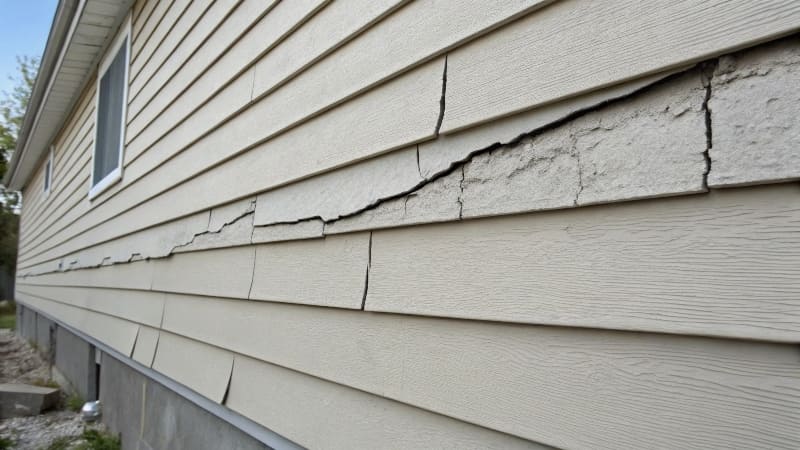
Detailed Cement Board Crack Analysis and Prevention Strategies
Cement board cracking involves complex stress mechanisms and installation factors that create failure conditions requiring systematic prevention approaches. During my experience working with cement board failure analysis and quality improvement, I learned that understanding crack causes enables effective prevention while optimizing installation practices for long-term performance.
Structural movement represents a primary cause of cement board cracking through building settlement, thermal expansion, and seismic activity that creates stresses exceeding material capacity. Movement accommodation requires proper design considerations and installation techniques.
Support spacing affects cracking through deflection control and load distribution that prevents excessive bending stresses. Improper spacing creates unsupported areas where normal loads cause cracking and structural failure.
Fastening patterns influence crack development through load transfer and stress distribution around fastener points. Inadequate fastening creates stress concentrations while over-fastening can cause localized crushing and crack initiation.
Moisture cycling causes dimensional changes through absorption and dehydration cycles that create internal stresses and micro-cracking. Moisture control and proper sealing prevent cycling damage while maintaining dimensional stability.
Thermal cycling creates expansion and contraction movements that stress cement board through temperature variations and differential movement between materials. Thermal stress management requires accommodation details and proper material selection.
Installation errors include improper cutting, inadequate support, poor joint alignment, and incorrect fastening that create stress concentrations and weak points. Quality installation practices prevent most cracking problems while ensuring proper performance.
Material quality affects cracking through density variations, manufacturing defects, and composition issues that create weak areas susceptible to crack initiation. Quality materials provide consistent performance while reducing crack risk.
Environmental conditions including freeze-thaw cycles, humidity variations, and chemical exposure create degradation that weakens cement board while increasing crack susceptibility. Environmental protection maintains material integrity while preventing degradation.
Joint treatment quality affects cracking through stress transfer and movement accommodation at board edges. Proper joint treatment distributes stresses while preventing crack propagation between boards.
Prevention strategies include proper support design, correct fastening patterns, quality materials, skilled installation, and appropriate environmental protection that eliminate crack causes while ensuring long-term performance.
| Crack Cause | Mechanism | Prevention Strategy | Installation Requirements |
|---|---|---|---|
| Structural Movement | Excessive deflection | Adequate support spacing | 16" or 12" centers maximum |
| Building settlement | Foundation issues | Proper structural design | Engineering consultation |
| Seismic activity | Dynamic loading | Flexible connections | Code-compliant details |
| Support Problems | Inadequate framing | Proper support spacing | Meet manufacturer specs |
| Deflection limits | L/360 or better | Structural adequacy | Engineering verification |
| Fastening Issues | Stress concentration | Proper fastener pattern | 8" centers recommended |
| Over-fastening | Material crushing | Appropriate torque | Avoid over-driving |
| Under-fastening | Inadequate attachment | Sufficient fasteners | Complete pattern |
| Moisture Effects | Dimensional changes | Moisture control | Proper sealing/ventilation |
| Cycling damage | Wet-dry cycles | Waterproofing systems | Complete protection |
| Thermal Stress | Expansion/contraction | Movement joints | Temperature accommodation |
| Differential movement | Material incompatibility | Proper details | Flexible connections |
| Installation Errors | Multiple factors | Quality workmanship | Trained installers |
| Poor cutting | Stress concentrations | Proper tools/techniques | Clean cuts |
| Misalignment | Joint problems | Careful layout | Precise installation |
Should Cement Board Be Staggered?
Understanding cement board staggering principles optimizes structural performance and crack resistance. Staggered installation involves joint patterns, stress distribution, and structural continuity that affect overall wall system strength and long-term durability.
Cement board should be staggered with joints offset by at least half board width to prevent continuous joint lines, distribute structural loads, minimize crack propagation, and improve overall wall system integrity while reducing stress concentrations at joint intersections.
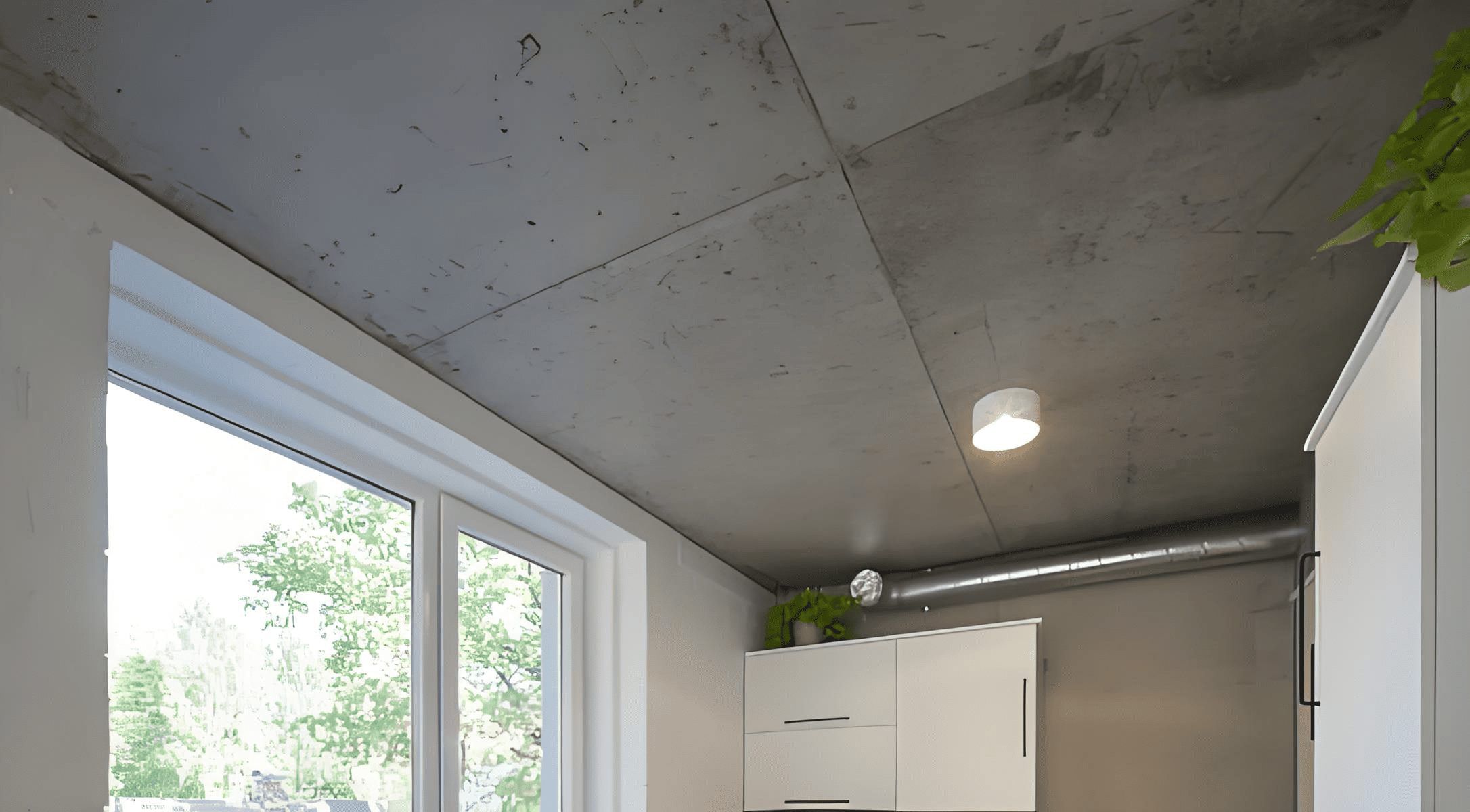
Comprehensive Cement Board Staggering Analysis and Installation Guidelines
Cement board staggering involves strategic joint placement that optimizes structural performance while preventing common failure patterns associated with continuous joint lines. During my experience working with cement board installation optimization and structural analysis, I learned that proper staggering significantly improves wall system performance while reducing maintenance requirements.
Structural benefits of staggering include load distribution across multiple boards, elimination of continuous weak lines, improved overall system strength, and reduced stress concentrations that cause cracking and failure. Staggering creates stronger integrated systems.
Joint pattern design requires offset distances of at least half board width to ensure adequate structural continuity while preventing alignment of horizontal and vertical joints that create weak intersection points. Proper patterns distribute loads effectively.
Stress distribution improves through staggered patterns that prevent load concentration along continuous joint lines while creating multiple load paths that enhance overall structural redundancy. Distributed loads prevent localized failures.
Crack prevention benefits from staggered installation through elimination of continuous weak lines where cracks typically initiate and propagate. Staggered patterns interrupt crack paths while maintaining structural integrity.
Installation efficiency may be affected by staggering requirements through increased cutting and fitting while material waste can increase due to partial board usage. Efficiency considerations should not compromise structural performance.
Layout planning requires consideration of room dimensions, door/window locations, and board sizes to optimize staggering patterns while minimizing waste and installation complexity. Proper planning ensures effective patterns.
Quality control includes verification of proper offset distances, joint alignment, and pattern consistency throughout installation while ensuring structural requirements are maintained. Systematic quality control ensures proper staggering.
Special conditions including irregular spaces, penetrations, and architectural features may require modified staggering patterns that maintain structural principles while accommodating specific conditions. Flexibility maintains performance while addressing constraints.
Cost implications of staggering include potential material waste and increased labor while long-term benefits include reduced maintenance and improved durability. Cost analysis should consider lifecycle performance benefits.
Code requirements may specify staggering requirements for specific applications while manufacturer recommendations provide guidance for optimal installation patterns. Compliance ensures proper performance while meeting standards.
| Staggering Aspect | Requirement | Structural Benefit | Installation Notes |
|---|---|---|---|
| Minimum Offset | Half board width | Prevents continuous joints | Standard requirement |
| 24" for 48" boards | 24" minimum offset | Load distribution | Common pattern |
| 16" for 32" boards | 16" minimum offset | Adequate separation | Smaller boards |
| Joint Patterns | Avoid alignment | Structural continuity | Critical requirement |
| Horizontal joints | Never align vertically | Prevents weak lines | Strength optimization |
| Vertical joints | Offset significantly | Load path distribution | Performance enhancement |
| Layout Optimization | Plan for efficiency | Balance performance/waste | Practical consideration |
| Room dimensions | Work with board sizes | Minimize cutting | Installation efficiency |
| Penetrations | Maintain patterns | Structural integrity | Special planning |
| Quality Control | Verify patterns | Ensure compliance | Installation oversight |
| Offset verification | Measure distances | Pattern consistency | Quality assurance |
| Joint inspection | Check alignment | Structural adequacy | Performance verification |
| Special Conditions | Modified patterns | Maintain principles | Flexibility required |
| Irregular spaces | Adapted staggering | Structural performance | Engineering consideration |
| Architectural features | Pattern accommodation | Performance maintenance | Design coordination |
Conclusion
Cement board installation direction matters with vertical orientation preferred for structural performance, seams should be taped using alkaline-resistant mesh tape and appropriate compounds for moisture protection, cracking results from structural movement, support problems, and installation errors requiring proper prevention strategies, and staggered installation with half-board offset prevents continuous joints while improving overall wall system strength and durability.
