




Does Heat Transfer Through Cement Board?
Heat transfers through cement board but at a significantly slower rate than many building materials, with thermal conductivity typically ranging 0.25-0.45 W/mK depending on density and fiber content.
Cement board thermal conductivity ranges 0.25-0.45 W/mK compared to drywall at 0.17-0.25 W/mK showing moderate heat transfer resistance. Dense fiber cement boards conduct heat more readily while lightweight formulations provide better insulation. Fire resistance comes from structural stability rather than thermal insulation properties alone. Heat transfer occurs through conduction with temperature rise on unexposed side limited by material mass and specific heat capacity. Installation with air gaps or insulation backing significantly improves thermal performance.
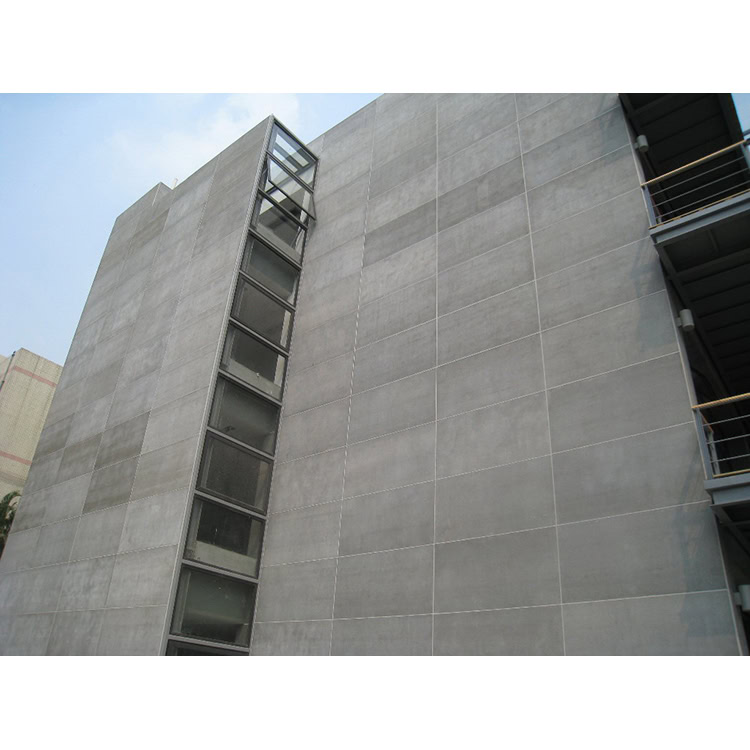
From my extensive experience in cement board manufacturing, I've observed that thermal performance varies significantly based on formulation density and application methods, requiring careful consideration of both fire resistance and thermal insulation requirements.
Is Cement Board Better Than Drywall for Fire Rating?
Cement board significantly outperforms drywall for fire ratings, achieving 1-4 hour fire resistance compared to drywall's typical 30-60 minute ratings, while maintaining structural integrity at temperatures exceeding 1000°C.
Cement board achieves 1-4 hour fire ratings depending on thickness and assembly configuration. Standard 1/2-inch drywall provides 30-60 minute fire resistance while similar thickness cement board offers 1-2 hours. Non-combustible classification means cement board will not ignite or contribute fuel. Structural integrity maintained above 1000°C while drywall calcination begins at 140°C. Smoke and toxic gas emissions remain minimal throughout fire exposure duration.
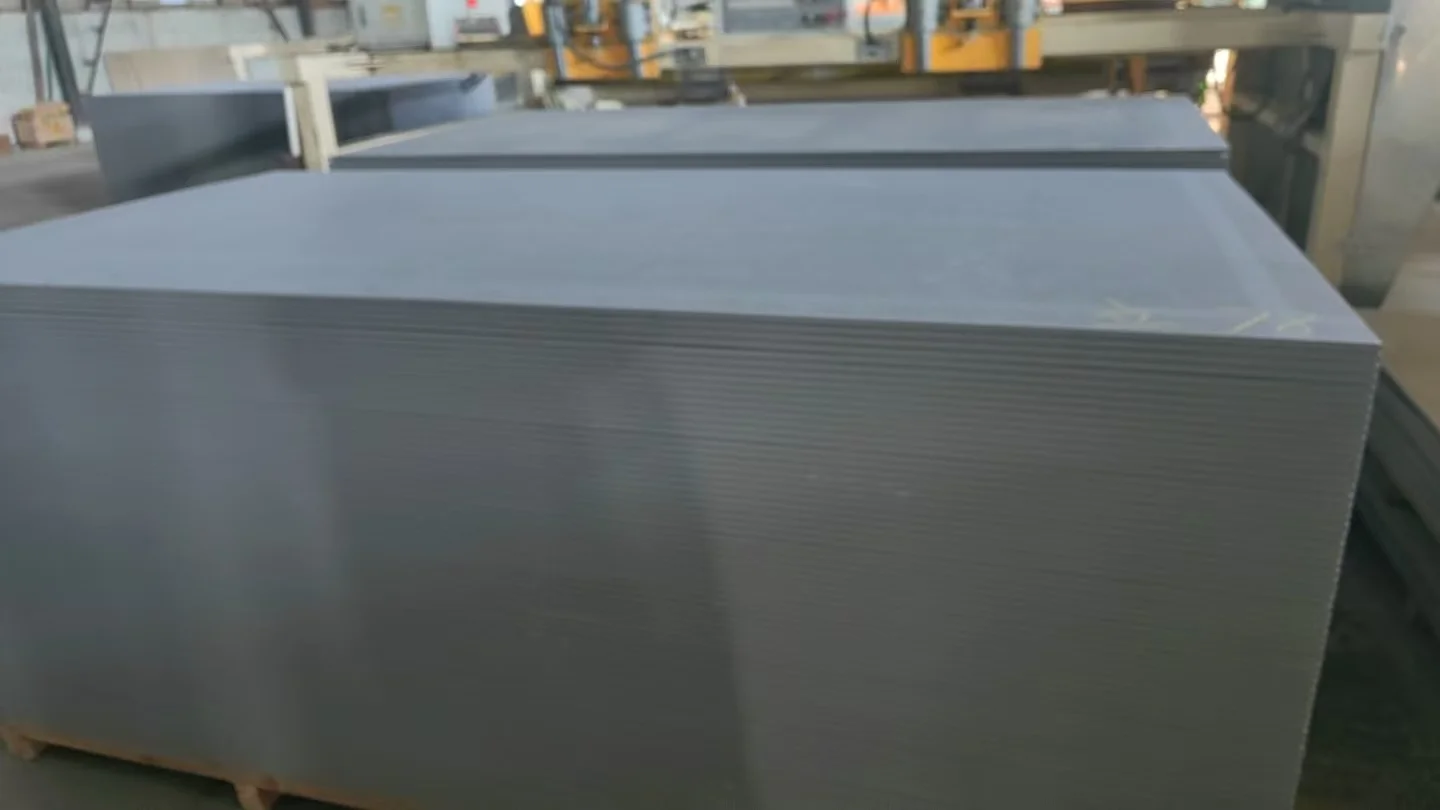
Fire Rating Performance Comparison
Direct comparison reveals significant performance differences between cement board and drywall systems.
| Performance Metric | Cement Board | Standard Drywall | Fire-Rated Drywall | Glass Fiber Drywall |
|---|---|---|---|---|
| Fire Rating Duration | 1-4 hours | 30-60 minutes | 60-120 minutes | 90-180 minutes |
| Maximum Temperature | 1200°C+ | 140°C calcination | 200°C degradation | 400°C stability |
| Structural Integrity | Excellent | Fair | Good | Good |
| Smoke Generation | Minimal | Moderate | Low | Low |
| Toxic Gas Emission | None | Water vapor | Minimal | Minimal |
Cement board provides superior performance across all fire safety metrics.
Temperature Performance Analysis
Material behavior under high-temperature exposure reveals critical performance differences.
| Temperature Range | Cement Board Response | Drywall Response | Structural Impact | Safety Implications |
|---|---|---|---|---|
| 20-100°C | No change | Minimal change | Stable | Normal operation |
| 100-200°C | Gradual moisture loss | Calcination begins | Minor expansion | Early warning stage |
| 200-500°C | Continued stability | Significant degradation | Structural compromise | Critical safety period |
| 500-1000°C | Maintained integrity | Complete breakdown | Failure imminent | Life safety risk |
| 1000°C+ | Slow degradation | Total failure | System collapse | Evacuation required |
Cement board maintains integrity well beyond drywall failure temperatures.
Why Use Cement Board Instead of Drywall?
Cement board offers superior moisture resistance, fire protection, impact resistance, and dimensional stability, making it essential for high-humidity areas, fire-rated assemblies, and applications requiring long-term durability.
Moisture resistance prevents mold and deterioration in bathrooms, kitchens, and exterior applications. Fire ratings 2-4 times longer than drywall provide enhanced life safety protection. Impact resistance exceeds drywall by 300-500% reducing damage from daily use. Dimensional stability eliminates seasonal movement preventing joint cracking and fastener pop. Chemical resistance handles harsh environments including pool areas and industrial applications.
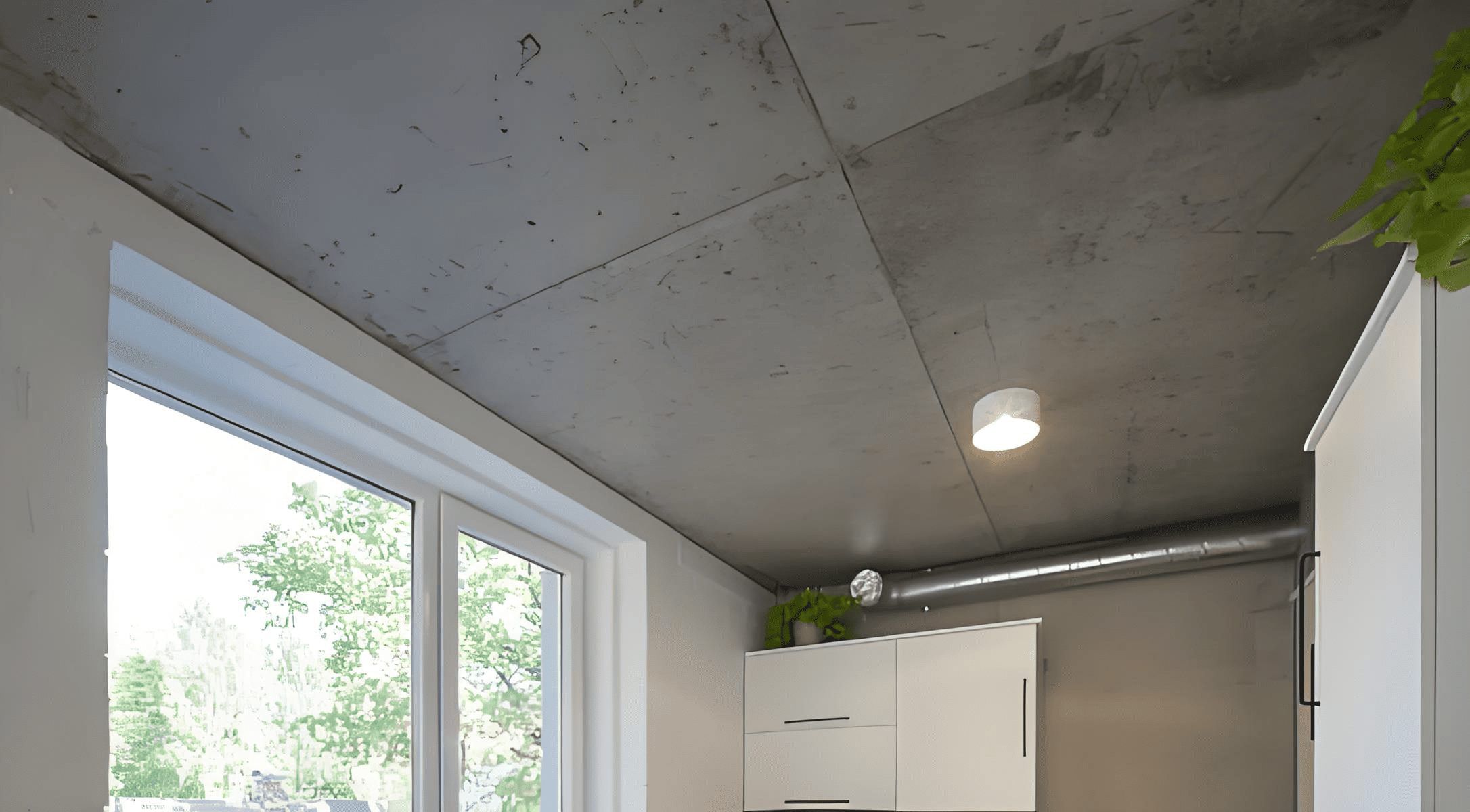
Application-Specific Advantages
Different applications reveal distinct performance advantages for cement board over drywall.
| Application Area | Primary Advantage | Performance Benefit | Cost Justification | Long-term Value |
|---|---|---|---|---|
| Wet Areas | Moisture immunity | No mold growth | Reduced maintenance | 10-20 year lifespan |
| Fire-Rated Walls | Extended fire resistance | Life safety protection | Insurance benefits | Code compliance |
| High-Traffic Areas | Impact resistance | Reduced repairs | Lower replacement cost | Durability premium |
| Exterior Sheathing | Weather resistance | Structural integrity | Energy efficiency | Building envelope |
| Industrial Facilities | Chemical resistance | Process compatibility | Operational reliability | Specialized performance |
Moisture resistance provides the most significant advantage in residential applications.
Performance Comparison Matrix
Comprehensive performance analysis across multiple criteria shows cement board advantages.
| Performance Factor | Cement Board Rating | Drywall Rating | Advantage Ratio | Critical Applications |
|---|---|---|---|---|
| Moisture Resistance | 9/10 | 3/10 | 3:1 advantage | Bathrooms, kitchens |
| Fire Resistance | 9/10 | 5/10 | 1.8:1 advantage | Fire walls, corridors |
| Impact Resistance | 8/10 | 4/10 | 2:1 advantage | Schools, hospitals |
| Dimensional Stability | 9/10 | 6/10 | 1.5:1 advantage | Climate variations |
| Installation Ease | 6/10 | 9/10 | Drywall advantage | Standard construction |
Moisture and fire resistance show the most dramatic performance advantages.
Cost-Benefit Analysis
Initial cost premiums are offset by long-term performance and maintenance benefits.
| Cost Factor | Cement Board | Drywall | Difference | Payback Period |
|---|---|---|---|---|
| Initial Material Cost | $1.50-3.00/sq ft | $0.50-1.00/sq ft | 2-3x higher | N/A |
| Installation Labor | 20-40% premium | Standard rates | Higher skilled | Immediate |
| Maintenance Costs | Minimal | Moderate to high | 60-80% savings | 2-5 years |
| Replacement Frequency | 20+ years | 10-15 years | Extended life | 10-15 years |
| Total Lifecycle Cost | Lower | Higher | 15-30% savings | 5-10 years |
Lifecycle cost analysis favors cement board in demanding applications.
How Fireproof is Cement Board?
Cement board is not technically fireproof but is non-combustible and fire-resistant, maintaining structural integrity for 1-4 hours at temperatures exceeding 1000°C while producing no smoke or toxic gases.
Non-combustible classification means will not ignite or contribute to fire spread. Fire resistance ratings of 1-4 hours depending on thickness and assembly design. Structural integrity maintained at 1200°C+ while slowly degrading without failure. Zero smoke generation and toxic gas emission throughout fire exposure duration. Endothermic decomposition absorbs heat energy providing additional fire protection benefits**.
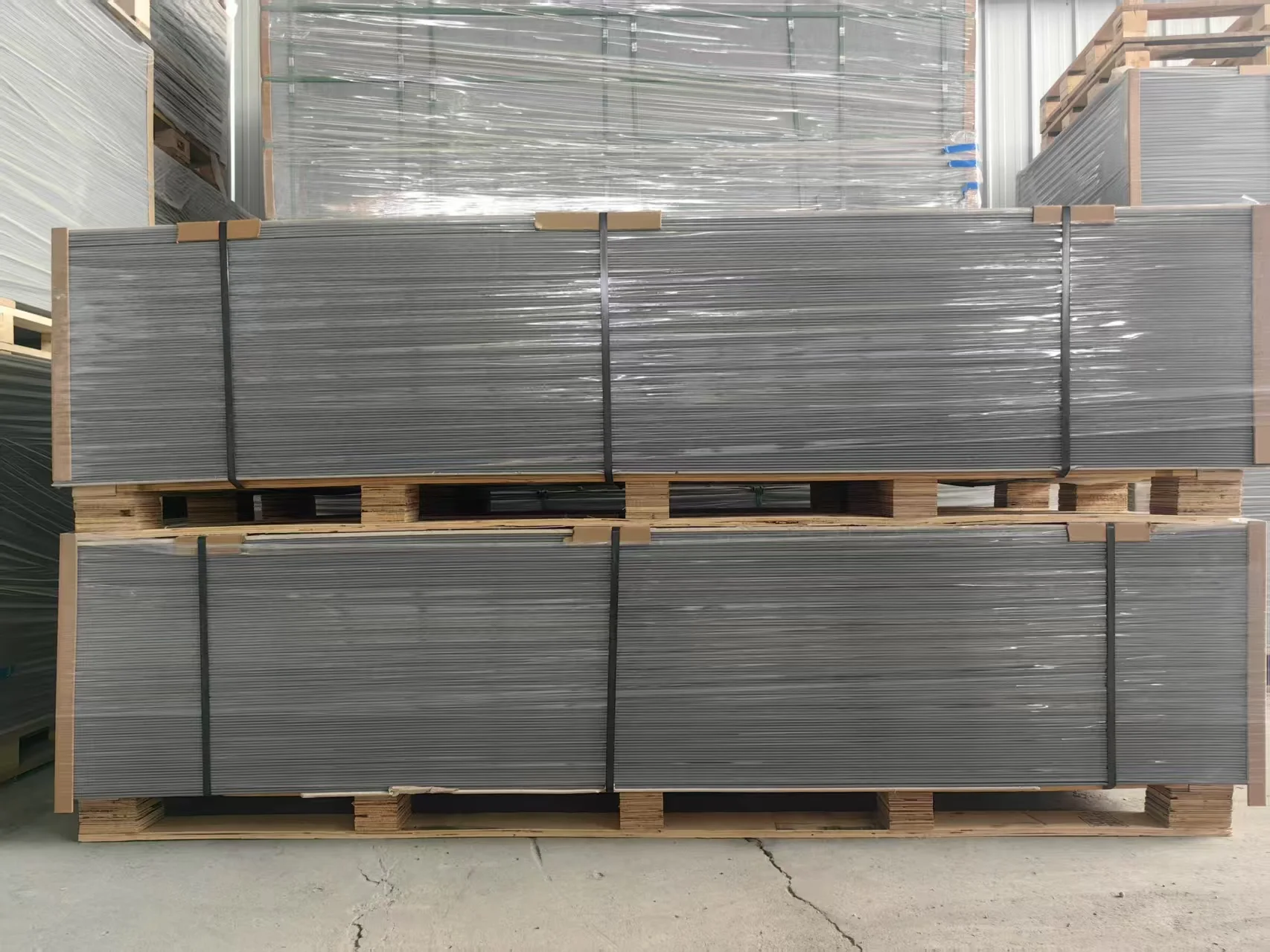
Fire Resistance Mechanisms
Multiple mechanisms contribute to cement board's exceptional fire resistance performance.
| Resistance Mechanism | Operating Principle | Temperature Range | Effectiveness | Duration |
|---|---|---|---|---|
| Non-Combustible Matrix | Inorganic materials | All temperatures | 100% effective | Indefinite |
| Thermal Mass | Heat absorption | 0-800°C | High effectiveness | 2-4 hours |
| Endothermic Reactions | Energy absorption | 400-800°C | Moderate effectiveness | 1-2 hours |
| Structural Stability | Maintained integrity | 0-1200°C | Excellent | 2-6 hours |
| Vapor Barrier Loss | Gradual degradation | 800°C+ | Declining effectiveness | Variable |
Non-combustible matrix provides the fundamental fire resistance characteristic.
Temperature Performance Stages
Cement board fire resistance progresses through distinct performance stages.
| Temperature Stage | Performance Characteristics | Structural Condition | Safety Status | Expected Duration |
|---|---|---|---|---|
| Ambient-200°C | Moisture evaporation | Full integrity | Normal operation | Hours to days |
| 200-400°C | Thermal expansion | Stable performance | Safe operation | 2-4 hours |
| 400-800°C | Chemical dehydration | Maintained strength | Fire resistance | 1-3 hours |
| 800-1000°C | Gradual degradation | Reduced strength | Protective function | 30-120 minutes |
| 1000°C+ | Slow deterioration | Progressive failure | Limited protection | 15-60 minutes |
400-800°C range represents optimal fire resistance performance.
Fire Rating Classifications
Various thickness and assembly configurations achieve different fire rating classifications.
| Board Thickness | Single Layer Rating | Double Layer Rating | Assembly Type | Code Applications |
|---|---|---|---|---|
| 6mm (1/4") | 30-60 minutes | 90-120 minutes | Interior partition | Residential |
| 9mm (3/8") | 60-90 minutes | 120-180 minutes | Fire barrier | Commercial |
| 12mm (1/2") | 90-120 minutes | 180-240 minutes | Fire wall | Industrial |
| 15mm (5/8") | 120-180 minutes | 240+ minutes | Structural fire | High-rise |
| Custom thickness | Variable ratings | Extended duration | Specialized | Critical facilities |
12mm thickness provides optimal balance of performance and cost for most applications.
Comparative Fire Safety Performance
Cement board fire safety characteristics compared to other common building materials.
| Material Type | Fire Rating | Smoke Generation | Toxic Emissions | Structural Integrity | Overall Fire Safety |
|---|---|---|---|---|---|
| Cement Board | 1-4 hours | None | None | Excellent | Superior |
| Gypsum Drywall | 30-120 minutes | Low | Water vapor only | Fair | Good |
| Plywood/OSB | 15-45 minutes | High | Toxic gases | Poor | Poor |
| Steel Studs | Non-combustible | None | None | Temperature dependent | Good |
| Concrete Block | 2-8 hours | None | None | Excellent | Superior |
Cement board matches concrete block for overall fire safety performance while offering easier installation.
Conclusion
Heat transfers through cement board with thermal conductivity of 0.25-0.45 W/mK showing moderate heat transfer resistance while providing better fire resistance through structural stability rather than thermal insulation alone. Cement board significantly outperforms drywall for fire ratings achieving 1-4 hour fire resistance compared to drywall's 30-60 minutes while maintaining structural integrity above 1000°C and producing no smoke or toxic emissions. Cement board advantages over drywall include superior moisture resistance preventing mold and deterioration plus impact resistance exceeding drywall by 300-500% and dimensional stability eliminating seasonal movement making it essential for high-humidity and fire-rated applications. Cement board is non-combustible and fire-resistant rather than technically fireproof with structural integrity maintained at 1200°C+ while endothermic decomposition absorbs heat energy providing additional protection benefits. Success with cement board applications requires understanding its role as a comprehensive building safety system rather than just fire protection, with optimal performance achieved through proper installation techniques and recognition that initial cost premiums are offset by superior long-term durability, reduced maintenance requirements, and enhanced life safety protection in demanding environments.
