




Does Fiber Cement Expand and Contract?
Yes, fiber cement expands and contracts slightly due to changes in temperature and humidity. This natural dimensional movement is minimal compared to wood, but it must be accounted for in design and installation. Expansion joints, proper gapping, and flexible sealants ensure panels remain stable and crack-free under seasonal variations.
Fiber cement boards experience micro expansion and contraction. This is normal, not a defect. The fibers absorb stress, keeping the panel’s shape stable. TRUSUS fiber cement panels maintain dimensional balance through low-absorption fiber formulas and controlled curing.
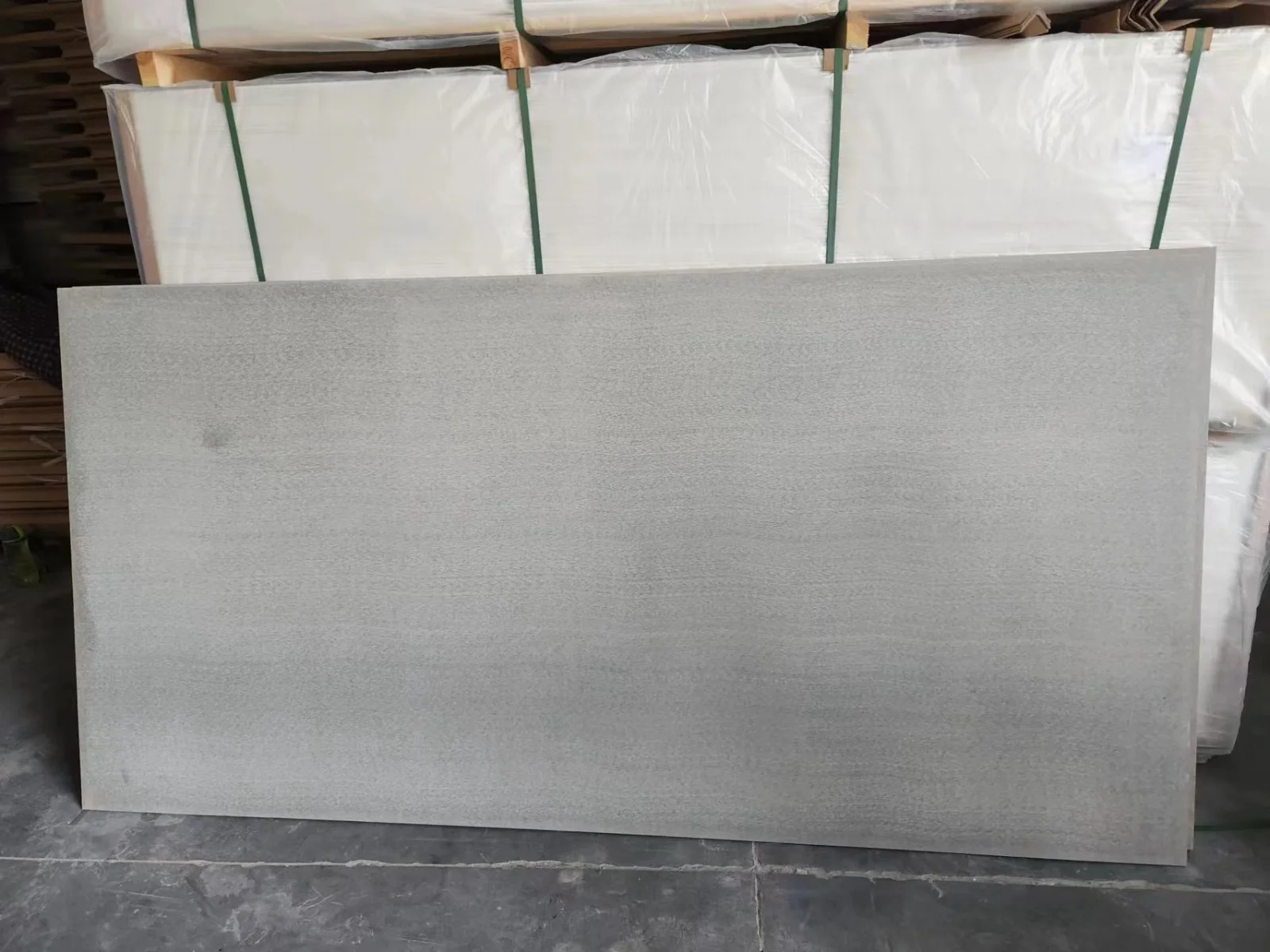
From my factory tests, a typical fiber cement board changes less than 0.05% in length across temperature shifts, meaning a 3 m panel expands by only about 1.5 mm—negligible if proper gaps are left.
Does Fibre Cement Warp?
No, fiber cement does not warp under normal conditions when installed correctly. Warping may occur only when panels absorb moisture unevenly or are improperly stored or fixed. With balanced curing and accurate spacing, fiber cement boards stay flat and dimensionally reliable for decades.
Warping happens only with poor handling or uneven moisture exposure. High-density TRUSUS boards resist bending and surface distortion even under humid cycles. Proper acclimation before installation prevents any form of warpage.
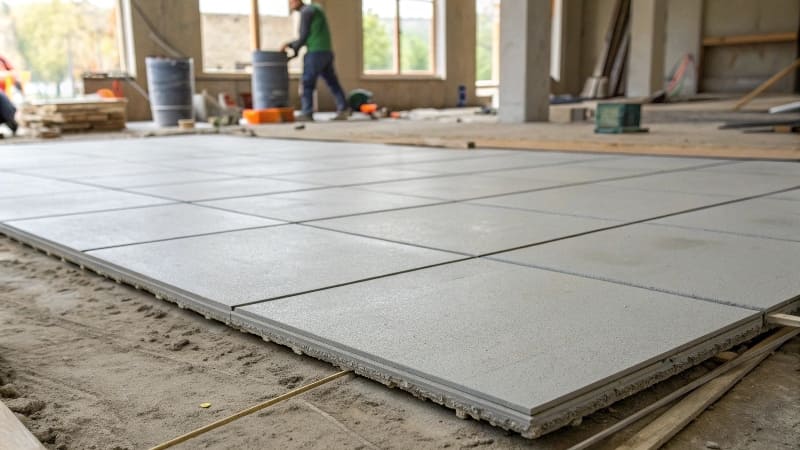
Anti-Warping Design Factors
| Cause | Prevention | Result |
|---|---|---|
| Moisture imbalance | Equalize moisture before install | Stable panel geometry |
| Improper fixing | Use expansion joints and correct screws | No bending stress |
| Poor ventilation | Leave air gap behind cladding | Moisture escape path |
| Unsealed edges | Apply edge sealer | No water absorption |
| Non-level structure | Level substrate and frame | Even loading |
Warp resistance comes from consistent moisture management and proper installation handling.
Storage and Installation Tips
| Stage | Action | Benefit |
|---|---|---|
| Storage | Keep panels dry, flat, shaded | Avoid pre-install distortion |
| Acclimation | 48 h exposure to site environment | Material moisture balance |
| Fixing | Use stainless or coated screws | Long-term integrity |
| Finishing | Apply paint or sealer | Surface protection |
Correct procedure ensures long-term surface flatness.
How to Waterproof Fiber Cement?
To waterproof fiber cement, apply a breathable sealer or elastomeric coating that allows vapor escape while preventing water absorption. Joint sealing, edge treatment, and back coating improve total water resistance. In high-moisture areas like bathrooms or facades, combine coatings with flashing or vapor barriers.
Waterproofing is a multi-layer system, not just a coating. TRUSUS waterproof solutions use silicone-based surface sealers, edge treatment, and integrated joint systems for durable performance in wet environments.
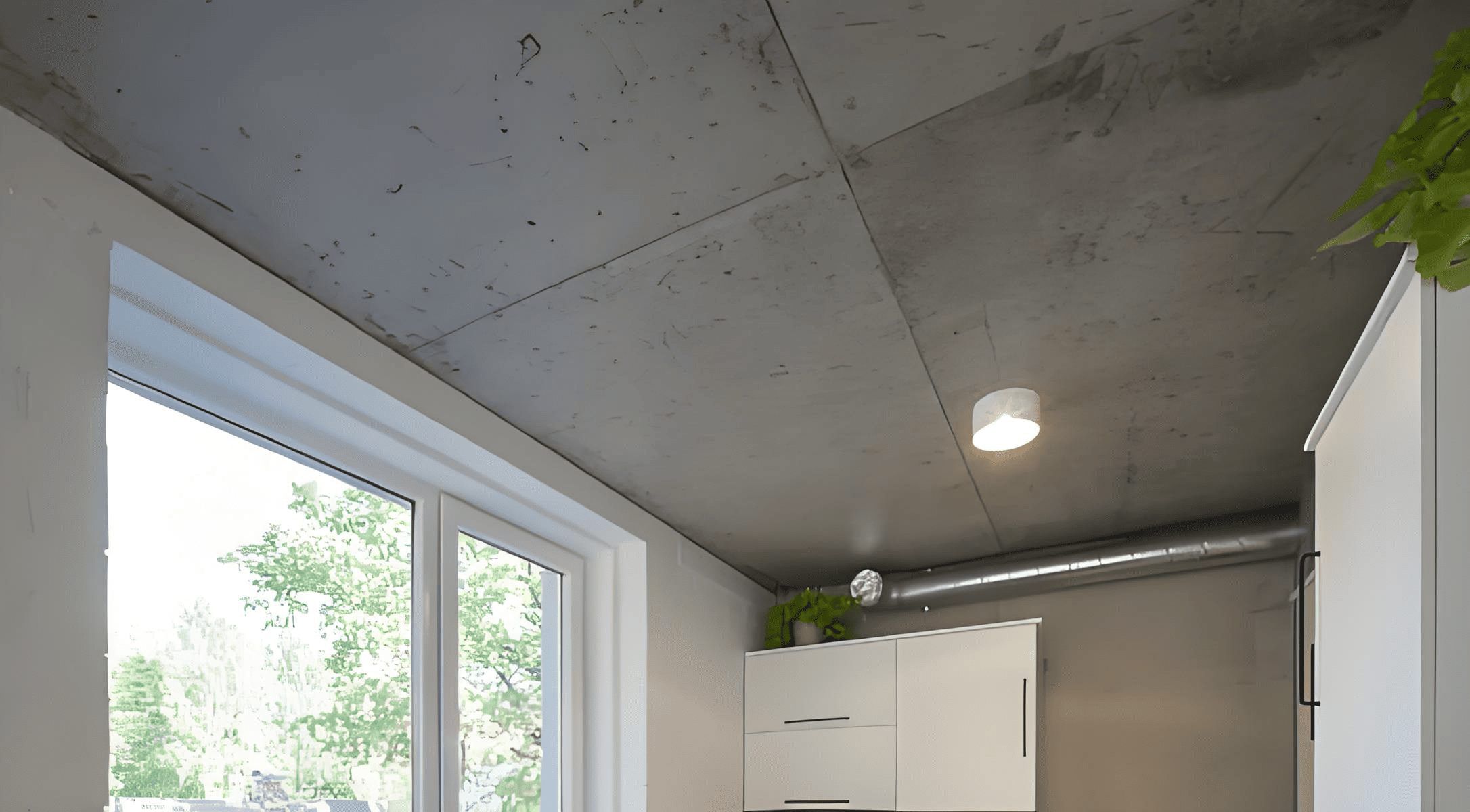
Waterproofing Steps
| Step | Method | Material | Function |
|---|---|---|---|
| 1. Surface sealing | Apply two coats | Acrylic or silicone sealer | Blocks moisture entry |
| 2. Edge treatment | Seal edges before painting | Polyurethane sealant | Keeps moisture out |
| 3. Joint protection | Flexible caulking | Hybrid sealant | Absorbs expansion |
| 4. Back coating | Optional primer | Vapor-permeable coat | Prevents internal rot |
| 5. Top layer finish | Paint or tile system | Weather-safe | Aesthetic waterproof protection |
True waterproof fiber cement allows moisture breathing while remaining liquid-tight.
Common Waterproofing Errors
| Mistake | Effect | Fix |
|---|---|---|
| Sealing both sides airtight | Traps moisture | Use breathable coat |
| Skipping edge sealing | Capillary absorption | Always prime cut edges |
| No joint flexibility | Crack lines | Use flexible filler |
| Single coat system | Peeling or leakage | Apply multilayer protection |
Balanced sealing ensures protection without trapping humidity.
What Does Coca-Cola Do for Concrete?
Coca-Cola doesn’t strengthen or clean concrete effectively. Its mild acidity (from phosphoric acid) can dissolve surface minerals or light rust, making it occasionally useful for stain removal but not suitable for consistent maintenance. For concrete cleaning, neutral or alkaline cleaners are safer and more effective.
Coca-Cola can loosen minor dirt or rust due to its acidic content, but repeated use damages surface finish. TRUSUS recommends neutral pH cleaning products for fiber cement or concrete surfaces to protect long-term performance.
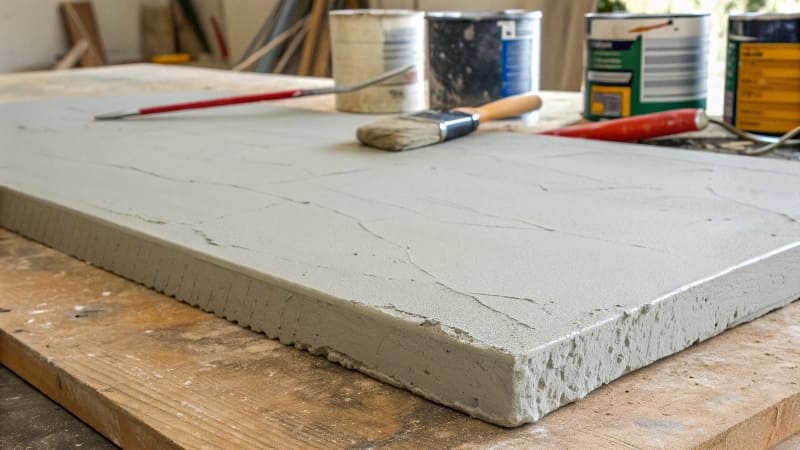
Why Chemical Caution Matters
| Aspect | Risk | Solution |
|---|---|---|
| Surface roughness | Erosion from acids | Use neutral cleaners |
| Color fading | Reaction with coating | pH-balanced maintenance |
| Fiber exposure | Acid dissolves bond | Use protective sealant |
| Structural fatigue | Repeated chemical contact | Regular rinsing & resealing |
Gentle cleaning methods safeguard the integrity of cement-based materials over years of use.
Conclusion
Fiber cement gently expands and contracts under climate change and stays stable when installed with proper joints. It doesn’t warp if properly handled and ventilated. For waterproofing, integrate surface sealers, flexible joints, and edge coatings to ensure breathable protection. While Coca-Cola may clean stains, it deteriorates surfaces over time. For sustainable performance, TRUSUS prioritize environment-compatible formulations, moisture control, and material resilience—turning a once rigid board into a dynamic, weather-adaptive building solution that protects structure and comfort alike.
