



Does Fiber Cement Board Shrink In Desert Heat?
Fiber cement board does not usually shrink dramatically in desert heat, but it does expand and contract slightly due to temperature and moisture changes. Proper installation spacing and flexible joint design are critical for long-term stability in extreme climates.
TRUSUS climate insight: desert performance is not about stopping movement completely. It is about designing systems that allow controlled movement safely.
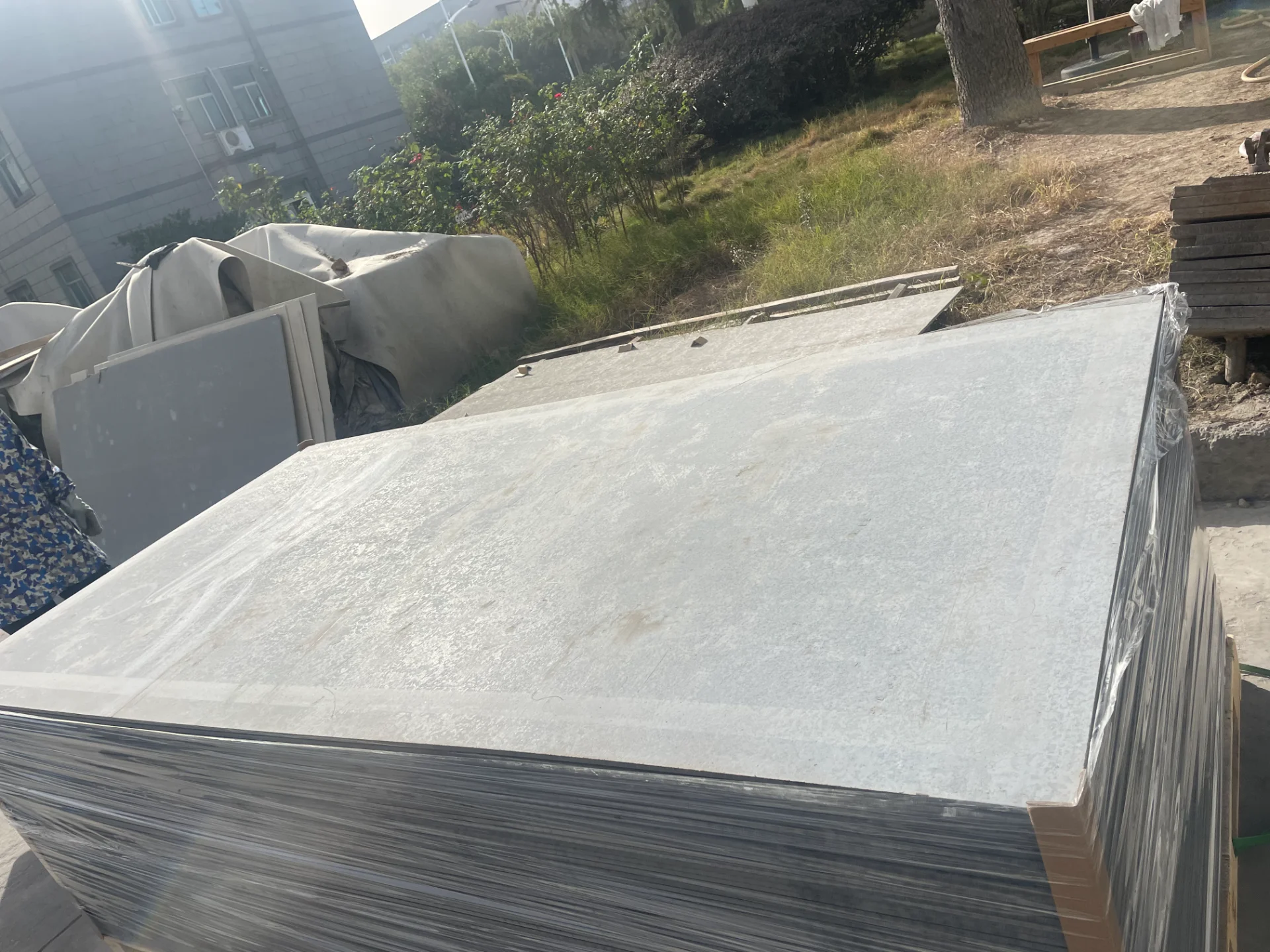
Many people assume fiber cement behaves like metal or wood.
In reality, its thermal movement is smaller and more stable.
But desert environments create unique stress conditions because temperatures can change rapidly between day and night.
How Desert Heat Affects Fiber Cement Board
| Environmental Factor | Material Response |
|---|---|
| Intense daytime heat | Thermal expansion |
| Cold nighttime temperatures | Contraction |
| Low humidity | Moisture reduction |
| UV exposure | Surface aging stress |
These movement cycles repeat continuously over many years.
Why Fiber Cement Performs Better Than Wood
| Material | Movement Stability |
|---|---|
| Solid wood | High movement |
| Steel panels | High thermal expansion |
| Vinyl siding | Significant expansion |
| Fiber cement board | Moderate stability |
Fiber cement remains dimensionally stable because of its mineral composition.
Still, no rigid cladding system is completely movement-free.
Common Desert Installation Risks
| Installation Issue | Result |
|---|---|
| Tight joints | Cracking pressure |
| Rigid fastening | Stress buildup |
| Incompatible sealants | Joint separation |
| Poor ventilation | Heat accumulation |
One important lesson I learned from desert-region projects is that failure often happens at joints first, not at the board surface itself.
Smart Climate-Adaptive Design Strategies
| Strategy | Purpose |
|---|---|
| Expansion gaps | Relieve movement stress |
| Flexible sealants | Allow joint movement |
| Ventilated rainscreens | Reduce heat buildup |
| Floating attachment systems | Improve flexibility |
The future of exterior wall systems depends less on resisting nature and more on adapting intelligently to environmental movement.
How To Manage Expansion Gaps In Cement Board?
Expansion gaps in cement board should be designed according to climate conditions, board dimensions, and system movement expectations to prevent cracking and joint failure. Most installations require controlled spacing combined with flexible sealant systems.
TRUSUS installation insight: expansion gaps are not installation imperfections. They are engineered movement-control zones.
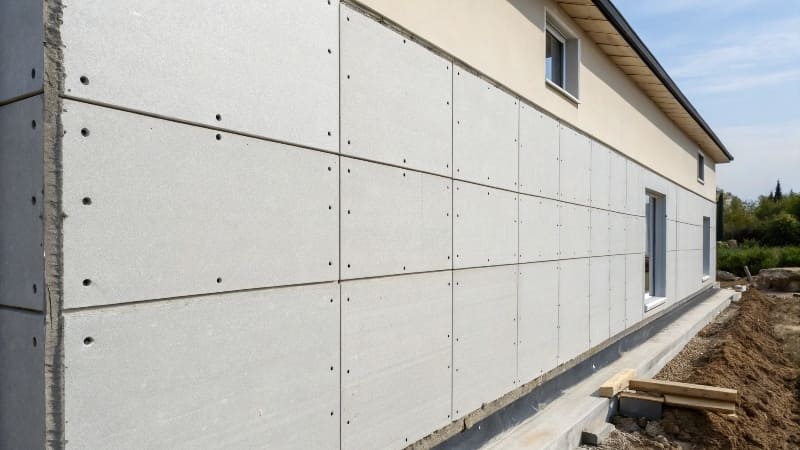
Many installation problems come from misunderstanding joint spacing.
Some installers try to minimize visible gaps for appearance reasons.
But tightly compressed panels often create larger failures later.
Why Expansion Gaps Matter
| Movement Source | Effect On Board |
|---|---|
| Temperature swings | Expansion and contraction |
| Moisture variation | Dimensional change |
| Structural movement | Joint stress |
| Wind loading | Panel flexing |
Expansion gaps absorb these movements safely.
Typical Gap Recommendations
| Application Type | Typical Gap Range |
|---|---|
| Exterior siding panels | 3–6 mm |
| Large facade systems | Larger engineered joints |
| High-temperature climates | Increased spacing |
| Freeze-thaw climates | Flexible movement joints |
Exact requirements depend on manufacturer specifications and local conditions.
Common Joint Failure Causes
| Failure Cause | Result |
|---|---|
| Insufficient gap width | Panel cracking |
| Wrong sealant selection | Joint separation |
| Over-fastening panels | Stress concentration |
| Missing control joints | Large-scale movement damage |
In large commercial facades, thermal movement becomes much more significant.
Modern Expansion Joint Design Approaches
| System Feature | Benefit |
|---|---|
| Flexible subframes | Reduced stress transfer |
| Ventilated cavity systems | Better moisture control |
| Elastic fastening systems | Improved movement tolerance |
| Multi-stage joint sealing | Long-term durability |
I often explain to customers that buildings naturally move every day.
Good design accepts movement instead of fighting it.
Why Climate-Specific Design Matters
| Climate Type | Joint Design Priority |
|---|---|
| Desert regions | Thermal movement |
| Coastal regions | Salt and moisture resistance |
| Cold climates | Freeze-thaw durability |
| Tropical climates | Humidity control |
Climate-adaptive detailing has become one of the most important factors in modern facade engineering.
Does Winter Ice Damage Fiber Cement Board Joints?
Winter ice can damage fiber cement board joints if water enters the joint system and freezes repeatedly. Freeze-thaw cycling may cause cracking, sealant failure, and gradual joint separation when drainage and sealing are inadequate.
TRUSUS durability insight: most winter joint failures happen because water management fails before the board itself fails.
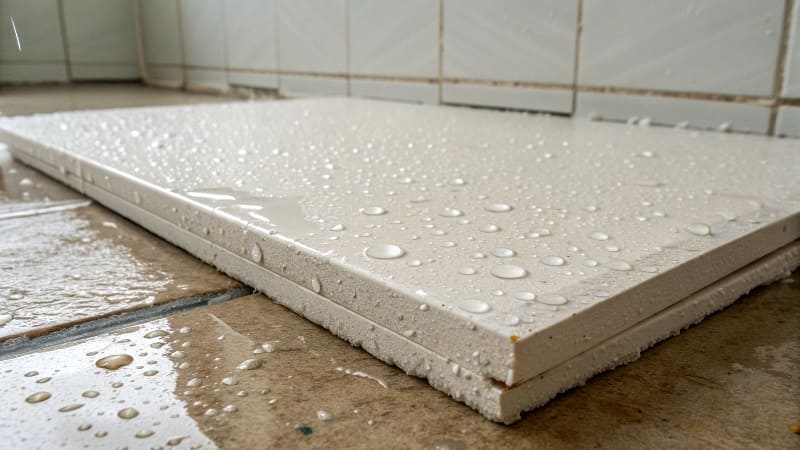
Fiber cement itself is highly durable in cold climates.
But joints remain the most vulnerable area in any cladding system.
How Freeze-Thaw Damage Develops
| Process Stage | Result |
|---|---|
| Water enters joint | Moisture accumulation |
| Freezing occurs | Expansion pressure |
| Ice expands repeatedly | Joint stress |
| Sealant weakens | Water penetration increases |
This cycle can continue for many seasons.
Common Winter Joint Problems
| Problem | Typical Cause |
|---|---|
| Cracked sealant | Low flexibility |
| Joint opening | Thermal movement |
| Edge chipping | Ice pressure |
| Water infiltration | Failed flashing |
The combination of moisture and temperature fluctuation is especially aggressive.
Best Practices For Cold Climate Durability
| Solution | Benefit |
|---|---|
| High-performance sealants | Better flexibility |
| Proper flashing systems | Water control |
| Ventilated assemblies | Faster drying |
| Drainage detailing | Reduced water retention |
I have seen projects survive extreme winters successfully for decades when moisture management was designed properly from the beginning.
Why Joint Design Matters More Than Board Strength
| System Area | Failure Risk |
|---|---|
| Board surface | Lower |
| Joint intersections | Higher |
| Fastener penetrations | Moderate |
| Horizontal seams | Higher moisture exposure |
Modern facade engineering increasingly focuses on “water management layers” instead of relying only on material strength.
Climate Resilience Approach
| Traditional Thinking | Modern Thinking |
|---|---|
| Prevent all movement | Manage controlled movement |
| Rigid sealing | Flexible systems |
| Material-only focus | Full assembly performance |
Buildings that survive harsh winters successfully are usually designed as adaptive systems rather than rigid barriers.
Best Sealant For Extreme Temp Fiber Cement Board?
The best sealants for extreme-temperature fiber cement board applications are high-performance elastomeric sealants such as polyurethane, hybrid polymer, or high-grade silicone systems designed for large movement capability. Sealant flexibility and adhesion stability are more important than hardness alone.
TRUSUS sealant insight: the wrong sealant often causes failure even when the fiber cement board itself remains structurally stable.
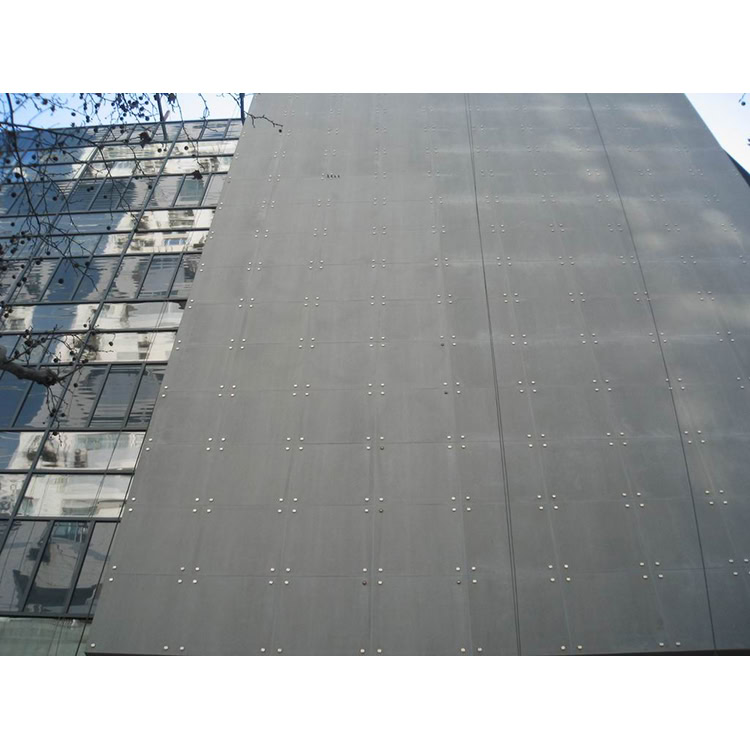
Sealants are one of the most underestimated parts of exterior wall systems.
Yet joints experience the highest movement stress in extreme climates.
Important Sealant Performance Requirements
| Requirement | Why It Matters |
|---|---|
| Elastic movement capability | Handles expansion cycles |
| UV resistance | Prevents aging |
| Moisture resistance | Protects joints |
| Adhesion stability | Maintains long-term sealing |
| Temperature flexibility | Reduces cracking risk |
Rigid sealants often fail first in climates with large temperature swings.
Common Sealant Types
| Sealant Type | Performance |
|---|---|
| Acrylic caulk | Basic interior use |
| Polyurethane | Strong flexibility |
| Silicone | Excellent weather resistance |
| Hybrid polymer | Balanced durability |
Hybrid technologies are becoming more popular because they combine flexibility with strong adhesion.
Sealant Failure Causes
| Cause | Result |
|---|---|
| Poor surface preparation | Adhesion loss |
| Wrong joint size | Excessive stress |
| Incompatible materials | Premature failure |
| UV degradation | Surface cracking |
One major issue is thermal compatibility.
Sealants and fiber cement boards must move together without separating.
Proper Sealant System Design
| Design Element | Function |
|---|---|
| Backer rod | Controls joint depth |
| Flexible sealant | Absorbs movement |
| Clean substrate | Improves adhesion |
| Proper joint width | Allows expansion |
In harsh climates, sealants should be viewed as active movement-management components rather than decorative fillers.
Future Direction In Climate-Resilient Facades
| Innovation Area | Goal |
|---|---|
| Adaptive joint systems | Greater flexibility |
| Smart materials | Self-adjusting performance |
| Advanced weather barriers | Better moisture control |
| Long-life sealants | Reduced maintenance cycles |
The industry is moving toward facade systems that respond dynamically to climate stress instead of resisting it rigidly.
Conclusion
At TRUSUS, I see fiber cement performance in extreme climates as a system-level challenge, not only a material question. Long-term success depends on adaptive design, movement management, moisture control, and climate-responsive detailing working together.