



Does Fiber Cement Board Help Prevent Thermal Bridging?
Fiber cement board can help reduce thermal bridging when used as part of a properly designed wall assembly, but the board itself is not a high-performance thermal break material. Its real value comes from protecting insulation layers and supporting continuous exterior insulation systems.
TRUSUS thermal insight: fiber cement board is no longer evaluated only as a decorative cladding panel. It is increasingly judged by how well it supports whole-building energy performance.
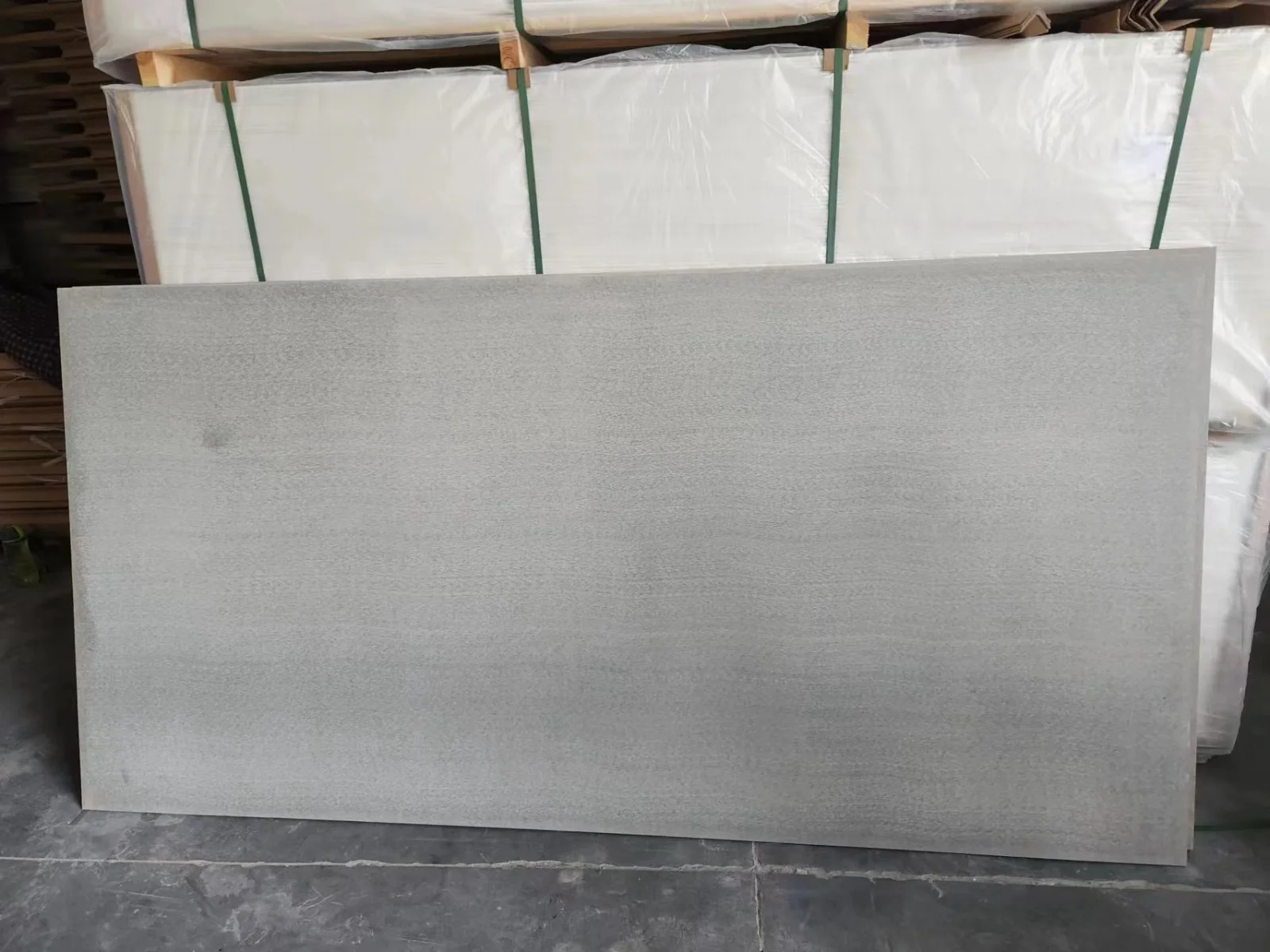
Modern building standards place much greater attention on thermal efficiency.
As a result, wall systems are now evaluated as complete energy systems instead of isolated materials.
What Causes Thermal Bridging
| Thermal Bridge Source | Energy Impact |
|---|---|
| Steel framing | Heat transfer increase |
| Concrete connections | Thermal leakage |
| Poor insulation continuity | Higher energy loss |
Thermal bridges reduce overall building efficiency.
How Fiber Cement Board Supports Thermal Control
| Fiber Cement Function | Thermal Benefit |
|---|---|
| Exterior protective layer | Shields insulation |
| Weather barrier support | Reduces moisture intrusion |
| Continuous cladding compatibility | Improves insulation continuity |
The board works best as part of a layered wall system.
Why Fiber Cement Alone Is Not A Thermal Break
| Material Characteristic | Thermal Result |
|---|---|
| Moderate thermal conductivity | Limited insulation value |
| Dense cement structure | Heat transfer still possible |
Fiber cement board is durable, but it is not a substitute for dedicated insulation.
Best System Combinations
| Combined Material | System Benefit |
|---|---|
| Mineral wool insulation | Better fire and thermal performance |
| Continuous rigid insulation | Reduced thermal bridging |
| Ventilated rain screen cavity | Moisture and heat management |
Integrated assemblies produce much stronger thermal results.
Why Thermal Bridging Matters More Today
| Traditional Building Focus | Modern Energy-Efficient Building Focus |
|---|---|
| Structural durability | Whole-building energy control |
| Basic weather protection | Thermal continuity |
| Material-level evaluation | System-level evaluation |
Energy regulations are becoming stricter across global construction markets.
The Industry Shift Behind Thermal Questions
| Traditional Cement Board Market | Emerging Energy Performance Market |
|---|---|
| Appearance-focused selection | Energy-focused specification |
| Independent product supply | Integrated wall system solutions |
| Basic compliance standards | Net-zero performance goals |
I believe thermal performance discussions will increasingly shape the future of exterior wall materials.
What Is The U-Value Of A Standard Fiber Cement Board Wall?
A standard fiber cement board wall without added insulation usually has a U-value between approximately 2.5 and 4.0 W/m²K, depending on thickness and wall assembly design. This level alone does not meet most modern energy-efficiency standards for exterior walls.
TRUSUS building envelope insight: U-value evaluation is changing how customers judge construction materials and wall systems.
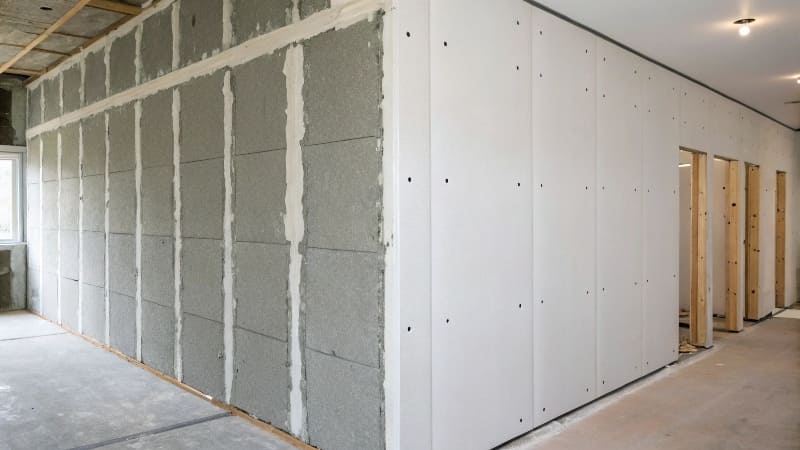
Many clients now ask about thermal calculations before discussing appearance or finish options.
This represents a major shift in building material priorities.
What A U-Value Measures
| U-Value Factor | Meaning |
|---|---|
| Lower U-value | Better insulation performance |
| Higher U-value | More heat transfer |
Modern energy-efficient buildings aim for lower U-values.
Typical Fiber Cement Wall Performance
| Wall Assembly Type | Approximate U-Value |
|---|---|
| Fiber cement board only | 2.5–4.0 W/m²K |
| Fiber cement + insulation | 0.2–0.5 W/m²K |
Insulation layers dramatically improve wall performance.
Factors Affecting U-Value
| Design Variable | Impact |
|---|---|
| Insulation thickness | Major thermal improvement |
| Framing material | Thermal bridge influence |
| Air cavity design | Moisture and heat management |
Complete wall assembly design matters more than board thickness alone.
Why Standalone Fiber Cement Walls Are Limited
| Limitation | Thermal Consequence |
|---|---|
| Dense cement composition | Moderate heat transfer |
| Thin board thickness | Limited thermal resistance |
Fiber cement board mainly contributes protection and stability.
Why Building Codes Are Driving Change
| Older Construction Standards | Modern Energy Codes |
|---|---|
| Basic thermal expectations | High-performance envelopes |
| Limited insulation requirements | Near-zero energy targets |
| Product-based approvals | Whole-building energy modeling |
Energy regulations are reshaping material specification practices.
The Market Transition Happening Now
| Traditional Product Selling | Performance-Based Building Systems |
|---|---|
| Material-focused decisions | Energy-performance decisions |
| Simple wall assemblies | Multi-layer engineered envelopes |
| Lowest-cost competition | Lifecycle efficiency competition |
I increasingly see architects and engineers discussing wall systems in terms of long-term energy performance rather than initial material price.
Can Cement Board Improve A Building's Overall R-Value?
Fiber cement board can slightly contribute to a building’s overall R-value, but its primary role is to support insulation systems rather than provide strong insulation itself. The biggest R-value improvements come from integrated wall assemblies using continuous insulation and thermal break strategies.
TRUSUS insulation insight: modern wall systems depend on cooperation between materials, not on one material solving every thermal challenge alone.
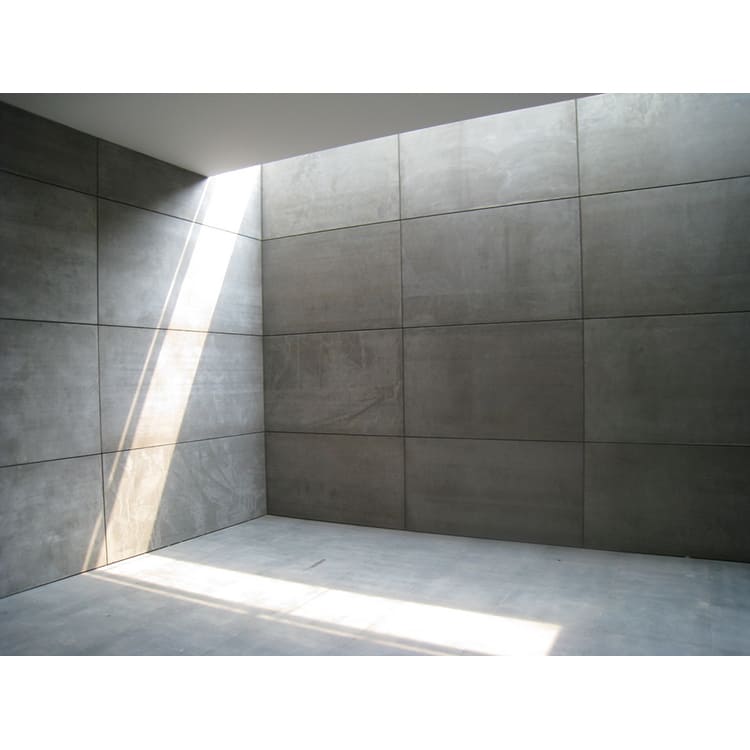
Energy-efficient construction increasingly focuses on total system performance.
Single-material thinking is becoming outdated.
What R-Value Means
| R-Value Principle | Result |
|---|---|
| Higher R-value | Better thermal resistance |
| Lower R-value | Faster heat transfer |
R-value measures resistance to heat flow.
Fiber Cement Board Contribution
| Material Property | Thermal Effect |
|---|---|
| Dense structure | Limited insulation |
| Weather resistance | Protects insulation layer |
| Stable cladding support | Improves system durability |
Fiber cement board helps preserve insulation performance over time.
Most Effective Ways To Improve Overall R-Value
| System Strategy | Thermal Benefit |
|---|---|
| Exterior continuous insulation | Reduced heat loss |
| Thermal break framing | Lower thermal bridging |
| Ventilated facade systems | Better moisture control |
Whole-wall design strongly affects thermal efficiency.
Why Continuous Insulation Is Important
| Interrupted Insulation | Problem |
|---|---|
| Exposed framing | Heat transfer increase |
| Poor sealing | Energy leakage |
Continuous insulation minimizes weak thermal zones.
Why Clients Are Asking More About R-Value
| Traditional Building Expectations | Modern Sustainability Expectations |
|---|---|
| Basic indoor comfort | Energy optimization |
| Code minimum performance | Carbon reduction goals |
| Material durability focus | Whole-building efficiency focus |
Sustainability goals are influencing every stage of construction design.
The Technical Evolution Of Fiber Cement Systems
| Older Fiber Cement Applications | Emerging High-Performance Systems |
|---|---|
| Decorative cladding only | Integrated thermal envelope systems |
| Independent panel installation | Engineered facade assemblies |
| Static building skins | Active energy-management layers |
I see fiber cement board gradually becoming part of advanced energy-efficient facade systems rather than remaining only a protective surface material.
Is Fiber Cement Board Effective For Exterior Insulation Systems?
Yes, fiber cement board is highly effective as a protective and finishing layer in exterior insulation systems because it provides durability, weather resistance, fire performance, and design flexibility. However, the insulation itself must still come from dedicated thermal materials behind the board.
TRUSUS facade insight: fiber cement board succeeds in exterior insulation systems because it strengthens the overall building envelope instead of acting as insulation alone.
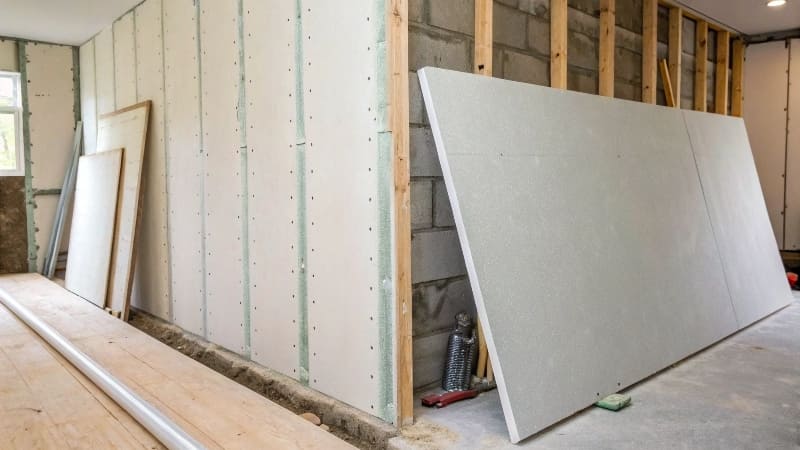
Exterior insulation systems are becoming increasingly important in energy-efficient architecture.
Building envelopes now carry more responsibility for thermal performance than ever before.
Main Roles In Exterior Insulation Systems
| Fiber Cement Role | System Benefit |
|---|---|
| Exterior protection | Shields insulation from weather |
| Fire-resistant layer | Improved building safety |
| Decorative facade finish | Design flexibility |
The board functions as both protection and appearance layer.
Typical Exterior Insulation Components
| System Component | Main Function |
|---|---|
| Fiber cement cladding | Exterior durability |
| Continuous insulation | Thermal resistance |
| Air barrier membrane | Moisture control |
| Ventilated cavity | Drainage and airflow |
Modern wall systems rely on layered performance.
Why Fiber Cement Works Well Outdoors
| Outdoor Performance Feature | Benefit |
|---|---|
| Moisture resistance | Reduced swelling |
| UV durability | Longer appearance stability |
| Fire resistance | Better code compliance |
Exterior durability remains one of the material’s strongest advantages.
Installation Quality Matters
| Poor Installation Practice | Possible Risk |
|---|---|
| Improper fastening | Structural movement |
| Missing ventilation gaps | Moisture accumulation |
| Weak joint sealing | Water intrusion |
System design and installation quality directly affect long-term performance.
Why Exterior Insulation Is Growing Globally
| Earlier Construction Models | Modern Energy-Efficient Construction |
|---|---|
| Interior-focused insulation | Exterior continuous insulation |
| Higher thermal leakage | Better envelope continuity |
| Limited facade function | Multi-functional facade systems |
Governments increasingly support high-performance building envelopes.
The Future Direction Of Fiber Cement Technology
| Traditional Fiber Cement Market | Future High-Performance Building Market |
|---|---|
| Decorative panel manufacturing | Integrated facade engineering |
| Basic weather protection | Energy and sustainability systems |
| Standardized products | Customized performance assemblies |
I believe the future of fiber cement board will depend heavily on how well it integrates into next-generation energy-efficient building systems.
Conclusion
At TRUSUS, I see fiber cement board evolving from a simple facade material into an important component of high-performance building envelope systems. Its future value will increasingly depend on how effectively it supports energy efficiency, thermal continuity, and sustainable construction goals.