




Does Fiber Cement Board Attract Termites?
When customers ask about termite resistance, they're often surprised to learn how fiber cement board naturally repels these pests.
Fiber cement board does not attract termites because it contains no organic cellulose materials that termites consume. The board consists of cement, sand, and synthetic or mineral fibers—materials that provide no nutritional value to termites.
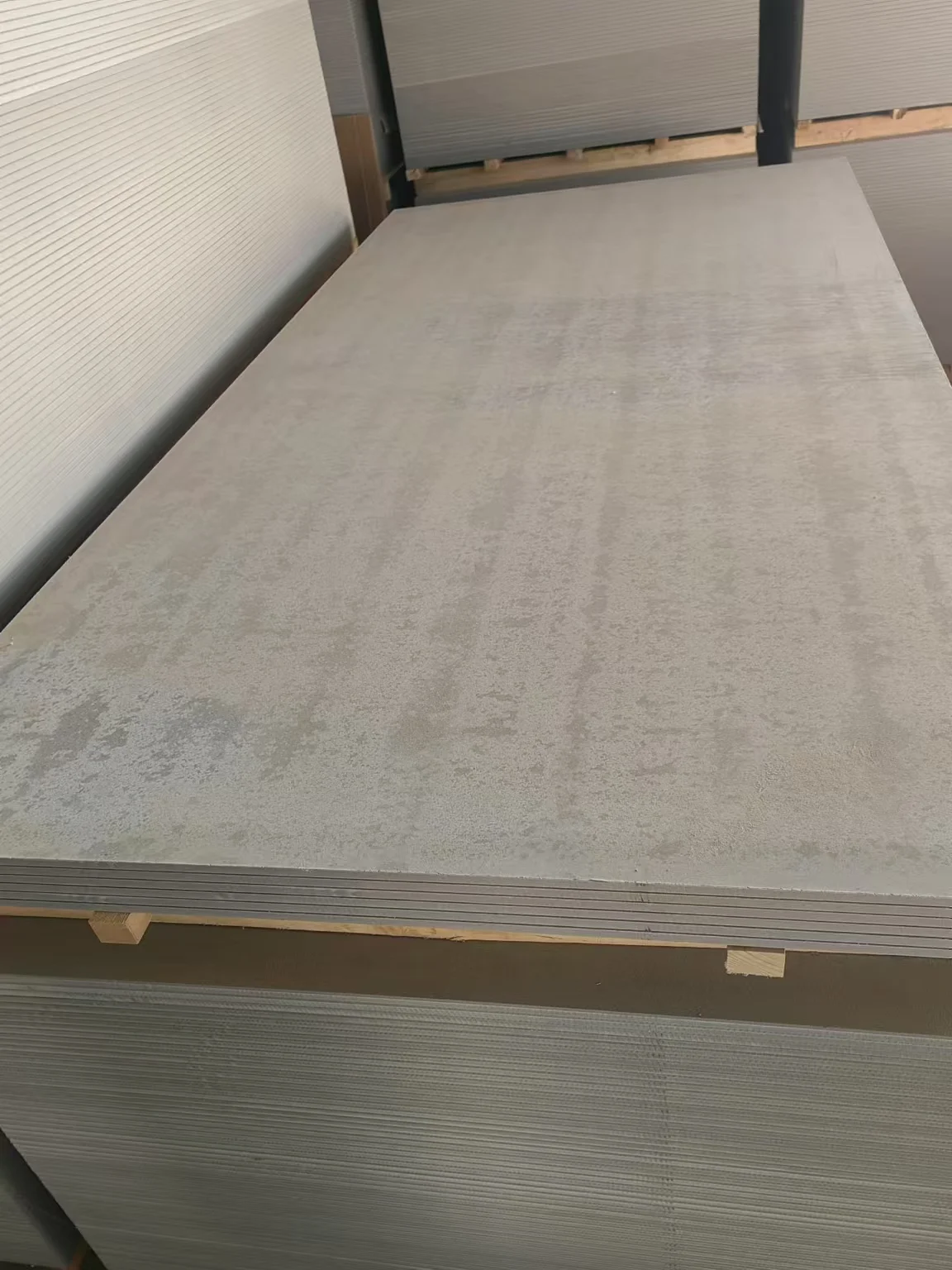
From years in the building materials industry, I've learned that termite resistance is one of fiber cement board's most valuable but underappreciated benefits for long-term building protection.
Do Termites Eat Fiber Cement Board?
Understanding termite feeding behavior clarifies why fiber cement board provides natural protection.
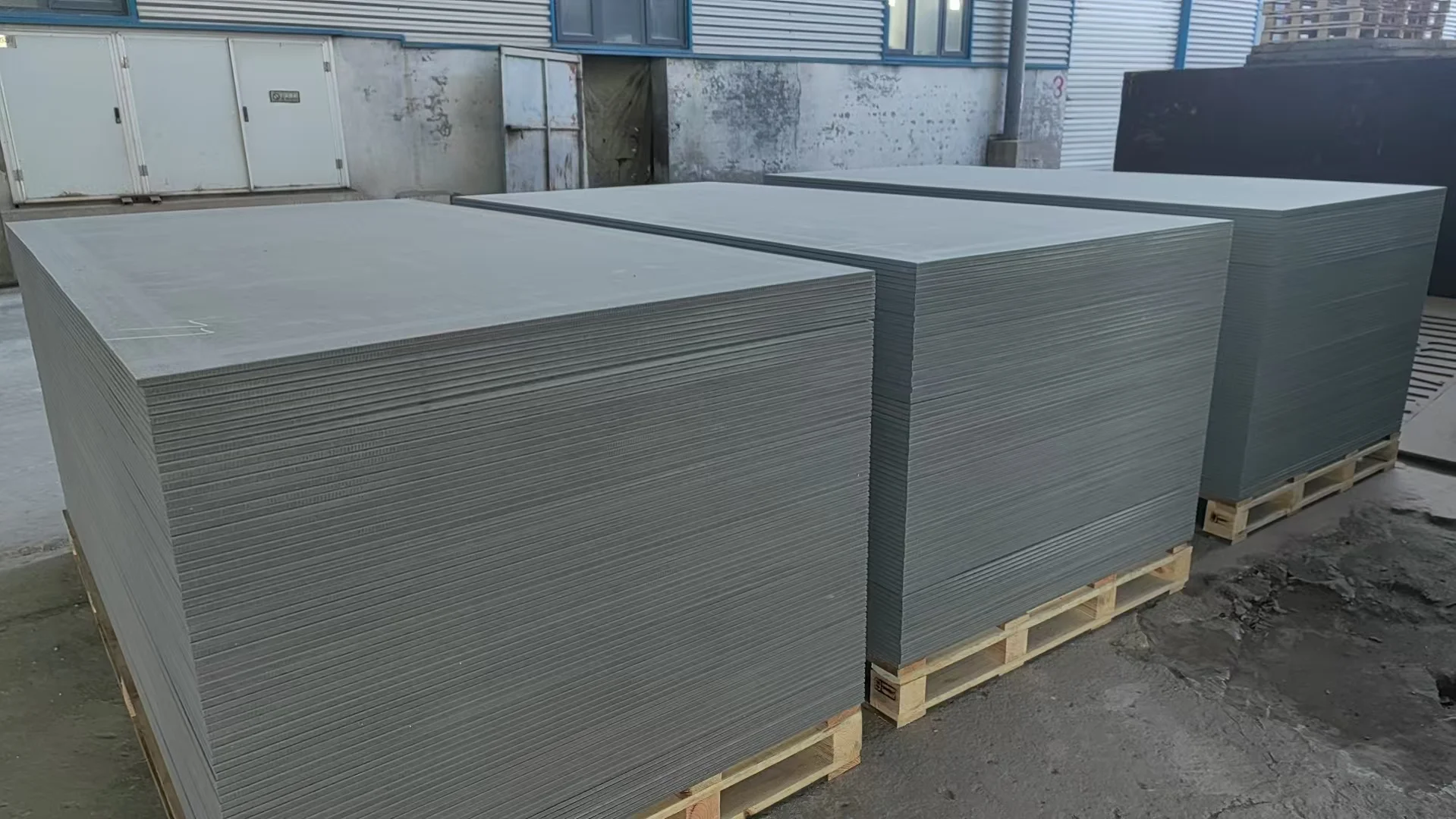
Termites cannot eat fiber cement board because termites require cellulose-based organic materials for nutrition, while fiber cement contains only inorganic cement, sand, and mineral fibers. Termites may investigate the surface but cannot digest or damage the material.
Material Vulnerability Analysis
Through field observations and laboratory testing, different building materials show distinct patterns of termite susceptibility.
| Material Type | Termite Attraction | Damage Potential | Long-term Risk |
|---|---|---|---|
| Wood Siding | High | Complete destruction | Extreme |
| Wood Fiber Boards | High | Severe damage | Very High |
| Paper-faced Drywall | Moderate | Surface to core damage | High |
| Fiber Cement Board | None | No damage possible | None |
| Vinyl Siding | None | No nutritional value | None |
| Metal Siding | None | No organic content | None |
Cellulose content determines termite interest—any organic plant-based material attracts termites while inorganic materials provide complete protection.
Is Fiber Board Termite Proof?
Different fiber board types have vastly different termite resistance properties.
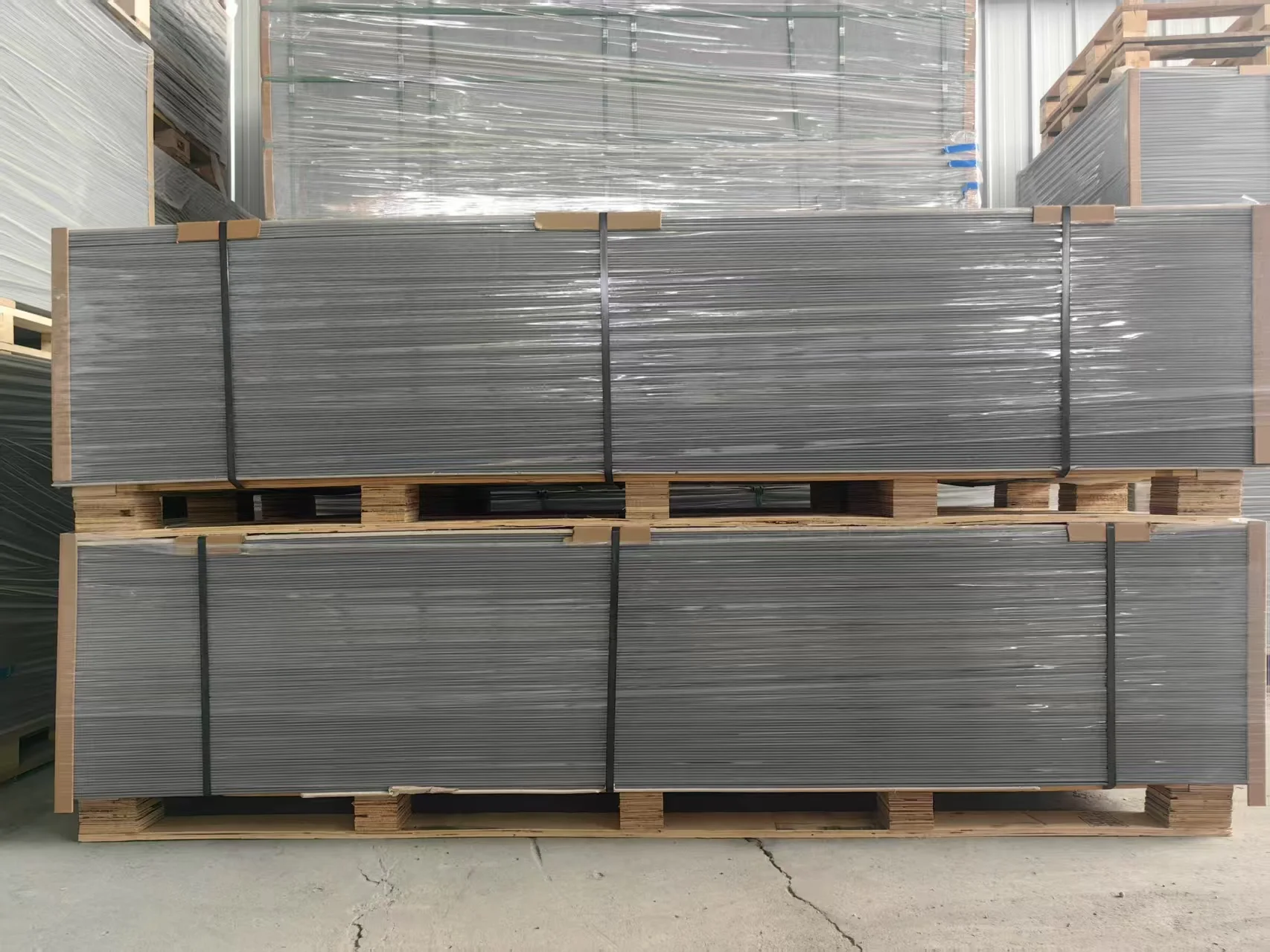
Traditional fiber board is NOT termite proof because it contains wood fibers and organic binders that termites readily consume. Fiber cement board IS termite proof due to its inorganic cement matrix and mineral fiber composition.
Fiber Board Classification and Termite Resistance
Understanding different fiber board categories helps prevent costly material selection mistakes.
| Board Type | Primary Components | Termite Resistance | Typical Applications |
|---|---|---|---|
| Wood Fiber Board | Wood fibers + organic binders | None - highly vulnerable | Interior sheathing (declining use) |
| Medium Density Fiberboard (MDF) | Wood particles + resin | None - termite food source | Interior trim, furniture |
| Oriented Strand Board (OSB) | Wood strands + adhesive | None - attractive to termites | Structural sheathing |
| Fiber Cement Board | Cement + sand + mineral fibers | Complete protection | Siding, trim, roofing |
| Mineral Fiber Board | Rock/glass fibers + binders | Excellent (if inorganic binders) | Insulation, specialty applications |
Material naming confusion often leads to incorrect assumptions—"fiber board" without qualification usually means wood-based products that termites readily attack.
What Was the Main Problem with Fiber Cement Board Siding?
Early fiber cement products faced specific challenges that modern manufacturing has largely resolved.
Early fiber cement siding problems included cracking, premature paint failure, and moisture infiltration due to inadequate expansion joint design, insufficient caulking, and manufacturing inconsistencies. Modern products address these issues through improved formulations and installation methods.

Historical Problem Analysis
Through industry experience and field performance data, specific issues plagued early fiber cement installations.
| Problem Category | Manifestation | Root Cause | Modern Solution |
|---|---|---|---|
| Cracking | Horizontal/vertical splits | Thermal expansion, poor joints | Engineered expansion joints, flexible caulking |
| Paint Adhesion | Peeling, flaking finish | Surface preparation, primer issues | Factory priming, surface texturing |
| Moisture Damage | Swelling, delamination | Water infiltration | Improved edge sealing, better flashing |
| Installation Problems | Improper fastening, alignment | Inadequate training/specs | Detailed installation guidelines |
| Edge Deterioration | Fiber exposure, spalling | Cutting/drilling damage | Proper cutting tools, edge sealing |
Installation quality proved more critical than material quality—proper installation prevents most historical problems.
Manufacturing Evolution Timeline
From analyzing industry developments, clear improvements address early fiber cement limitations.
| Era | Technology Focus | Key Improvements | Performance Impact |
|---|---|---|---|
| 1980s-1990s | Basic formulations | Asbestos replacement | Functional but limited durability |
| 2000s | Process refinement | Autoclave curing, fiber optimization | Improved strength, consistency |
| 2010s | Installation systems | Engineered fasteners, joint design | Reduced field failures |
| 2020s | Advanced coatings | Factory finishing, warranties | Long-term appearance retention |
Current generation fiber cement products demonstrate 30-50 year performance with proper installation, far exceeding early product limitations.
Common Installation Mistakes to Avoid
Based on field failure analysis, certain installation errors consistently cause problems regardless of product quality.
| Installation Error | Consequence | Prevention Method | Repair Difficulty |
|---|---|---|---|
| Insufficient Expansion Joints | Cracking, buckling | 1/4" gaps every 25 feet | Difficult - requires partial replacement |
| Over-driven Fasteners | Cracking around holes | Proper pneumatic settings | Moderate - local repairs possible |
| Inadequate Flashing | Water infiltration | Complete water management system | Difficult - wall system rework |
| Poor Caulking | Air/water leaks | High-quality sealants, proper application | Easy - routine maintenance |
| Wrong Fasteners | Corrosion, loosening | Stainless steel or coated fasteners | Moderate - fastener replacement |
Professional installation becomes critical for long-term performance—DIY installations often miss crucial details that cause later problems.
Performance Comparison: Early vs. Modern Products
Through long-term field studies, dramatic improvements appear in modern fiber cement formulations and systems.
| Performance Metric | 1990s Products | Current Products | Improvement Factor |
|---|---|---|---|
| Weather Resistance | 10-15 years | 30+ years | 2-3x |
| Paint Retention | 5-8 years | 15-25 years | 3x |
| Thermal Stability | Limited | Excellent | Significant |
| Installation Tolerance | Very sensitive | Forgiving | Major |
| Warranty Coverage | Minimal | Comprehensive 25-50 years | Revolutionary |
Modern fiber cement represents essentially a different product category compared to early versions, with vastly superior long-term performance.
Conclusion
Fiber cement board does not attract termites because it contains no organic cellulose materials that provide termite nutrition—only inorganic cement, sand, and mineral fibers. Termites cannot eat fiber cement board as they require organic materials for survival, making fiber cement completely immune to termite damage. Traditional wood fiber board is NOT termite proof while fiber cement board provides complete termite protection due to its inorganic composition. Early fiber cement problems included cracking and paint failure caused by inadequate expansion joint design and installation issues, but modern products and installation methods have largely resolved these concerns through improved formulations, proper joint systems, and comprehensive installation guidelines. Success with fiber cement depends more on proper installation techniques than on product selection, making professional installation critical for achieving the material's full 30-50 year performance potential.
