




Does Fiber Cement Board Absorb Water During Guyana's Rainy Season?
Fiber cement board does absorb minimal water during Guyana's rainy season, typically 10-15% by weight in standard density boards and 5-8% in high-density versions, but this absorption is controlled and reversible, with the material returning to normal dimensions when dried, making it suitable for tropical climates with proper installation.
Water absorption occurs through microscopic pores in fiber cement structure but remains within acceptable limits for building applications. Standard density boards absorb 10-15% moisture while high-density versions limit absorption to 5-8% maintaining structural stability. Absorption is reversible with boards returning to original dimensions during dry periods. Proper installation with moisture barriers and ventilation minimizes water infiltration behind siding systems. Quality varies between manufacturers with premium boards showing superior moisture resistance.
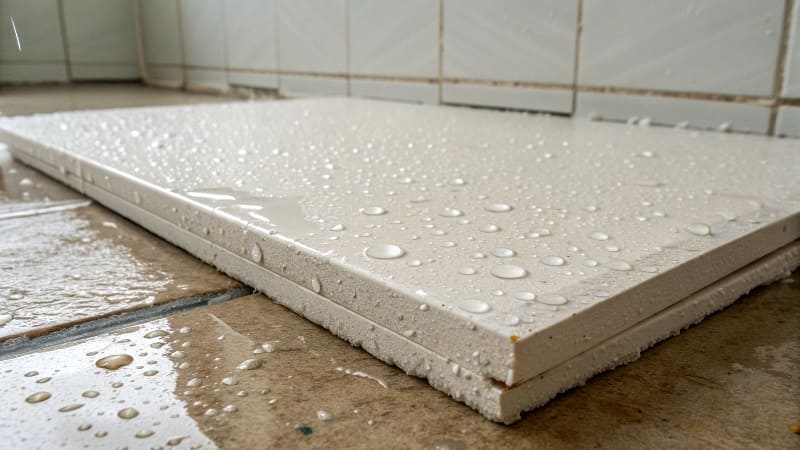
From my extensive experience manufacturing fiber cement products, I've observed that controlled water absorption is actually beneficial for tropical climates, allowing materials to breathe while maintaining structural integrity.
How to Prevent Water Seepage Behind Fiber Cement Siding Panels?
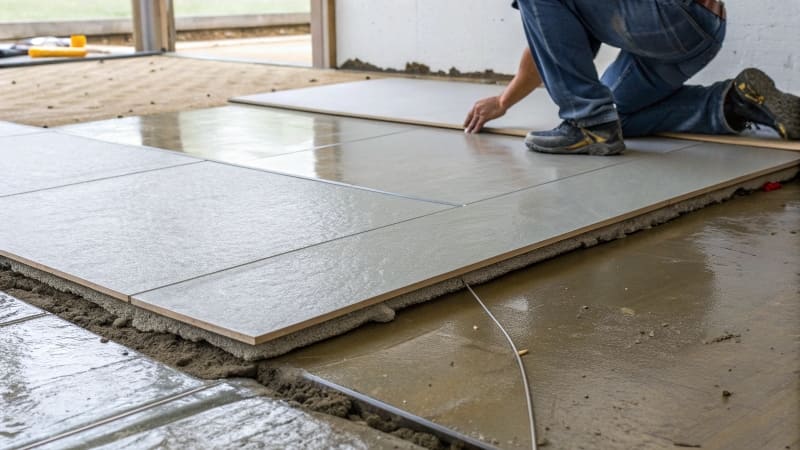
Prevent water seepage behind fiber cement siding through proper flashing installation, weather-resistant barriers, ventilated cavity systems, sealed joints with appropriate sealants, and correct overlap techniques, creating a comprehensive drainage plane that manages moisture while allowing vapor transmission.
Weather-resistant barriers installed behind siding panels create primary moisture protection preventing water infiltration into wall cavities. Proper flashing at windows, doors and horizontal transitions directs water away from vulnerable penetrations. Ventilated cavity systems with drainage channels allow moisture evaporation and air circulation behind siding panels. Sealed joints using compatible sealants prevent water entry at panel connections and trim interfaces. Correct installation techniques including proper overlap and fastener placement ensure weather-tight assembly.
Moisture Management Systems
Comprehensive moisture control requires multiple integrated protection layers.
| Protection Layer | Function | Installation Method | Effectiveness | Maintenance Requirements |
|---|---|---|---|---|
| Weather Barrier | Primary protection | Behind siding | Excellent | 15-20 year replacement |
| Flashing System | Water diversion | Critical penetrations | Very Good | Annual inspection |
| Ventilation Cavity | Moisture evaporation | Air gap creation | Good | Periodic cleaning |
| Sealed Joints | Point protection | Caulk application | Good | 5-7 year renewal |
| Drainage Plane | Water management | Sloped installation | Excellent | Minimal maintenance |
Weather barriers provide the most critical moisture protection for siding systems.
Installation Best Practices
Proper installation techniques are essential for long-term moisture protection.
| Installation Detail | Standard Practice | Tropical Climate Adaptation | Performance Benefit | Critical Importance |
|---|---|---|---|---|
| Panel Overlap | 1/4" minimum | 3/8" recommended | Enhanced water shedding | High |
| Joint Sealing | Standard caulk | Premium sealant | Superior adhesion | Very High |
| Flashing Width | 4" minimum | 6" recommended | Extended protection | Critical |
| Ventilation Gap | 1/4" standard | 3/8" tropical | Improved airflow | High |
| Fastener Spacing | 16" centers | 12" centers | Reduced panel movement | Moderate |
Joint sealing with premium sealants provides critical moisture protection.
Common Failure Points
Identifying and addressing vulnerable areas prevents water seepage problems.
| Failure Location | Cause | Prevention Method | Repair Complexity | Frequency |
|---|---|---|---|---|
| Window/Door Trim | Inadequate flashing | Proper head flashing | Moderate | Common |
| Horizontal Joints | Poor sealing | Quality sealant | Simple | Frequent |
| Corner Connections | Thermal movement | Flexible sealant | Moderate | Occasional |
| Panel Penetrations | Missing gaskets | Proper sealing | Simple | Rare |
| Base Wall Interface | Splash-back | Adequate clearance | Complex | Occasional |
Window and door trim represent the most common water seepage locations.
Is High-Density Fiber Cement Board 100% Waterproof for Shower Areas?
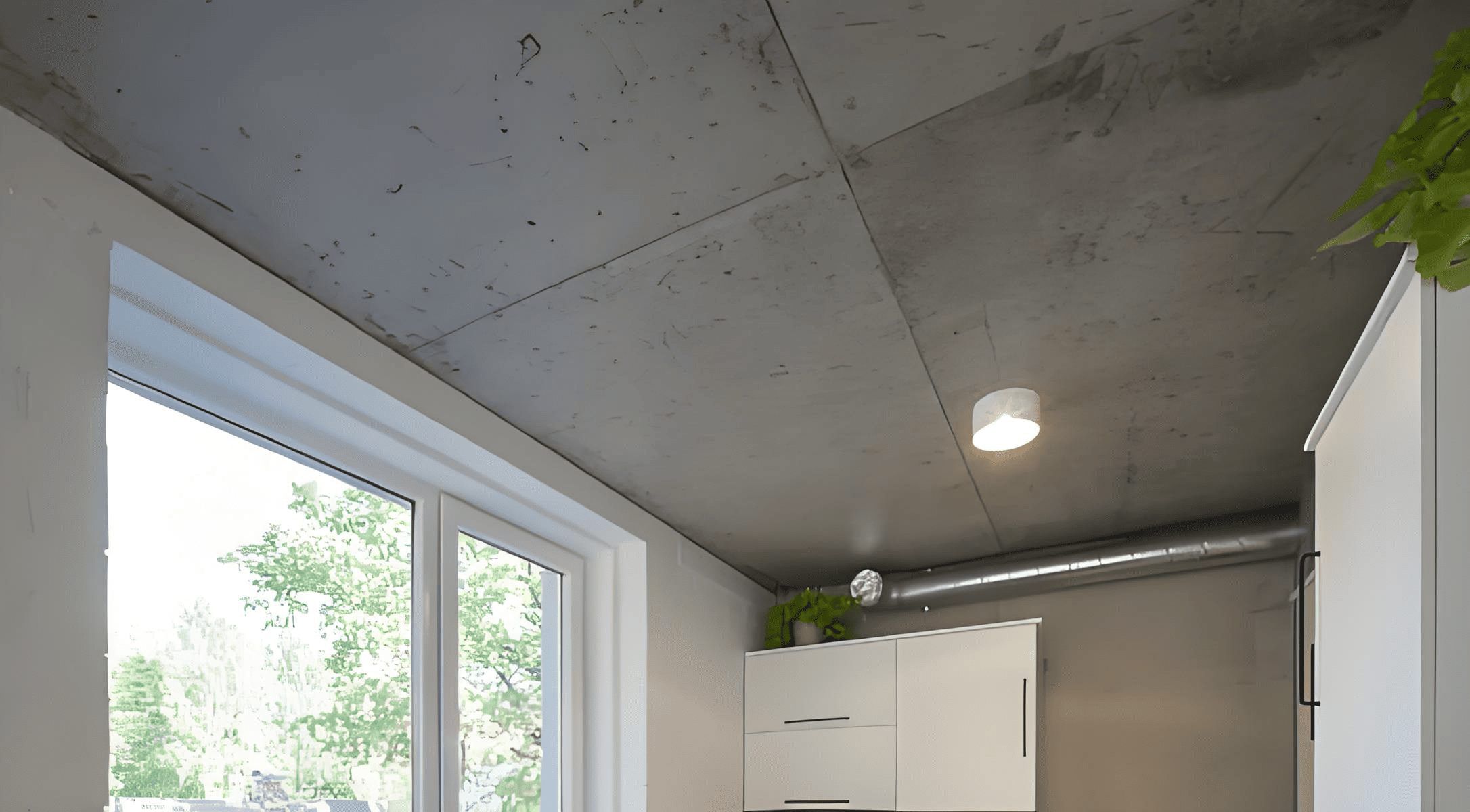
High-density fiber cement board is not 100% waterproof for shower areas and requires additional waterproofing membrane systems, as it absorbs 3-5% moisture by weight, making proper sealing with waterproof membranes, appropriate tile adhesives, and sealed joints essential for wet area applications.
High-density boards have reduced porosity but retain microscopic absorption making additional waterproofing necessary for direct water exposure. Waterproof membranes applied over fiber cement create complete moisture barrier for shower applications. Sealed joints using waterproof sealants prevent water penetration at board connections. Proper tile installation with waterproof adhesives and sealed grout provides surface protection. Ventilation systems remove moisture accumulation preventing long-term degradation.
Waterproofing Requirements
Shower applications require comprehensive moisture protection beyond board properties.
| Protection System | Application Method | Water Resistance | Durability | Installation Cost |
|---|---|---|---|---|
| Liquid Membrane | Brush/roll application | Excellent | 10-15 years | Moderate |
| Sheet Membrane | Adhesive installation | Excellent | 15-20 years | Higher |
| Tile Backer System | Integrated protection | Very Good | 20+ years | Highest |
| Sealant System | Joint sealing | Good | 5-7 years | Lowest |
| Vapor Barrier | Behind board | Good | 15-20 years | Moderate |
Sheet membranes provide optimal waterproofing for shower applications.
Performance Comparison
Different fiber cement densities show varying suitability for wet area applications.
| Board Density | Water Absorption | Wet Area Suitability | Required Protection | Cost Factor |
|---|---|---|---|---|
| Standard (1.2-1.4 g/cm³) | 12-18% | Poor | Extensive waterproofing | Baseline |
| Medium (1.4-1.6 g/cm³) | 8-12% | Fair | Moderate waterproofing | +20% |
| High (1.6-1.8 g/cm³) | 3-5% | Good | Basic waterproofing | +40% |
| Ultra-High (1.8+ g/cm³) | 1-3% | Very Good | Minimal protection | +60% |
| Specialized Wet Area | <1% | Excellent | Integrated system | +80% |
High-density boards significantly reduce but don't eliminate waterproofing requirements.
Installation Specifications
Proper installation ensures long-term performance in wet environments.
| Installation Component | Standard Specification | Wet Area Requirements | Performance Impact | Quality Control |
|---|---|---|---|---|
| Board Thickness | 6-12mm | 12-15mm minimum | Enhanced stability | Critical |
| Joint Width | 3mm | 6mm sealed | Movement accommodation | Important |
| Fastener Spacing | 200mm centers | 150mm centers | Reduced movement | Moderate |
| Edge Sealing | Standard | Waterproof sealant | Moisture protection | Critical |
| Surface Preparation | Clean/dry | Primed surface | Membrane adhesion | Important |
Edge sealing with waterproof materials is critical for wet area performance.
Can Fiber Cement Survive Being Submerged in a Flash Flood?
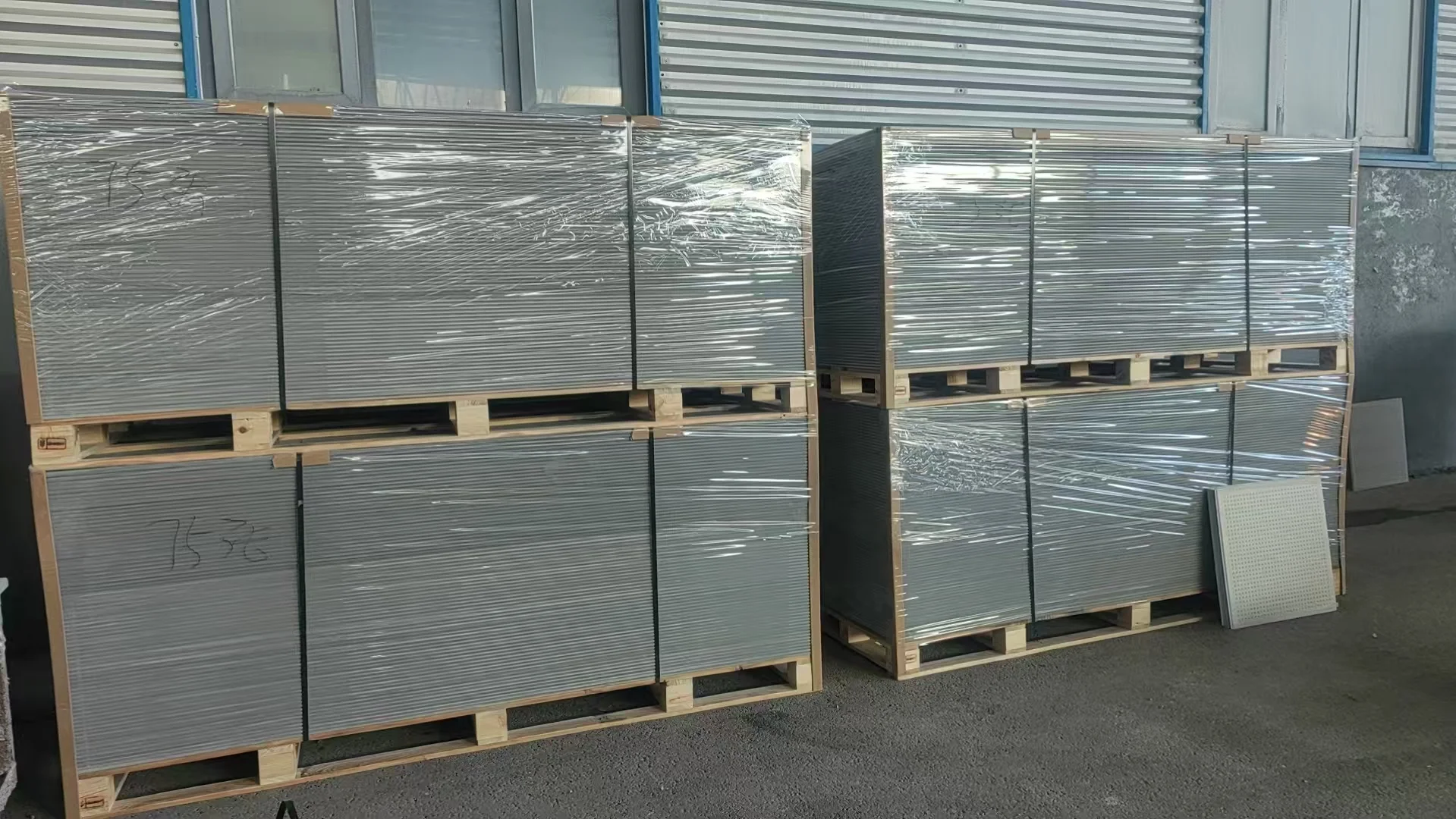
Fiber cement can survive brief flash flood submersion (24-48 hours) with minimal structural damage, but extended submersion causes dimensional changes, surface deterioration, and potential delamination, requiring proper drying, assessment, and possible replacement depending on submersion duration and water quality.
Brief submersion up to 48 hours typically causes reversible swelling with boards returning to normal dimensions after proper drying. Extended submersion beyond 72 hours may cause permanent damage including edge swelling, surface degradation, and fastener corrosion. Water quality affects damage severity with contaminated flood water causing greater deterioration than clean water. Proper drying procedures including controlled ventilation and gradual moisture removal minimize permanent damage. Post-flood assessment determines board condition and replacement requirements.
Flood Survival Factors
Multiple factors determine fiber cement performance during flood events.
| Survival Factor | Short Term (<24hrs) | Medium Term (24-72hrs) | Extended (>72hrs) | Recovery Probability |
|---|---|---|---|---|
| Structural Integrity | Excellent | Good | Fair | High |
| Dimensional Stability | Good | Fair | Poor | Moderate |
| Surface Quality | Good | Fair | Poor | Variable |
| Fastener Performance | Excellent | Good | Fair | High |
| Edge Condition | Good | Fair | Poor | Low |
Short-term submersion generally allows full recovery with proper drying procedures.
Water Quality Impact
Different flood water types cause varying levels of damage to fiber cement materials.
| Water Type | Damage Potential | Recovery Rate | Cleaning Requirements | Replacement Risk |
|---|---|---|---|---|
| Clean Rain Water | Low | 90-95% | Basic cleaning | 5-10% |
| River/Creek Water | Moderate | 70-80% | Thorough washing | 20-30% |
| Sewage Contaminated | High | 40-60% | Professional cleaning | 40-60% |
| Saltwater Intrusion | Very High | 20-40% | Extensive treatment | 60-80% |
| Chemical Contamination | Extreme | 10-20% | Hazmat procedures | 80-90% |
Clean rainwater flooding causes minimal long-term damage to properly dried boards.
Recovery Procedures
Systematic recovery procedures maximize salvage rates after flood submersion.
| Recovery Stage | Process | Duration | Success Rate | Critical Factors |
|---|---|---|---|---|
| Immediate Assessment | Visual damage inspection | 1-2 hours | Assessment only | Safety protocols |
| Water Removal | Pump/drain flood water | 6-12 hours | 100% | Speed critical |
| Controlled Drying | Gradual moisture removal | 7-14 days | 70-90% | Temperature control |
| Cleaning Process | Contamination removal | 1-3 days | 80-95% | Water quality |
| Final Assessment | Replacement determination | 2-4 hours | Decision making | Professional evaluation |
Controlled drying is the most critical factor in successful flood recovery.
Replacement Criteria
Clear criteria help determine when flood-damaged boards require replacement.
| Damage Indicator | Repair Possible | Replacement Required | Assessment Method | Safety Concern |
|---|---|---|---|---|
| Surface Discoloration | Yes | No | Visual inspection | Low |
| Edge Swelling >5mm | No | Yes | Measurement | Moderate |
| Delamination Present | No | Yes | Physical test | High |
| Fastener Corrosion | Partial | Case-by-case | Visual/probe | Moderate |
| Structural Cracking | No | Yes | Engineering assessment | High |
Edge swelling exceeding 5mm typically indicates replacement necessity.
Conclusion
Fiber cement boards do absorb water during Guyana's rainy season with 10-15% absorption in standard density and 5-8% in high-density versions, but absorption is controlled and reversible maintaining structural suitability. Water seepage prevention requires weather-resistant barriers, proper flashing, ventilated cavities, sealed joints, and correct installation creating comprehensive moisture management systems. High-density fiber cement is not 100% waterproof for shower areas requiring waterproof membranes, sealed systems, and proper tile installation for wet area applications. Flash flood submersion survival depends on duration and water quality with brief submersion recoverable through proper drying but extended exposure potentially requiring replacement. Success with fiber cement in tropical climates requires understanding that controlled water absorption is normal and manageable, comprehensive moisture management systems are essential for long-term performance, additional waterproofing is necessary for direct water exposure applications, and flood recovery depends on prompt action and proper drying procedures, making system-based thinking rather than material-only approaches critical for tropical building applications.
