




Does Cement Board Reduce Noise?
Yes, cement board can reduce noise to a limited extent. Its high density helps block airborne sound and vibration, but it works best when combined with insulation and framing systems.
TRUSUS acoustic insight: silence needs partners—mass gives the wall strength, but the system gives it peace.
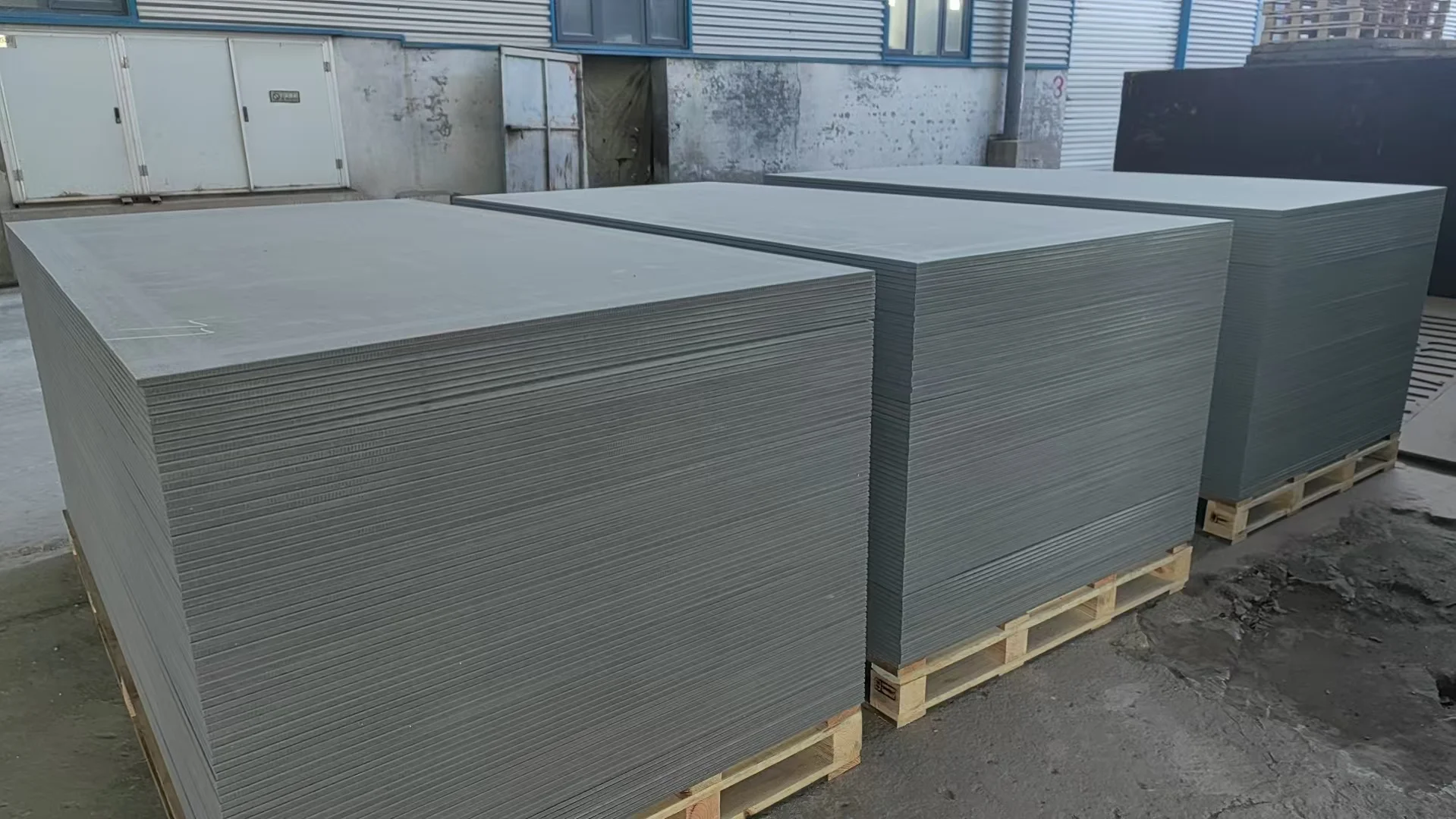
Cement board contributes mass in a composite wall assembly, improving sound transmission loss (STC), but on its own, the effect is moderate.
Is Fiber Cement Board Good for Soundproofing?
Fiber cement board alone is not a soundproofing material, but it enhances the sound insulation of partition walls when combined with sound-absorbing layers like mineral wool and acoustic sealants.
system insight: one board cannot stop the noise, but one system can control it.
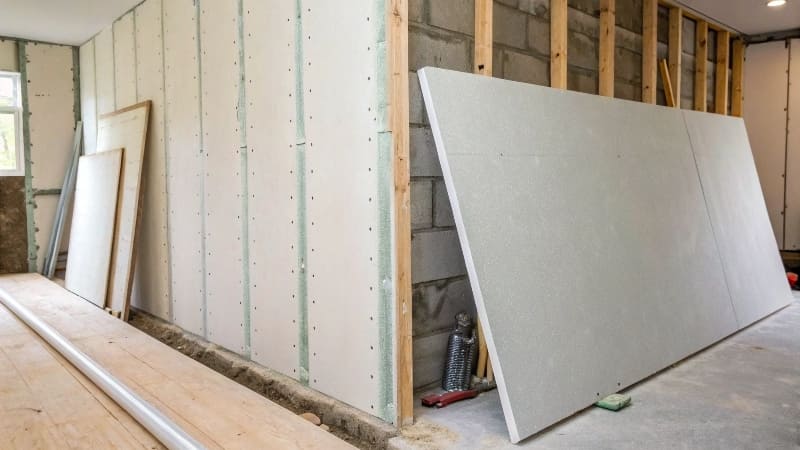
Acoustic Assembly Comparison
| Assembly Type | Components | STC Rating (Approx.) | Performance |
|---|---|---|---|
| Single 12mm board each side of steel stud | Cement board only | 35–37 | Basic sound reduction |
| Cement board + mineral wool + sealant | Composite system | 50–55 | Effective noise control |
| Double stud with dual cement layers | Double board system | 55–60+ | High-performance isolation |
The key lies in coupling density with absorption. Proper sealing and staggering joints prevent sound leakage, a crucial step often ignored in site practice.
Is Cement Board a Vapor Barrier?
Cement board is not a vapor barrier. It can resist moisture but does not block vapor diffusion. It allows water vapor to pass through without deterioration, which supports healthy drying in building envelopes.
moisture insight: being resistant is not being impermeable—the board breathes with the wall.
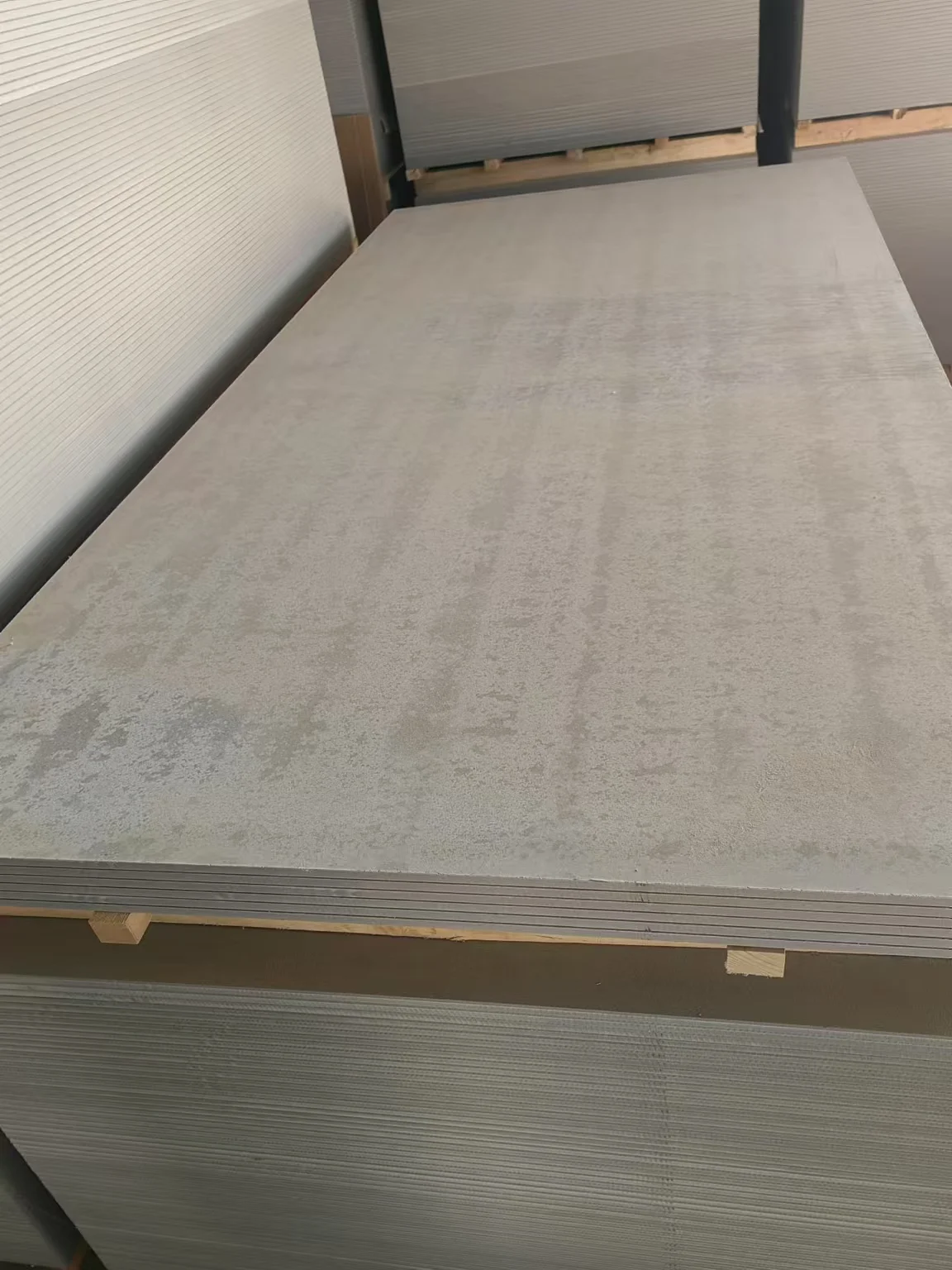
Vapor Control Table
| Material | Type | Vapor Resistance | Typical Use |
|---|---|---|---|
| Cement board | Semi-permeable | Allows vapor flow | Bathrooms, exteriors |
| Polyethylene film | Impermeable | Blocks vapor transmission | Cold climates, inside layer |
| Bituminous membrane | Impermeable | Full moisture barrier | Roofs, façades |
| Fiber cement + waterproof coating | Semi-permeable | Controlled diffusion | Wet walls or facades |
Always pair cement boards with a proper vapor or waterproof membrane when specified by climate or interior design. Misunderstanding permeability often leads to trapped moisture or internal condensation.
What Are the Disadvantages of Cement Fibre Board?
Cement fibre boards have higher weight, harder workability, and require specific cutting tools. They also offer limited flexibility and are costlier than gypsum-based panels for simple interior use.
realism insight: every strength casts a shadow—durability comes with weight, precision comes with effort.
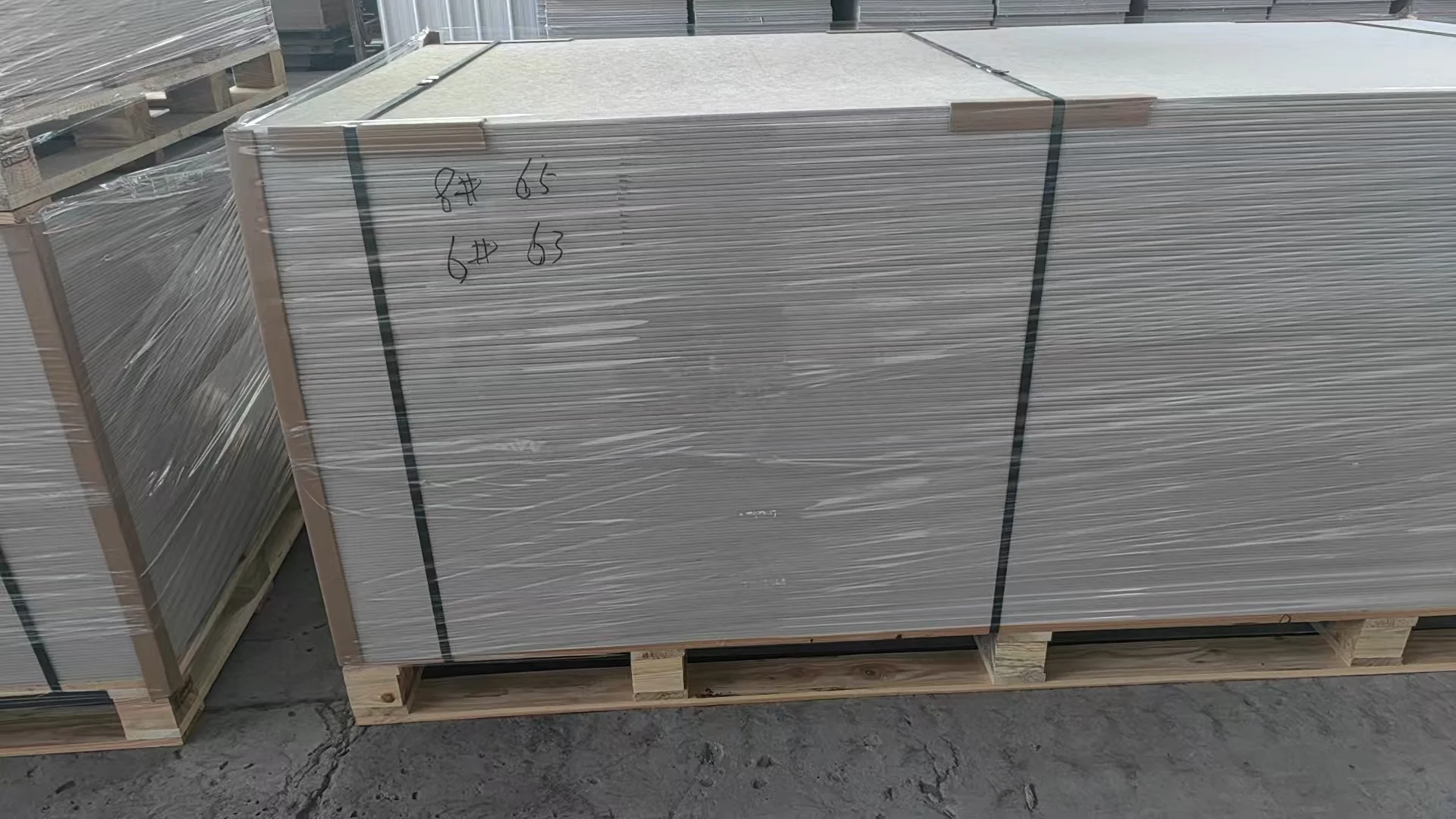
Fibre Cement Board Pros & Cons
| Aspect | Advantage | Limitation |
|---|---|---|
| Density | Excellent sound & impact resistance | Heavy to handle |
| Durability | Resistant to fire, moisture, and rot | Requires proper framing for load |
| Maintenance | Long lifespan | Harder to cut and screw |
| Cost | Value over time | Higher initial cost |
| Installation | Structural stability | Needs power tools and dust control |
Understanding both strengths and constraints of cement fibre board allows better design decisions and avoids misapplication in light-partition projects.
Conclusion
At TRUSUS, I believe cement board is not just protection—it’s participation. When understood as part of a whole, it transforms sound, breathes moisture, and defines the modern building’s quiet strength.
