




Does Cement Board Help With Insulation?
Cement board does not provide significant insulation by itself. Its R-value is very low (around 0.3–0.4 per 12 mm sheet), meaning it slows heat transfer slightly but cannot replace proper insulation materials such as mineral wool or foam boards.
insight: cement board protects, while insulation materials insulate.
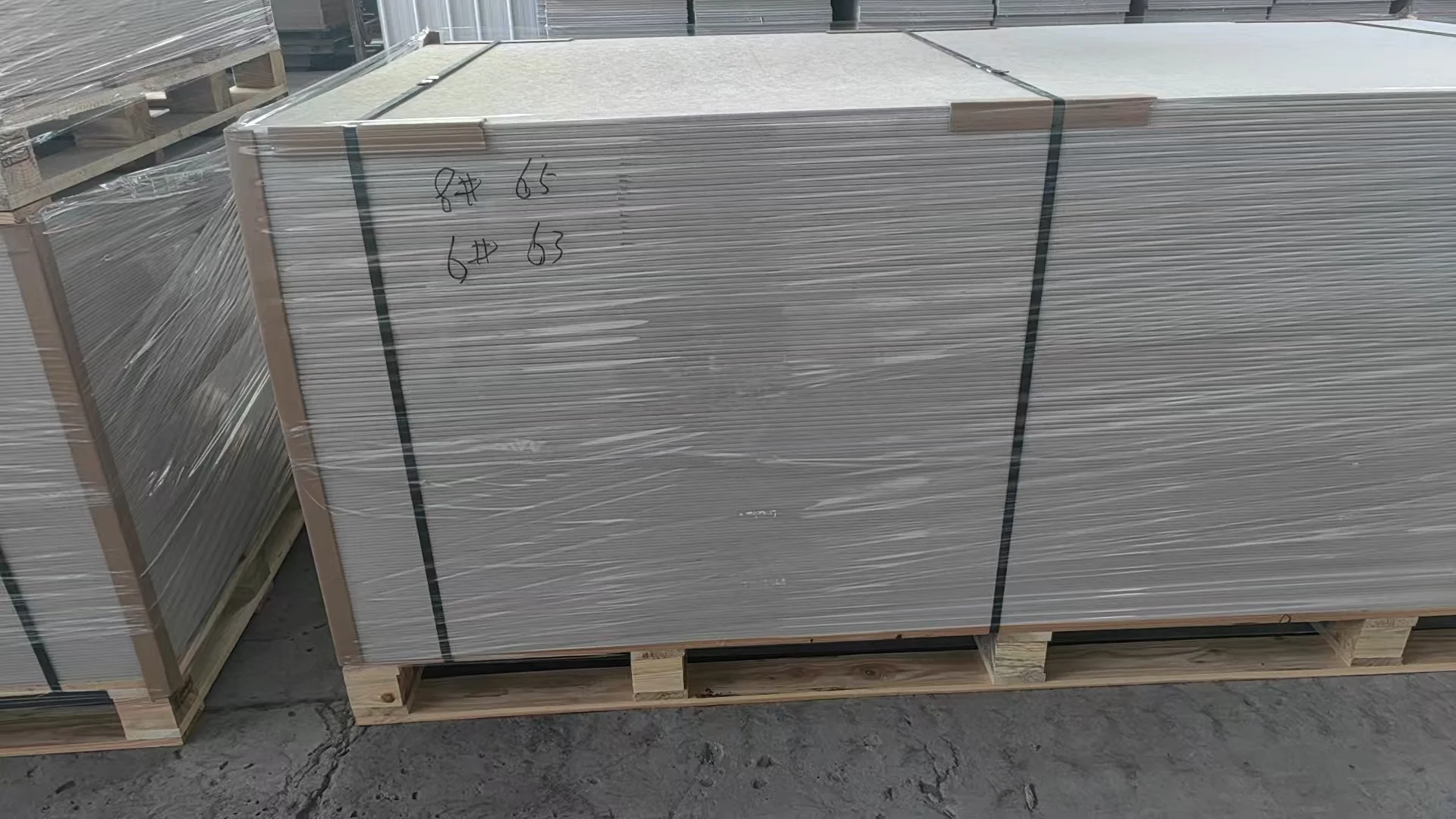
Cement board contributes by stabilizing thermal performance rather than generating it.
Is Cement Board a Thermal Barrier?
Cement board acts as a thermal stabilizing layer, not a thermal barrier. It resists heat, moisture, and fire exposure, shielding underlying materials from temperature extremes. Its main function is durability— it forms a rigid shell that supports and protects the insulation system inside the wall.
perspective: stability is its insulation contribution.
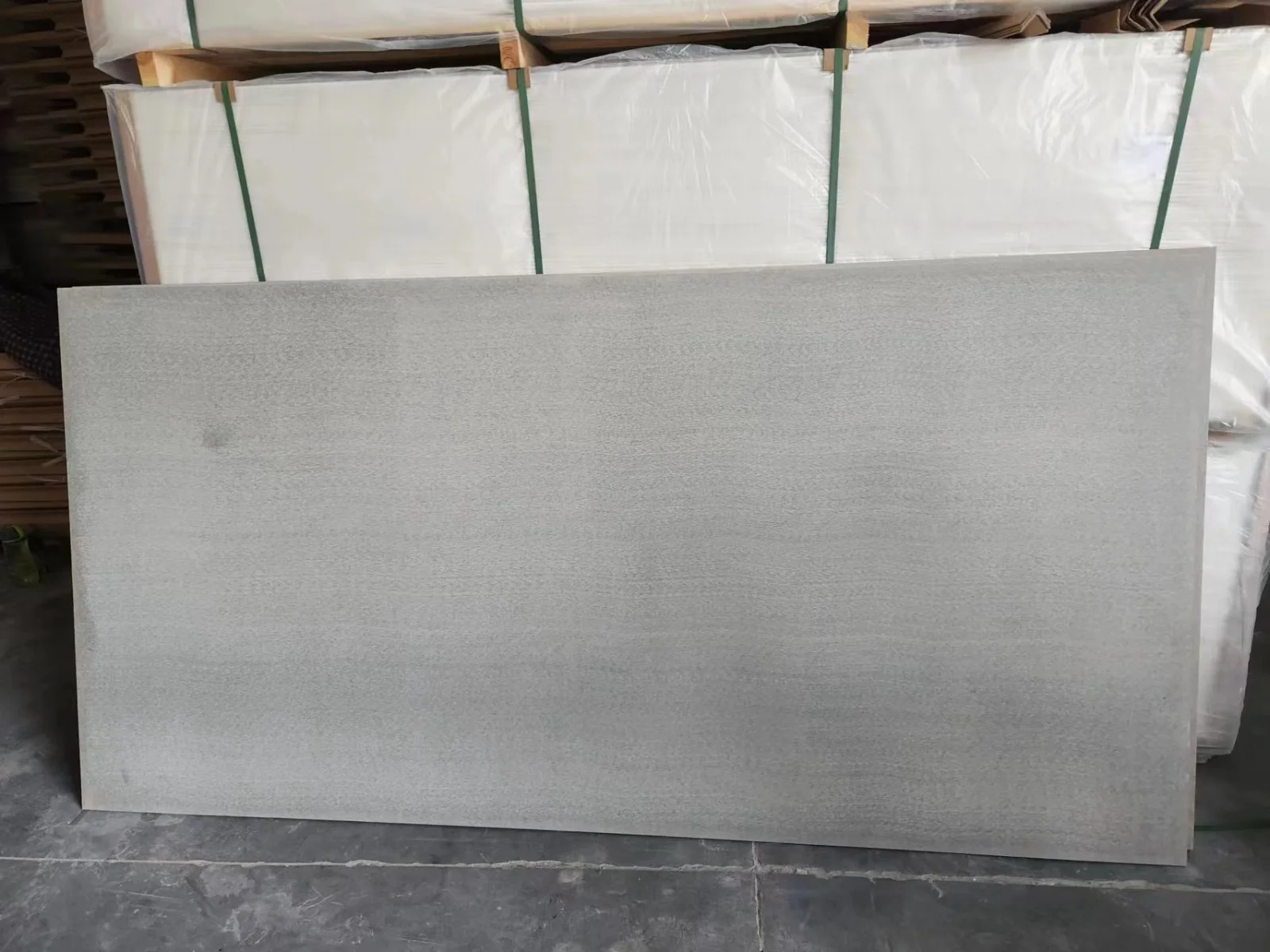
Role in Wall Systems
| Component | Function | Material Example |
|---|---|---|
| Exterior Layer | Protection, fire resistance | Cement board |
| Insulation Layer | Thermal resistance | Mineral wool / XPS |
| Moisture Barrier | Stops vapor penetration | Breathable membrane |
| Inner Finish | Comfort and aesthetics | Gypsum board |
Together, these form an integrated “energy wall” where each layer fulfills a unique role.
Heat Control Logic
| Type | Role | Observation |
|---|---|---|
| Thermal barrier | Stops heat flow | Usually foam, wool, polyurethane |
| Thermal stabilizer | Delays heat transfer | Cement board layer |
| Structural layer | Supports all systems | Frame or sheathing |
Cement board doesn’t trap heat — it preserves insulation effectiveness over time.
What Is the Insulation Value of Cement Board?
The insulation (R) value of cement board is approximately 0.3–0.4, depending on thickness and density. Compared with dedicated insulation products, it provides negligible resistance to heat flow. However, its thermal mass helps in maintaining temperature balance and protecting the structure.
energy insight: low R-value doesn’t mean low energy performance—context matters.
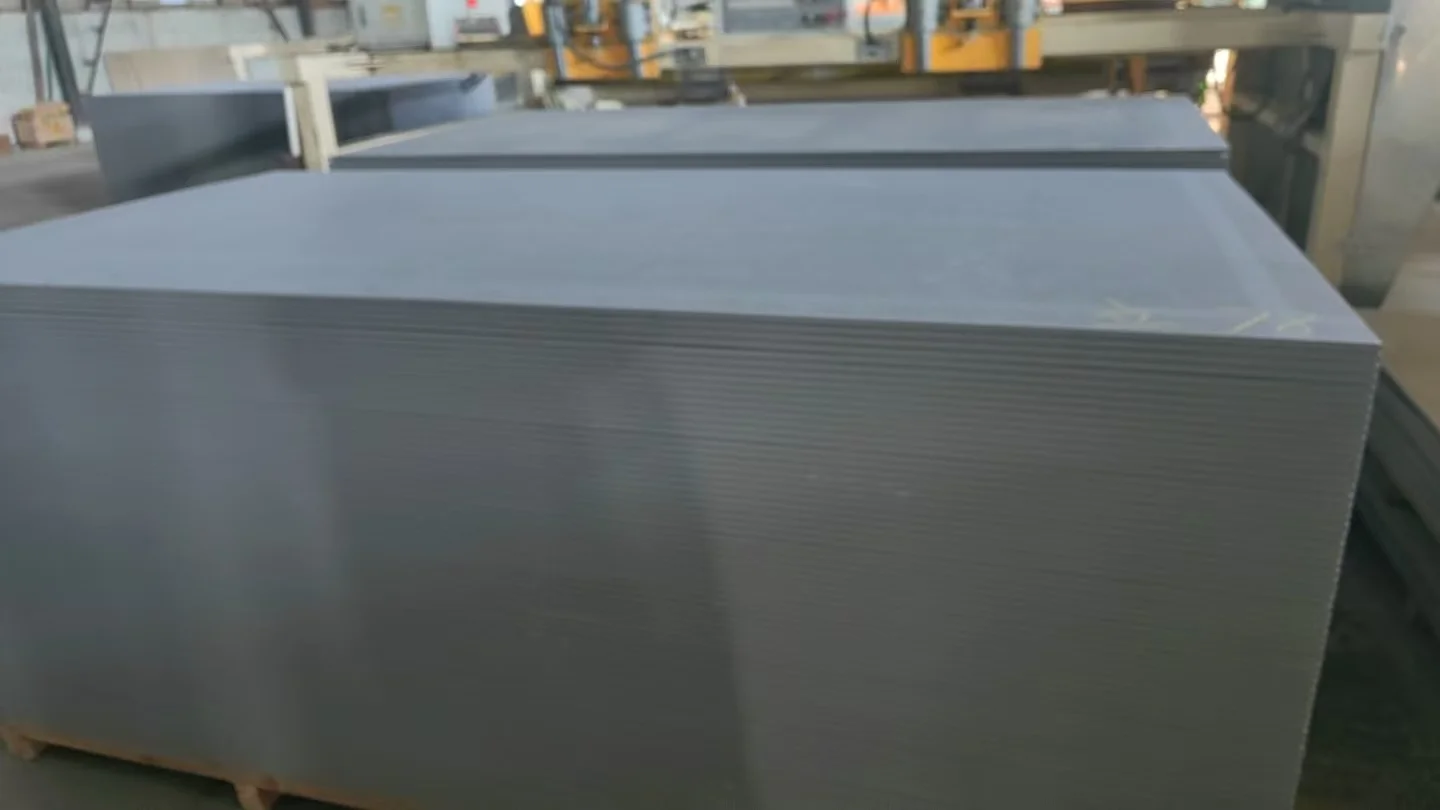
Insulation Reference Chart
| Material | Approx. R-Value (per 25 mm) | Role |
|---|---|---|
| Cement board | 0.3–0.4 | Rigid protection |
| Rock wool | 3.5–4.0 | Main thermal barrier |
| XPS foam | 4.5–5.0 | High-performance insulation |
| Plywood | 0.6 | Structural layer |
| Drywall | 0.45 | Interior lining |
How It Adds System Value
| Effect | Explanation |
|---|---|
| Adds thermal mass | Reduces rapid temperature change |
| Supports cladding | Protects insulation from compression |
| Extends durability | Keeps walls dry and steady |
In short, it keeps your insulation working efficiently for longer.
What Is the R-Value of Fibre Cement Cladding?
Fibre cement cladding’s R-value ranges from 0.15–0.30 m² · K/W, depending on panel thickness. It is not meant to insulate, but it strengthens wall performance by providing exterior safety, UV stability, and dimensional consistency. Combined systems using insulation behind the board achieve energy efficiency.
building insight: energy efficiency comes from the whole wall, not one layer.
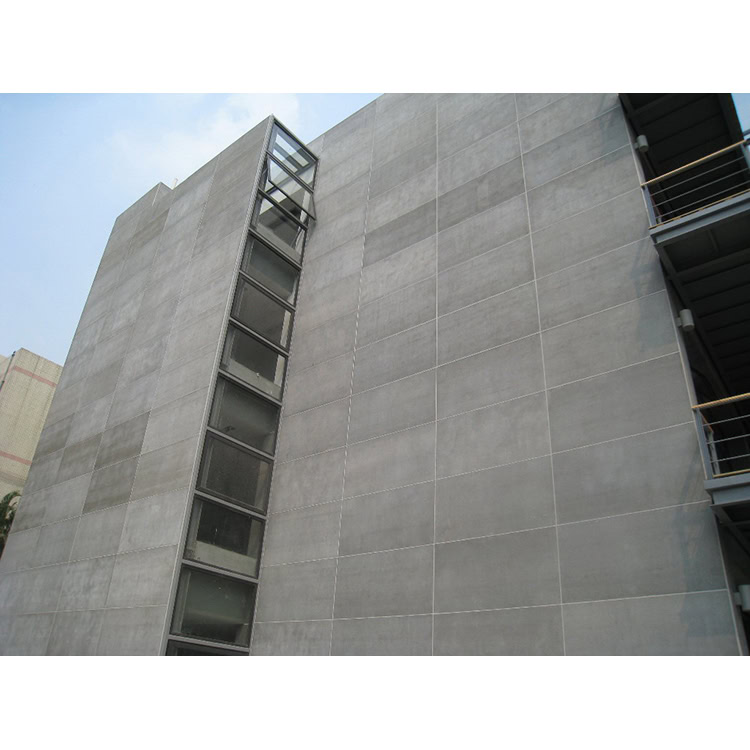
Wall System Example
| Wall Layer | Material | R-Value (approx.) | Role |
|---|---|---|---|
| Exterior finish | Fibre cement board | 0.2 | Weather barrier |
| Insulation | Mineral wool | 3.5 | Heat control |
| Air gap | Ventilated cavity | 0.2 | Moisture balance |
| Inner lining | Gypsum board | 0.45 | Indoor finish |
Thermal Function Summary
| Function Type | Fibre Cement Contribution |
|---|---|
| Thermal mass | Moderate |
| Air barrier | Strong |
| Moisture control | Strong |
| Direct insulation | Minimal |
It resists temperature shock, helping insulation layers perform at full efficiency over time.
Conclusion
Cement board and fibre cement cladding provide thermal stability, not insulation. Their R-values are low, but their structural and protective roles make insulation systems more durable and efficient. we see cement boards not as insulation substitutes—but as long-term guardians of building energy performance.
