




Does Cement Board Go Directly on Studs?
Many builders ask this question on site the first time they handle cement board: “Can it go straight on studs?”
Yes, cement board can be installed directly onto metal or wood studs, but it requires proper spacing, compatible fasteners, and edge support. The board should be supported every 16 inches with corrosion-resistant screws, and gaps between panels must be sealed to prevent moisture intrusion.
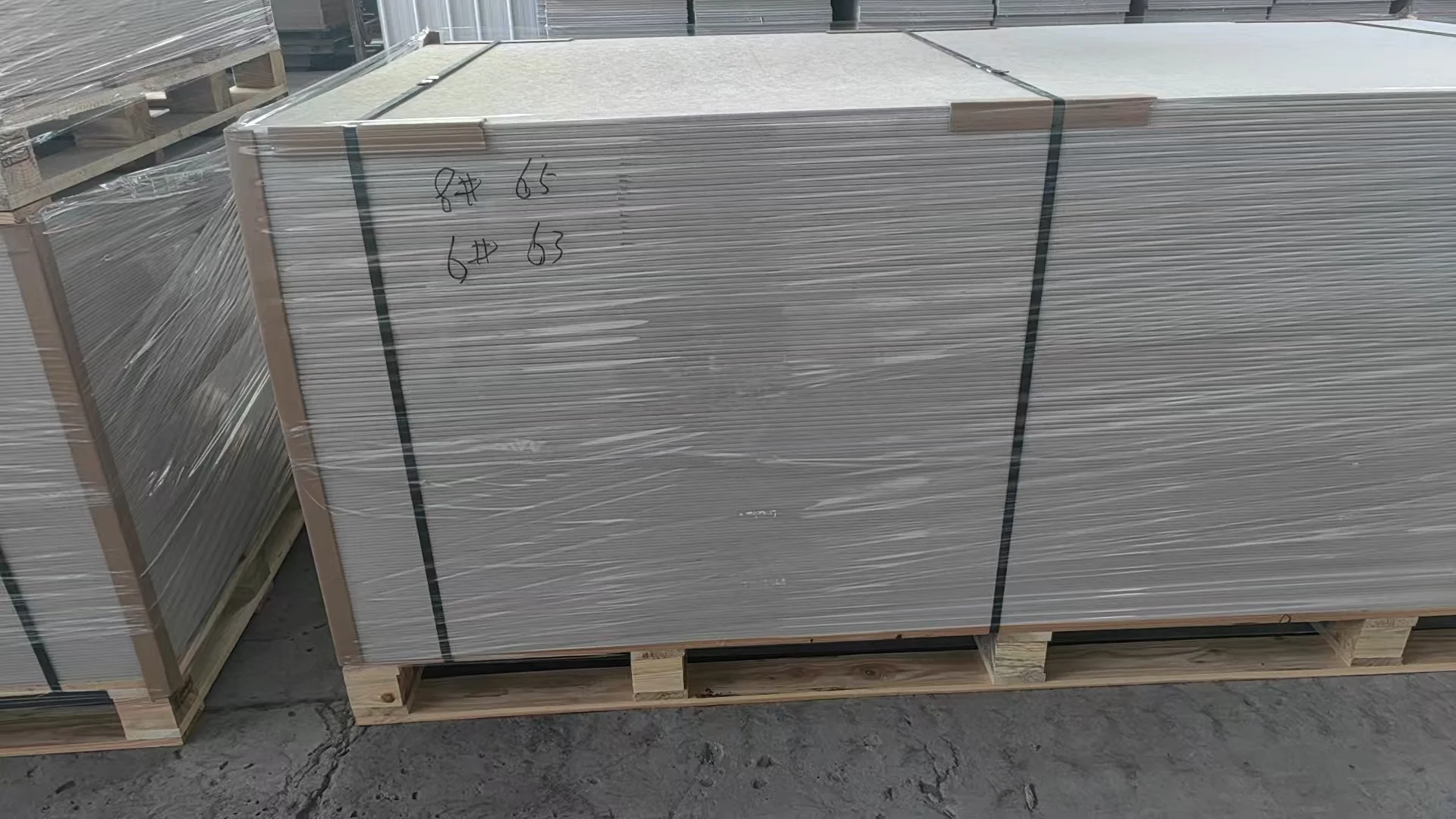
When I began manufacturing cement boards, I noticed this confusion often led to improper backing or skipped waterproofing. Without understanding the whole system, even a strong material won’t perform as designed.
How Do You Attach a Hardie Board to Studs?
This question seems straightforward, yet it’s where most installation problems start.
To attach Hardie or fiber cement boards to studs, use galvanized or stainless-steel screws designed for cement board, spaced 8 inches apart along framing members. For best results, drive screws flush—not countersunk—into the surface.
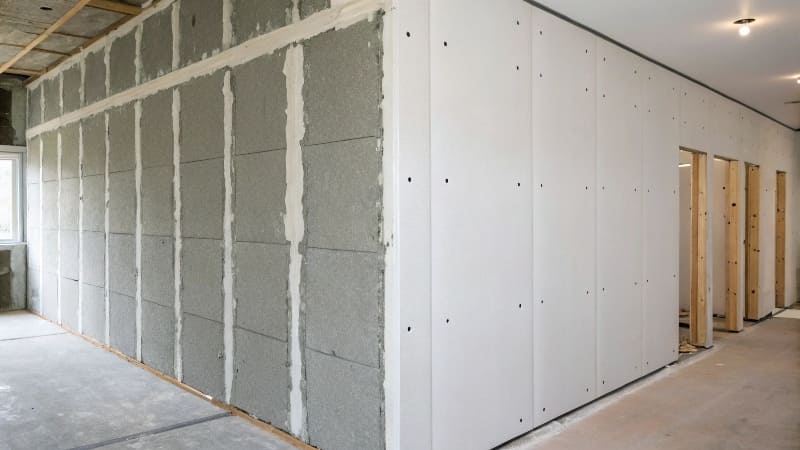
Step-by-Step Attachment Guide
When supervising installations, I remind contractors that fastening patterns and screw geometry affect the board’s integrity and lifespan.
| Step | Action | Why It Matters |
|---|---|---|
| 1 | Pre-plan stud layout at 16" centers | Ensures proper board support |
| 2 | Use corrosion-resistant cement screws | Prevents rust in humid areas |
| 3 | Drive screws flush (not overdriven) | Keeps board surface intact |
| 4 | Leave 1/8" gap between sheets | Allows expansion and sealing |
| 5 | Seal joints and corners | Stops water penetration |
These steps turn ordinary installation into long-term system reliability.
Can I Just Screw Down Cement Board?
It sounds simple—grab a drill and screw the board down—but that’s only half the job.
You can screw down cement board, but it must be installed over a proper framework or base, not directly on irregular surfaces. Before fastening, confirm studs are straight and edges align. Always use screws made for cement board, not drywall screws, to avoid cracking and rust.
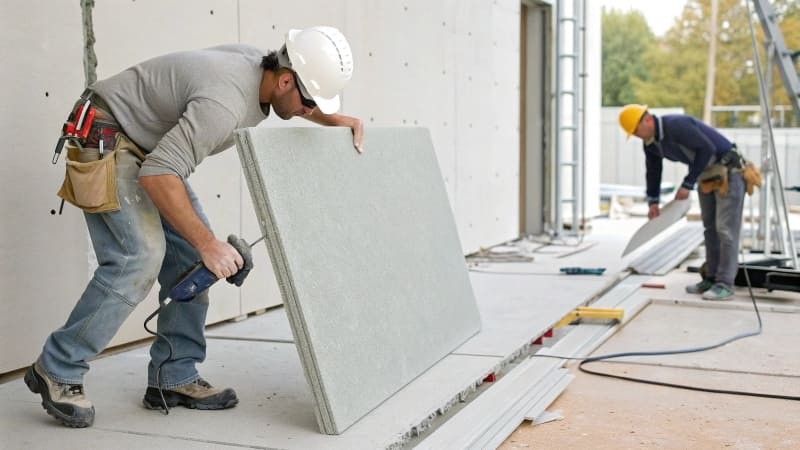
Why Screwing Alone Isn’t Enough
In our field tests, we found three common issues when installers rely only on screws without system steps:
| Issue | Cause | Result |
|---|---|---|
| Overdriven screws | Using high torque drill settings | Board surfacing damage |
| No sealant on joints | Skipping waterproof joint tape | Water leaks, mold risk |
| Wrong screw type | Using drywall screws | Rust and possible board breakage |
Screwing is part of the installation process—but the true durability depends on sealing and substrate preparation.
What Are Common Mistakes When Installing Cement Board?
From what I’ve seen across many construction sites, installation failures rarely come from poor materials—they come from shortcuts.
Common mistakes include using drywall screws, not sealing joints, skipping waterproof membranes, and placing boards on uneven studs. Each of these errors reduces the board’s performance against moisture, mold, and structural stress.
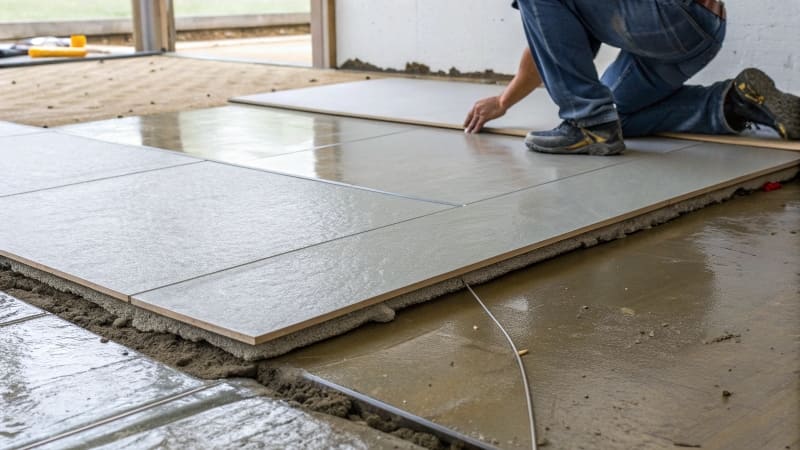
Avoiding Costly Errors
Learning from field installations, I’ve summarized the most frequent missteps and their fixes:
| Mistake | Impact | Correct Practice |
|---|---|---|
| Using wrong screws | Corrosion and weakened attachment | Use cement-specific, coated screws |
| Skipping joint sealing | Moisture and mold growth | Apply mesh tape + waterproof compound |
| Overtightening screws | Cracked board surface | Stop when screw head is flush |
| No vapor barrier behind board | Water leaks on exterior walls | Install moisture barrier before boards |
| Uneven framing | Board edges misalign, cracking | Check stud alignment before mounting |
Every successful cement board project relies on small, consistent details. Good installation is less about strength and more about precision.
Conclusion
Cement board can go directly on studs when installed correctly—with proper screw spacing, sealed joints, and moisture protection. Hardie boards attach using corrosion-resistant fasteners every 8 inches, and screwing alone is never enough without sealing and structural preparation. The most common mistakes are skipping waterproof treatments and using incorrect screws. In the end, durability is not just about hardness—but about how well the entire system is built and protected.
