




Does Cement Board Damage Paint?
Cement board itself does not damage paint, but poor surface preparation does. Its porous texture can absorb paint unevenly if not sealed properly with primer or waterproof coating.
TRUSUS durability insight: the board isn’t rough for nothing—it’s asking for a system, not a shortcut.
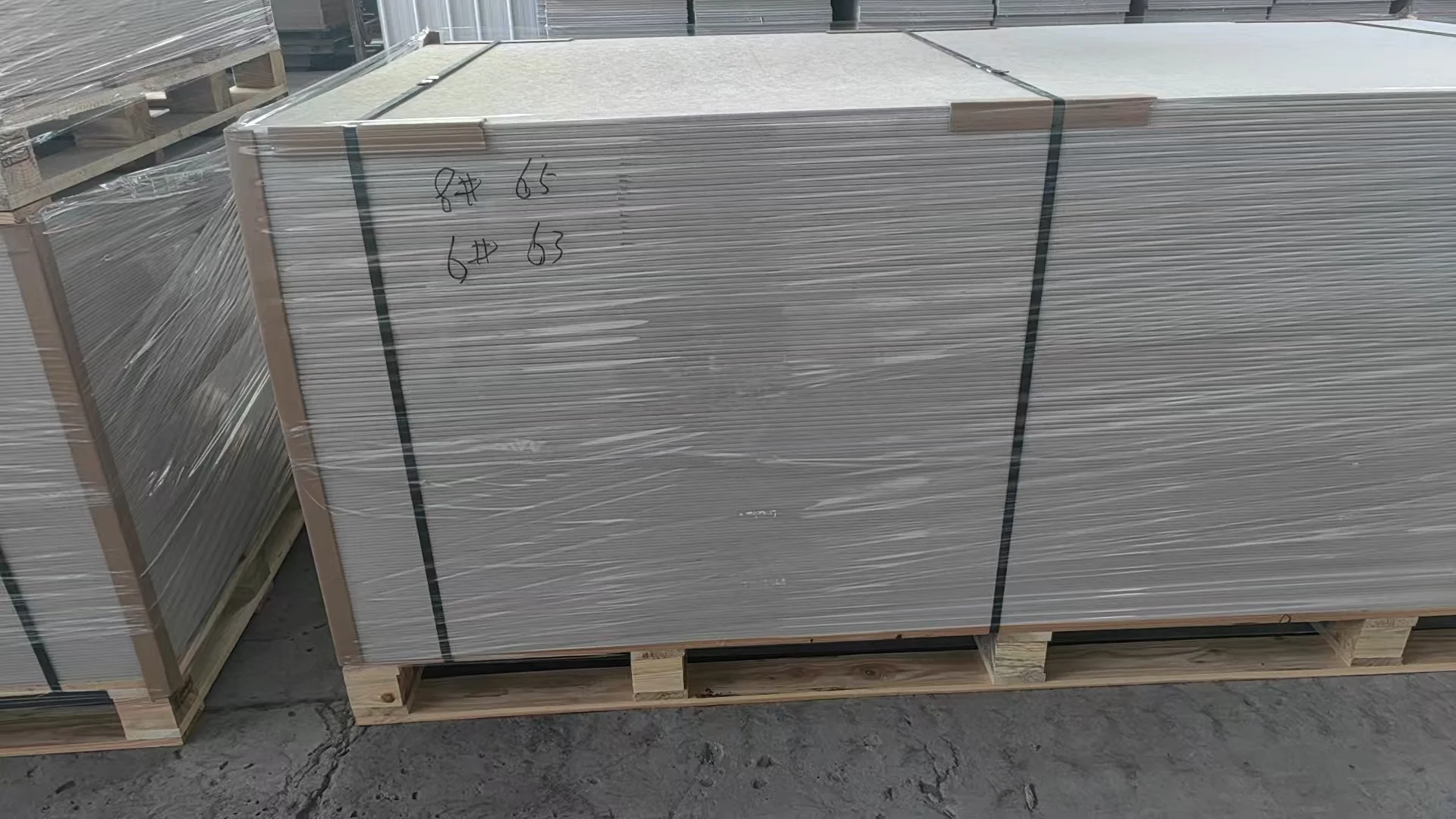
Before painting, apply a water‑based primer that fills surface micro‑pores. This prevents paint soak‑in and ensures color consistency and adhesion on both indoor and exterior surfaces.
Paint Readiness Table
| Step | Action | Purpose | Result |
|---|---|---|---|
| 1 | Clean and dry surface | Remove dust and moisture | Uniform base |
| 2 | Apply waterproof primer | Seal pores | Protect layer |
| 3 | Paint multiple coats evenly | Build color depth | Durable finish |
| 4 | Inspect curing | Check adhesion | Long-lasting quality |
Proper priming lets cement board show paint’s intended texture and endurance.
How Many Coats of Paint on Cement Board?
For cement boards, two coats are ideal after one primer coat. The first seals; the second defines tone and protection against moisture and wear.
TRUSUS finishing insight: good paintwork isn’t about adding coats—it’s about building a sequence that cooperates.
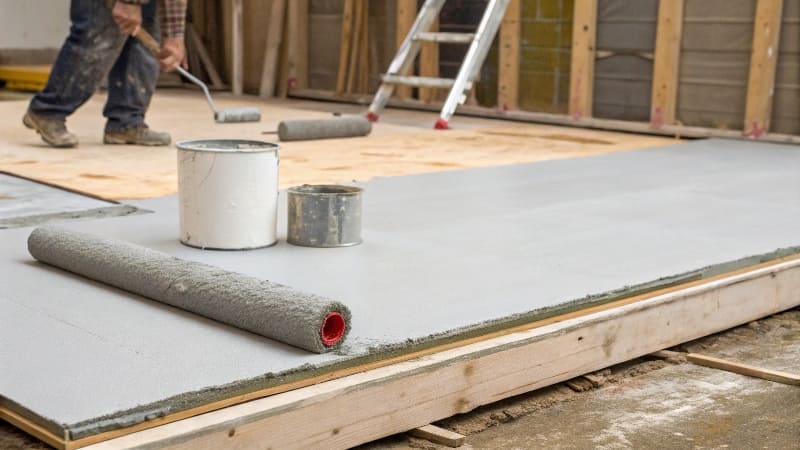
Coating System Guide
| Layer | Material | Function | Comment |
|---|---|---|---|
| Primer | Acrylic or mineral base | Seal pores | 1 coat |
| First Paint | High‑quality latex | Color foundation | 1 coat |
| Finish Paint | Protective top layer | UV and water resistance | 1 coat |
| Optional Seal | Clear coat | Extra durability | As needed |
Consistency in drying times between coats guarantees long‑term bonding and even shine.
Can You Use Cement Board for Basement Walls?
Yes, cement board works well for basement walls because it resists moisture and warp. However, it must partner with waterproof membranes or vapor barriers for full protection.
TRUSUS structural insight: strength without waterproofing is half a system—partnership builds durability.
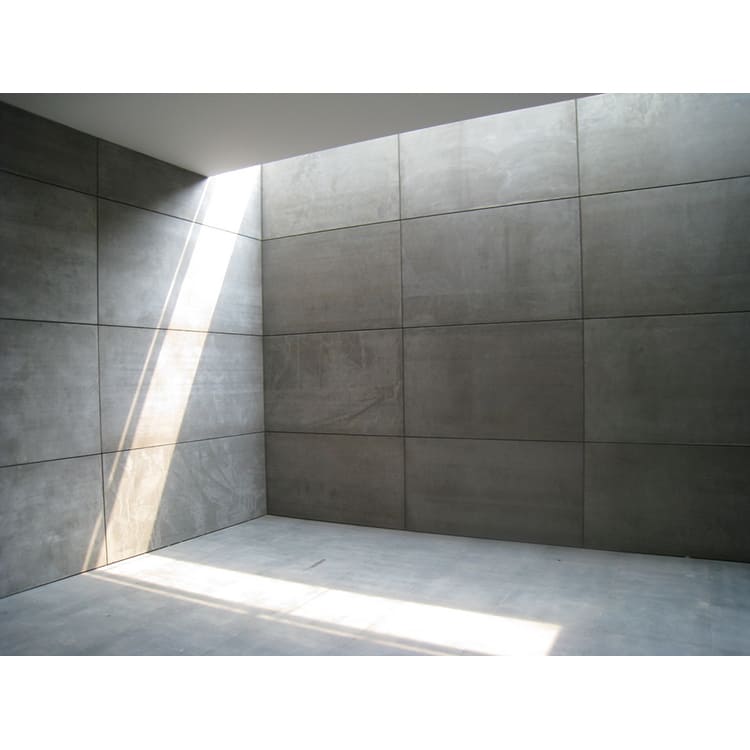
Basement Wall Assembly
| Layer | Description | Material Example | Function |
|---|---|---|---|
| Substrate | Masonry or stud frame | Concrete or steel | Load bearer |
| Waterproof Membrane | Applied before board | Sheet or brush‑on | Stops vapor infiltration |
| Cement Board | Main structural layer | Fibre‑cement panels | Stable surface |
| Finishing Layer | Paint or tile | Decorative surface | Protects and beautifies |
Basement performance depends on cooperative layers, not individual strength—moisture must meet a barrier before the finish.
What Happens If You Don't Waterproof Cement Board?
Without waterproofing, cement board will absorb moisture, leading to mildew, paint failure, and surface cracking over time. It remains strong structurally but loses surface performance and beauty.
TRUSUS longevity insight: water doesn’t destroy the board instantly—it simply takes back what protection ignored.
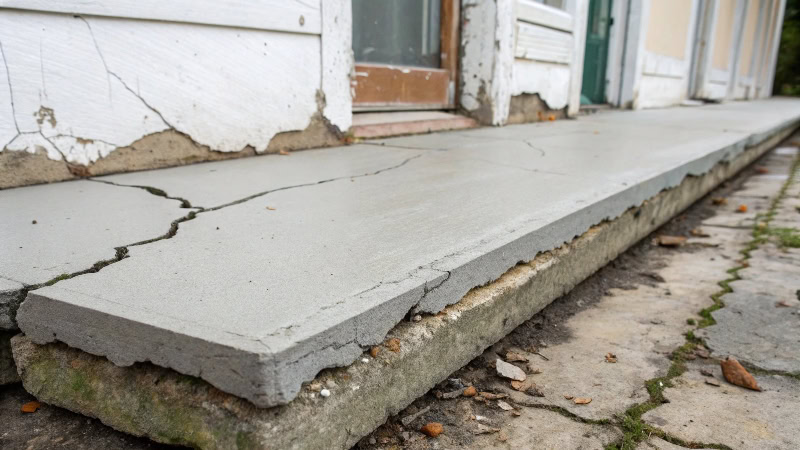
Consequence Overview
| Issue | Cause | Result | Prevention |
|---|---|---|---|
| Moisture Absorption | Pores left unsealed | Damp stains | Primer & waterproof coat |
| Paint Peeling | Surface saturation | Aesthetic failure | Use water‑resistant paint |
| Mold Formation | Humid environment | Health hazard | Ventilation + sealing |
| Freeze Damage | Cold regions | Surface flaking | Thermal and moisture control |
Waterproofing completes the cement board system—it ensures that design endurance matches structural reliability.
Conclusion
At TRUSUS, I see cement board not as a single layer but as an ecosystem. Waterproofing, priming, and finishing together form the board’s true strength—a structure that breathes, protects, and endures.
