




Does Cement Board Crack Easily?
Cement board does not crack easily when installed and handled correctly. Its fiber-reinforced composition makes it stable, strong, and resistant to common structural stress or environmental change.
TRUSUS insight: cracks come from misuse, not material weakness.
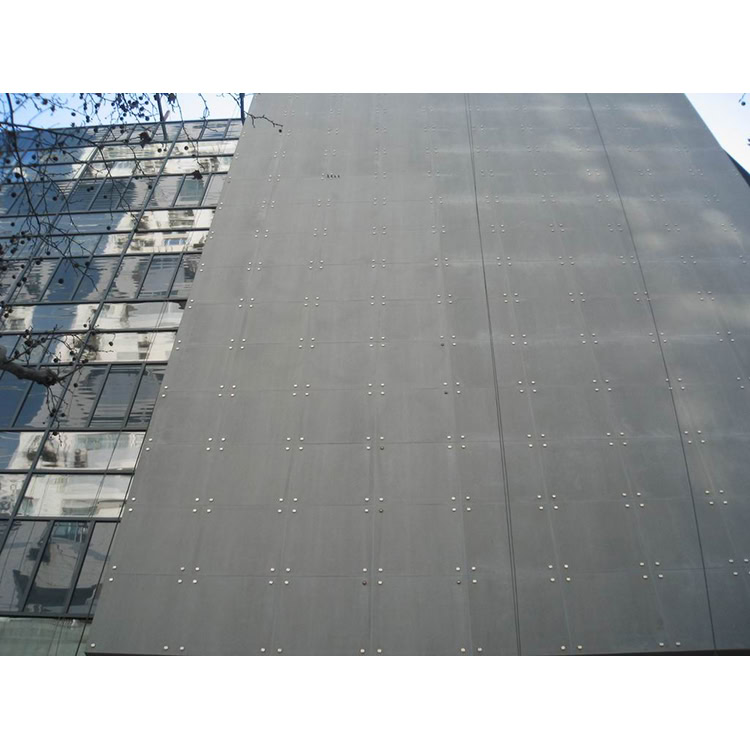
Cement boards undergo controlled curing and high-pressure processing that ensure dimensional stability. Cracks often result from careless cutting, improper fastening, or unstable substructures—not from the board itself.
Is Cement Board Fragile?
Cement board is not fragile. While it may look rigid like concrete, it is actually an engineered composite material reinforced with fibers that improve flexibility and impact resistance.
durability insight: strong materials bend under stress—they do not break.
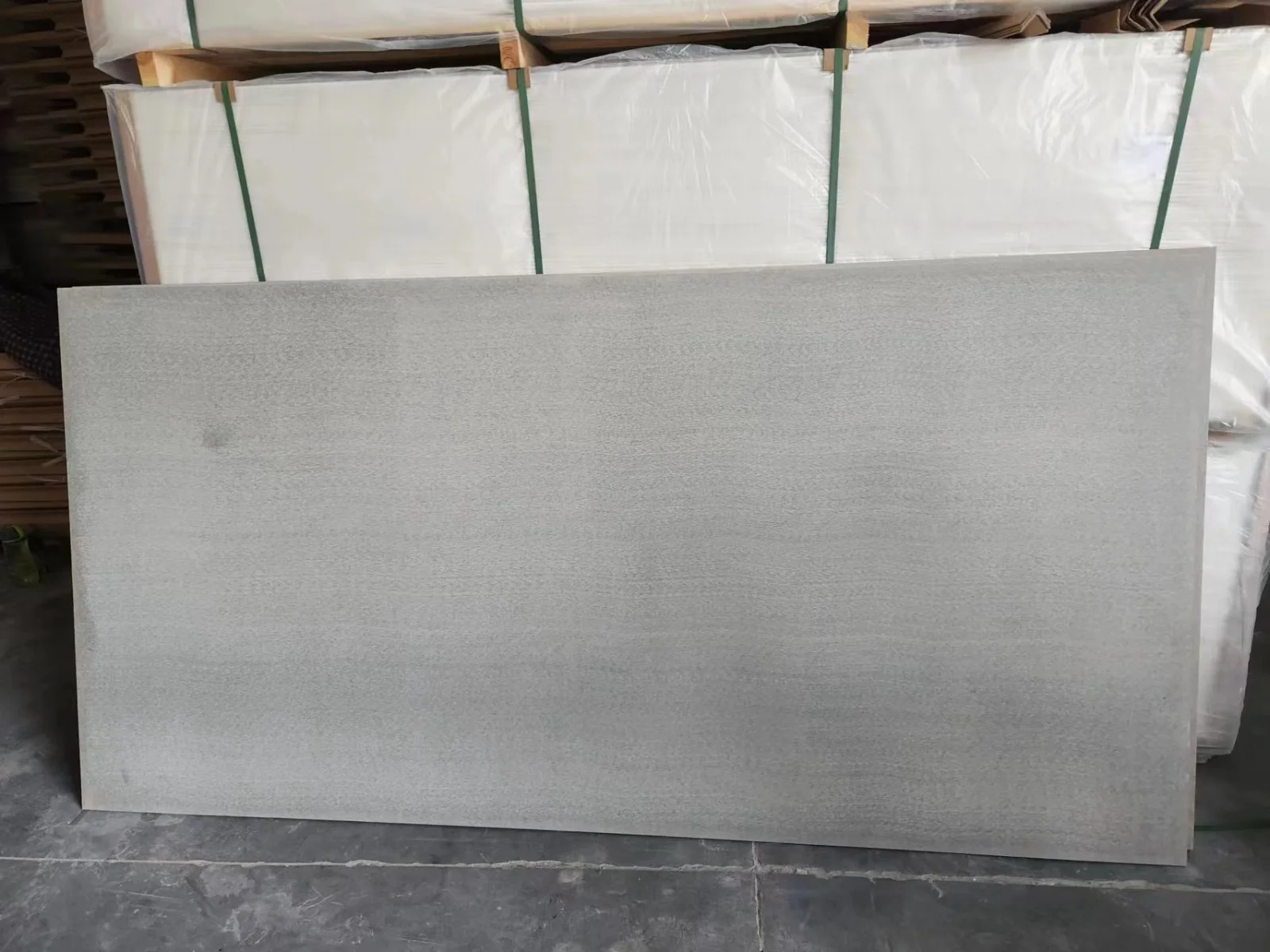
Material Performance Table
| Property | Traditional Cement | Fiber Cement Board |
|---|---|---|
| Structural Composition | Pure cement crystals | Cement + reinforcing fibers |
| Flexibility | Low | Moderate |
| Fracture Resistance | Weak under tension | Enhanced by fiber network |
| Handling | Brittle when thin | Strong and durable |
During production, steam curing and pressure consolidation strengthen internal bonding, which allows the board to handle cutting, drilling, and installation shock without failure.
Will Cement Board Rot?
No, cement board will not rot. It is made from inorganic materials such as cement, silica, and reinforcing fibers that do not decay or decompose in moisture or heat.
material insight: rot affects organic matter—cement board is mineral, not wood.
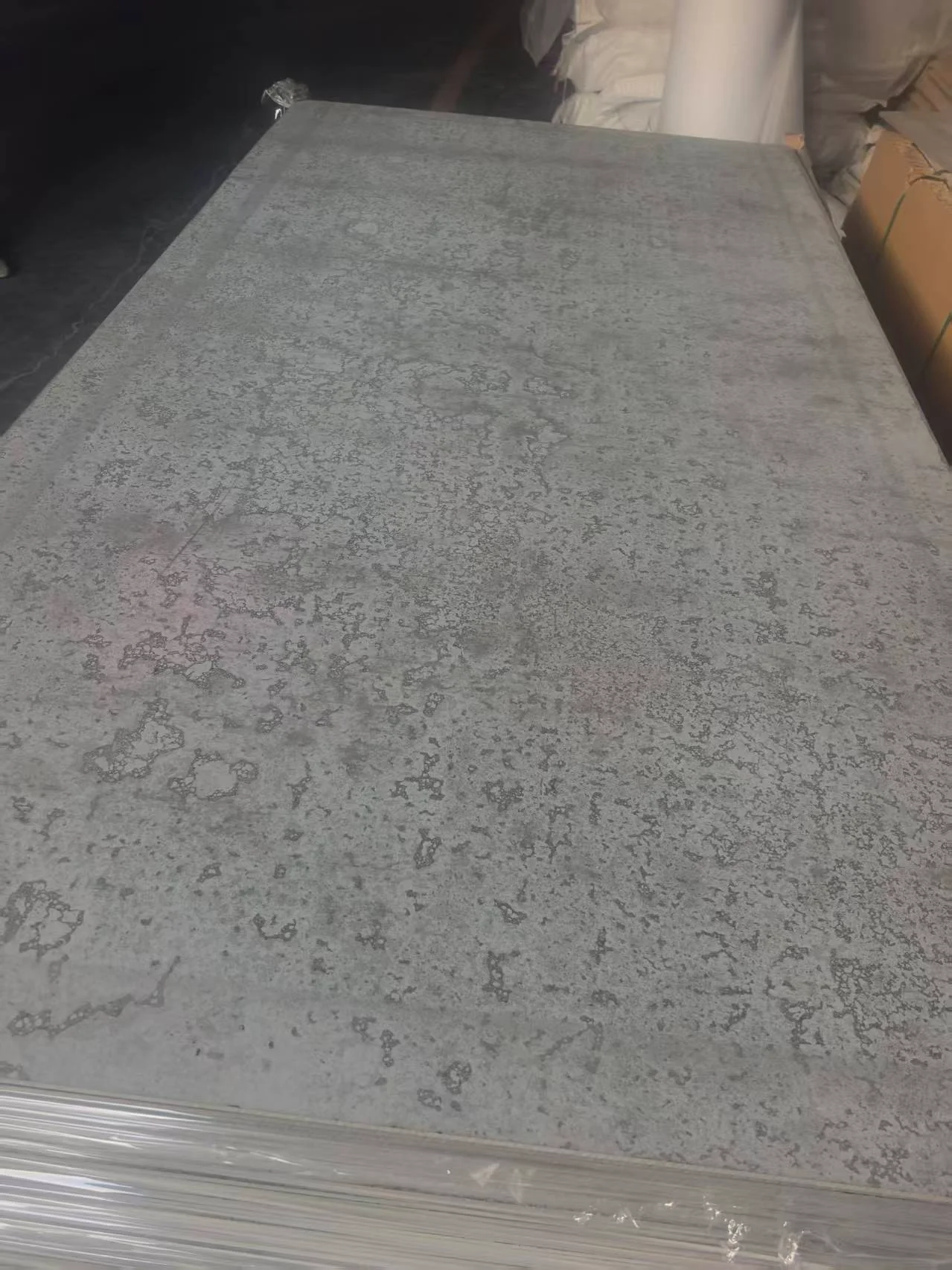
Moisture and Durability Comparison
| Material Type | Rot Resistance | Mold Growth | Water Absorption |
|---|---|---|---|
| Wood-based board | Poor | High | High |
| Gypsum board | Moderate | Possible | Moderate |
| Fiber cement board | Excellent | Very low | Low |
Cement boards are ideal for bathrooms, kitchens, or exterior façades because they retain shape and stability even after long exposure to humidity.
What Tests Are Conducted on Fiber Cement Boards?
Fiber cement boards are tested for strength, durability, and stability under different environmental conditions. These laboratory tests prove their long-term reliability before use in construction.
testing insight: each property is measured, not assumed.
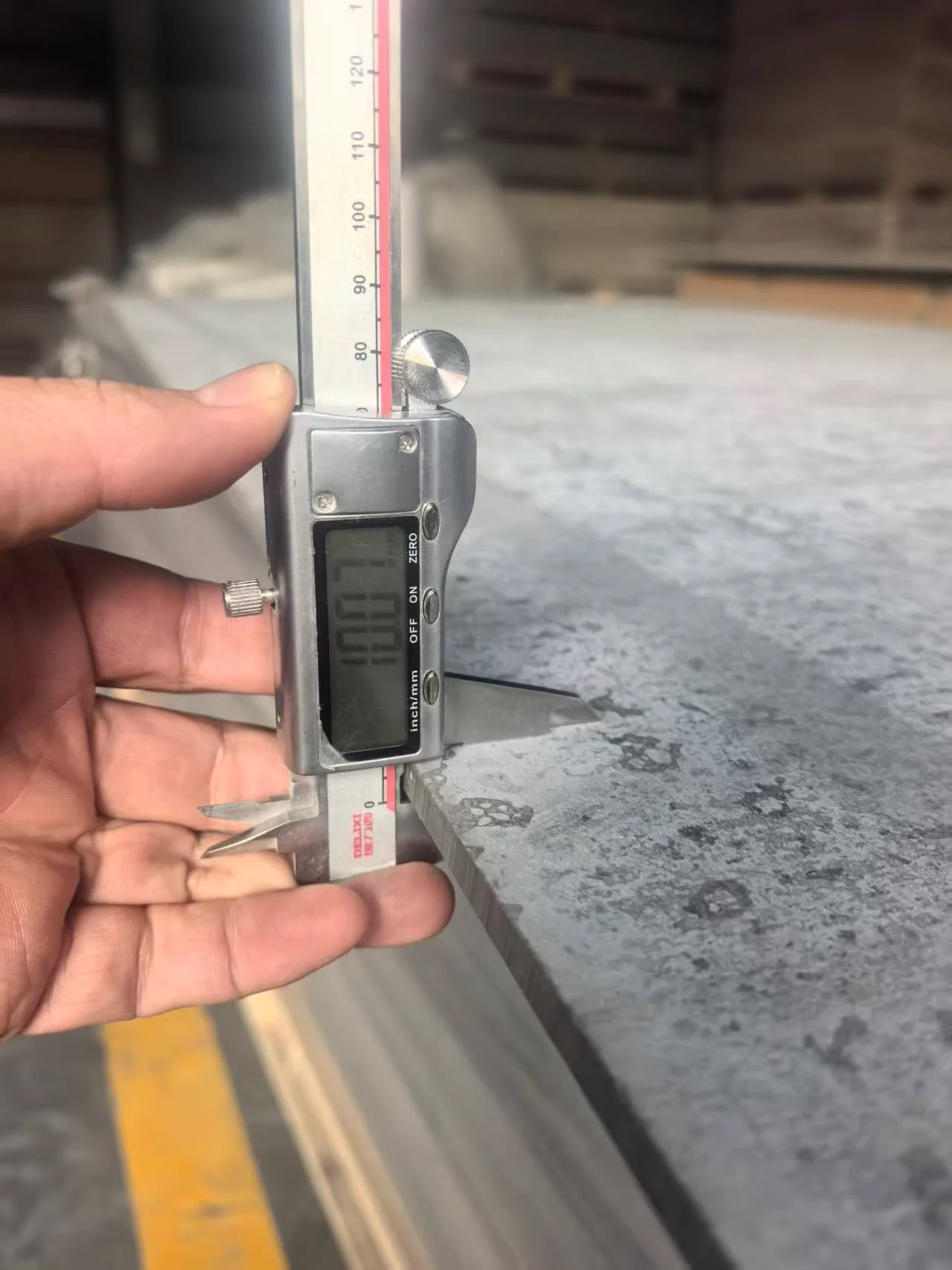
Laboratory Test Overview
| Test Type | Purpose | Typical Standard |
|---|---|---|
| Bending Strength Test | Measures load-bearing capacity | ≥18 MPa |
| Impact Resistance | Checks surface toughness | No fracture after standard drop |
| Freeze–Thaw Cycle | Evaluates cold weather durability | 50 cycles without damage |
| Wet–Heat Resistance | Simulates tropical climate | Maintains structure and adhesion |
| Dimensional Stability | Assesses size change under humidity | ≤0.25% expansion |
| Combustion Test | Verifies fire performance | Non-combustible, Class A rating |
These results confirm that cement boards are not fragile shells but thoroughly engineered materials designed for performance in real-world conditions.
Conclusion
Cement board is a proven structural material—tough, stable, and built to last. It doesn’t rot, it rarely cracks, and every claim is backed by testing. At TRUSUS, I always remind clients: a board’s true strength doesn’t lie in how it feels when handled, but in how it performs across time.
