




Does Cement Board Corrode Screws?
Cement board itself doesn’t corrode screws directly. It’s a neutral or slightly alkaline composite made from cement and fibers, so chemically it doesn’t attack metal. Corrosion happens when screws face moisture, salt air, or poor coatings, not from the board itself.
To prevent rusting, use galvanized or stainless steel fasteners, especially in wet or exterior environments.
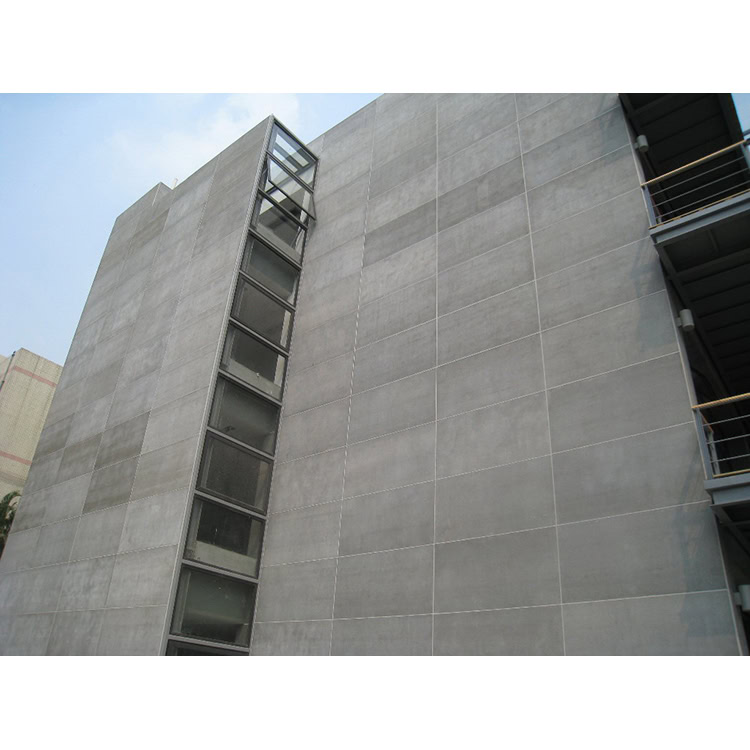
If a screw rusts in a cement board installation, the cause is exposure—not board chemistry.
What Is the Best Fastener for Cement Board?
The best fastener for cement board is a fibercement self-drilling screw with corrosion-resistant coating. Galvanized or stainless steel screws are ideal. They’re designed for hard materials, preventing cracking and ensuring firm grip during installation. A flat or countersunk head improves surface finishing.
TRUSUS recommends stainless or coated cement board screws tested for alkaline and moisture resistance.
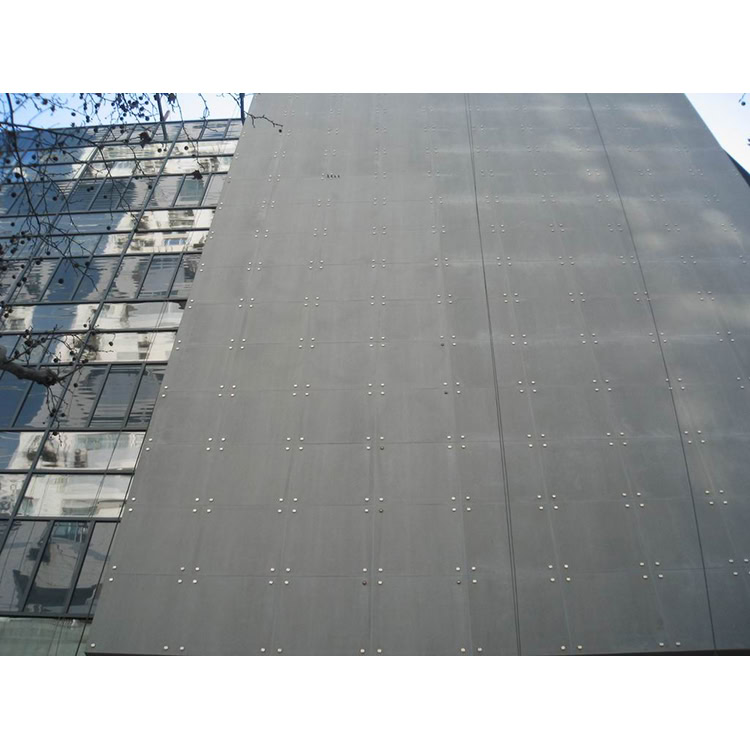
Fastener Comparison Table
| Type | Coating | Use Environment | Key Advantage |
|---|---|---|---|
| Galvanized screw | Zinc layer | Indoor & dry zones | Basic corrosion protection |
| Stainless steel screw | None needed | Coastal or humid areas | Long-term durability |
| Cement board self-tapping screw | Ceramic or epoxy coat | Structural mounting | High grip, anti-crack |
| Roofing screw with washer | Rubberized seal | Exterior panels | Water resistance |
Metal reacts more with air than with cement fiber, so a well-chosen fastener stands the test of time.
Installation Hint
| Tip | Explanation |
|---|---|
| Pre-drill holes | Reduces surface spalling |
| Do not overtighten | Avoid stress cracking |
| Seal joints well | Keeps moisture away |
| Use correct torque driver | Protects coating integrity |
The board’s strength will last if the fastener’s resistance matches the application environment.
What Is the Best Way to Fasten Cement Board?
The best fastening method depends on where the board is installed. For walls, use staggered screw patterns along framing lines, spaced about 20–25 cm (8–10 inches) apart. For flooring underlayment, use thin-set mortar beneath and screws every 15 cm (6 inches). Always adhere to structure design to balance load, vibration, and environmental stress.
installation principle: fastening is a system, not just attaching.
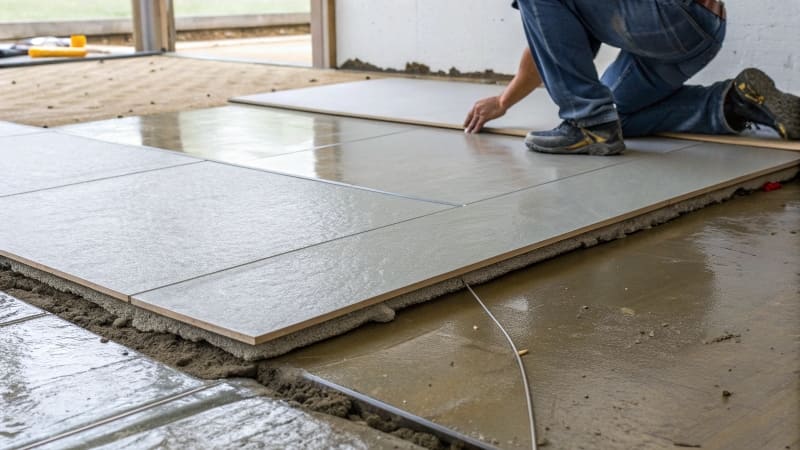
Recommended Fastening Pattern
| Application | Support Type | Spacing | Tool |
|---|---|---|---|
| Wall cladding | Steel stud | 8–10 in | Screw gun |
| Ceiling system | Suspension stud | 10–12 in | Auto-feed driver |
| Floor underlayment | Subfloor | 6 in | Impact driver |
| Exterior façade | Metal frame | 8 in | Torque-controlled gun |
Additional Protective Steps
| Step | Purpose | Result |
|---|---|---|
| Seal cut edges | Stops moisture intrusion | Longer lifespan |
| Use joint tape & compound | Smooth surface | Crack resistance |
| Apply primer before paint | Neutralizes alkalinity | Better finish |
| Add expansion joint spacing | Absorbs movement | Prevents warping |
Good fastening is about force distribution and environmental control, not just screw count.
How Well Does a Cement Board Hold Paint?
Cement board holds paint very well, provided it’s properly prepped and sealed. The board’s porous surface gives excellent adhesion, but its mild alkalinity may affect color durability unless primed. Use acrylic-based primers and outdoor-rated paint for best results. Silicone sealers can also help stabilize surface absorbency.
TRUSUS surface treatment system includes a sealed finish layer, ensuring high color accuracy and long-lasting protection.
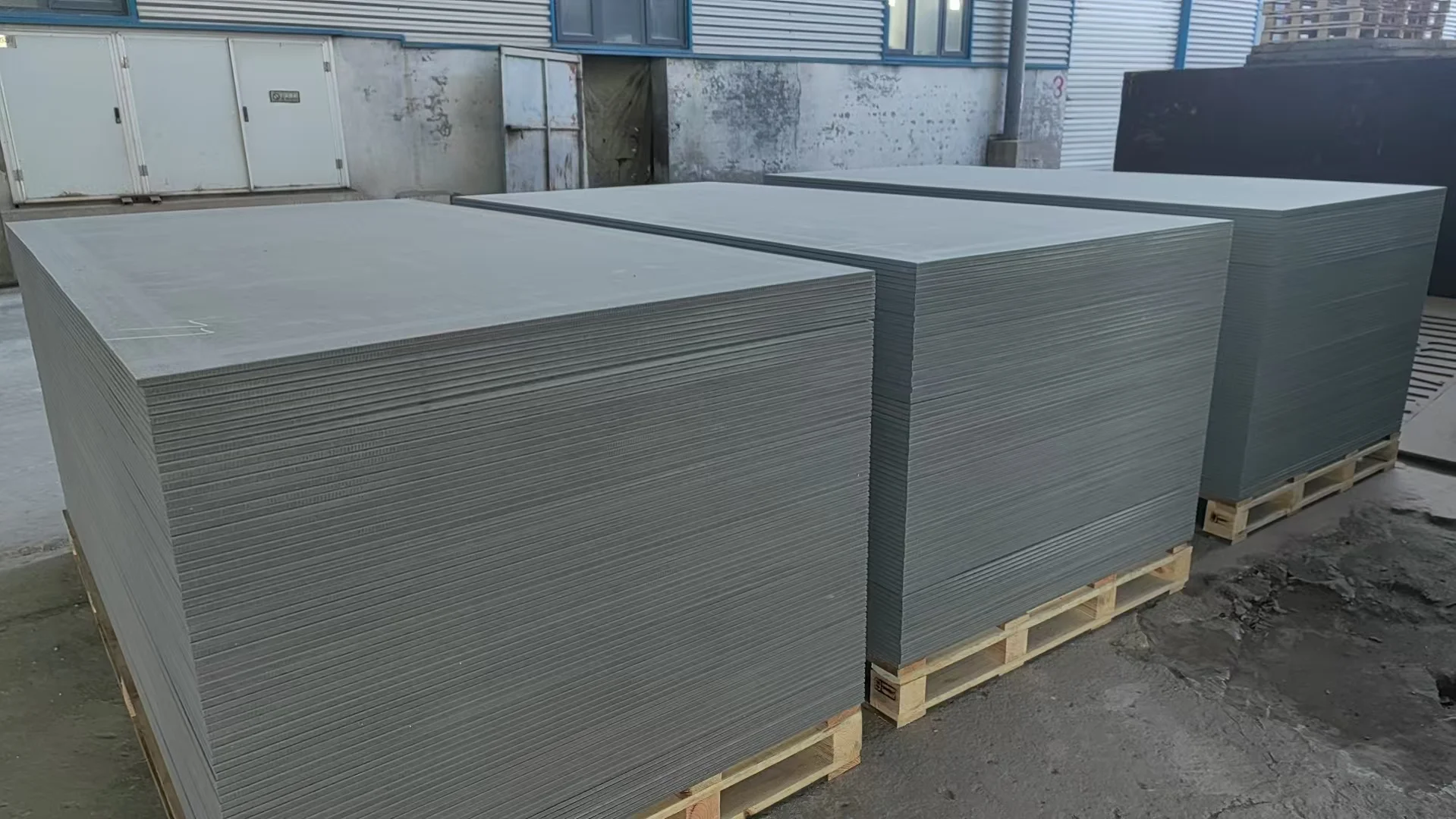
Paint Compatibility
| Paint Type | Primer Needed | Finish Quality | Common Use |
|---|---|---|---|
| Acrylic latex | Yes | Smooth, durable | Interior & exterior |
| Epoxy paint | Yes | Hard, high-gloss | Industrial surface |
| Silicate mineral paint | Optional | Breathable | Historic or natural finish |
| Polyurethane coating | Yes | Strong protection | Commercial cladding |
Surface Preparation Guidelines
| Step | Description |
|---|---|
| Clean dust and debris | Improves adhesion |
| Apply penetrating primer | Neutralizes surface |
| Wait full cure time | Avoid trapped moisture |
| Use two thin coats | Long-lasting finish |
Cement board is a dependable paint substrate because it doesn’t swell or warp under humidity, and sealing creates a professional-grade finish that resists aging and discoloration.
Conclusion
Cement board doesn’t corrode screws—it’s environmental exposure that does. The best fasteners are stainless or coated self-drilling screws, applied in a clean, uniform pattern across the support frame. For fastening, correct spacing and sealing matter more than force. Once installed and primed, TRUSUS cement board holds paint smoothly with excellent adhesion and color stability. In TRUSUS design philosophy, every secure joint and clean finish reflects system thinking—because building reliability comes from harmony between materials, fasteners, and surface treatment.
