




Does Cement Board Contain Silica?
Cement board contains crystalline silica as a natural component of Portland cement, typically 15-25% by weight, which provides structural strength and durability but requires proper handling during cutting and installation to minimize respirable dust exposure.
Portland cement naturally contains 18-25% silica dioxide from limestone and clay raw materials used in manufacturing processes. Crystalline silica exists as quartz providing compressive strength and chemical stability in hardened cement matrix. Silica content varies by manufacturer and specific formulation requirements ranging 15-30% depending on application. Respirable crystalline silica becomes airborne during cutting, drilling, and sanding operations requiring dust control measures and personal protective equipment. Modern low-dust formulations reduce exposure through encapsulation techniques and alternative fiber reinforcement.
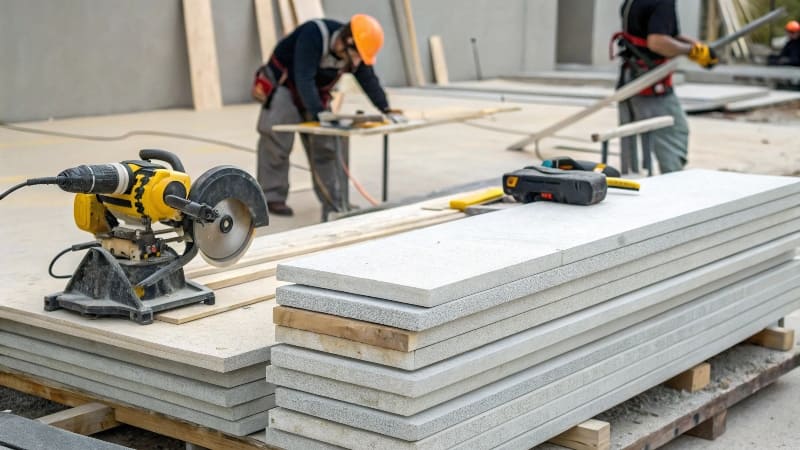
From my extensive experience in cement board manufacturing, I've observed the industry's evolution toward safer formulations and enhanced worker protection protocols while maintaining the structural performance that silica provides in cement-based products.
Does All Cement Contain Silica?
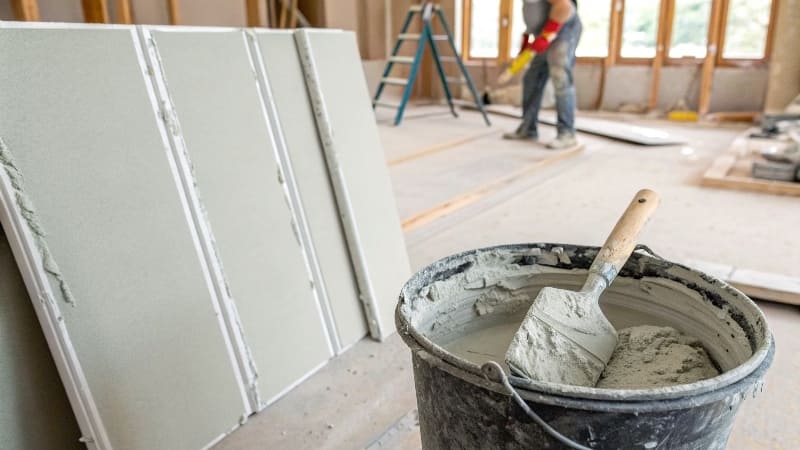
All Portland cement contains crystalline silica as an essential component ranging from 18-25%, derived from natural raw materials including limestone, clay, and sand used in the manufacturing process, making silica an inherent and necessary element for cement's strength properties.
Portland cement manufacturing requires silica-rich materials including limestone (CaCO₃) and clay (Al₂O₃·SiO₂) that naturally contain 20-70% silica content. Clinker formation process creates silicate minerals including tricalcium silicate (C₃S) and dicalcium silicate (C₂S) providing primary strength development. Different cement types vary in silica content with Type I containing 20-24% and Type V containing 18-22% based on specific performance requirements. Alternative cement formulations use supplementary materials like fly ash and slag that also contain significant silica maintaining strength while reducing Portland cement content. Silica-free cement alternatives remain experimental with limited commercial availability and reduced performance characteristics.
Silica Content by Cement Type
Different cement formulations contain varying levels of crystalline silica based on performance requirements.
| Cement Type | Silica Content Range | Primary Silicate Phases | Application Focus | Manufacturing Source |
|---|---|---|---|---|
| Type I (General Purpose) | 20-24% | C₃S, C₂S dominant | Standard construction | Limestone, clay |
| Type II (Moderate Sulfate) | 19-23% | Balanced silicates | Moderate exposure | Modified raw mix |
| Type III (High Early Strength) | 22-26% | High C₃S content | Rapid construction | Fine grinding |
| Type IV (Low Heat) | 18-22% | Low C₃S, high C₂S | Mass concrete | Controlled composition |
| Type V (Sulfate Resistant) | 18-22% | Limited C₃A | Aggressive environments | Specialized raw materials |
Type I Portland cement represents the most common formulation with standard silica content levels.
Silica Sources in Cement Manufacturing
Multiple raw materials contribute crystalline silica to finished cement products.
| Raw Material Source | Silica Contribution | Typical Percentage | Processing Impact | Quality Considerations |
|---|---|---|---|---|
| Limestone | Primary calcium source | 60-75% of raw mix | Calcination process | Purity requirements |
| Clay/Shale | Alumina and silica | 15-25% of raw mix | High temperature fusion | Mineral composition |
| Sand | Pure silica addition | 5-10% adjustment | Direct incorporation | Particle size control |
| Iron Ore | Minor silica content | 2-5% of raw mix | Flux material | Chemical balance |
| Fly Ash | Supplementary silica | Variable replacement | Pozzolanic reaction | Quality standards |
Limestone calcination creates the primary chemical environment where silica becomes integrated into cement minerals.
Alternative Cement Formulations
Emerging cement technologies attempt to reduce or eliminate crystalline silica content.
| Alternative Type | Silica Reduction Method | Silica Content | Performance Impact | Commercial Status |
|---|---|---|---|---|
| Geopolymer Cement | Alkali activation | Varies 5-40% | Different chemistry | Limited availability |
| Calcium Aluminate | Alternative chemistry | 3-8% | Rapid setting | Specialized applications |
| Magnesium Cement | Non-Portland system | 0-5% | Moderate strength | Research phase |
| Bio-Cement | Bacterial precipitation | Variable | Experimental properties | Laboratory stage |
| Recycled Cement | Waste material base | Depends on source | Variable performance | Development stage |
Geopolymer cements show the most promise for significant silica reduction while maintaining structural properties.
Is Silica as Bad as Asbestos?
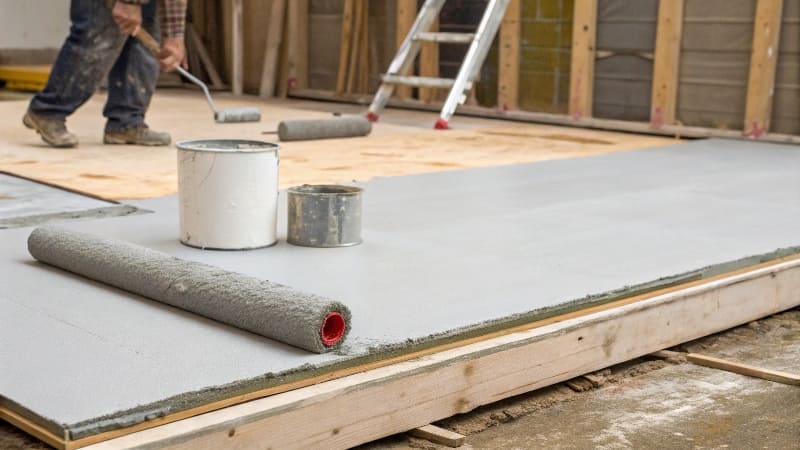
Crystalline silica is not as dangerous as asbestos but poses significant health risks including silicosis, lung cancer, and autoimmune diseases when inhaled as respirable particles, requiring strict exposure controls but lacking asbestos's unique fiber structure and carcinogenic potency.
Crystalline silica causes silicosis through lung tissue scarring after prolonged high-level exposure but requires higher concentrations than asbestos for disease development. Cancer risk exists with chronic exposure showing increased lung cancer rates in heavily exposed workers but lower potency than asbestos. Particle size determines health impact with respirable particles under 0.5 microns creating greatest health hazard. Regulatory limits set at 0.05 mg/m³ for 8-hour workplace exposure compared to 0.1 fibers/mL for asbestos. Disease latency periods range 10-30 years similar to asbestos-related diseases but with different progression patterns.
Health Impact Comparison
Crystalline silica and asbestos create different types of lung diseases with varying severity levels.
| Health Factor | Crystalline Silica | Asbestos | Risk Level Comparison | Medical Outcomes |
|---|---|---|---|---|
| Primary Disease | Silicosis | Mesothelioma | Moderate vs. severe | Treatable vs. fatal |
| Cancer Risk | Lung cancer increase | Multiple cancers | Elevated vs. extreme | Variable prognosis |
| Exposure Threshold | 0.05 mg/m³ (8-hour TWA) | 0.1 fibers/mL | Regulatory limits | Occupational standards |
| Disease Latency | 10-30 years | 20-50 years | Similar timeframes | Long-term monitoring |
| Particle Behavior | Crystalline structure | Fiber morphology | Different mechanisms | Lung clearance rates |
Asbestos poses higher cancer risk due to its unique fiber structure and resistance to biological breakdown.
Exposure Control Measures
Effective protection strategies reduce health risks from both crystalline silica and asbestos exposure.
| Control Method | Silica Application | Effectiveness Level | Implementation Cost | Regulatory Requirements |
|---|---|---|---|---|
| Engineering Controls | Wet cutting, ventilation | 80-95% reduction | Moderate investment | OSHA mandated |
| Personal Protection | N95/P100 respirators | 90-99% protection | Low ongoing cost | Training required |
| Work Practices | Dust suppression | 70-90% reduction | Minimal cost | Procedure compliance |
| Medical Surveillance | Regular lung screening | Early detection | Healthcare costs | Legal requirements |
| Substitution | Alternative materials | 100% elimination | Variable costs | Performance trade-offs |
Engineering controls provide the most effective and sustainable protection against silica exposure.
Regulatory Framework Differences
Silica and asbestos face different regulatory approaches reflecting their relative risk levels.
| Regulatory Aspect | Crystalline Silica | Asbestos | Control Philosophy | Enforcement Level |
|---|---|---|---|---|
| Workplace Limits | Permissible exposure | Complete prohibition | Risk management vs. elimination | Active monitoring |
| Product Restrictions | Limited controls | Total ban (most countries) | Controlled use vs. prohibition | Market enforcement |
| Labeling Requirements | Hazard warnings | Prohibited substance | Safety information vs. removal | Consumer protection |
| Disposal Regulations | Standard waste | Hazardous waste | Normal handling vs. specialized | Environmental safety |
| International Status | Regulated substance | Banned substance | Risk control vs. elimination | Global harmonization |
Asbestos faces complete prohibition while silica receives risk management approaches reflecting their different hazard profiles.
What is the Difference Between Cement Board and Fibre Cement Board?
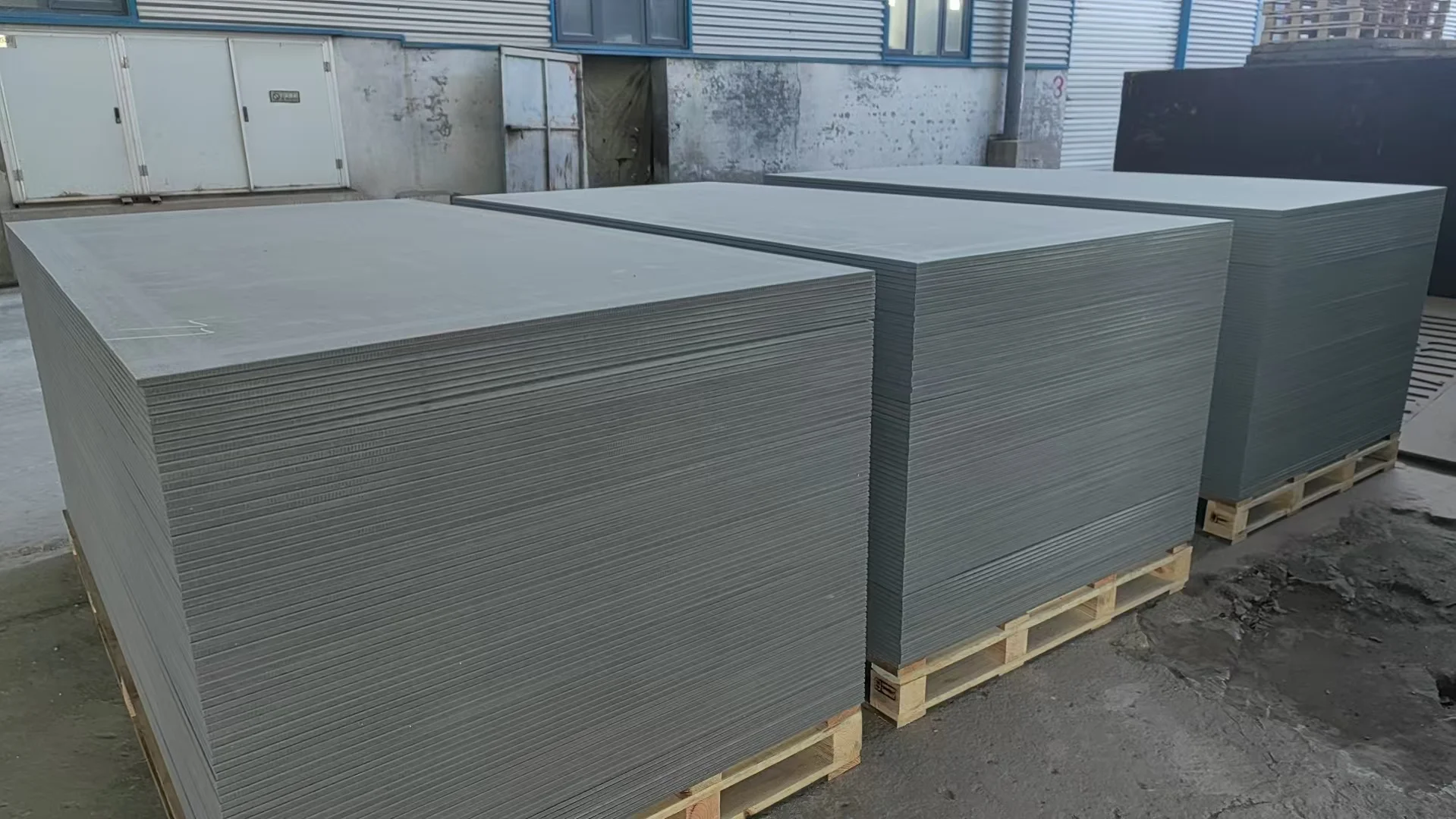
Cement board uses Portland cement with minimal fiber reinforcement while fiber cement board incorporates 8-15% cellulose or synthetic fibers providing enhanced flexibility, impact resistance, reduced weight, and improved crack resistance for demanding applications.
Standard cement board contains primarily Portland cement with sand aggregate and minimal fiber content creating high density and compressive strength. Fiber cement board incorporates 8-15% cellulose fibers or synthetic reinforcement providing enhanced tensile strength and flexibility. Weight differences show fiber cement 20-30% lighter than standard cement board improving handling and installation efficiency. Impact resistance increases significantly in fiber cement applications with better crack propagation control. Manufacturing processes differ with fiber cement requiring specialized mixing and pressure forming techniques.
Composition and Manufacturing Differences
Distinct material formulations and production processes create different performance characteristics.
| Component Category | Standard Cement Board | Fiber Cement Board | Performance Impact | Manufacturing Complexity |
|---|---|---|---|---|
| Portland Cement | 65-80% content | 45-65% content | Primary binder | Standard processing |
| Sand/Aggregate | 15-25% content | 20-35% content | Density control | Particle size critical |
| Fiber Reinforcement | 0-3% minimal | 8-15% significant | Crack resistance | Specialized mixing |
| Water Content | 10-15% mixing | 8-12% optimized | Workability control | Moisture management |
| Additives | Basic plasticizers | Advanced polymers | Performance enhancement | Chemical compatibility |
Fiber content represents the most significant compositional difference affecting all performance characteristics.
Physical Property Comparison
Material properties vary significantly between standard and fiber-reinforced cement boards.
| Property Category | Standard Cement Board | Fiber Cement Board | Advantage | Application Impact |
|---|---|---|---|---|
| Density | 1.4-1.8 g/cm³ | 1.1-1.4 g/cm³ | Fiber cement lighter | Easier installation |
| Flexural Strength | 6-10 MPa | 12-20 MPa | Fiber cement stronger | Longer spans possible |
| Impact Resistance | Moderate | High | Fiber cement superior | Damage resistance |
| Thermal Expansion | 8-12 × 10⁻⁶/°C | 6-9 × 10⁻⁶/°C | Fiber cement lower | Dimensional stability |
| Water Absorption | 15-25% | 10-18% | Fiber cement lower | Moisture resistance |
Flexural strength improvement provides the most significant performance advantage for fiber cement products.
Application Suitability Analysis
Different applications benefit from specific board type characteristics and performance profiles.
| Application Type | Standard Cement Board | Fiber Cement Board | Selection Criteria | Performance Requirements |
|---|---|---|---|---|
| Interior Wet Areas | Suitable | Preferred | Moisture resistance | Water exposure tolerance |
| Exterior Cladding | Limited use | Ideal | Weather resistance | Thermal cycling tolerance |
| Fire-Rated Assemblies | Excellent | Excellent | Fire performance | Structural integrity |
| High-Impact Zones | Adequate | Superior | Abuse resistance | Damage tolerance |
| Long-Span Applications | Limited | Preferred | Structural performance | Deflection control |
Exterior applications show the clearest advantage for fiber cement board selection.
Cost and Installation Considerations
Economic factors and installation requirements influence material selection decisions.
| Economic Factor | Standard Cement Board | Fiber Cement Board | Cost Difference | Value Proposition |
|---|---|---|---|---|
| Material Cost | $0.80-1.20/sq ft | $1.20-2.00/sq ft | 30-60% premium | Performance benefits |
| Installation Labor | Standard rates | Slightly higher | 5-10% increase | Specialized tools |
| Transportation | Higher weight costs | Lower shipping | 15-25% savings | Logistics advantage |
| Maintenance | Regular inspection | Extended intervals | Long-term savings | Durability benefits |
| Lifecycle Cost | Baseline | 10-20% lower | Total ownership | Performance value |
Lifecycle cost analysis often favors fiber cement board despite higher initial material costs.
Conclusion
Cement board contains crystalline silica as natural component of Portland cement, typically 15-25% by weight providing structural strength and durability but requiring proper handling during cutting to minimize respirable dust exposure through dust control measures and personal protective equipment. All Portland cement contains crystalline silica ranging 18-25% from limestone and clay raw materials used in clinker formation process creating silicate minerals including C₃S and C₂S that provide primary strength development with different cement types varying in silica content based on performance requirements. Crystalline silica is not as dangerous as asbestos but poses significant health risks including silicosis when inhaled as respirable particles requiring strict exposure controls at 0.05 mg/m³ but lacking asbestos's unique fiber structure and extreme carcinogenic potency. Cement board uses Portland cement with minimal fiber while fiber cement board incorporates 8-15% cellulose fibers providing enhanced flexibility, impact resistance and 20-30% weight reduction with improved crack resistance for demanding applications. Success with cement board selection requires understanding that silica content is inherent to cement chemistry and provides essential strength properties, with safety achieved through proper handling procedures, dust control systems, and recognition that fiber reinforcement significantly improves performance characteristics while maintaining the fundamental benefits of cement-based materials for construction applications.
