




Does Cement Board Come in Colors?
When architects first ask me, "Does cement board come in colors?", I sense they're really asking whether cement board can be part of their design vision—not just hidden structure.
Yes, cement board now comes in multiple colors. Modern manufacturing techniques allow for integral pigments, surface coatings, UV-resistant paints, and textured finishes that extend far beyond traditional gray. Colors range from natural earth tones to custom architectural hues.

In our production facility, I've seen how color technology transforms cement board from a utility material into an expressive building element. The key lies not just in adding pigment, but in ensuring color stability and weather resistance over decades.
What Are the Colors of Fibre Cement Cladding?
Designers often want to know the full spectrum available for exterior applications where durability meets aesthetics.
Fibre cement cladding typically comes in earth tones, neutrals, and contemporary colors including whites, grays, beiges, browns, blues, greens, and custom-matched shades. Advanced coating systems allow vibrant or matte finishes while maintaining UV and weather resistance.
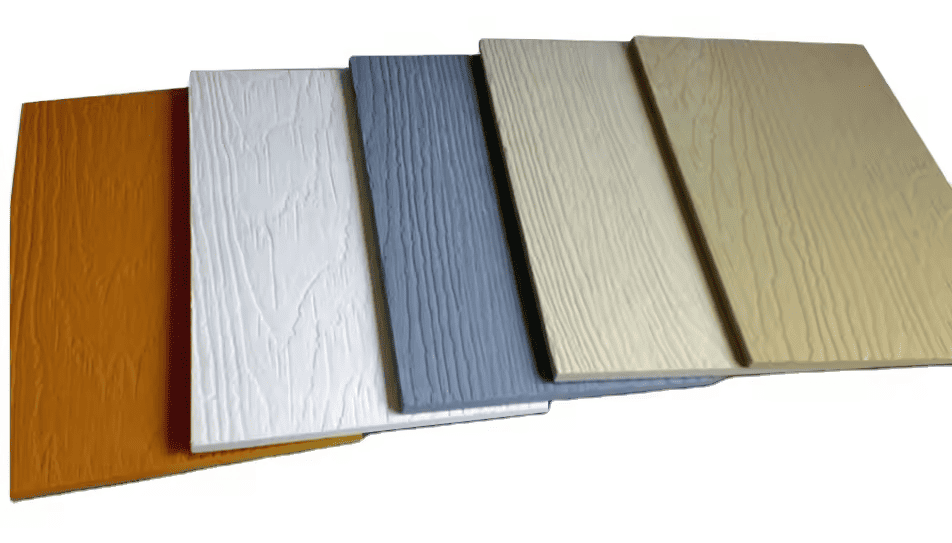
Popular Color Categories in Fibre Cement
Through years of client feedback, certain color families consistently perform well in different architectural contexts.
| Color Family | Popular Shades | Architectural Use |
|---|---|---|
| Natural Earth | Sandstone, terracotta, clay red | Residential, heritage buildings |
| Contemporary Neutrals | Pure white, charcoal, warm gray | Modern commercial, minimalist homes |
| Deep Tones | Forest green, navy blue, chocolate brown | Accent walls, mixed-material facades |
| Metallic Finishes | Silver, bronze, copper-inspired | Industrial, high-tech buildings |
These colors are typically achieved through through-color technology or advanced coating systems that penetrate the fiber matrix for long-lasting performance.
What Are the Colors of Composite Cladding?
Composite cladding offers an even broader color palette since it combines different materials and coating technologies.
Composite cladding colors include unlimited custom options through digital printing, laminated surfaces, and multi-layer coating systems. Popular choices range from wood grain effects to solid architectural colors, stone textures, and metallic appearances.
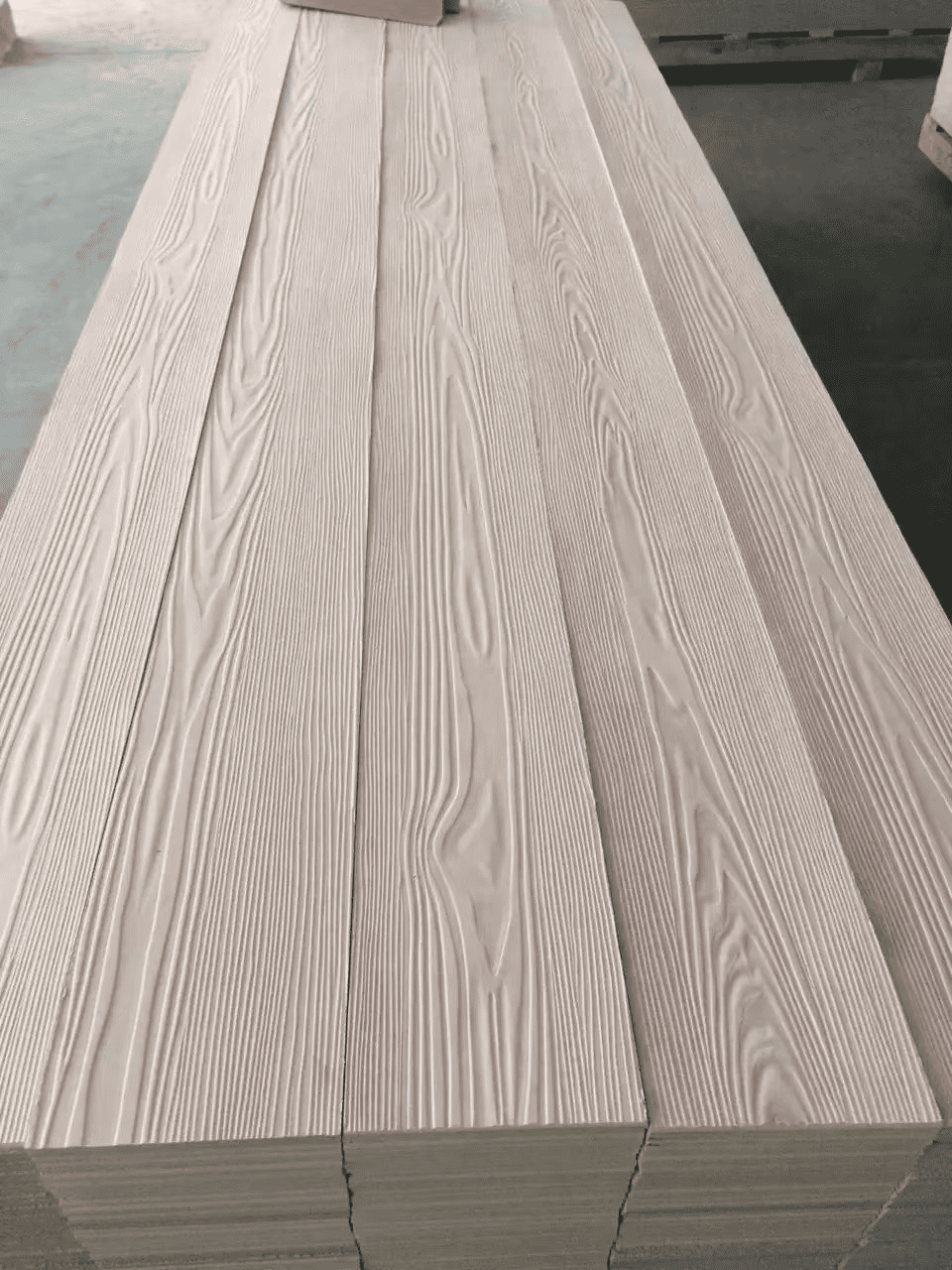
Composite Color Technologies
The advantage of composite systems lies in their ability to separate structure from appearance—allowing more creative freedom.
| Technology | Color Capability | Durability | Best Application |
|---|---|---|---|
| Digital Print Layer | Photo-realistic patterns | 10-15 years | Wood grain, stone effects |
| Powder Coating | Solid colors, metallics | 15-25 years | Clean modern facades |
| Laminated Film | Custom graphics possible | 10-20 years | Branded or artistic panels |
| Through-Color Composite | Limited but permanent | 25+ years | High-traffic, low-maintenance |
This flexibility makes composite cladding ideal for projects requiring specific brand colors or complex visual effects.
What Are the Different Types of Cement Board Cladding?
Understanding the types helps explain why color options vary across different cement board categories.
The main types are fiber cement siding, cement composite panels, reinforced cement sheets, and decorative cement cladding. Each type offers different color capabilities based on manufacturing process and intended use.
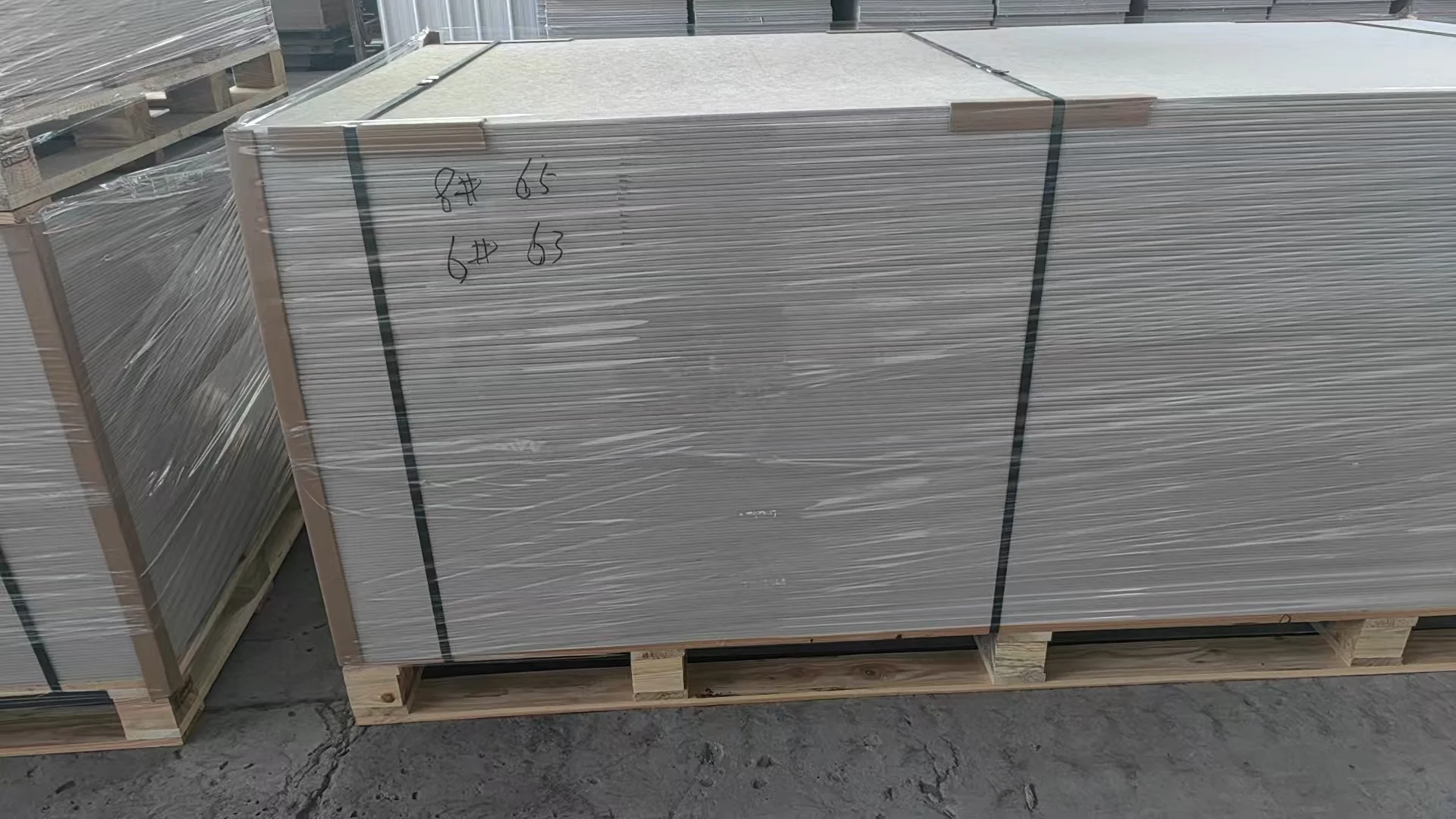
Cement Board Cladding Classification
From a manufacturing perspective, each type requires different approaches to achieve color consistency and performance.
| Type | Manufacturing Process | Color Method | Typical Applications |
|---|---|---|---|
| Fiber Cement Siding | Autoclaved fiber-cement | Through-color or painted | Residential walls, weatherboard replacement |
| Cement Composite Panels | Layered with core materials | Surface coating systems | Commercial facades, curtain walls |
| Reinforced Cement Sheets | Mesh or fiber reinforcement | Integral pigments | Industrial, agricultural buildings |
| Decorative Cement Cladding | Textured or molded surfaces | Multiple finishing options | Architectural features, accent walls |
Each serves different structural requirements and aesthetic goals, with color being integrated at the appropriate manufacturing stage for maximum durability.
Conclusion
Cement board has evolved far beyond gray utility material—it now offers extensive color options across fiber cement, composite, and specialized cladding systems. Whether through integral pigments, advanced coatings, or composite technologies, modern cement board can match virtually any architectural color requirement while maintaining structural performance. The key is selecting the right type and color system for your specific application and longevity expectations.
