




Do You Need to PVA Cement Board Before Tiling?
PVA application on cement board is generally unnecessary and may compromise tile adhesion performance.
PVA is not required on cement board before tiling as cement board provides optimal adhesion surface for tile adhesives without additional primers. PVA can create weak interface reducing bond strength by 20-30% while cement board's engineered surface offers superior adhesion compared to traditional substrates requiring primers. High-performance tile adhesives bond directly to cement board providing maximum system strength and durability.
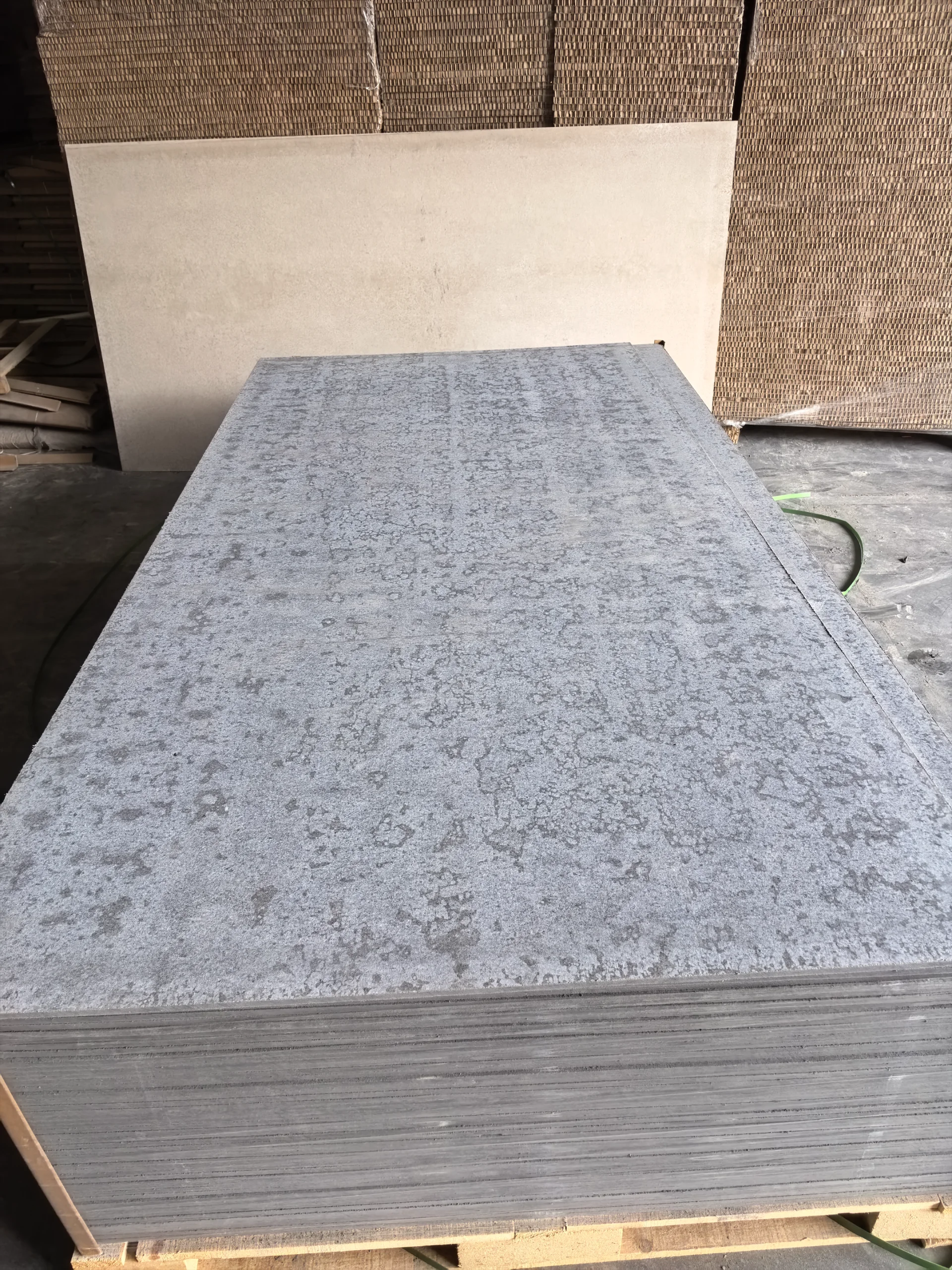
From my experience in cement board manufacturing and technical support, I've learned that cement board represents a shift from wet-applied systems to engineered dry systems designed specifically for direct tile application without traditional priming requirements.
Can You Install Tile Directly on Cement Board?
Cement board is engineered specifically for direct tile installation without intermediate treatments.
Tiles can be installed directly on cement board using appropriate tile adhesive without additional surface preparation beyond cleaning. Cement board surface provides optimal adhesion characteristics with rough texture increasing bonding area by 35-50% while alkaline-resistant composition prevents adhesive degradation. Direct installation reduces system complexity and eliminates potential failure points between multiple material layers.
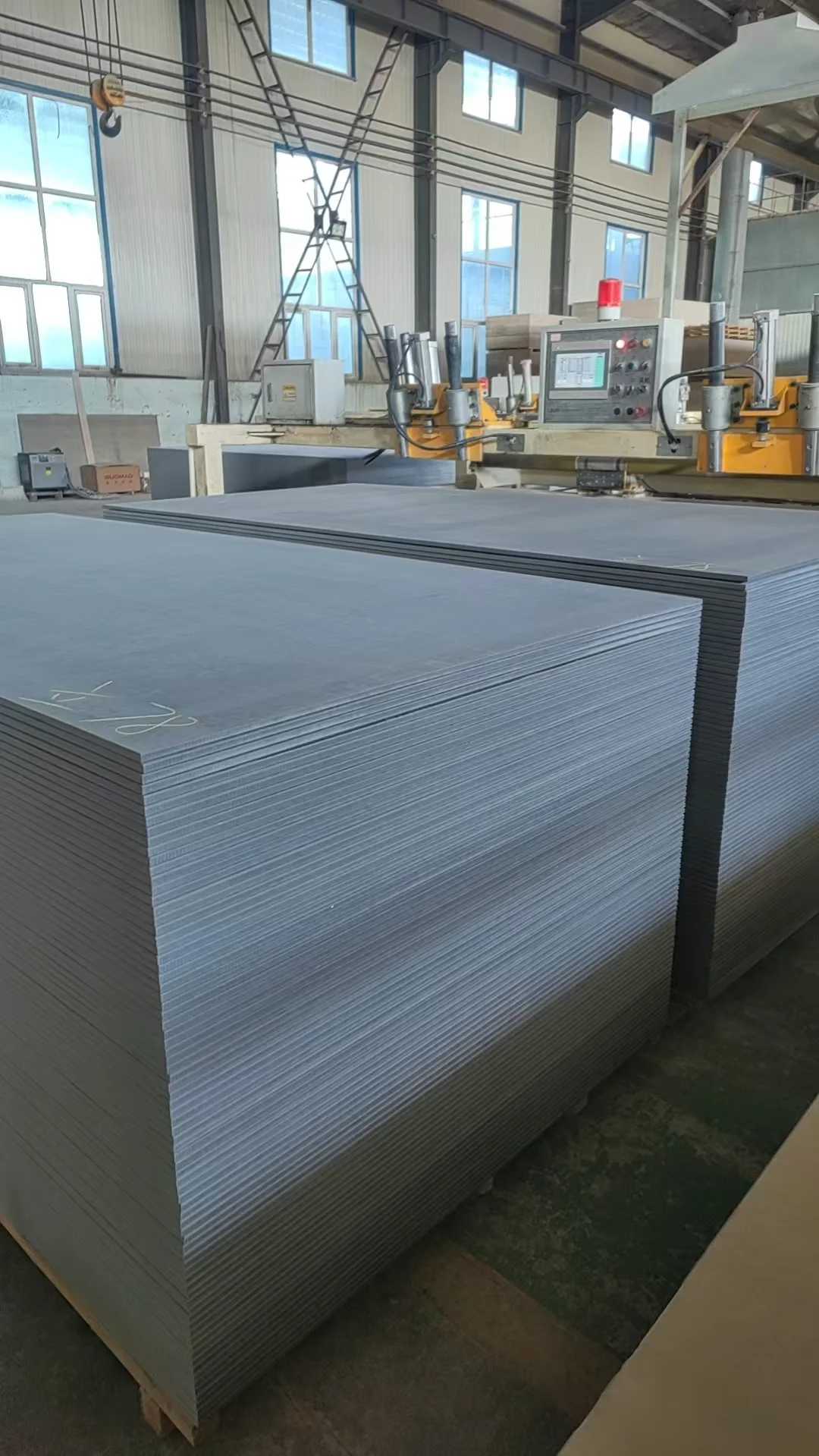
Adhesion Performance Analysis
Cement board engineered surfaces provide superior tile adhesion compared to traditional substrates requiring treatment.
| Substrate Type | Bond Strength (PSI) | Surface Preparation | Adhesion Consistency | Long-term Performance |
|---|---|---|---|---|
| Cement Board (Direct) | 250-350 | Cleaning only | Excellent | 25+ years |
| Cement Board + PVA | 180-250 | PVA application | Good | 15-20 years |
| Drywall + Primer | 150-200 | Primer required | Fair | 10-15 years |
| Concrete + Treatment | 200-300 | Surface prep required | Good | 20+ years |
| Plaster + PVA | 120-180 | Multiple treatments | Variable | 8-12 years |
Direct cement board installation provides superior bond strength and long-term reliability compared to treated surfaces.
Surface Characteristics Optimization
Cement board manufacturing creates specific surface characteristics optimized for tile adhesion.
| Surface Feature | Engineering Purpose | Adhesion Benefit | Quality Indicator | Performance Impact |
|---|---|---|---|---|
| Controlled Texture | Mechanical bonding | 35-50% increase | Consistent depth | High bond strength |
| Alkaline Resistance | Chemical compatibility | Prevents degradation | pH stability | Long-term durability |
| Porosity Control | Adhesive penetration | Optimal suction | Uniform absorption | Even bond formation |
| Dimensional Stability | Stress reduction | Crack prevention | Minimal movement | System integrity |
Controlled surface texture provides the primary mechanism for superior tile adhesion on cement board.
Installation Method Comparison
Different installation approaches show varying performance outcomes for tile-cement board systems.
| Installation Method | Success Rate | Failure Modes | Cost Factor | Timeline Impact |
|---|---|---|---|---|
| Direct Installation | 95-98% | Minimal adhesive failure | 1.0x | Standard |
| PVA Primer Method | 85-90% | Interface failure | 1.2x | +1 day |
| Multiple Primer Coats | 80-85% | Layer separation | 1.4x | +2 days |
| Waterproof Membrane | 90-95% | Membrane failure | 1.6x | +2-3 days |
Direct installation demonstrates the highest success rates and most efficient timeline for cement board tiling.
What Do You Put Over Cement Board Before Tiling?
Cement board requires minimal surface treatment with waterproofing only necessary in wet areas.
Cement board requires only cleaning before tiling in dry areas while wet areas need waterproof membrane application over cement board surface. Waterproofing systems include liquid membranes, sheet membranes, or combination systems depending on water exposure level and performance requirements. Seam sealing with alkaline-resistant tape ensures complete water barrier in shower and wet room applications.
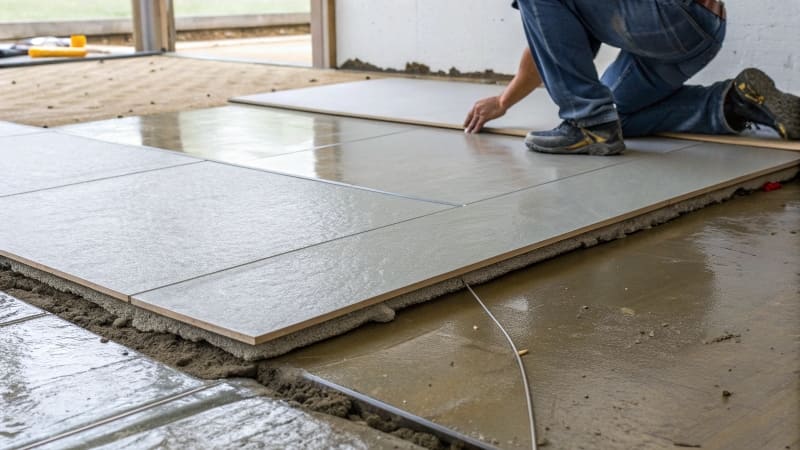
Wet Area Treatment Requirements
Different wet area applications require specific waterproofing approaches over cement board.
| Application Area | Waterproofing Required | System Type | Performance Standard | Installation Complexity |
|---|---|---|---|---|
| Shower Enclosures | Always required | Liquid or sheet membrane | 100% water barrier | High |
| Bathroom Walls | Recommended | Liquid membrane | Splash protection | Medium |
| Kitchen Backsplash | Optional | Sealer or membrane | Moisture resistance | Low |
| Laundry Areas | Recommended | Liquid sealer | Basic protection | Low |
| Dry Areas | Not required | None | N/A | None |
Shower enclosure applications require the most comprehensive waterproofing systems over cement board.
Waterproofing System Selection
Different waterproofing systems provide varying levels of protection and installation requirements.
| System Type | Water Protection | Application Method | Curing Time | Cost Factor |
|---|---|---|---|---|
| Liquid Membrane | Excellent | Brush/roller application | 24-48 hours | 1.2-1.5x |
| Sheet Membrane | Excellent | Adhesive installation | 4-8 hours | 1.5-2.0x |
| Combination System | Superior | Multi-step process | 48-72 hours | 2.0-2.5x |
| Penetrating Sealer | Good | Spray/brush application | 2-4 hours | 0.8-1.0x |
Liquid membrane systems provide optimal balance of protection, cost, and installation complexity for cement board applications.
Seam Treatment Protocol
Cement board seam treatment ensures continuous water protection in wet area installations.
| Seam Location | Treatment Required | Materials Needed | Installation Steps | Quality Verification |
|---|---|---|---|---|
| Board Joints | Always in wet areas | Alkaline-resistant tape | Clean, tape, seal | Water test |
| Inside Corners | Critical areas | Corner strips/liquid | Multi-coat application | Visual inspection |
| Outside Corners | Standard areas | Mesh tape, sealant | Standard taping | Adhesion test |
| Penetrations | All openings | Gaskets, sealant | Seal around openings | Pressure test |
Board joint treatment represents the most critical seam sealing requirement for cement board waterproofing.
Can You Tile Directly Onto Cement?
Cement surfaces require proper preparation and treatment before tile installation.
Tile installation directly onto cement requires surface preparation including cleaning, crack repair, and primer application for optimal adhesion. Raw cement surfaces often have weak surface layers, dust, and pH variations affecting tile adhesive performance and long-term bond strength. Concrete age, curing conditions, and surface finish significantly impact tile installation success requiring assessment and treatment before tile application.
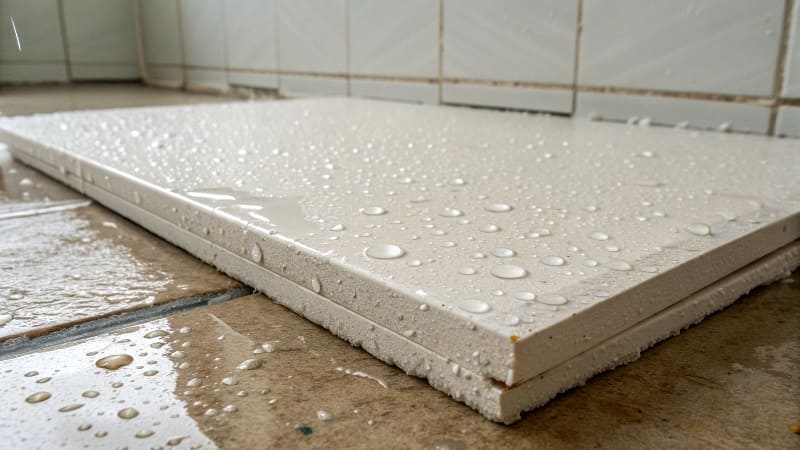
Cement Surface Evaluation
Different cement surface conditions require specific evaluation and treatment approaches.
| Surface Condition | Treatment Required | Success Probability | Preparation Time | Cost Impact |
|---|---|---|---|---|
| New Concrete | Minimal prep | 85-90% | 1-2 days | Low |
| Aged Concrete | Standard prep | 90-95% | 2-3 days | Medium |
| Damaged Concrete | Extensive repair | 70-80% | 3-7 days | High |
| Dusty Concrete | Deep cleaning | 80-85% | 1-2 days | Low-Medium |
| Sealed Concrete | Surface removal | 60-75% | 3-5 days | High |
Aged concrete surfaces typically provide the most reliable substrate after proper preparation.
Surface Preparation Requirements
Cement surface preparation ensures optimal tile adhesion and long-term performance.
| Preparation Step | Purpose | Method | Quality Standard | Verification |
|---|---|---|---|---|
| Surface Cleaning | Remove contaminants | Pressure wash, scrub | Visibly clean | Visual inspection |
| Crack Repair | Structural integrity | Epoxy injection, patching | Solid repairs | Tap test |
| Surface Grinding | Remove weak layers | Diamond grinding | Exposed aggregate | Surface profile |
| Dust Removal | Clean substrate | Vacuum, wash | Dust-free surface | Cloth test |
| Primer Application | Improve adhesion | Brush/roller | Even coverage | Coverage check |
Surface grinding provides the most effective method for preparing problematic cement surfaces.
Adhesive Selection for Cement
Different tile adhesive types show varying performance on cement substrates.
| Adhesive Type | Bond Strength | Cement Compatibility | Application Method | Best Uses |
|---|---|---|---|---|
| Polymer-Modified | High | Excellent | Trowel application | General purpose |
| Epoxy-Based | Very High | Good | Mix and apply | Heavy-duty |
| Cement-Based | Medium-High | Excellent | Standard trowel | Basic applications |
| Flexible Adhesive | High | Very Good | Trowel application | Movement areas |
Polymer-modified adhesives provide optimal performance for most tile-on-cement applications.
Installation Success Factors
Multiple factors influence tile installation success on cement substrates.
| Success Factor | Impact Level | Control Method | Quality Indicator | Risk Mitigation |
|---|---|---|---|---|
| Surface Preparation Quality | Critical | Proper procedures | Clean, sound surface | Professional prep |
| Adhesive Selection | High | Match to conditions | Appropriate type | Technical consultation |
| Installation Technique | High | Skilled application | Proper coverage | Experienced installer |
| Curing Conditions | Medium | Environmental control | Optimal temperature/humidity | Weather planning |
| Substrate Movement | Medium | Expansion joints | Controlled cracking | Engineering design |
Surface preparation quality represents the single most important factor for successful tile installation on cement.
Long-term Performance Considerations
Cement-based tile installations require attention to long-term performance factors.
| Performance Factor | Impact Timeline | Monitoring Method | Maintenance Requirements | Failure Indicators |
|---|---|---|---|---|
| Bond Degradation | 5-15 years | Visual inspection | Periodic regrouting | Hollow sounds |
| Substrate Movement | 1-5 years | Crack monitoring | Joint maintenance | Crack formation |
| Water Infiltration | 2-10 years | Moisture testing | Seal maintenance | Staining, efflorescence |
| Thermal Stress | Seasonal | Expansion monitoring | Joint inspection | Joint failure |
Bond degradation monitoring provides early warning for maintenance requirements in cement-based tile systems.
Conclusion
PVA is not required on cement board before tiling as cement board provides optimal adhesion surface without primers with PVA potentially creating weak interface reducing bond strength by 20-30% while high-performance tile adhesives bond directly providing maximum system strength. Tiles can be installed directly on cement board using appropriate adhesive without surface preparation beyond cleaning with cement board surface providing optimal adhesion characteristics and rough texture increasing bonding area by 35-50%. Cement board requires only cleaning before tiling in dry areas while wet areas need waterproof membrane application with waterproofing systems including liquid or sheet membranes depending on water exposure level and seam sealing with alkaline-resistant tape ensuring complete water barrier. Tile installation directly onto cement requires surface preparation including cleaning, crack repair, and primer application with raw cement surfaces having weak layers and pH variations affecting adhesive performance requiring assessment and treatment before tile application. Success with cement board tiling depends on understanding that cement board represents an engineered substrate designed for direct tile application, eliminating traditional primer requirements while providing superior adhesion through manufactured surface characteristics and alkaline-resistant composition.
