




Do I Need a Vapor Barrier Behind Cement Board in the Shower?
Yes, you should install a vapor barrier or waterproof membrane behind or on top of cement board in a shower. Cement board resists water but does not stop moisture from passing through.
TRUSUS system insight: the barrier is not an option—it’s the invisible line between comfort and corrosion.
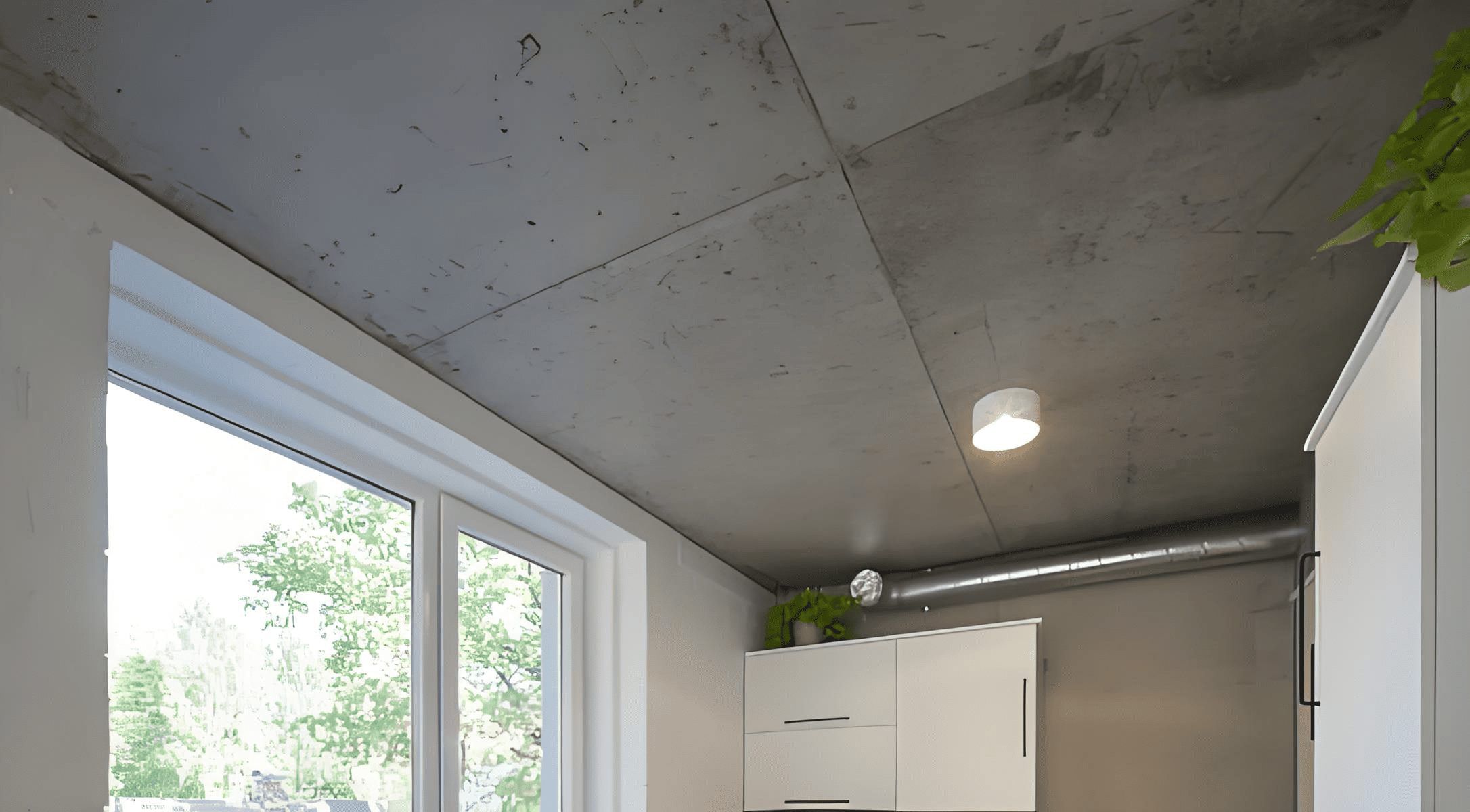
Without a barrier, moisture can reach the wall cavity, leading to mold or frame damage over time.
Can I Shower With Just Cement Board?
No, you cannot safely shower using only cement board. While the board itself won’t disintegrate, water will eventually penetrate the joints and soak into the wall structure. Always seal or waterproof before tiling.
protection insight: water doesn’t forgive shortcuts—seal it today or fight mold tomorrow.
Shower Layer System Table
| Layer | Function | Material Example | Status |
|---|---|---|---|
| Surface Tile | Aesthetic + wear surface | Ceramic or porcelain tile | Optional design |
| Waterproofing Membrane | Blocks direct water | Liquid membrane or sheet barrier | Must have |
| Cement Board | Structural backing | TRUSUS fiber cement board | Essential |
| Vapor Barrier (alternative placement) | Blocks vapor diffusion | Poly sheet, applied behind board | Must have either barrier or membrane |
| Frame | Support | Treated studs | Always required |
Each component works together to keep walls dry and extend the shower’s life cycle.
How Thick Should Cement Board Be for a Shower?
Cement board in showers should be at least 12mm (1/2 inch) thick for wall installations. Thicker boards (5/8 inch) may be used for floors or heavy tile settings for added rigidity.
engineering insight: thickness equals stability—the right gauge carries both tile and time.
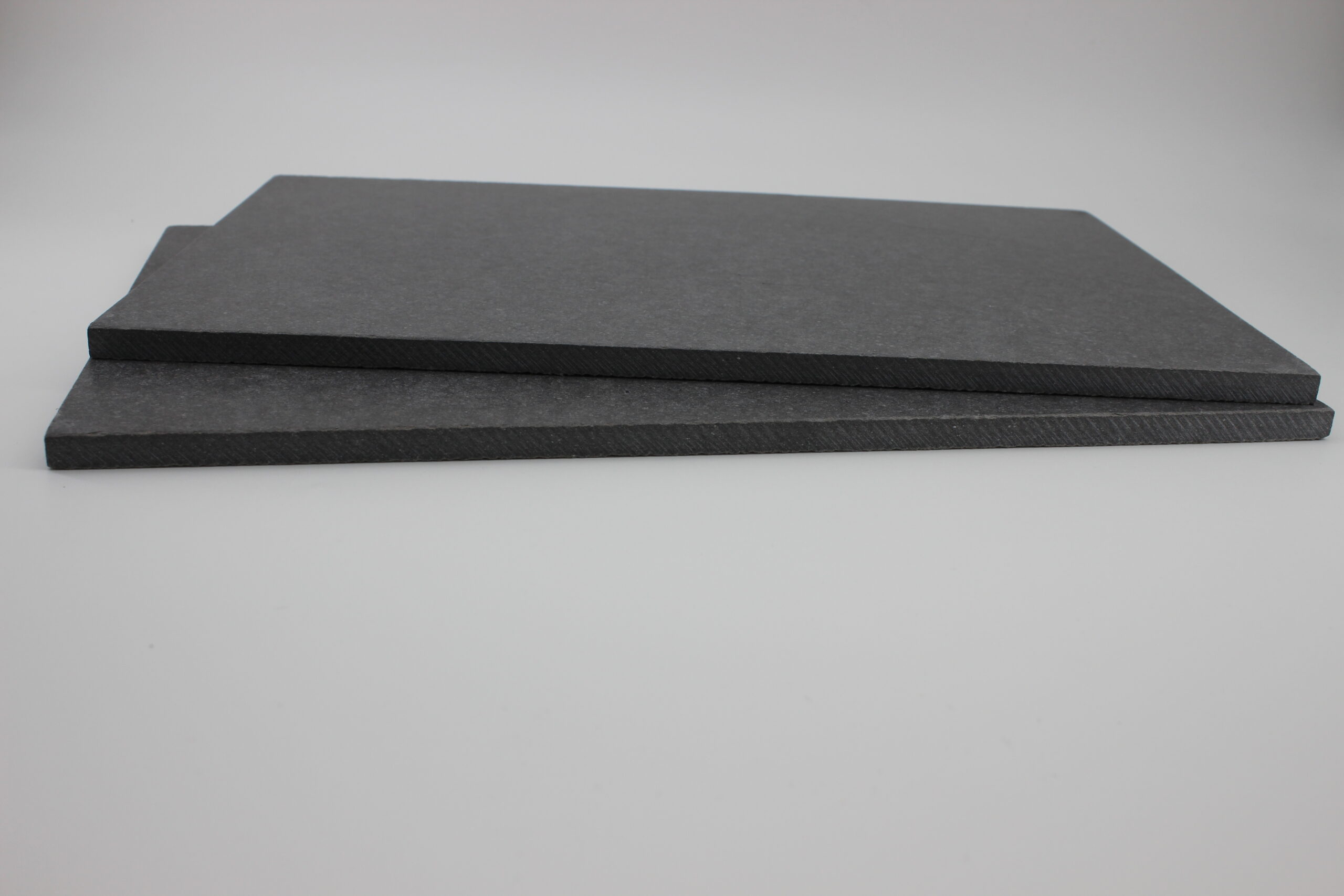
Board Thickness Chart
| Installation Area | Recommended Thickness | Notes |
|---|---|---|
| Shower Walls | 12mm (1/2 inch) | Proper stiffness and screw holding |
| Shower Floors | 15mm (5/8 inch) | Better load distribution |
| Ceilings (moist area) | 8mm–10mm | Lightweight, still moisture resistant |
Thin boards can flex and cause cracked tiles. Always pair correct thickness with corrosion-resistant screws and sealed seams.
What Happens to Cement Board When It Gets Wet?
When cement board gets wet, it absorbs some moisture but maintains its structural integrity. Once dried, it returns to normal without warping or disintegration. However, trapped moisture behind it can still damage framing.
moisture insight: the board endures water—the wall behind it doesn’t.
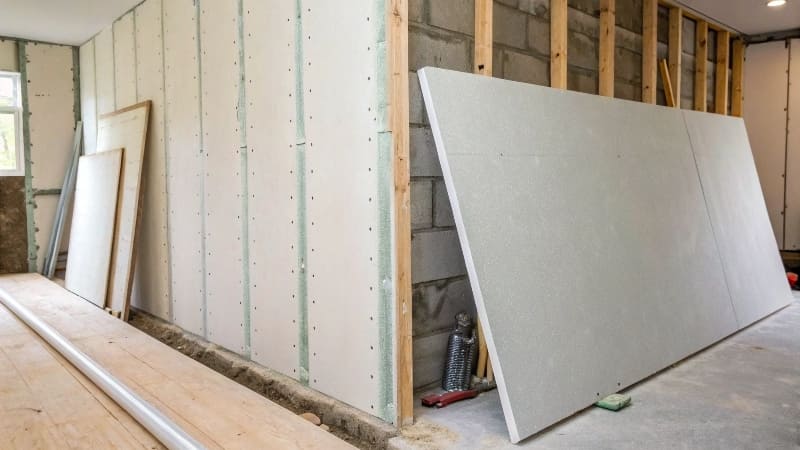
Wet Behavior Table
| Exposure Type | Board Reaction | Recommended Action |
|---|---|---|
| Short-Term Splash | No damage | Allow natural drying |
| Continuous Dampness | Surface darkening only | Improve ventilation |
| Long-Term Soak | Trapped moisture behind | Check barrier and sealing |
| Repeated Wet-Dry Cycles | Slight expansion-contraction | Use flexible grout or silicone joints |
Cement board is strong, but its value lies in working together with proper waterproofing and drainage.
Conclusion
Cement board alone is structure, not defense. At TRUSUS, I always remind installers: true waterproofing begins when the board becomes part of a full system—where every layer shields the life behind the wall.
