




Can You Use Cement Board for Roofing?
Yes, cement board can be used in roofing systems as a rigid substrate layer—especially under waterproof membranes or metal panels. It provides structure, fire resistance, and stability that protect against tropical moisture and UV exposure.
insight: cement board changes roofing from surface protection to structural skin.
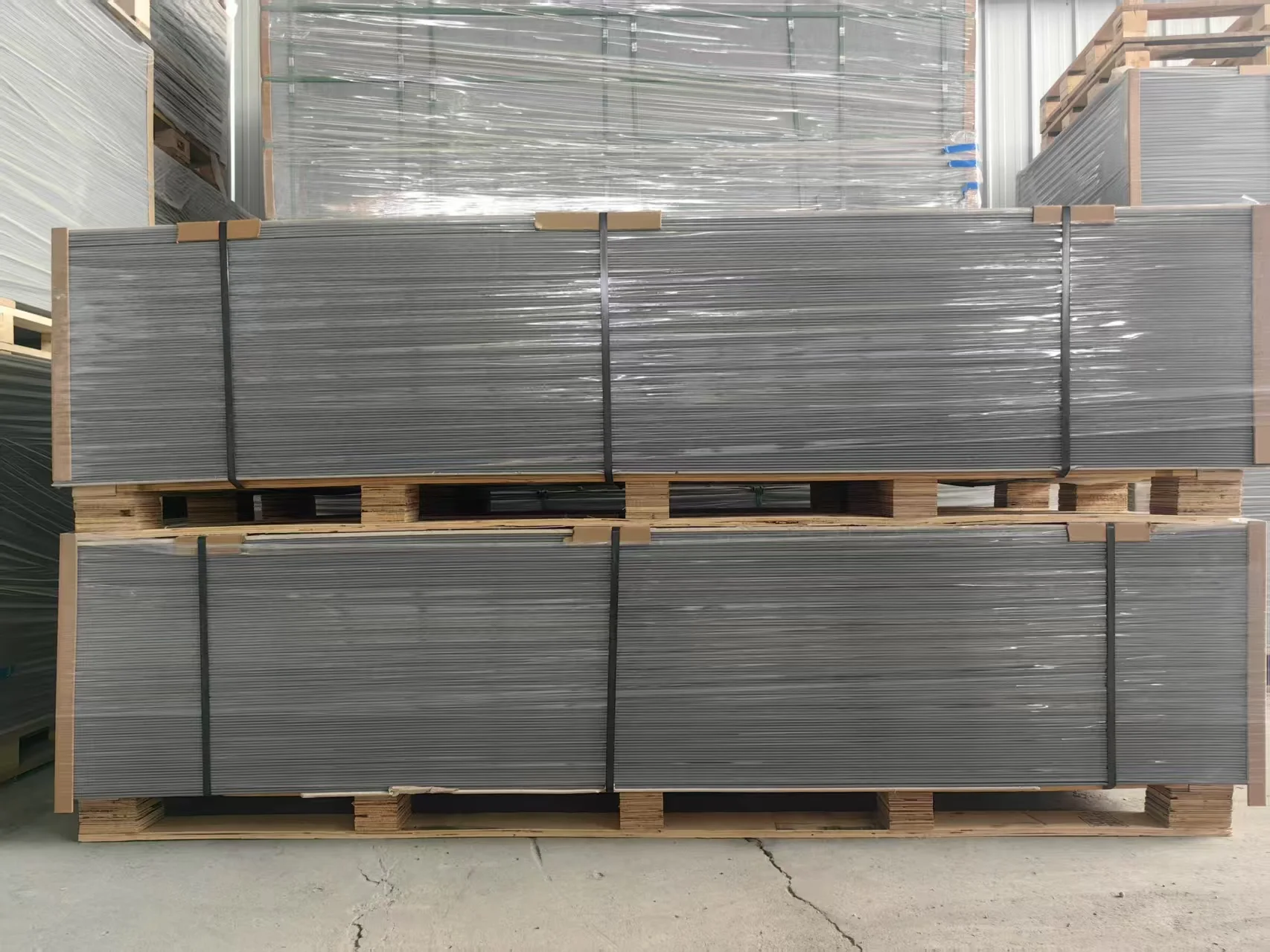
Though not a waterproof layer by itself, cement board strengthens roof systems and extends service life when designed within a proper support and sealing plan.
What Are the Advantages of Cement Board Roofing?
The main advantage of cement board roofing is its durability and non-organic stability. It does not warp, rot, or degrade under high humidity and heat. It adds structural rigidity and fire protection, making it ideal for coastal, tropical, or industrial roof environments.
manufacturing insight: durability and longevity reduce total building maintenance.
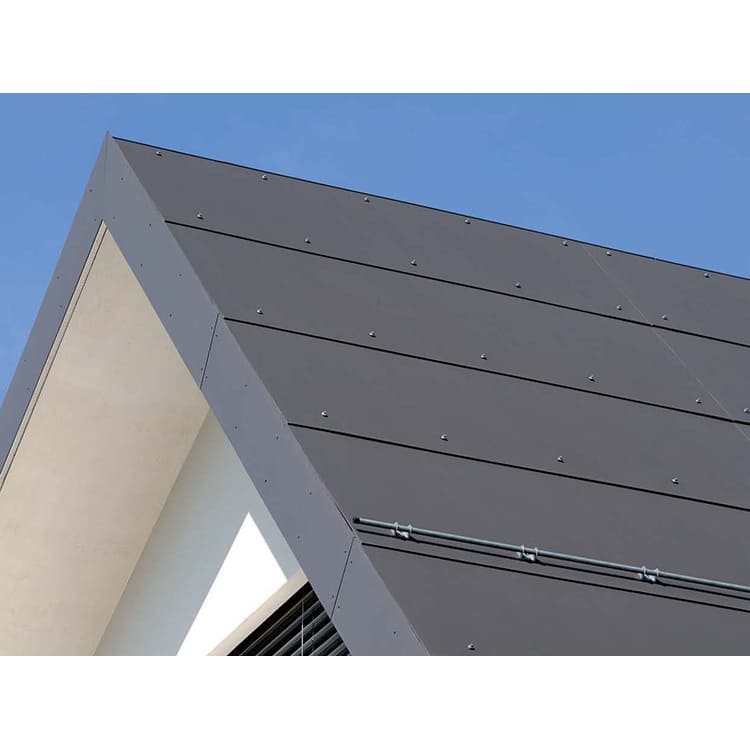
TRUSUS Cement Board Roof Benefits
| Feature | Description | Benefit |
|---|---|---|
| Fire resistance | Noncombustible inorganic structure | Enhances safety |
| Moisture protection | Stable in high humidity | Prevents warping and mold |
| Strength | Rigid base for waterproof layer | Improves roof support |
| Thermal stability | Low expansion under heat | Reduces surface cracking |
| Low maintenance | Long-lasting composition | Cuts repair costs |
Design Integration
| Roof Type | Cement Board Role |
|---|---|
| Metal roofing | Base substrate under panels |
| Flat roof | Support for waterproof coating |
| Lightweight steel roof | Load-distributing underlayment |
| Solar integration platform | Rigid mounting base |
The board transforms roofs from flexible cover systems into lasting protective structures.
Does Cement Board Rot?
No, cement board does not rot. It is made from fibers and cement, entirely free of organic matter. Unlike wood or gypsum, it neither absorbs moisture deeply nor supports fungal growth or insect damage. This gives it superior reliability in humid tropic and coastal climates.
durability insight: rot prevention means lifetime value creation.

Material Stability Chart
| Material Type | Rot Resistance | Moisture Absorption | Lifespan |
|---|---|---|---|
| Plywood | Poor | High | 5–10 years |
| Gypsum board | Moderate | Moderate | 10–15 years |
| Cement board | Excellent | Very low | 30–50+ years |
The key is its inorganic composition—cement and reinforced fibers that remain unchanged through heat and rain cycles.
Practical Maintenance View
| Condition | Result |
|---|---|
| High humidity | No decay or deformation |
| Salt exposure | No metal corrosion effect |
| Solar radiation | Stable under UV |
| Constant rainfall | Surface maintains integrity |
Cement board turns "outdoor exposure" into predictable performance.
Will Cement Board Deteriorate Outside?
Cement board will not deteriorate outside when properly installed and sealed. It naturally withstands rain, sun, and temperature changes. Over decades, only surface coatings or joint sealants may need renewal—its structure remains intact.
performance insight: external durability depends on system, not on a single material.
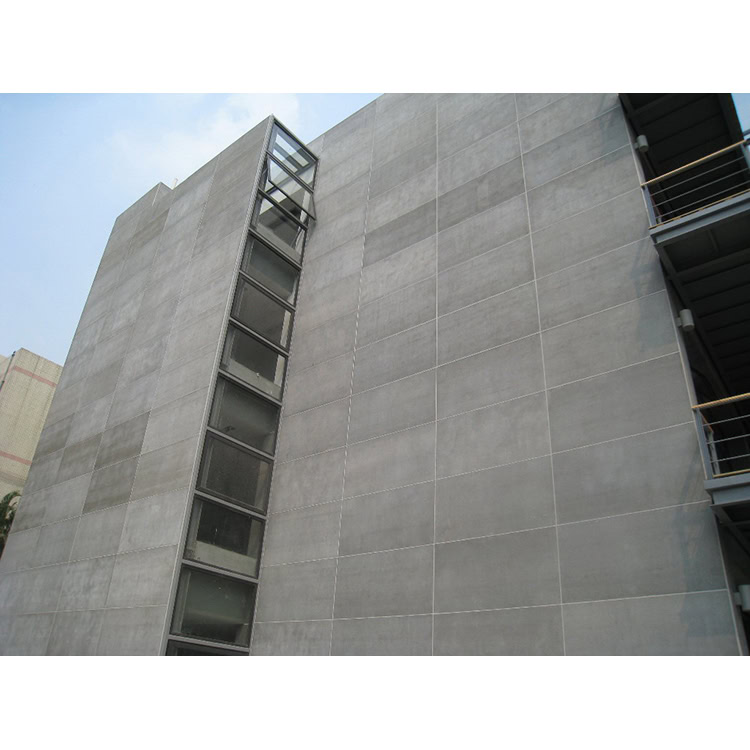
Outdoor Longevity Factors (TRUSUS Guide)
| Exposure Type | Cement Board Response | Maintenance Tip |
|---|---|---|
| Rain & humidity | Stable, non-expanding | Seal joints well |
| UV radiation | Slight color shift only | Apply weather coat |
| Temperature cycles | Minor thermal move | Use flexible sealant |
| Marine air | No structural harm | Use anti-corrosion screws |
Environmental Durability Table
| Performance Metric | Rating | Description |
|---|---|---|
| Structural integrity | Excellent | No bending under long exposure |
| Weather resistance | High | Works under wind and rain |
| Fire protection | Superior | Noncombustible face layer |
| Sustainability | Strong | Long lifecycle reduces waste |
Cement board’s longevity outside represents modern construction’s shift from repair-based logic toward lifespan-based sustainability.
Conclusion
Cement board roofing stands for stability and lasting performance. It resists rot, water, and heat and integrates into structural systems with minimal upkeep. TRUSUS believes true roofing durability is not only in the waterproof layer but in the integrated logic—where the roof becomes part of the building’s enduring structure.
