



Can You Use A Jigsaw For Curved Cuts In Fiber Cement Board?
Yes, you can use a jigsaw for curved cuts in fiber cement board if you use a carbide-grit or diamond-grit blade and keep cutting speeds controlled.
Slow cutting helps reduce edge chipping, dust generation, and blade overheating.
TRUSUS fabrication insight: fiber cement board is no longer treated only as a rigid construction sheet. It is increasingly used as a design-oriented material that must support customized architectural shapes.
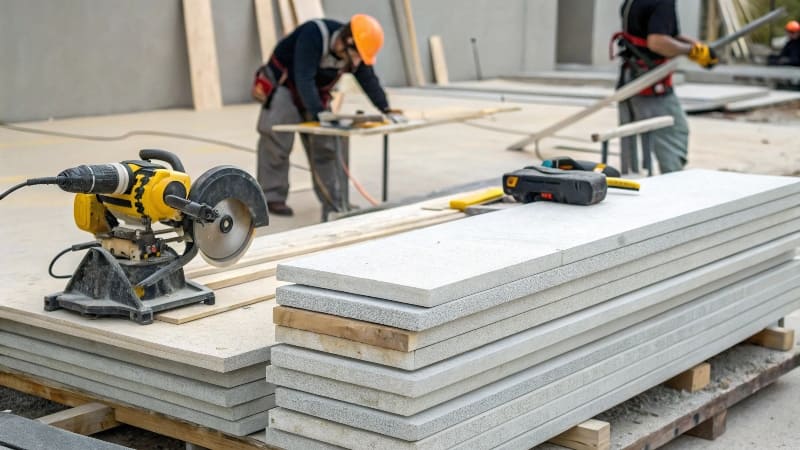
Many modern projects require curves, irregular edges, and customized facade details.
This changes how installers and designers interact with fiber cement materials.
Recommended Jigsaw Blade Types
| Blade Type | Performance |
|---|---|
| Carbide-grit blade | Good durability |
| Diamond-grit blade | Cleaner cuts and longer life |
| Wood-cutting blade | Not recommended |
Fiber cement quickly damages standard wood blades.
Best Practices For Curved Cutting
| Cutting Method | Benefit |
|---|---|
| Slow feed speed | Reduces edge chipping |
| Stable board support | Improves accuracy |
| Dust extraction | Cleaner workspace |
Controlled cutting produces smoother results.
Common Cutting Challenges
| Problem | Cause |
|---|---|
| Edge cracking | Excessive cutting speed |
| Blade overheating | Wrong blade selection |
| Dust buildup | Poor extraction setup |
Fiber cement requires different handling compared to wood panels.
Why Dust Control Matters
| Dust Issue | Safety Impact |
|---|---|
| Silica dust exposure | Respiratory hazard |
| Poor visibility | Reduced cutting precision |
Proper PPE and dust extraction systems are essential.
Why Curved Cutting Is Increasing In Modern Design
| Traditional Fiber Cement Usage | Modern Design Applications |
|---|---|
| Straight panel installation | Organic architectural shapes |
| Functional cladding only | Decorative facade integration |
| Standardized layouts | Customized facade patterns |
Architectural personalization is driving new fabrication demands.
The Industry Shift Behind These Questions
| Traditional Material Supply | Modern Technical Support Model |
|---|---|
| Deliver standard panels | Support creative fabrication |
| Product-centered sales | Application-centered service |
| Factory-only expertise | Site-level technical guidance |
I increasingly see technical processing support becoming as important as material quality itself.
What Is The Ideal Sandpaper Grit For Smoothing Cement Board?
For smoothing fiber cement board, 80–120 grit sandpaper is commonly used for rough shaping and edge cleanup, while 180–220 grit is preferred for fine surface finishing before painting or coating.
The correct grit depends on the desired surface appearance and finish quality.
TRUSUS surface finishing insight: surface preparation now plays a major role in how fiber cement systems are visually judged in modern architecture.
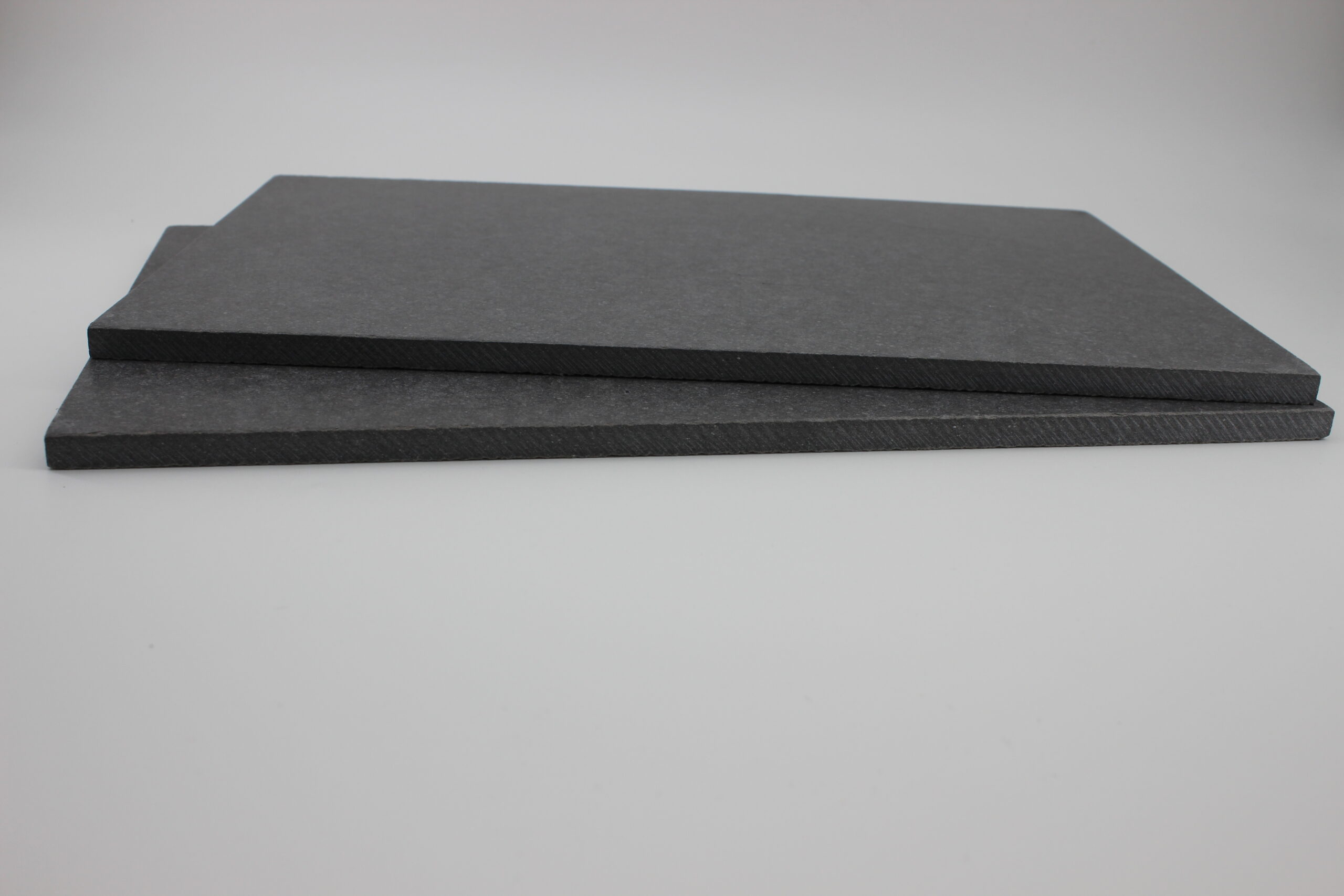
Surface quality expectations have become much higher in decorative construction projects.
Small finishing details increasingly affect project value perception.
Common Sandpaper Grit Applications
| Sandpaper Grit | Main Use |
|---|---|
| 80–120 grit | Edge smoothing and burr removal |
| 150–180 grit | Surface leveling |
| 180–220 grit | Fine finishing before coating |
Different stages require different abrasiveness levels.
Why Excessive Sanding Can Be A Problem
| Over-Sanding Issue | Result |
|---|---|
| Surface fiber exposure | Reduced finish quality |
| Uneven abrasion | Visible coating defects |
| Excessive dust | Health and cleanup concerns |
Controlled sanding protects board integrity.
Recommended Sanding Tools
| Tool Type | Benefit |
|---|---|
| Orbital sander | Smooth surface consistency |
| Hand sanding block | Better edge control |
| Vacuum-assisted systems | Dust reduction |
Tool choice affects both efficiency and finish quality.
Why Surface Finish Matters More Today
| Earlier Construction Standards | Modern Design Expectations |
|---|---|
| Functional installation focus | High-end visual precision |
| Rough surface tolerance | Refined texture consistency |
| Basic coating acceptance | Premium finish requirements |
Architects increasingly expect cleaner and more uniform panel surfaces.
Surface Finishing And Coating Performance
| Surface Condition | Coating Impact |
|---|---|
| Smooth prepared surface | Better paint adhesion |
| Rough uneven surface | Visible coating defects |
Preparation strongly affects long-term appearance.
The Growing Role Of Finishing Support
| Traditional Material Manufacturing | Advanced Application Support |
|---|---|
| Board production only | Surface finishing guidance |
| Product supply focus | Installation experience focus |
| Generic recommendations | Project-specific support |
I believe finishing guidance will increasingly become part of the value offered by premium fiber cement suppliers.
What Are The Surface Specifications Of Fibre Cement Board?
Fiber cement board surface specifications usually include flatness tolerance, surface roughness, edge precision, density consistency, moisture stability, and color uniformity.
Typical flatness tolerance is around ±0.5 mm, while surface roughness often ranges between Ra 1.6–3.2 μm depending on the finish type.
TRUSUS specification insight: surface precision is becoming a defining quality standard in modern fiber cement applications.
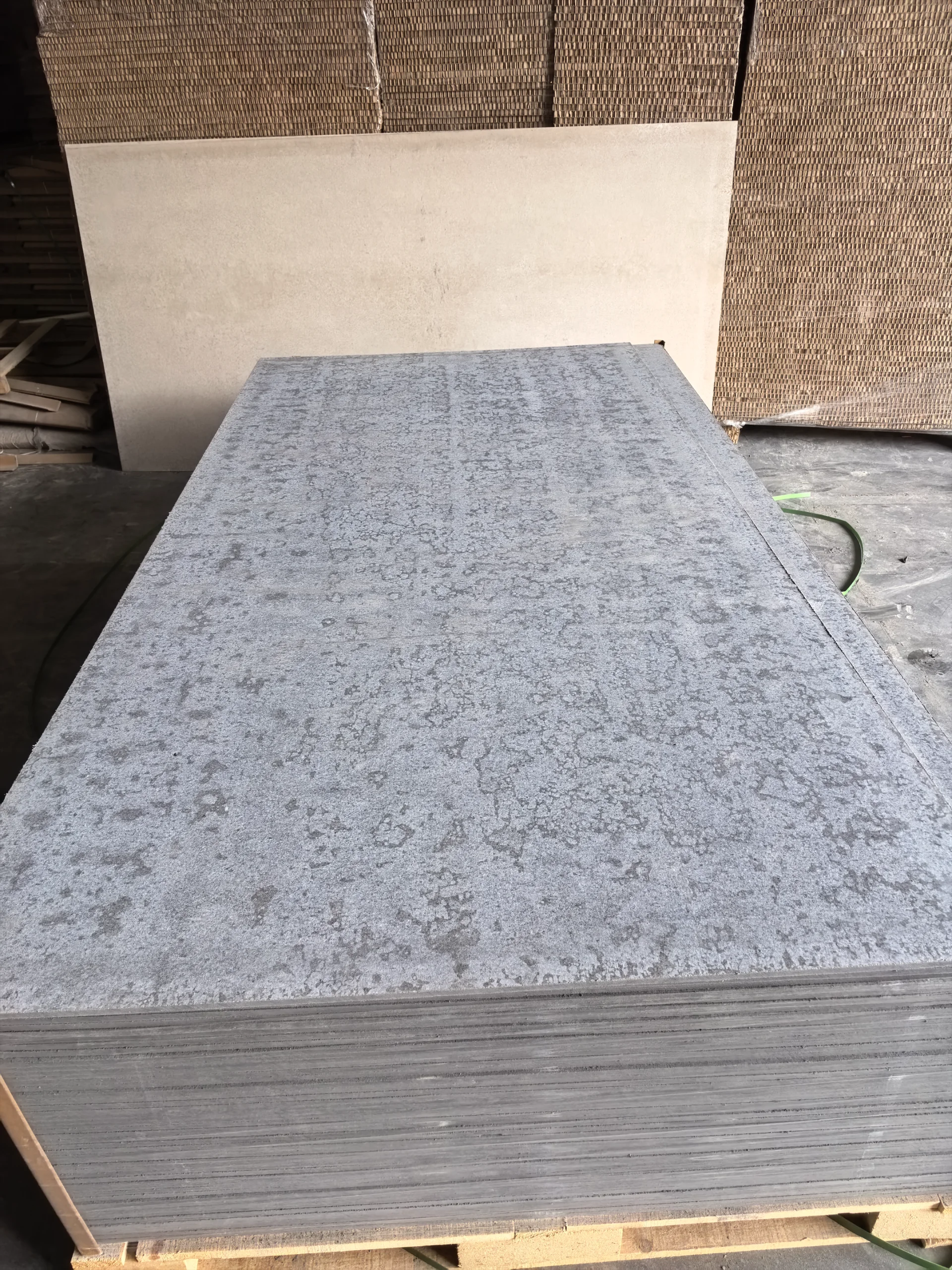
In the past, many projects focused mainly on strength and durability.
Today, visual precision matters just as much.
Common Surface Specification Parameters
| Specification Item | Typical Range |
|---|---|
| Flatness tolerance | ±0.5 mm |
| Surface roughness | Ra 1.6–3.2 μm |
| Moisture content | Controlled production range |
| Edge dimensional accuracy | High precision trimming |
These parameters affect installation quality and visual appearance.
Why Surface Flatness Matters
| Flatness Issue | Installation Impact |
|---|---|
| Uneven panel surfaces | Visible wall irregularities |
| Warped edges | Difficult joint alignment |
Precise boards simplify installation work.
Surface Texture Options
| Texture Type | Typical Application |
|---|---|
| Smooth surface | Interior decorative use |
| Sanded texture | Modern facade systems |
| Woodgrain texture | Residential exterior cladding |
Surface design now supports broader architectural styles.
Color Consistency Requirements
| Color Parameter | Importance |
|---|---|
| ΔE color variation control | Uniform visual appearance |
| Coating consistency | Project continuity |
Color variation becomes highly visible on large facades.
Why Surface Standards Are Becoming Stricter
| Traditional Material Expectations | Modern Architectural Expectations |
|---|---|
| Basic structural performance | Precision visual quality |
| Utility-focused installation | Design-focused installation |
| Acceptable variation tolerance | Minimal visible deviation |
Higher-end architecture demands tighter manufacturing control.
Why Technical Transparency Matters
| Older Sales Approach | Modern Technical Partnership |
|---|---|
| General product descriptions | Detailed technical specifications |
| Standard brochures | Engineering documentation support |
| Simple pricing discussions | Application performance discussions |
Clients increasingly expect measurable specification data instead of general quality claims.
The Industry Evolution Happening Now
| Traditional Fiber Cement Market | Advanced Architectural Materials Market |
|---|---|
| Commodity board competition | Precision facade system competition |
| Manufacturing scale focus | Surface engineering focus |
| Standard product supply | Design-support integration |
I increasingly see surface engineering becoming one of the strongest differentiators in premium fiber cement products.
Can You Use A Pneumatic Brad Nailer On 6mm Fiber Cement Board?
Yes, a pneumatic brad nailer can be used on 6mm fiber cement board if air pressure is properly adjusted and fiber-cement-compatible fasteners are selected.
Typical operating pressure is around 4–6 bar, but overdriving can crack thin boards.
TRUSUS fastening insight: fastening methods are becoming increasingly important as fiber cement boards move into lighter and more decorative applications.
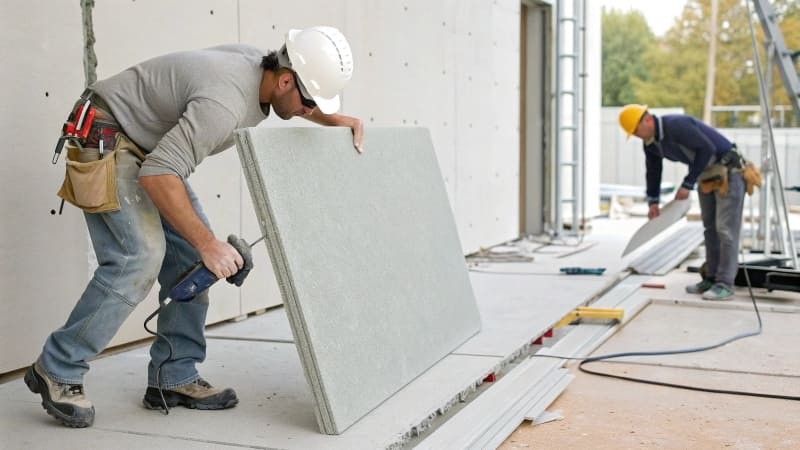
Thin fiber cement panels are now widely used in interior decoration and lightweight facade systems.
This increases demand for faster and cleaner installation methods.
Why Fastener Selection Matters
| Fastener Type | Result |
|---|---|
| Standard brad nails | Possible corrosion or weak holding |
| Fiber cement nails | Better durability and grip |
Fastener compatibility affects long-term panel stability.
Recommended Pneumatic Settings
| Installation Parameter | Suggested Range |
|---|---|
| Air pressure | 4–6 bar |
| Nail penetration depth | Controlled flush finish |
| Firing angle | Straight alignment |
Incorrect settings may damage thin panels.
Common Installation Problems
| Problem | Cause |
|---|---|
| Surface cracking | Excessive pressure |
| Nail pull-through | Wrong nail size |
| Edge splitting | Fastening too close to edges |
Proper spacing and pressure adjustment are essential.
Why Lightweight Fiber Cement Is Growing
| Traditional Fiber Cement Use | Emerging Lightweight Applications |
|---|---|
| Heavy-duty exterior cladding | Decorative wall systems |
| Structural utility focus | Interior design flexibility |
| Manual screw installation | Faster pneumatic assembly |
Installation speed is increasingly important in modern construction.
Why Contractors Want Faster Fastening Systems
| Older Installation Methods | Modern Productivity Requirements |
|---|---|
| Slow manual fastening | Rapid installation workflows |
| Labor-intensive assembly | Reduced labor dependence |
| Basic installation standards | Precision installation standards |
Construction efficiency pressures continue to rise globally.
The Future Of Installation Support
| Traditional Product Manufacturing | Application Technology Services |
|---|---|
| Sell construction panels | Support installation optimization |
| Material-centered competition | Workflow-centered competition |
| Factory-focused expertise | On-site technical partnership |
I believe future fiber cement suppliers will increasingly compete through installation support systems, tool compatibility guidance, and application engineering expertise.
Conclusion
At TRUSUS, I see fiber cement board evolving from a standardized construction panel into a highly adaptable architectural material.
Its future value will depend not only on manufacturing quality, but also on processing flexibility, technical support, and integration with modern construction workflows.