




Can You Replace Just One Piece Of Siding?
Yes, you can replace a single piece of siding with proper techniques including careful removal, exact material matching, and professional installation methods. Single-piece replacement saves costs while maintaining overall system integrity and appearance.
TRUSUS replacement insight: successful single-piece replacement requires precision matching and careful installation to ensure seamless integration with existing siding.
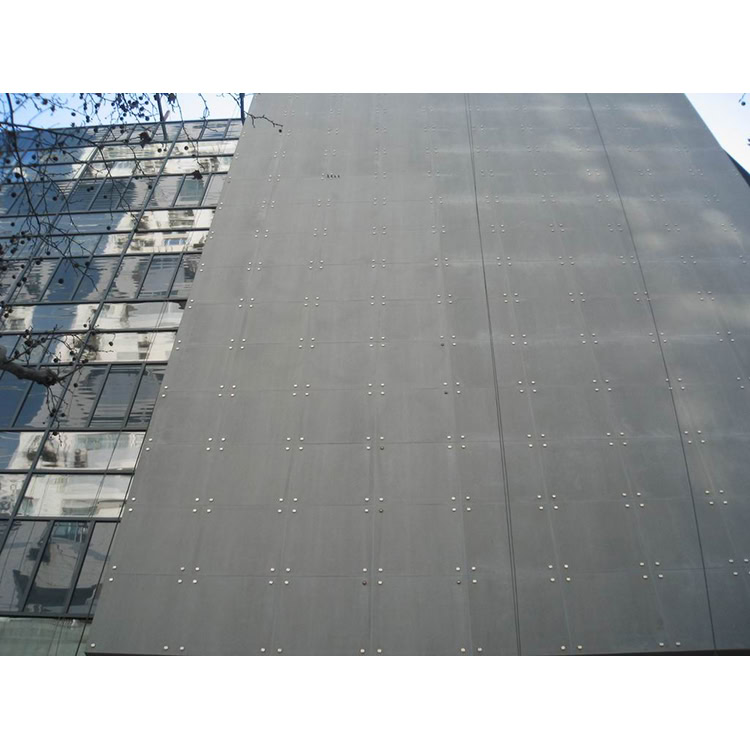
I increasingly see property owners choose targeted replacement over complete re-siding for both cost savings and sustainability reasons.
Smart replacement extends overall system life while controlling costs.
When Single-Piece Replacement Works Best
| Damage Type | Replacement Feasibility |
|---|---|
| Impact damage | Excellent candidate |
| Weather damage (isolated) | Good replacement option |
| Installation defects | Perfect for correction |
| Color fading (widespread) | Poor replacement choice |
Localized damage responds well to targeted replacement.
Essential Replacement Steps
| Step | Critical Factor |
|---|---|
| Damage assessment | Extent evaluation |
| Material matching | Color and texture coordination |
| Careful removal | Avoiding adjacent damage |
| Professional installation | Seamless integration |
Each step requires precision for successful results.
Material Matching Requirements
| Matching Factor | Importance Level |
|---|---|
| Exact product specifications | Critical |
| Color coordination | Very important |
| Texture consistency | Important |
| Age weathering consideration | Moderate |
Perfect material matching ensures invisible repairs.
Tools And Techniques
| Tool Category | Application |
|---|---|
| Removal tools | Careful siding extraction |
| Cutting equipment | Precise sizing |
| Installation hardware | Proper attachment |
| Finishing supplies | Weather sealing |
Professional tools ensure quality results.
Quality Assurance Checkpoints
| Checkpoint | Verification |
|---|---|
| Seamless appearance | Visual continuity |
| Weather protection | Proper sealing |
| Structural integrity | Secure attachment |
| Long-term performance | Installation quality |
Quality control ensures lasting repair success.
Why Single-Piece Replacement Makes Sense
| Complete Re-siding | Targeted Single-Piece Replacement |
|---|---|
| High cost investment | Economical solution |
| Extensive disruption | Minimal project impact |
| Material waste | Resource conservation |
Strategic replacement provides excellent value.
The Industry Shift Behind Replacement Questions
| Traditional Replace-All Approach | Modern Targeted-Repair Approach |
|---|---|
| Complete system replacement | Precise damage targeting |
| Maximum material use | Resource optimization |
| High-cost solutions | Cost-effective repairs |
I increasingly see property managers adopt targeted replacement strategies for both economic and environmental benefits.
How To Replace One Piece Of Fiber Cement Siding?
Replacing fiber cement siding requires careful removal with proper tools, precise measurement and cutting, weather barrier inspection, and professional installation techniques ensuring seamless integration. Success depends on maintaining structural integrity while achieving invisible repair results.
TRUSUS fiber cement insight: fiber cement replacement demands specialized cutting tools and dust control measures for both safety and precision.
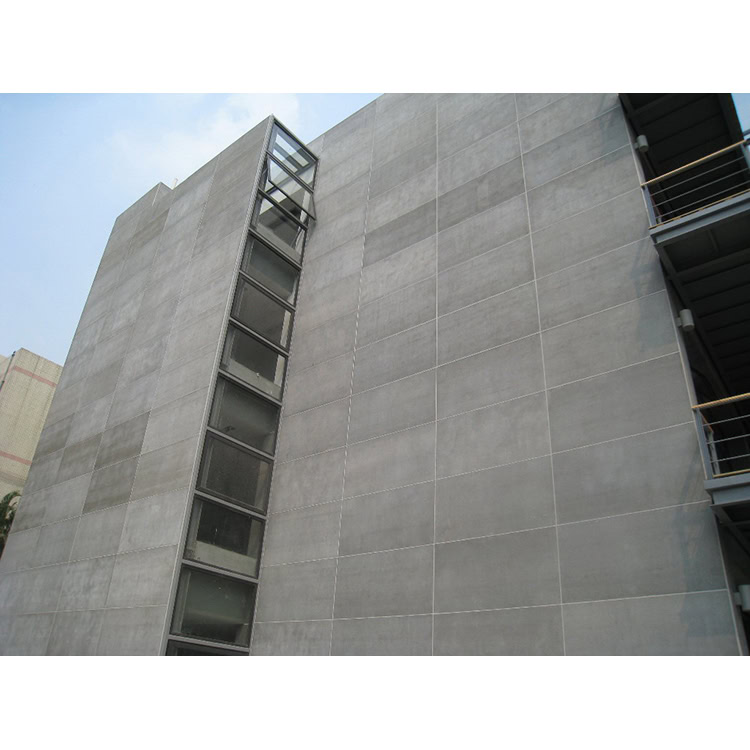
I increasingly see contractors develop specialized techniques for fiber cement replacement due to material-specific requirements.
Proper technique ensures professional results and worker safety.
Safe Removal Techniques
| Removal Step | Safety Requirement |
|---|---|
| Dust control | Respiratory protection |
| Cutting preparation | Proper ventilation |
| Careful extraction | Avoid adjacent damage |
| Debris management | Safe disposal methods |
Safety protocols protect workers and property.
Specialized Tool Requirements
| Tool Type | Specific Application |
|---|---|
| Diamond blade saw | Clean cutting |
| Oscillating multi-tool | Precise removal cuts |
| Pry bars | Gentle extraction |
| Dust collection system | Safety compliance |
Specialized tools ensure quality and safety.
Installation Sequence
| Installation Step | Critical Factor |
|---|---|
| Weather barrier check | Moisture protection |
| Precise measurement | Exact fit requirements |
| Pre-drilling | Crack prevention |
| Proper fastening | Secure attachment |
Systematic installation ensures lasting results.
Cutting And Fitting Precision
| Precision Factor | Tolerance |
|---|---|
| Length accuracy | Within 1/8 inch |
| Width matching | Exact specification |
| Edge finishing | Smooth, sealed edges |
| Pattern alignment | Perfect continuity |
Precision cutting enables seamless integration.
Weather Sealing Requirements
| Sealing Area | Method |
|---|---|
| Horizontal joints | Caulk application |
| Vertical joints | Overlap maintenance |
| Fastener locations | Proper countersinking |
| Cut edges | Primer and paint |
Complete sealing ensures weather protection.
Why Fiber Cement Requires Special Techniques
| Standard Siding | Fiber Cement Siding |
|---|---|
| Basic cutting tools | Specialized equipment required |
| Standard safety measures | Enhanced dust protection |
| Simple installation | Precise technique requirements |
Fiber cement demands specialized replacement techniques.
The Industry Shift Behind Fiber Cement Questions
| Traditional Siding Replacement | Modern Fiber Cement Techniques |
|---|---|
| Generic replacement methods | Material-specific procedures |
| Basic tool requirements | Specialized equipment needs |
| Standard safety protocols | Enhanced safety measures |
I increasingly see contractors invest in fiber cement-specific training and equipment for professional replacement services.
Is Fiber Cement Board The Best Siding Option?
Fiber cement board offers excellent durability, fire resistance, and low maintenance, making it a top siding choice for many applications, though best option depends on specific project requirements, climate, and budget considerations. Comprehensive evaluation considers performance, cost, and aesthetic factors.
TRUSUS evaluation insight: fiber cement excels in durability and safety but requires careful cost-benefit analysis against project-specific needs.
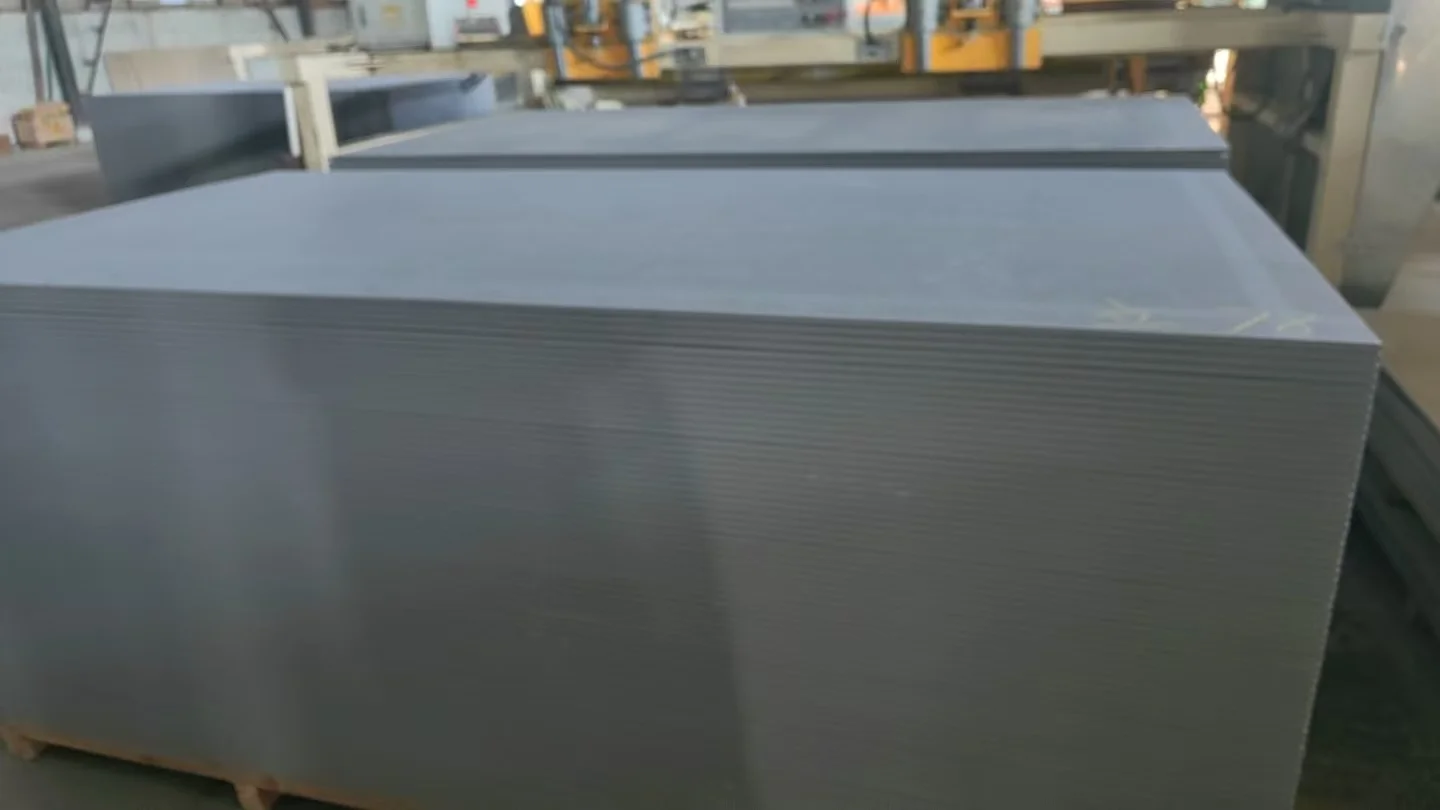
I increasingly see architects specify fiber cement after comprehensive performance analysis rather than defaulting to traditional materials.
Best choice depends on balancing multiple performance and cost factors.
Fiber Cement Performance Advantages
| Performance Factor | Fiber Cement Rating |
|---|---|
| Fire resistance | Excellent (Class A) |
| Moisture resistance | Very good |
| Impact resistance | Good |
| UV stability | Excellent |
| Insect resistance | Excellent |
Strong performance across multiple factors.
Comparative Material Analysis
| Material | Durability | Maintenance | Fire Safety | Cost |
|---|---|---|---|---|
| Fiber cement | Excellent | Low | Excellent | Moderate |
| Wood | Good | High | Poor | Low-Moderate |
| Vinyl | Fair | Very low | Fair | Low |
| Metal | Excellent | Low | Good | High |
Fiber cement offers balanced high performance.
Climate Suitability
| Climate Condition | Fiber Cement Performance |
|---|---|
| High humidity | Excellent resistance |
| Freeze-thaw cycles | Very good stability |
| UV exposure | Superior color retention |
| Salt air | Good corrosion resistance |
Climate versatility suits diverse applications.
Installation Considerations
| Installation Factor | Complexity Level |
|---|---|
| Cutting requirements | Specialized tools needed |
| Weight handling | Heavier than alternatives |
| Fastening techniques | Specific requirements |
| Safety precautions | Enhanced measures required |
Installation requires professional expertise.
Long-term Value Analysis
| Value Factor | Fiber Cement Advantage |
|---|---|
| Lifespan | 30-50 years typical |
| Maintenance costs | Minimal requirements |
| Insurance benefits | Fire rating advantages |
| Resale value | Premium material status |
Long-term value justifies higher initial cost.
When Fiber Cement Is The Best Choice
| Project Requirement | Fiber Cement Advantage |
|---|---|
| Fire safety priority | Unmatched performance |
| Low maintenance need | Minimal upkeep required |
| Durability critical | Excellent longevity |
| Climate challenges | Broad resistance range |
Specific project needs determine optimal choice.
The Industry Shift Behind Material-Comparison Questions
| Traditional Material Selection | Modern Performance-Based Selection |
|---|---|
| Cost-first decisions | Value-over-lifecycle analysis |
| Familiar material preference | Performance data-driven choices |
| Simple selection criteria | Comprehensive evaluation methods |
I increasingly see specification decisions based on comprehensive performance analysis rather than traditional material preferences.
How Long Does Cement Board Take To Dry Before Tiling?
Cement board typically requires 24-48 hours for surface drying and 7-14 days for complete moisture stabilization before tiling, depending on thickness, environmental conditions, and moisture content requirements. Proper drying ensures optimal tile adhesion and prevents future problems.
TRUSUS drying insight: rushing cement board installation leads to adhesion failures and long-term tile problems that are expensive to repair.
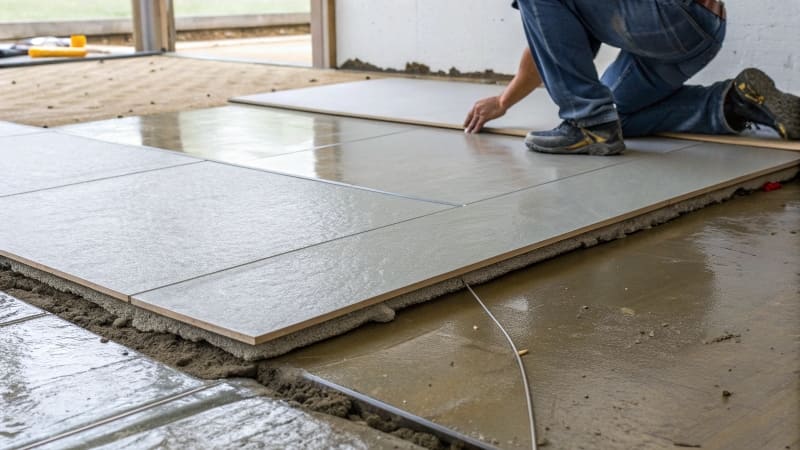
I increasingly see professional tilers emphasize proper drying time as critical to installation success and warranty coverage.
Adequate drying time prevents costly tile failures.
Drying Timeline Standards
| Drying Phase | Time Requirement |
|---|---|
| Initial surface dry | 24-48 hours |
| Workable surface | 48-72 hours |
| Complete stabilization | 7-14 days |
| Optimal tiling conditions | 14-21 days |
Different applications require different drying levels.
Environmental Factors Affecting Drying
| Environmental Factor | Drying Impact |
|---|---|
| Temperature (15-25°C) | Optimal drying rate |
| Humidity (60-80%) | Controlled moisture loss |
| Air circulation | Accelerated surface drying |
| Direct sunlight | Avoid rapid drying |
Controlled conditions ensure proper drying.
Moisture Content Testing
| Testing Method | Acceptable Level |
|---|---|
| Moisture meter | Below 10% content |
| Surface feel test | Completely dry touch |
| Color indication | Uniform light color |
| Professional testing | Laboratory standards |
Testing confirms readiness for tiling.
Thickness And Drying Relationship
| Board Thickness | Minimum Drying Time |
|---|---|
| 6mm boards | 3-5 days |
| 10mm boards | 7-10 days |
| 12mm boards | 10-14 days |
| 20mm boards | 14-21 days |
Thicker boards require longer drying periods.
Installation Quality Factors
| Quality Factor | Proper Drying Benefit |
|---|---|
| Adhesive bonding | Maximum strength |
| Dimensional stability | Prevents movement |
| Long-term performance | Prevents failures |
| Warranty coverage | Meets manufacturer requirements |
Proper drying ensures installation quality.
Why Proper Drying Time Matters
| Rushed Installation | Properly Dried Installation |
|---|---|
| Adhesion problems | Strong, lasting bonds |
| Tile movement risk | Stable substrate |
| Warranty voidance | Full warranty protection |
Patience prevents expensive problems.
The Industry Shift Behind Drying-Time Questions
| Traditional Installation Speed | Modern Quality-Focused Installation |
|---|---|
| Fast completion priority | Quality assurance focus |
| Minimal drying time | Comprehensive drying requirements |
| Risk acceptance | Problem prevention emphasis |
I increasingly see professional installers emphasize proper drying time as essential to quality workmanship and customer satisfaction.
Conclusion
At TRUSUS, I see cement board applications evolving from basic installation toward comprehensive lifecycle management including targeted repairs, performance optimization, material selection science, and quality installation practices. Success requires treating cement board as a sophisticated building system demanding professional expertise throughout its service life.
