




Can You Paint Directly on Cement Board?
When contractors ask me, "Can you paint directly on cement board?", I know they're wondering whether they can skip steps and still get lasting results.
You can paint directly on cement board, but success depends on surface preparation and primer selection. Raw cement board is alkaline and porous, so without proper preparation, paint may fail to adhere properly or fade quickly due to alkali burn-through.
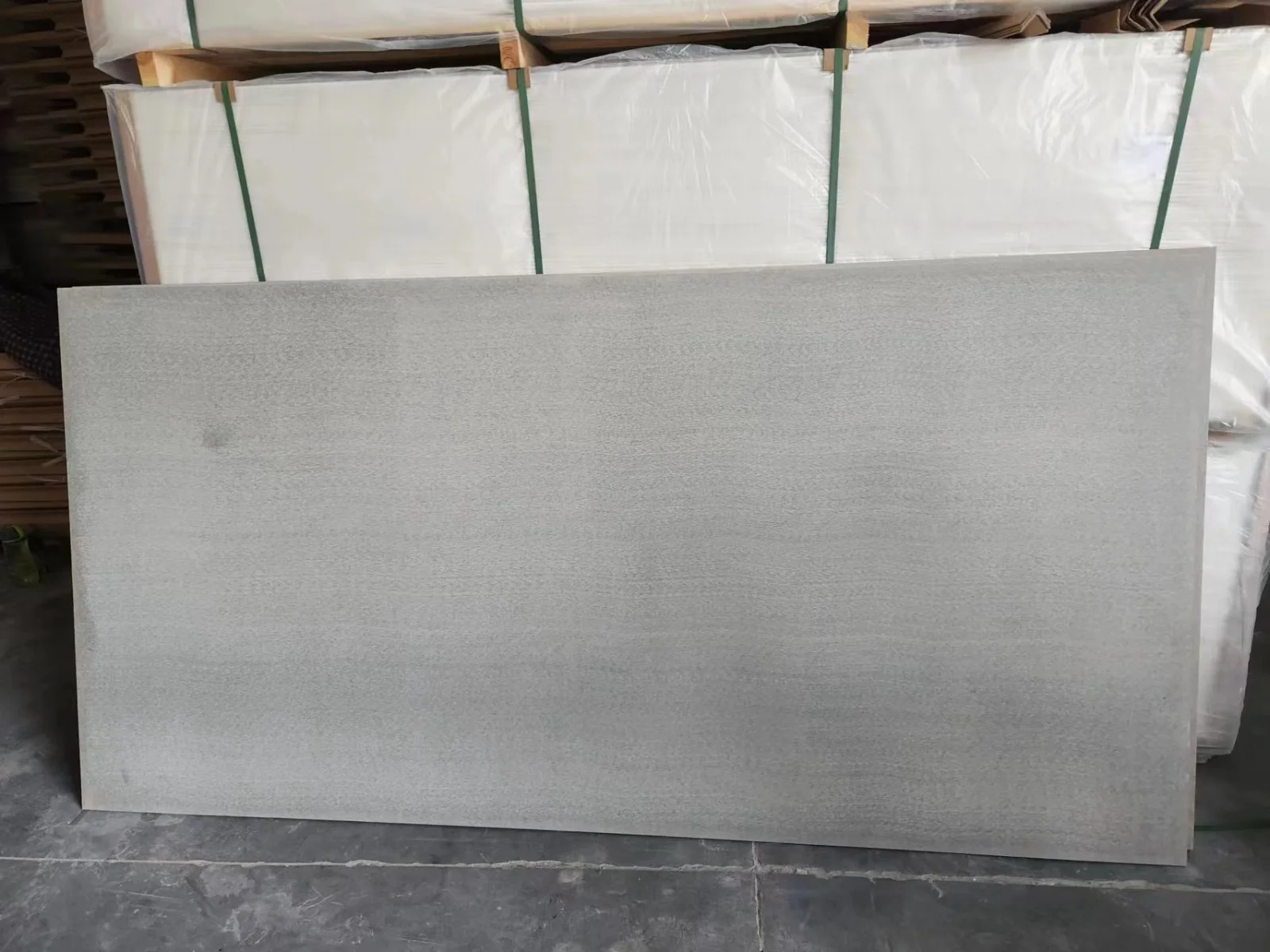
Through factory testing and field observations, I've learned that "direct painting" works when you understand the material's surface chemistry. The key is matching paint systems to cement board's unique properties rather than treating it like drywall or wood.
What Paint Is Best for Cement Board?
This question gets to the heart of material compatibility and long-term performance.
Acrylic latex paint with alkali-resistant properties works best for cement board. High-quality exterior acrylic paints, elastomeric coatings, and specialized masonry paints provide excellent adhesion, flexibility, and resistance to the alkaline nature of cement.
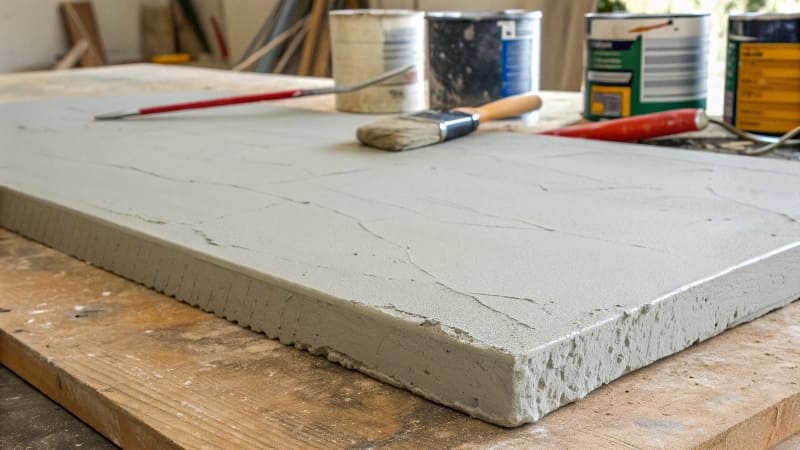
Recommended Paint Systems by Application
From working with various contractors, certain paint categories consistently deliver superior performance on cement substrates.
| Paint Type | Best Use | Key Benefits | Typical Lifespan |
|---|---|---|---|
| 100% Acrylic Latex | Exterior siding, general use | Flexibility, breathability | 8-12 years |
| Elastomeric Coatings | High-movement areas | Crack bridging, waterproof | 10-15 years |
| Masonry Paint | Textured surfaces | Alkali resistance, durability | 7-10 years |
| Epoxy-Modified Acrylic | High-traffic, industrial | Chemical resistance, hardness | 12-20 years |
The critical factor is alkali resistance—cement board's high pH can cause regular house paint to fade or chalk prematurely without proper formulation.
How Do You Prep Cement Board for Paint?
Proper preparation determines whether your paint job lasts years or months.
To prep cement board for paint: clean the surface, check for defects, apply alkali-resistant primer, fill gaps with appropriate caulk, and ensure complete drying before topcoat application. Skip any step and you risk adhesion failure.
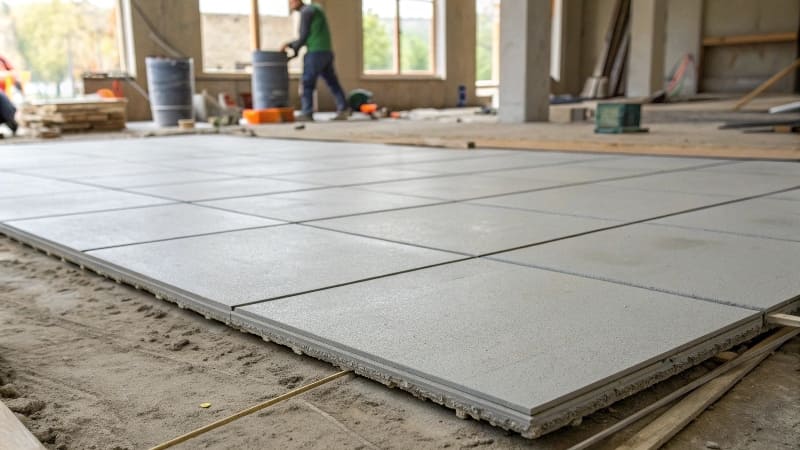
Complete Preparation Process
I've documented the most effective preparation sequence through job site visits and warranty claims analysis.
| Step | Process | Materials Needed | Why It's Critical |
|---|---|---|---|
| 1. Surface Cleaning | Remove dust, debris, efflorescence | Stiff brush, mild detergent | Prevents adhesion barriers |
| 2. Defect Inspection | Check for cracks, gaps, loose areas | Visual inspection, probe test | Identifies potential failure points |
| 3. Primer Application | Apply alkali-resistant primer | High-quality masonry primer | Neutralizes pH, improves adhesion |
| 4. Gap Sealing | Caulk joints and penetrations | Paintable acrylic caulk | Prevents moisture infiltration |
| 5. Drying Time | Allow full cure before topcoat | Moisture meter (optional) | Ensures chemical bond formation |
The primer step is non-negotiable—it's the difference between a professional finish and premature paint failure.
Do You Have to Sand a Cement Board Before Painting?
This question comes up frequently since many assume all surfaces need sanding.
You typically don't need to sand Cement board before painting if it's new and clean. However, sanding may be necessary for glossy factory finishes, rough textures, or previously painted surfaces to ensure proper adhesion.
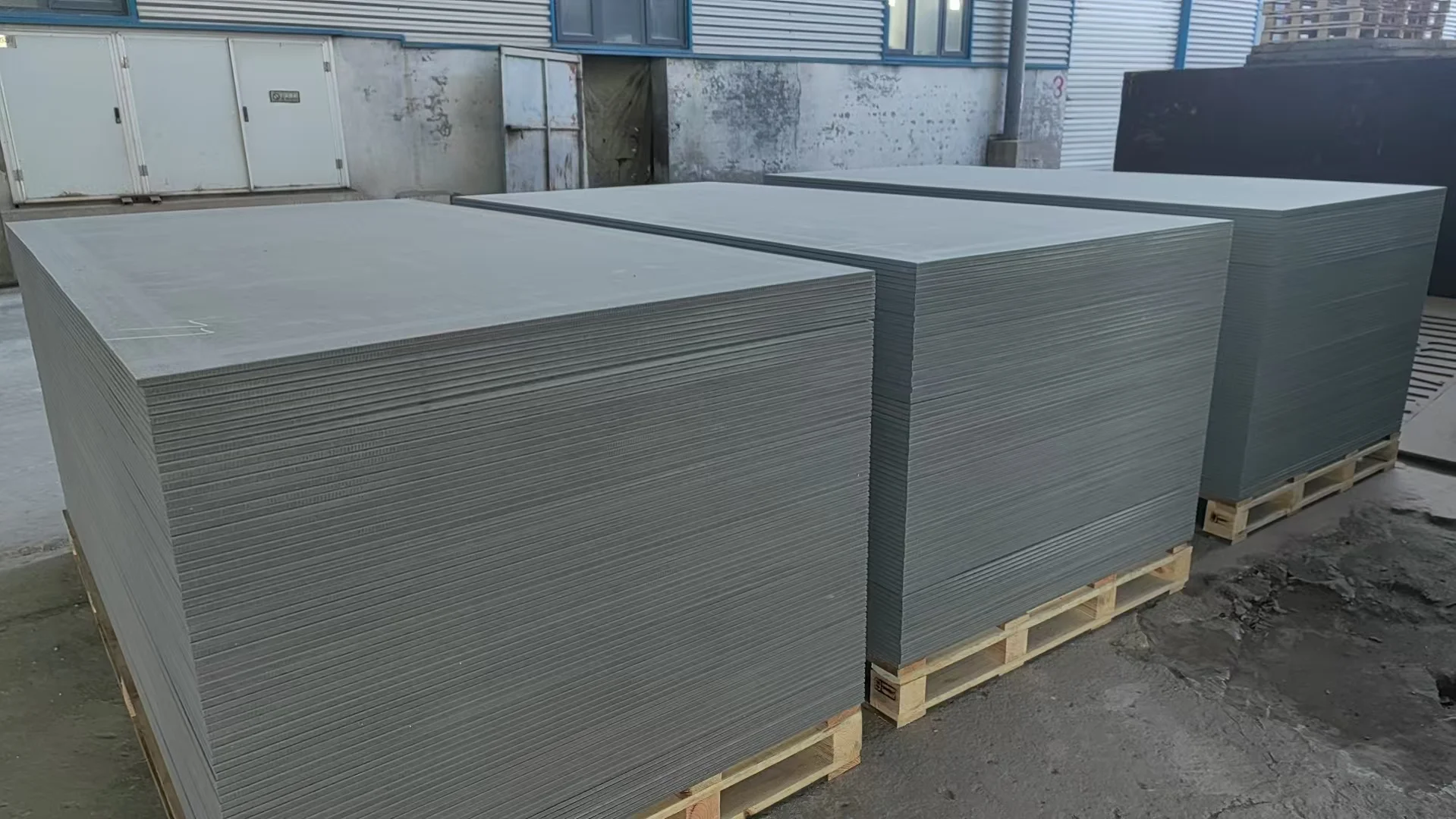
When Sanding Is and Isn't Necessary
Through installation experience, I've identified specific conditions that require surface abrasion versus those that don't.
| Cement Board Condition | Sanding Required? | Reason | Grit Recommendation |
|---|---|---|---|
| New, Factory Fresh | No | Already optimal for primer adhesion | N/A |
| Factory Primed | Light scuffing only | Break gloss for topcoat | 220 grit |
| Smooth Finish | Optional | May improve mechanical bond | 150-220 grit |
| Previously Painted | Yes, if glossy | Remove barrier coatings | 120-150 grit |
| Textured Surface | Usually no | Texture provides natural tooth | Spot sand high points only |
The goal isn't to create a smooth surface—it's to ensure optimal primer penetration and mechanical adhesion. Over-sanding can actually reduce performance by creating too much texture.
Conclusion
You can paint directly on cement board with proper preparation and compatible paint systems. Acrylic latex paints with alkali resistance work best, and while sanding isn't always necessary, primer application is essential. The key to success lies in understanding cement board's alkaline nature and choosing paint systems designed for masonry substrates. Proper preparation ensures your paint job will protect and beautify the surface for many years.
