




Can You Leave Cement Board Exposed Outside?
Cement board's weather resistance capabilities determine its suitability for exterior exposure applications.
Cement board can withstand outdoor exposure but requires proper sealing and finishing for optimal performance. Bare cement board absorbs moisture and develops surface degradation over time requiring protective coatings, sealers, or cladding systems for maximum durability and weather resistance.
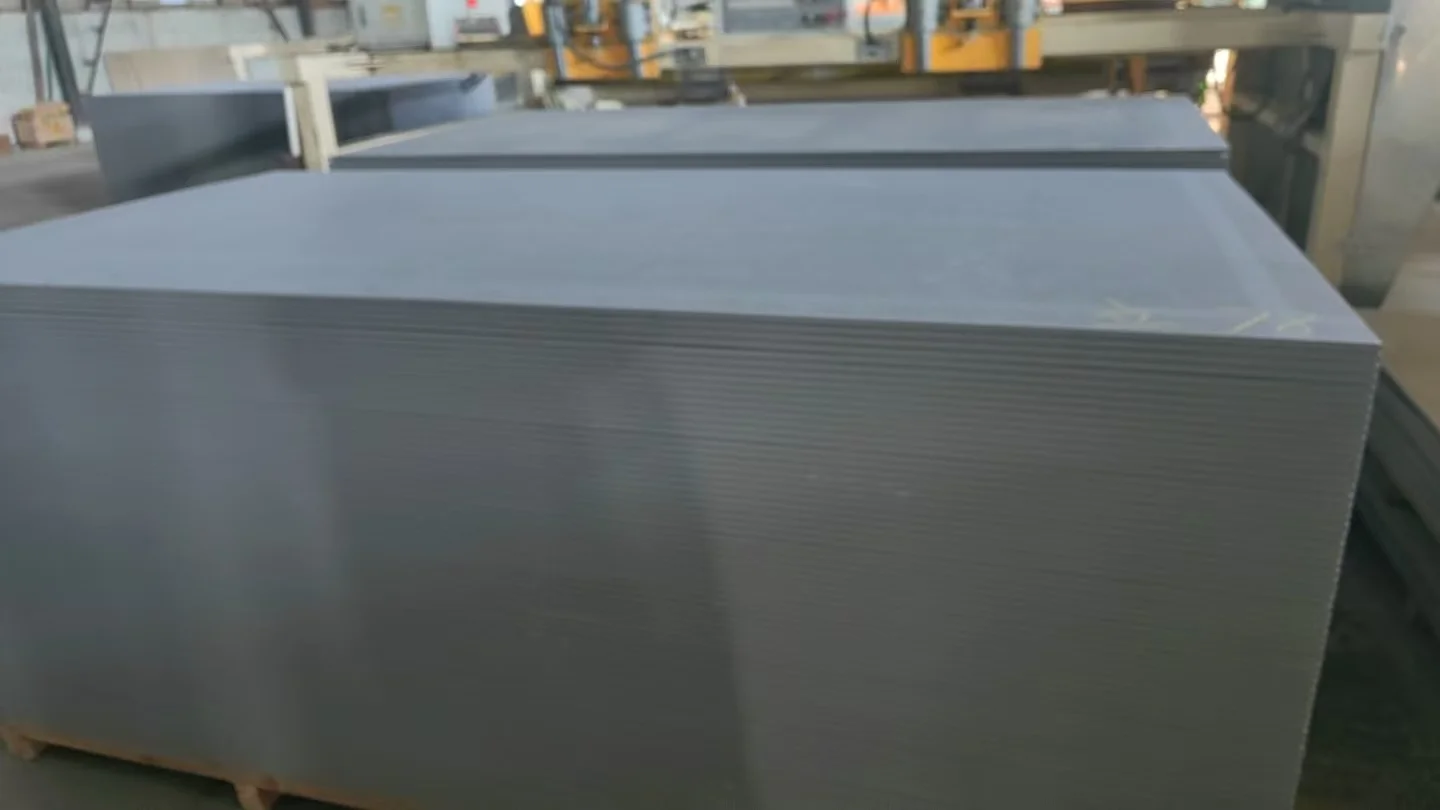
From my years manufacturing cement boards, I've learned that while these products resist moisture better than wood or gypsum, they perform best as part of a complete weather barrier system rather than as exposed finish materials.
How Do You Waterproof Exterior Cement Board?
Waterproofing cement board requires specific sealers and application methods for effective moisture protection.
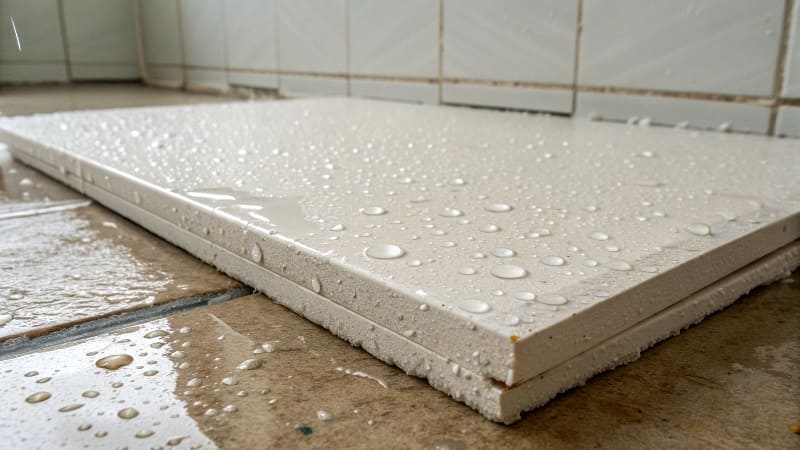
Waterproof cement board using penetrating sealers, elastomeric coatings, or membrane systems applied to clean, dry surfaces following manufacturer specifications. Acrylic sealers provide basic protection while elastomeric coatings offer superior waterproofing with flexibility for thermal movement. Joint sealing prevents water infiltration at panel connections.
Sealer Types and Performance
Through field testing various waterproofing systems, specific products demonstrate different performance levels for cement board protection.
| Sealer Type | Penetration Depth | Water Resistance | Durability | Application Method |
|---|---|---|---|---|
| Acrylic Sealer | Surface only | Good | 3-5 years | Spray or roller |
| Siloxane Sealer | 2-4mm penetration | Excellent | 8-12 years | Spray application |
| Elastomeric Coating | Surface film | Superior | 10-15 years | Roller or spray |
| Liquid Membrane | Surface barrier | Maximum | 15-20 years | Roller application |
| Sheet Membrane | Physical barrier | Complete | 20+ years | Adhesive application |
Siloxane sealers provide the best balance of penetration, breathability, and long-term water repellency for most cement board applications.
Application Requirements
Proper waterproofing requires specific surface preparation and environmental conditions for successful cement board protection.
| Requirement Category | Specification | Critical Factors | Quality Control |
|---|---|---|---|
| Surface Preparation | Clean, dry, dust-free | Remove all contaminants | Visual inspection |
| Temperature Range | 50-85°F application | Avoid extreme conditions | Thermometer monitoring |
| Humidity Limits | Below 85% RH | Prevent application problems | Hygrometer readings |
| Cure Time | 24-72 hours | Temperature dependent | Follow manufacturer specs |
| Coverage Rate | Per manufacturer specs | Ensure complete coverage | Wet film thickness gauge |
Surface cleanliness critically affects sealer penetration and adhesion, requiring pressure washing and complete drying before application.
Joint and Penetration Sealing
Waterproofing effectiveness depends on proper sealing of all joints, fasteners, and penetrations in cement board installations.
| Detail Location | Sealing Method | Sealant Type | Maintenance Requirements |
|---|---|---|---|
| Horizontal Joints | Structural sealant + backer rod | Polyurethane or silicone | Inspect annually |
| Vertical Joints | Sealant or gasket system | Weather-resistant grade | Check after storms |
| Fastener Heads | Sealant cap or washer | Compatible with board | Monitor for loosening |
| Penetrations | Collar and sealant | Flexible sealant | Reapply as needed |
| Corners | Continuous sealant bead | High-movement capability | Priority maintenance area |
Polyurethane sealants provide superior adhesion and movement capability for cement board joint sealing applications.
Can Cement Board Be Exposed to Weather?
Weather exposure capabilities of cement board depend on specific environmental conditions and protection levels.
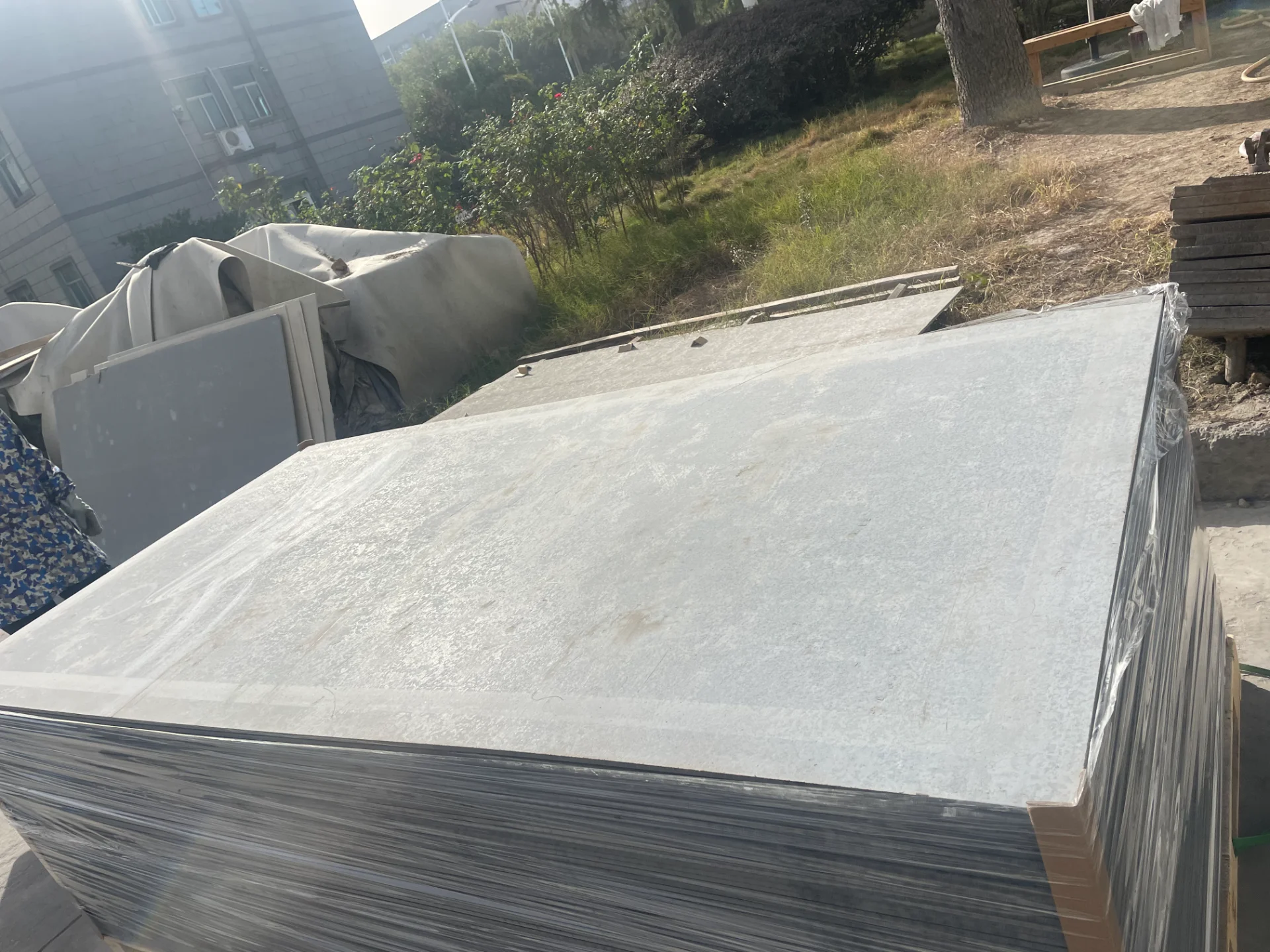
Cement board can withstand normal weather exposure but shows surface erosion and color changes without protective finishes. Freeze-thaw cycles, UV radiation, and acidic rain gradually degrade exposed surfaces while structural integrity remains intact for decades. Coastal and industrial environments accelerate surface deterioration.
Environmental Resistance Factors
Based on accelerated weathering tests, cement board demonstrates varying resistance to different environmental stressors.
| Environmental Factor | Resistance Level | Degradation Pattern | Protection Methods |
|---|---|---|---|
| UV Radiation | Moderate | Surface chalking, color fade | UV-stable coatings |
| Freeze-Thaw | Good | Edge spalling potential | Proper drainage design |
| Salt Spray | Excellent | Minimal structural effect | Surface sealing |
| Acid Rain | Fair | Surface etching | Protective coatings |
| Wind-Driven Rain | Good | Moisture absorption | Sealing and drainage |
| Thermal Cycling | Excellent | Minimal dimensional change | Expansion joints |
UV radiation causes the most visible surface deterioration, requiring protective coatings for appearance retention.
Climate-Specific Performance
Different climate zones present unique challenges requiring specific protection strategies for cement board installations.
| Climate Zone | Primary Challenges | Recommended Protection | Expected Service Life |
|---|---|---|---|
| Hot-Dry | UV degradation, thermal stress | UV-resistant sealers | 15-25 years |
| Hot-Humid | Moisture cycling, biological growth | Breathable coatings | 12-20 years |
| Cold | Freeze-thaw, ice formation | Waterproof membranes | 20-30 years |
| Coastal | Salt spray, humidity | Marine-grade coatings | 10-18 years |
| Industrial | Chemical exposure, pollution | Chemical-resistant systems | 8-15 years |
Coastal environments present the most aggressive conditions, requiring premium protection systems for acceptable service life.
How Long Will Cement Board Last Outside?
Cement board exterior service life depends on protection level, installation quality, and environmental exposure.
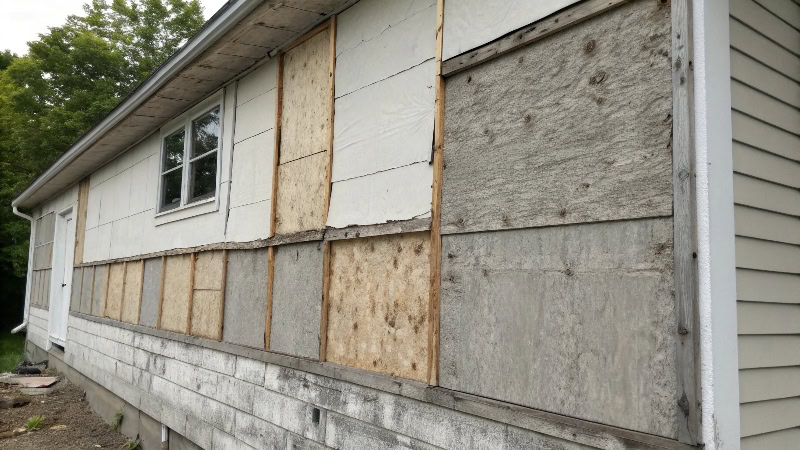
Properly protected cement board lasts 20-50 years outdoors depending on climate and maintenance. Unprotected boards show surface degradation after 3-5 years but retain structural integrity for 15-25 years. Premium protection systems extend service life beyond 30 years in most climates.
Service Life by Protection Level
Through long-term field studies, different protection strategies demonstrate predictable service life patterns for exterior cement board applications.
| Protection Level | Surface Condition | Structural Integrity | Total Service Life | Maintenance Requirements |
|---|---|---|---|---|
| No Protection | Degraded 3-5 years | Good 15-25 years | 15-25 years | Replacement when worn |
| Basic Sealer | Good 5-8 years | Excellent 25-35 years | 25-35 years | Reapply sealer every 5-8 years |
| Premium Coating | Excellent 10-15 years | Excellent 30-50 years | 30-50 years | Coating renewal every 10-15 years |
| Complete System | Like-new 15-25 years | Excellent 40+ years | 40+ years | Minimal maintenance |
Basic sealing provides significant service life extension at reasonable cost for most residential applications.
Failure Mode Analysis
Understanding how cement board degrades helps predict maintenance requirements and replacement timing.
| Failure Mode | Time to Occurrence | Visual Indicators | Structural Impact | Intervention Required |
|---|---|---|---|---|
| Surface Chalking | 2-4 years unprotected | Powdery surface | None | Surface sealing |
| Color Fading | 3-6 years | Uniform lightening | None | Protective coating |
| Edge Spalling | 5-10 years | Chipped edges | Minimal | Edge sealing/repair |
| Surface Erosion | 8-15 years | Rough texture | None | Resurfacing options |
| Structural Cracking | 20+ years | Through-thickness cracks | Significant | Panel replacement |
Surface deterioration occurs years before structural problems, allowing planned maintenance to extend service life.
Maintenance Strategies
Proactive maintenance significantly extends cement board service life while minimizing long-term costs.
| Maintenance Activity | Frequency | Cost Impact | Service Life Extension | DIY Feasibility |
|---|---|---|---|---|
| Visual Inspection | Annually | Minimal | Identifies issues early | High |
| Joint Resealing | Every 3-5 years | Low | Prevents moisture infiltration | Medium |
| Surface Cleaning | Every 2-3 years | Low | Maintains appearance | High |
| Sealer Reapplication | Every 5-10 years | Medium | Doubles surface life | Medium |
| Protective Recoating | Every 10-15 years | Medium-High | Major life extension | Low |
Regular inspection and joint maintenance provide the highest return on investment for cement board longevity.
Cost-Benefit Analysis
Long-term cost analysis demonstrates the value of proper protection systems for cement board installations.
| Protection Strategy | Initial Cost Premium | Maintenance Costs | 30-Year Total Cost | Performance Benefits |
|---|---|---|---|---|
| No Protection | $0 | High (early replacement) | Baseline + 25% | Acceptable short-term |
| Basic Protection | 10-15% | Medium (periodic sealing) | Baseline | Good long-term value |
| Premium Protection | 25-35% | Low (minimal maintenance) | Baseline - 10% | Excellent performance |
| Complete System | 50-75% | Very Low | Baseline - 20% | Maximum longevity |
Premium protection systems often cost less over building lifetime while providing superior performance and appearance retention.
Conclusion
Cement board can withstand outdoor exposure but requires proper sealing and finishing for optimal long-term performance with bare boards showing surface degradation after 3-5 years while maintaining structural integrity for decades. Waterproofing cement board using penetrating sealers, elastomeric coatings, or membrane systems provides effective moisture protection with siloxane sealers offering the best balance of penetration and durability for most applications. Cement board can be exposed to weather but shows surface erosion and color changes without protective finishes with UV radiation causing the most visible deterioration and coastal environments presenting the most aggressive conditions. Properly protected cement board lasts 20-50 years outdoors with basic sealing extending service life to 25-35 years and premium protection systems achieving 30+ years through planned maintenance and quality installation practices. Success with exterior cement board depends on understanding its role as a structural substrate requiring appropriate protection rather than a finish material, with proper sealing and maintenance strategies providing excellent long-term value in building envelope applications.
