




Can You Apply a Wood‑Stain Finish to a Textured Fiber Cement Board?
Yes, as long as the board surface is smooth enough and properly sealed before application. Penetrating stains designed for mineral surfaces can create realistic wood‑grain effects.
TRUSUS design insight: the texture defines the emotion of the space.
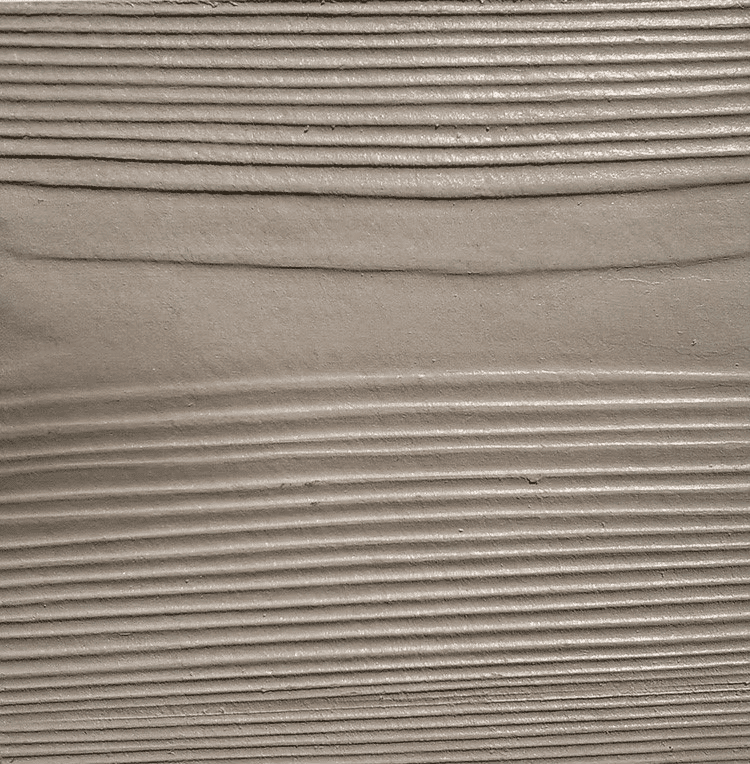
High‑density boards with fine pores accept water‑based or solvent‑based stains better than coarse surfaces. A light sanding and clear topcoat enhance depth and protect against UV and moisture. Always test small sections first to match desired color absorption.
What Is the Best Type of Paint for Pre‑Primed Fiber Cement Board?
Acrylic or elastomeric exterior paints work best because they bond tightly with pre‑primed surfaces. They resist cracking and fading under outdoor temperature swings.
TRUSUS finishing insight: paint selection is the link between durability and beauty.
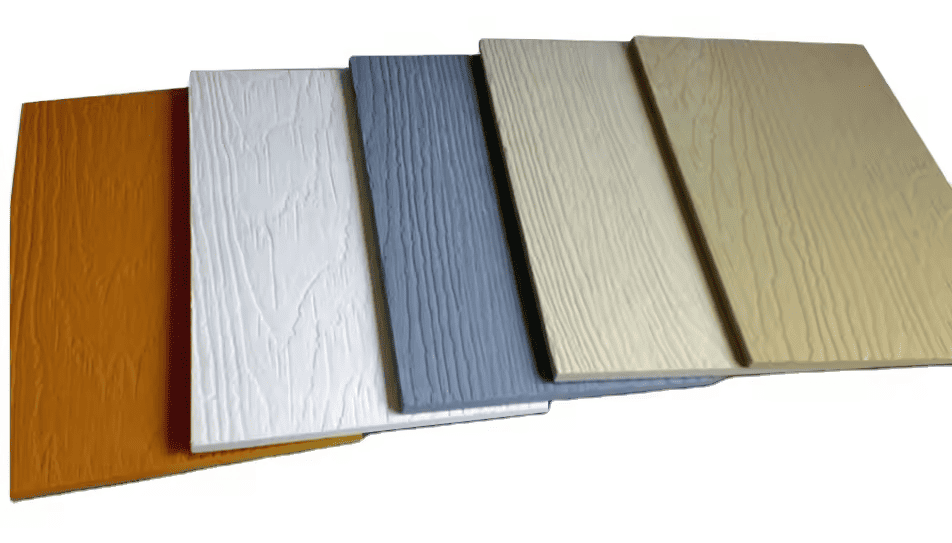
Paint Compatibility Guide
| Paint Type | Ideal Use | Features |
|---|---|---|
| 100% Acrylic | Exterior façades | Long UV life, washable |
| Elastomeric | High‑exposure zones | Flexible film, crack resistance |
| Polyurethane | Interior panels | Smooth finish, less breathability |
| Mineral‑based Silicate | Raw boards | Matte texture, vapor open |
In one façade renovation project I joined, switching to pure acrylic paint extended color stability for over a decade, proving the importance of chemical balance in coatings.
How Do You Create a Modern Industrial Look With Raw Fiber Cement Board?
Leave the board unpainted, expose joints, and emphasize its natural gray tone under directional lighting. This raw surface expresses strength, neutrality, and precision.
TRUSUS aesthetic insight: industrial cool arises from material honesty.
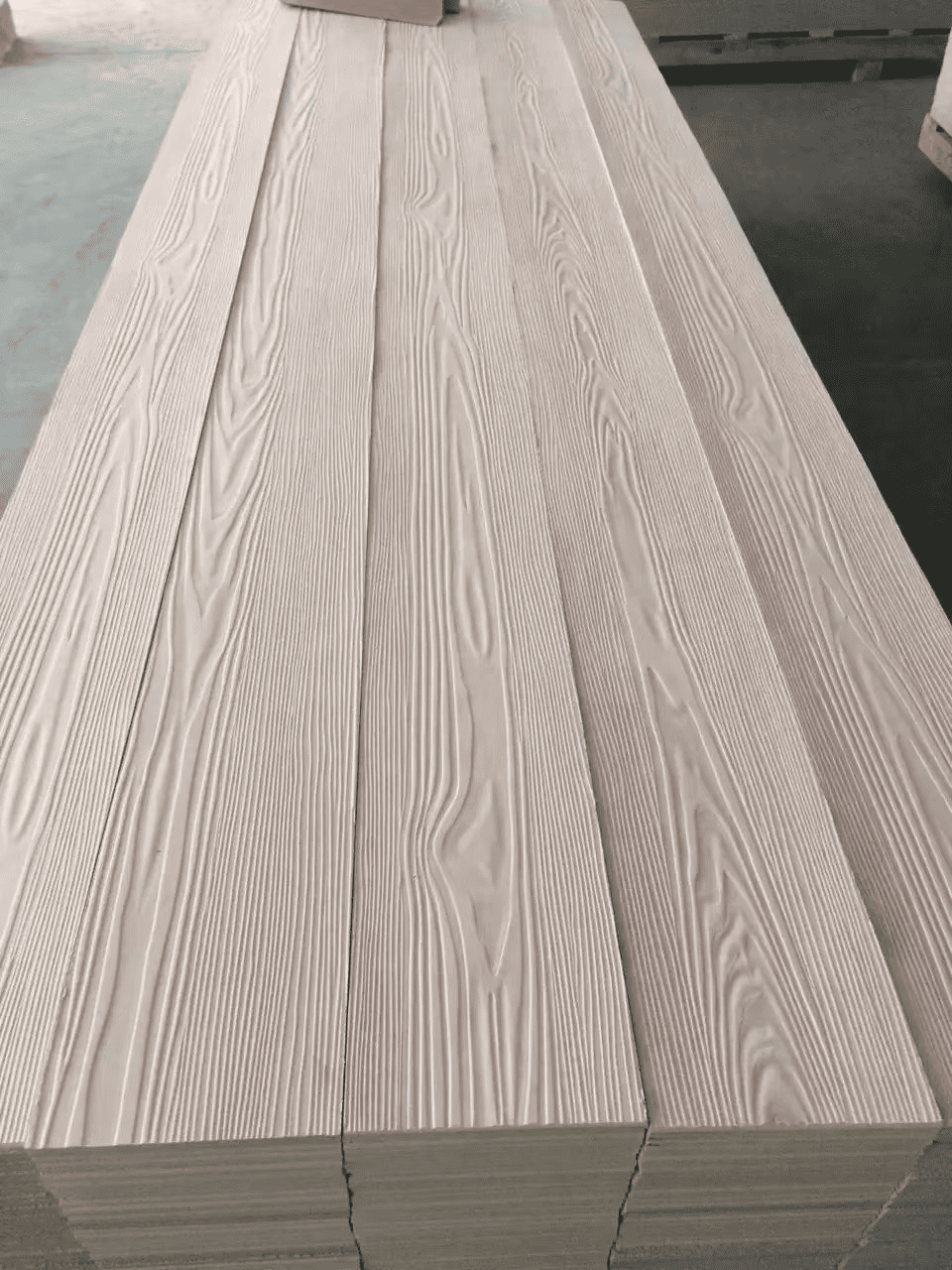
Industrial Design Scheme
| Element | Design Approach | Effect |
|---|---|---|
| Surface Finish | Uncoated or sealed matte | Authentic texture |
| Color Scheme | Cool grays and black trims | Depth and calm |
| Lighting | Wall‑wash or spot | Highlights surface micro‑texture |
| Accessory Materials | Steel, glass, untreated wood | Balanced contrast |
In practice, I guide designers to keep gaps clean and edges crisp. This allows concrete‑like panels to blend smoothly with steel structures and minimal interiors, forming a modern industrial narrative.
Can You Use a CNC Machine to Carve Artistic Patterns Into Fiber Cement Board?
Yes. Fiber cement’s consistency and uniform density make it ideal for CNC carving or etching. Use low‑speed cutters and dust extraction to preserve surface integrity.
TRUSUS creative insight: carving transforms manufacturing into artistry.
CNC Carving Parameters Reference
| Parameter | Suggested Range | Note |
|---|---|---|
| Cutting Speed | 8‑12 m/min | Prevent chipping |
| Depth per Pass | ≤ 3 mm | Maintain structural integrity |
| Tool Type | Tungsten carbide bits | High wear resistance |
| Cooling / Dust Control | Air suction | Protect surface and health |
I once collaborated on a façade with geometric perforations produced by CNC. Despite the board’s inorganic nature, the result carried gentle shadows and tactile richness—a perfect merge of precision and art.
Conclusion
At TRUSUS, I view fiber cement not just as protection but as expression. When handled with design awareness, every board becomes a storytelling surface connecting technology with emotion.
