



Can Old Fiber Cement Board Be Crushed And Reused?
Yes, old fiber cement board can be crushed and reused as recycled aggregate, filler material, or secondary construction material after proper sorting and processing. Recycling helps reduce landfill waste and improves resource efficiency in the construction industry.
TRUSUS sustainability insight: old fiber cement board should be viewed as a recyclable mineral resource rather than disposable construction waste.
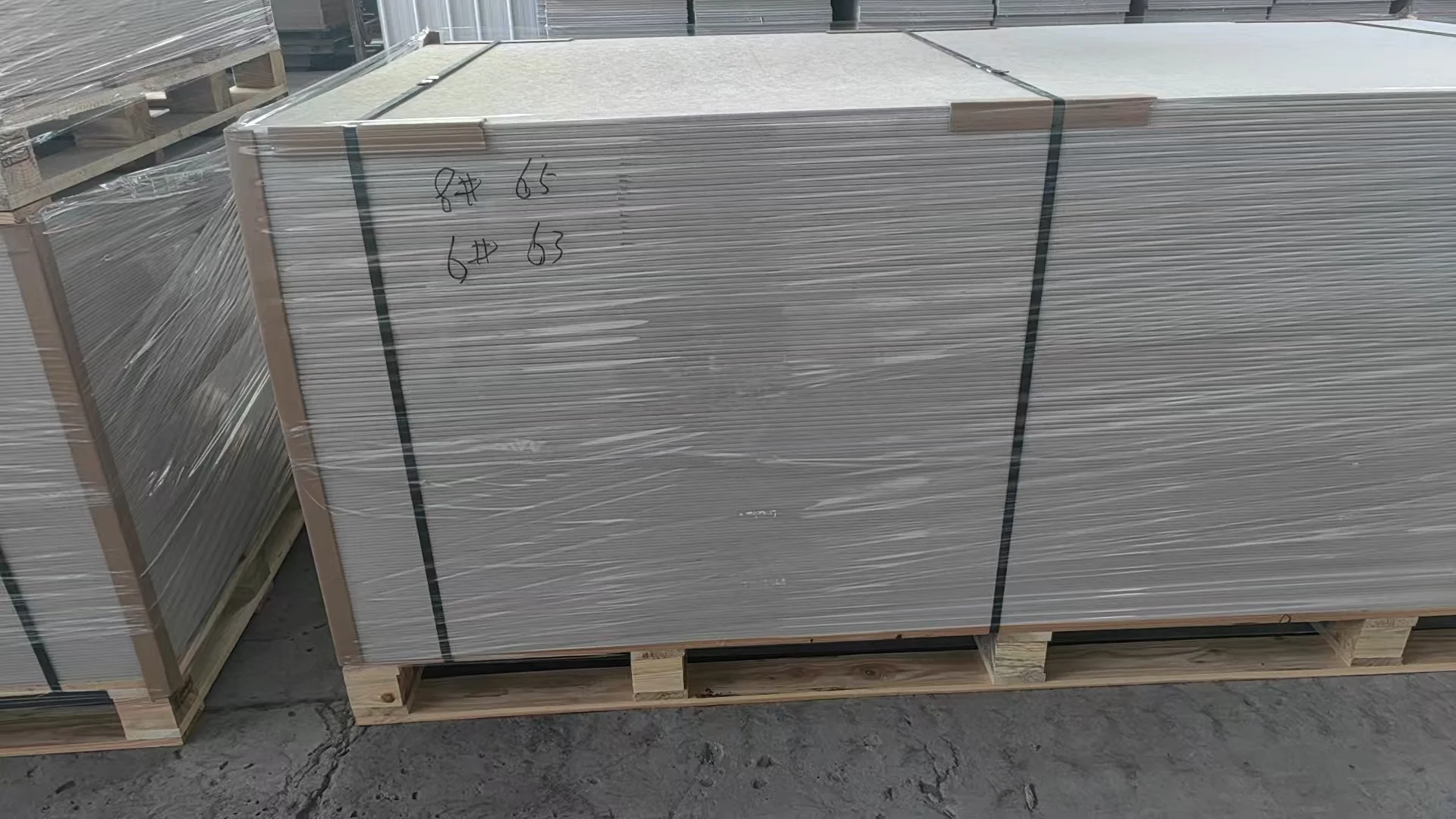
Many people still assume demolition waste has little value once a building reaches the end of its service life.
But fiber cement board contains stable mineral materials that can re-enter the construction cycle.
Basic Recycling Process
| Step | Purpose |
|---|---|
| Mechanical crushing | Break boards into usable particles |
| Magnetic separation | Remove metal contamination |
| Screening | Sort aggregate sizes |
| Dust cleaning | Improve material quality |
The recycled material can then be reused in several applications.
Common Reuse Applications
| Application | Recycling Role |
|---|---|
| Road base layers | Aggregate replacement |
| Concrete production | Partial filler material |
| New cement board production | Recycled mineral input |
| Landscaping products | Decorative material |
From my experience, one ton of discarded fiber cement board can produce around 0.7–0.8 tons of reusable recycled aggregate.
That creates major environmental value.
Benefits Of Crushing And Recycling
| Benefit | Environmental Impact |
|---|---|
| Less landfill waste | Reduces disposal pressure |
| Lower raw material demand | Conserves natural resources |
| Reduced transport impact | Supports local reuse |
| Circular material flow | Improves sustainability |
The industry is slowly moving from “waste disposal thinking” toward “resource circulation thinking.”
That shift is redefining the long-term value of fiber cement materials.
Is Fiber Cement Board Considered A Biodegradable Material?
No, fiber cement board is generally not considered biodegradable because its mineral-based structure remains highly stable in natural environments for decades. Its environmental value comes from durability, low toxicity, and long service life rather than biological decomposition.
TRUSUS material insight: for construction materials, stability often creates greater sustainability than rapid biodegradation.
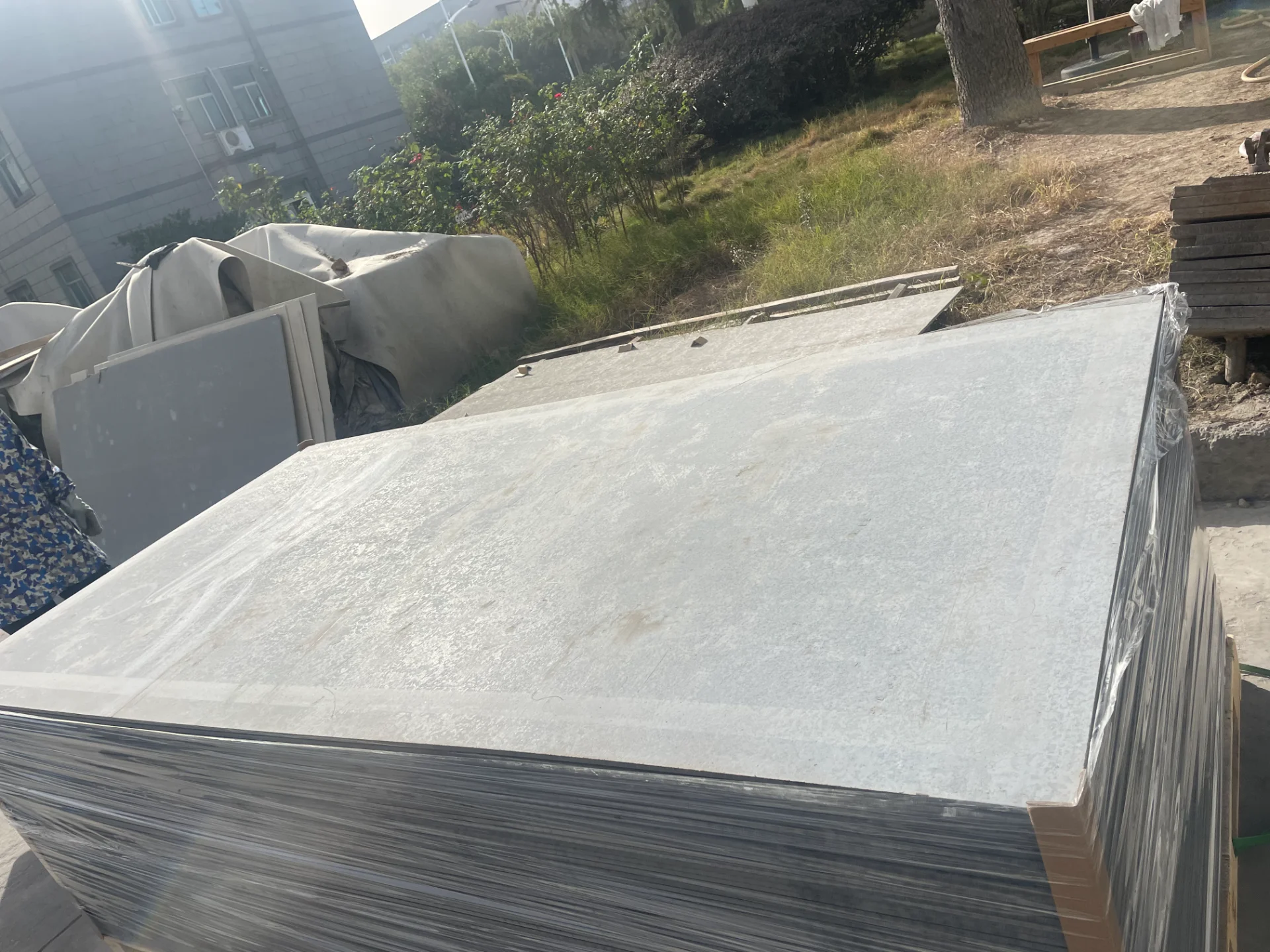
Many customers associate environmental friendliness with biodegradability.
But building materials follow different environmental priorities than packaging or disposable products.
Main Material Composition
| Material Component | Typical Behavior |
|---|---|
| Portland cement | Highly stable |
| Silica sand | Mineral inertness |
| Cellulose fiber | Protected in alkaline matrix |
| Mineral fillers | Long-term durability |
Fiber cement board is designed to resist:
- Moisture
- Biological decay
- Mold growth
- Weather exposure
That resistance helps buildings last longer with fewer replacements.
Sustainability Advantages Of Stability
| Feature | Sustainability Benefit |
|---|---|
| Long service life | Reduces replacement frequency |
| Low chemical release | Minimizes environmental pollution |
| Structural durability | Extends building lifespan |
| Low maintenance | Reduces resource consumption |
I often explain that building sustainability must be measured across decades rather than months.
A material that lasts fifty years with minimal maintenance may create a lower environmental burden than one that degrades quickly and requires repeated replacement.
Why Biodegradability Is Not Always Better
| Concern | Problem In Construction |
|---|---|
| Fast degradation | Structural instability |
| Moisture breakdown | Mold and damage risk |
| Frequent replacement | Higher lifecycle emissions |
| Material failure | Increased waste generation |
For construction systems, long-term material stability is often the more responsible environmental solution.
Carbon Footprint Of Fiber Cement Board Vs. Steel Panels?
Fiber cement board generally has a significantly lower lifecycle carbon footprint than steel panels because it requires less energy-intensive production and often lasts longer with lower maintenance needs. Lifecycle assessment is more important than production emissions alone.
TRUSUS carbon insight: sustainable material comparison must include manufacturing, maintenance, lifespan, and recycling together.
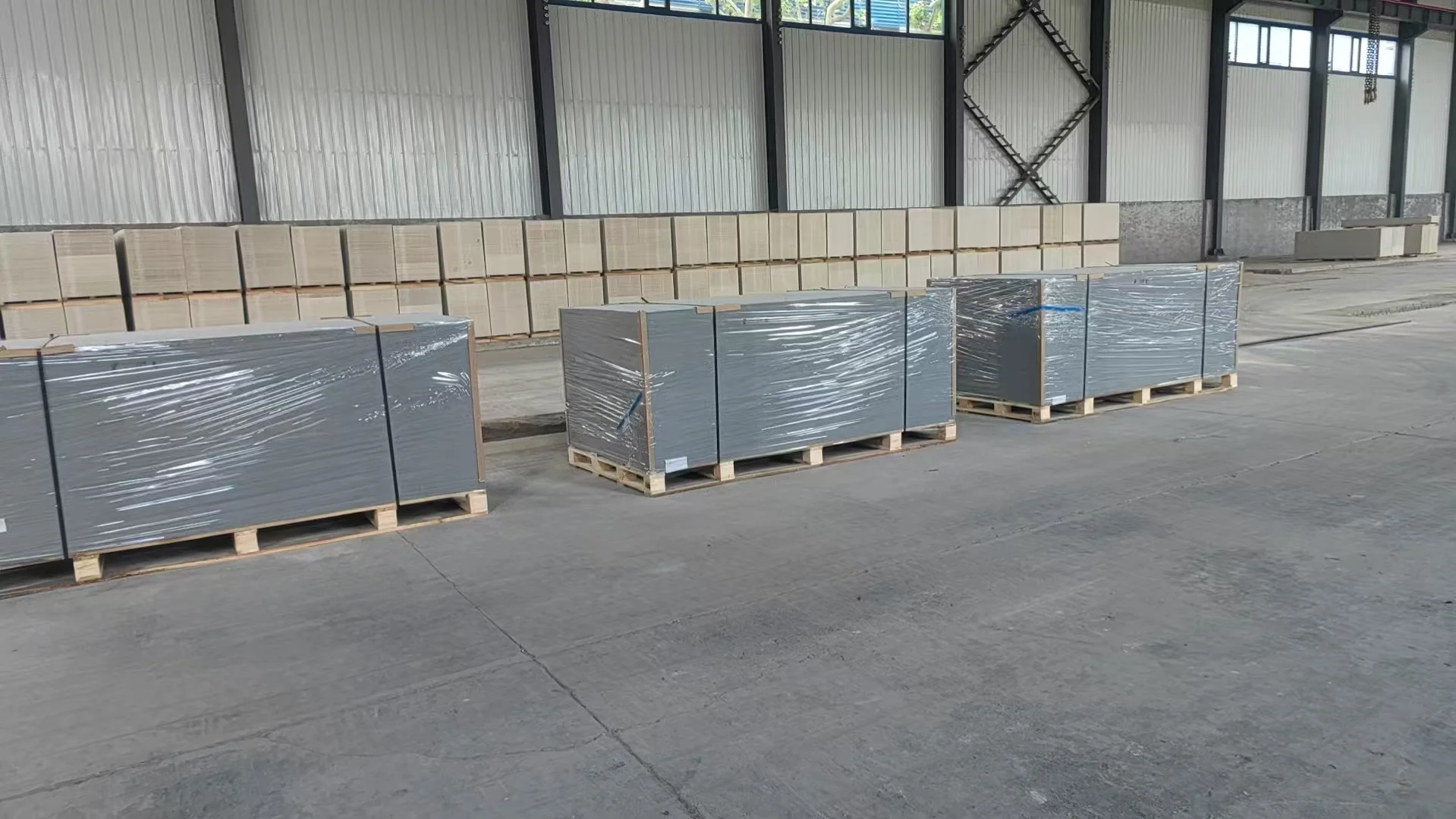
Many environmental comparisons focus only on factory-stage emissions.
But real building sustainability depends on total lifecycle performance.
Approximate Production Carbon Comparison
| Material | Estimated Carbon Emissions |
|---|---|
| Fiber cement board | 0.8–1.2 kg CO₂/m² |
| Galvanized steel panels | 15–25 kg CO₂/m² |
| Sandwich steel panels | 12–20 kg CO₂/m² |
Steel manufacturing requires extremely high energy input during:
- Ore extraction
- Smelting
- Rolling
- Galvanizing
Fiber cement production still creates carbon emissions because cement production is energy intensive.
But the total impact is usually much lower.
Lifecycle Comparison
| Factor | Fiber Cement Board | Steel Panels |
|---|---|---|
| Service life | Around 50 years | Often 15–25 years |
| Corrosion resistance | High | Requires maintenance |
| Replacement frequency | Low | Higher |
| Maintenance emissions | Low | Moderate to high |
In long-term building use, fiber cement systems often create lower cumulative emissions because they require fewer repairs and replacements.
Additional Sustainability Factors
| Factor | Fiber Cement Advantage |
|---|---|
| Local production potential | Reduced transport emissions |
| Recyclability | Mineral reuse possible |
| Fire resistance | Lower replacement risk |
| Dimensional stability | Longer envelope durability |
From my experience, lifecycle carbon thinking is becoming one of the most important competitive factors in modern building materials.
The market is moving beyond “cheap materials” toward “low-impact systems.”
How To Dispose Of Cement Board Waste Responsibly?
Cement board waste should be separated, cleaned, recycled when possible, and disposed of according to local construction waste regulations to minimize environmental impact. Responsible disposal starts with proper demolition planning and material sorting.
TRUSUS recycling insight: the best waste management strategy begins during product design, not after demolition.
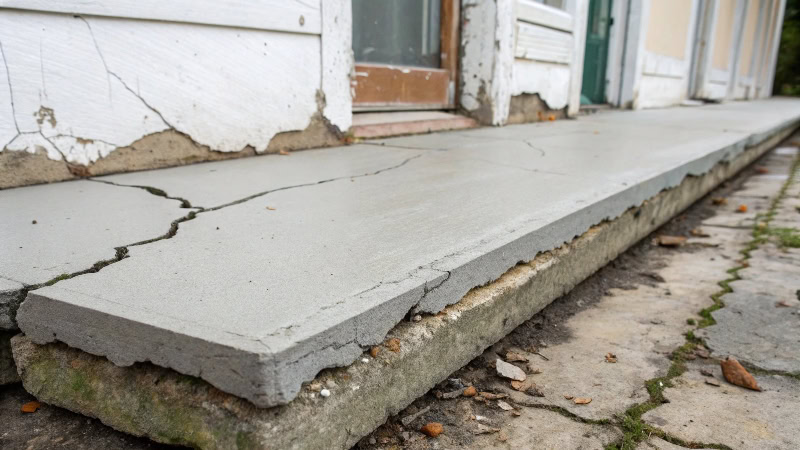
Many construction projects still treat demolition waste as mixed debris.
That greatly reduces recycling efficiency.
Responsible Disposal Steps
| Step | Purpose |
|---|---|
| Separate waste streams | Improve recycling quality |
| Remove fasteners | Reduce contamination |
| Sort reusable materials | Recover value |
| Deliver to recycling facilities | Enable material processing |
One important point is identifying older cement boards correctly.
Some historical cement products may contain hazardous materials depending on local manufacturing history.
Professional inspection may be required before demolition.
Recommended Disposal Practices
| Practice | Environmental Benefit |
|---|---|
| Controlled demolition | Reduces material damage |
| Dust management | Protects worker health |
| Recycling partnerships | Improves material recovery |
| Local reuse | Lowers transport emissions |
I believe manufacturers also carry responsibility beyond product sales.
Modern sustainability increasingly requires:
- Recyclable product design
- Material transparency
- Recovery guidance
- Circular supply chain cooperation
Future Circular Economy Direction
| Industry Shift | Long-Term Impact |
|---|---|
| Standardized recycling systems | Higher recovery rates |
| Recycled-content products | Lower raw material demand |
| Lifecycle responsibility | Better sustainability performance |
| Circular construction models | Reduced building waste |
The future of fiber cement board is not only about durability.
It is also about how effectively the material can participate in a long-term circular building economy.
Conclusion
At TRUSUS, I see fiber cement board evolving from a traditional construction product into part of a larger circular resource system. Its long-term value now depends not only on durability, but also on recyclability, lifecycle efficiency, and responsible environmental integration.