




Can I Use Cement Board Instead of Plywood?
Yes, cement board can replace plywood in many cases, but its role and purpose differ. Cement board is rigid and moisture-resistant, designed for long-term structural and wet-area durability. Plywood is flexible and easy to fasten but vulnerable to moisture. The choice depends on structural load and environment, not substitution alone.
Cement board equals structure-level stability, while plywood equals short-term flexibility. TRUSUS fiber cement boards serve best in humid, load-bearing, or fire-prone areas like bathrooms or exteriors.
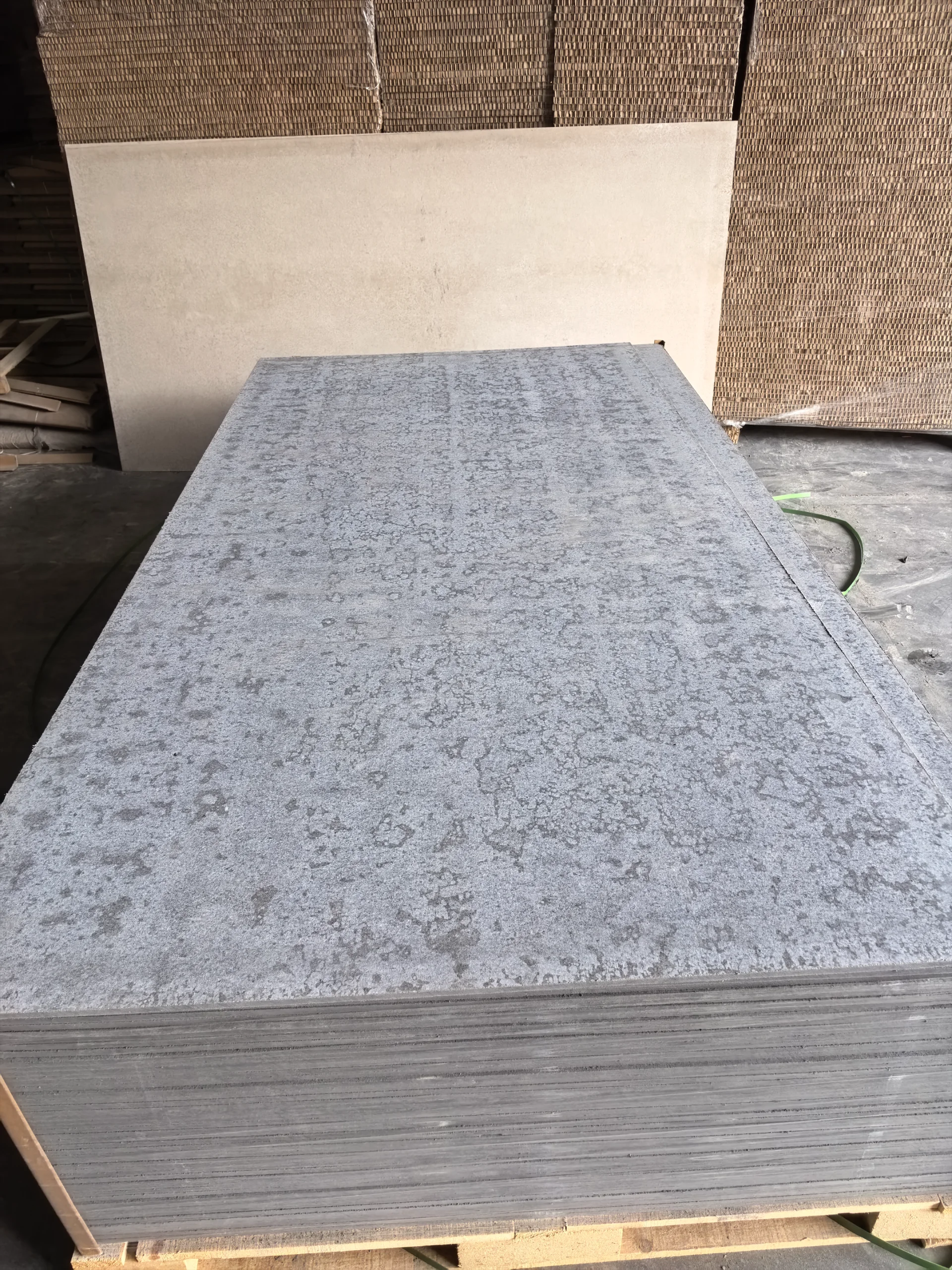
Using cement board when strength, stability, or moisture protection is critical avoids costly reworks. Still, using it where lightweight flexibility is needed can raise unnecessary costs.
Which Is Cheaper, Cement Board or Gypsum Board?
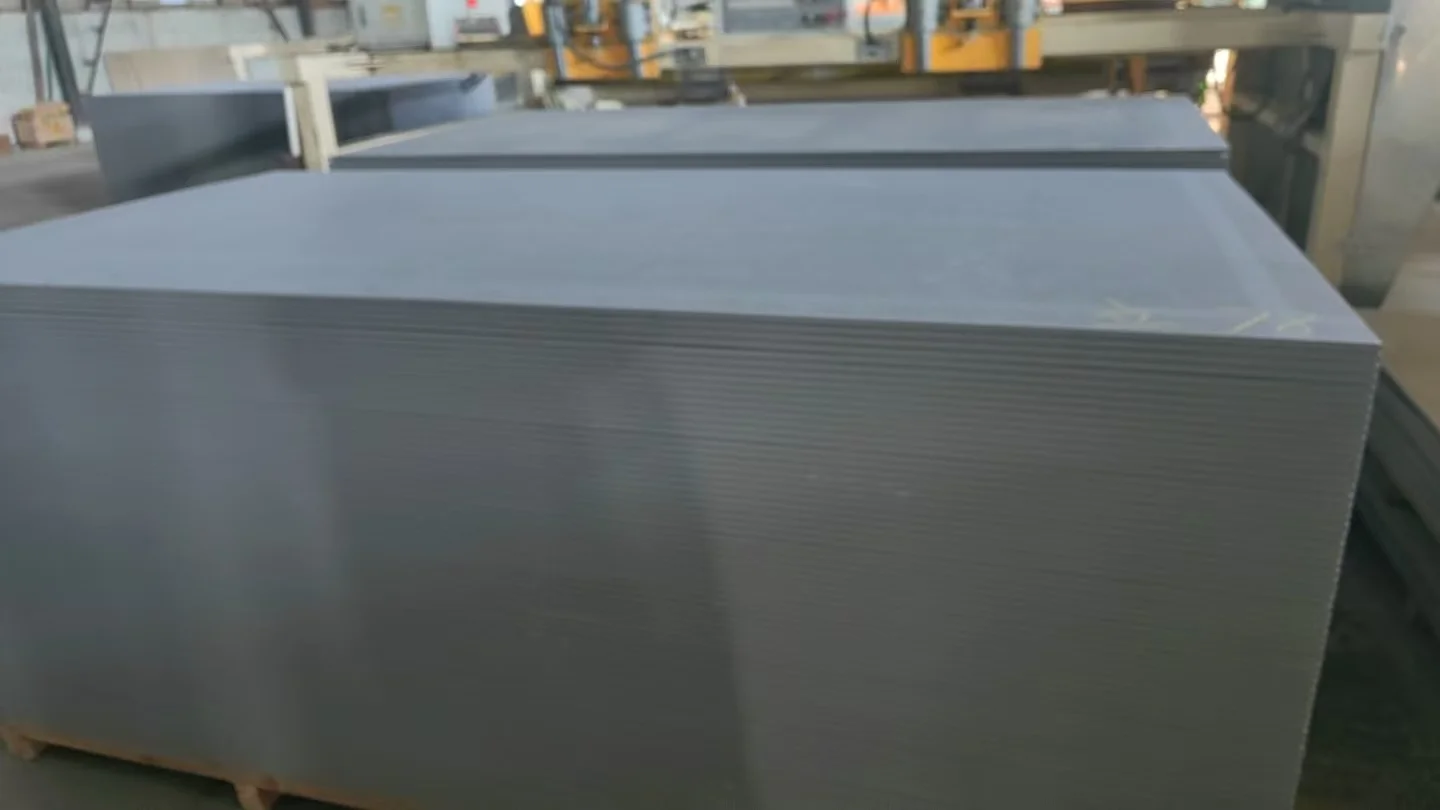
Gypsum board is cheaper per sheet and easier to cut, but cement board lasts longer and resists water. Cement board costs more initially but saves on maintenance and replacement. For dry areas, gypsum board is practical; for wet or high-impact zones, cement board delivers greater lifetime value.
Gypsum board = cost-saving interior choice; cement board = durable investment. TRUSUS panels bridge both with hybrid cement surfaces suited for residential and industrial designs.
Material Comparison
| Parameter | Gypsum Board | Cement Board | Better Fit |
|---|---|---|---|
| Material Type | Inorganic gypsum + paper | Cement + fiber | Cement |
| Moisture Resistance | Low | Very high | Cement |
| Fire Resistance | High | Excellent | Both |
| Durability | Moderate | High | Cement |
| Price | Lower | Higher | Gypsum for dry zones |
| Weight | Lighter | Heavier | Depends on use |
In damp environments, cement board outlasts gypsum, making the higher upfront cost a strategic choice.
Use Case Summary
| Area | Recommended Board | Reason |
|---|---|---|
| Bathroom | Cement board | Moisture exposure |
| Kitchen splash zone | Cement board | Humidity resistance |
| Bedroom/office | Gypsum board | Dry interior |
| Exterior soffit | Cement board | Weather tolerance |
Choosing material by space condition is the rule of lasting construction.
Do You Really Need to Waterproof Cement Board?
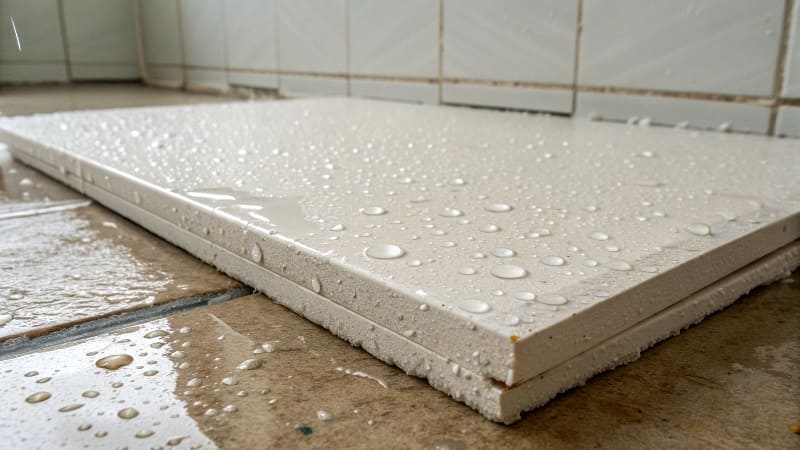
Yes, you do—especially in high-moisture areas. Cement board resists water but is not fully waterproof. Its joints, edges, and screw holes can allow water penetration over time. Waterproofing ensures full system protection by sealing vulnerable spots, preserving both tile finish and wall integrity.
Cement boards repel moisture but don’t block it entirely. recommends pairing waterproof coatings or membranes with boards to secure seamless moisture isolation.
Common Waterproofing Errors
| Mistake | Result |
|---|---|
| Skipping membrane in wet zone | Hidden water leak |
| Using paint instead of sealing layer | Poor adhesion |
| Leaving screw heads exposed | Rust buildup |
| Not sealing board seams | Capillary action |
Waterproofing may look optional—but it’s essential insurance for performance longevity.
Do You Need RedGard on Cement Board?
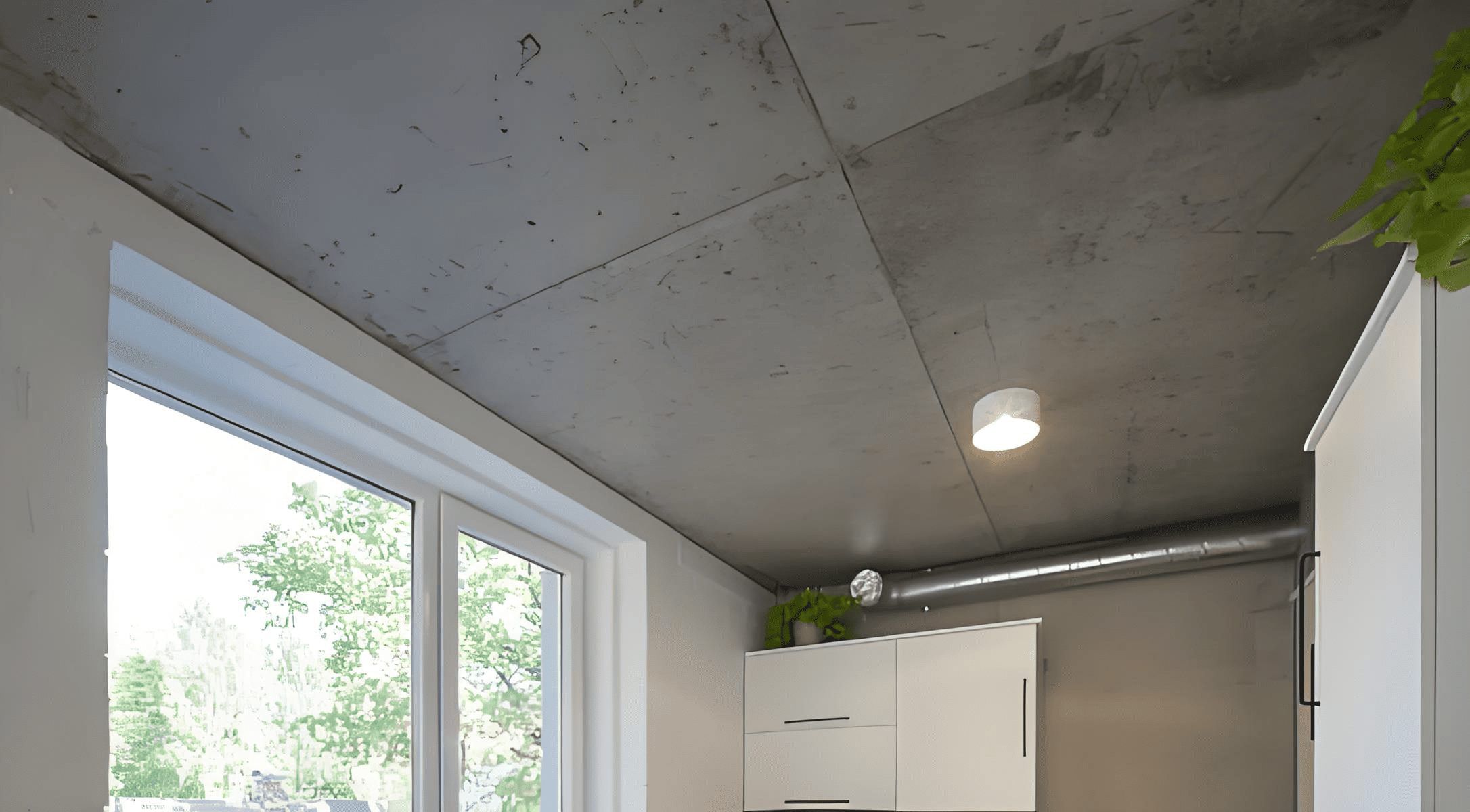
Yes, especially in showers, wet rooms, or behind tiles. RedGard or similar waterproof membranes add a final moisture seal across seams and fasteners. Even though cement board resists dampness, sealing creates continuous protection. It’s required by most building codes for high-humidity installations.
RedGard = protective barrier, TRUSUS = strong substrate. Together, they form a complete system that keeps internal walls dry and safe.
Application Steps for RedGard
| Step | Action | Purpose |
|---|---|---|
| Clean surface | Remove dust and debris | Promote bonding |
| Seal joints/tape | Cover seams with thinset | Smooth base |
| Apply first coat | Brush or roll evenly | Base waterproof film |
| Second coat after dry | Cross-directional spread | Enhanced coverage |
| Dry completely | Wait recommended time | Ready for tile |
Following these steps keeps walls waterproof and compliant with construction standards.
RedGard vs No Membrane Comparison
| Feature | With RedGard | Without RedGard |
|---|---|---|
| Moisture Seal | Continuous | Limited |
| Joint protection | Complete | Weak |
| Longevity | 15–20+ years | 5–8 years |
| Maintenance Cost | Low | High |
| Mold Resistance | Strong | Moderate |
Adding a membrane extends your wall’s life. It transforms cement board durability into a system-level waterproof shield.
Conclusion
Cement board can replace plywood, but it serves a different structural role—rigid and long-lasting. It costs more than gypsum, yet offers superior durability and moisture control. While it resists dampness, waterproofing and RedGard membranes remain essential for full protection. Used correctly, TRUSUS cement boards shift from being a substitute to becoming a core part of modern building protection systems, ensuring every wall stands firm, dry, and secure for decades.
