




Can I use cement board as drywall?
Many remodelers assume cement board can simply replace drywall everywhere. That mistake often costs both money and time.
Yes, cement board can be used as wall covering, but it’s not an ideal full drywall substitute due to its weight, cost, and installation complexity.

I learned this first-hand on a bathroom remodel. Cement board performed flawlessly against moisture, but in the living room it was overbuilt, heavier, and harder to finish than needed.
What are the disadvantages of cement board?
It’s easy to focus on its waterproof benefits and skip the downsides.
Cement board is heavy, harder to cut, rough-surfaced, and less insulating than gypsum-based drywall, increasing both material and labor costs.
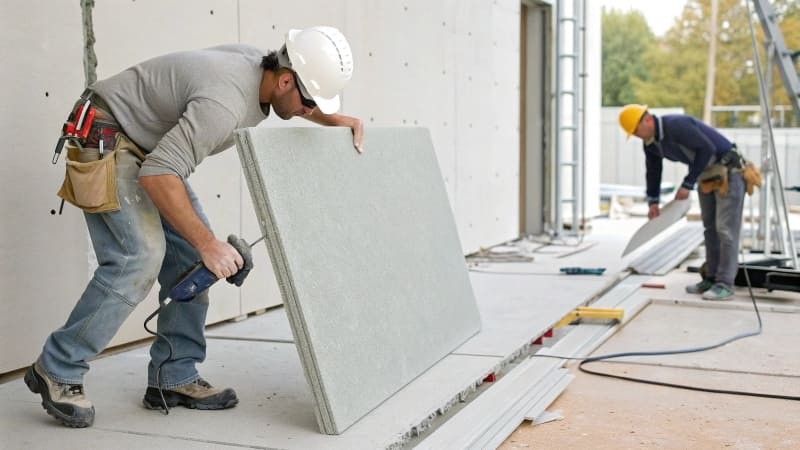
On one kitchen project, I had to reinforce framing just to hold the added weight. This was a wake-up call. Cement board often weighs 2–3 times more than plasterboard, which limits where it can be used without extra structural support. Cutting requires carbide-tipped tools and produces more dust, slowing work.
Here’s a breakdown:
| Disadvantage | Impact on Project |
|---|---|
| Heavy weight | Requires stronger framing, harder to handle |
| Hard to cut and shape | Needs special tools, more labor time |
| Rough surface finish | Extra work for painting or tiling |
| Poor insulation | Less thermal comfort |
| Higher cost | More expensive material + labor |
In dry, non-wet rooms, these drawbacks often outweigh its benefits.
Is cement board cheaper than drywall?
Some buyers assume cement board’s durability means lower long-term cost. The numbers tell another story.
Cement board typically costs 30–50% more than standard drywall panels, and installation labor is also more expensive due to weight and tooling needs.

On a recent cost analysis, replacing drywall with cement board throughout a 200m² home added a five-figure increase. Drywall’s lighter weight cuts labor time significantly. With cement board, each panel takes longer to install and requires extra fasteners.
Cost comparison:
| Feature | Drywall / Plasterboard | Cement Board |
|---|---|---|
| Material cost per m² | Low | Higher (30–50% more) |
| Average labor speed | Fast | Slow |
| Tool requirements | Standard tools | Heavy-duty tools |
| Total installed price | Lower | Higher |
In spaces without moisture risk, drywall wins in cost efficiency almost every time.
Is cement board the same as plasterboard?
The similar sheet format hides a deep material difference.
No, cement board is made from cement and reinforcing fibers, while plasterboard (drywall) uses a gypsum core between paper facings.
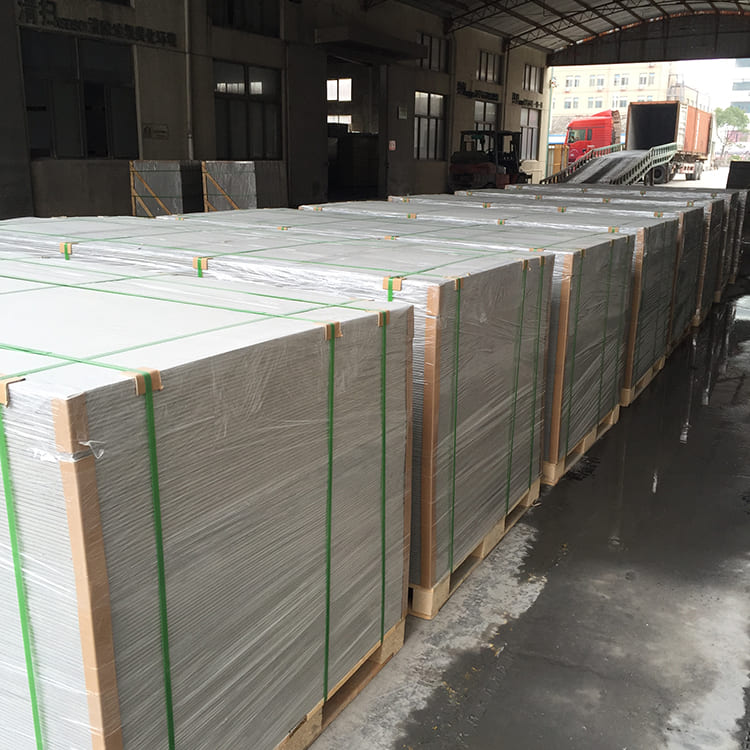
I once stocked both in my workshop. Side by side, their weight and density differences are obvious. Cement board is highly water-resistant and non-combustible. Plasterboard is lighter, easier to finish, and has better insulation. This difference defines their use cases: cement board for wet zones like showers, plasterboard for most interior walls.
Quick comparison:
| Property | Cement Board | Plasterboard / Drywall |
|---|---|---|
| Core material | Cement + fibers | Gypsum + paper facings |
| Water resistance | Excellent | Low |
| Fire resistance | High | Medium to high |
| Weight | Heavy | Light |
| Ease of installation | Low | High |
| Typical use | Wet areas, tile substrate | Dry areas, interior walls |
Mixing both in the same building is common and often the smartest approach.
Conclusion
Cement board shines in wet areas, but drywall remains better for most interiors. Choosing based on location balances cost, performance, and ease of work.
