




Can I Put Fiber Cement Siding Over Brick?
Yes, you can install fiber cement siding over brick by using a furring system. Vertical or horizontal furring strips anchored to the brick create a stable, ventilated substrate for siding panels.
TRUSUS façade insight: transformation starts where structure meets adaptation—the brick becomes the new base for renewal.
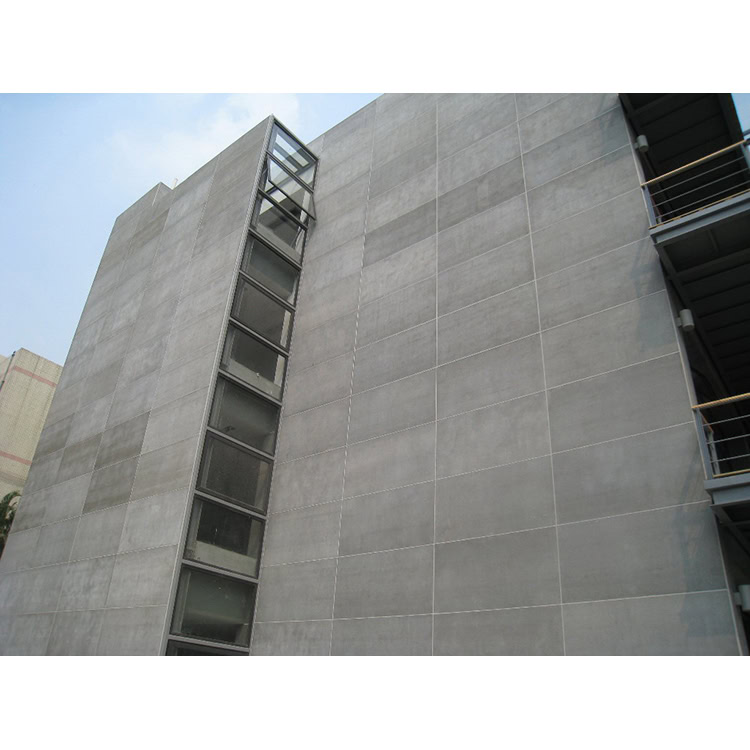
A proper vapor barrier and moisture channel between brick and fiber cement are essential to prevent trapped humidity and ensure long-term durability.
Is Fiber Cement Cladding Better Than Brick?
Fiber cement cladding is lighter, faster to install, and easier to replace than brick. It provides high fire resistance, dimensional stability, and modern aesthetic flexibility, while brick remains more traditional and structural.
materials insight: better is not always heavier—light composites can outlast tradition through system logic.
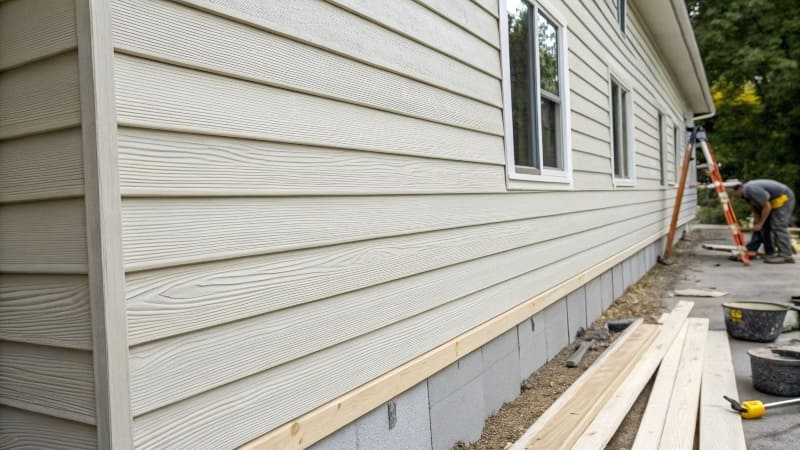
Fiber Cement vs Brick Comparison Table
| Feature | Fiber Cement Cladding | Brick |
|---|---|---|
| Weight | Light | Heavy |
| Install Time | Fast (dry system) | Slow (wet masonry) |
| Maintenance | Low | Moderate |
| Fire Rating | Non-combustible | Non-combustible |
| Design Options | Wide color/texture range | Limited patterns |
| Sustainability | Lower embodied energy | High thermal mass |
Fiber cement serves as part of a ventilated façade system, giving architects the freedom to define textures without structural limits.
Is Fiber Cement Siding More Expensive Than Brick?
Fiber cement siding’s material cost per square foot is often slightly higher than brick. However, total project cost, including labor and structure load, usually turns out lower due to faster installation and reduced foundation requirements.
value insight: price starts the conversation, but total system cost ends it.

Cost Comparison Table
| Cost Category | Fiber Cement (approx. USD/sqft) | Brick (approx. USD/sqft) | Long-Term Impact |
|---|---|---|---|
| Material | 6–12 | 5–10 | Comparable |
| Labor | Low | High | Fiber cement faster |
| Structure Load | Light | Heavy | Saves on framework cost |
| Maintenance | Minimal | Periodic repair | Fiber cement saves cost |
| Lifetime | 30–50 years | 40–100 years | Similar durability |
When assessing investment, consider energy performance, maintenance intervals, and total weight impact on existing walls rather than only upfront material price.
How Do You Attach Cement Fiber Sheets?
Attach cement fiber sheets by screwing or riveting them to steel or wood framing, with proper spacers and seals. Always leave small expansion gaps and use corrosion-resistant fasteners.
installation insight: secure, align, breathe—the three rules of every lasting cladding system.
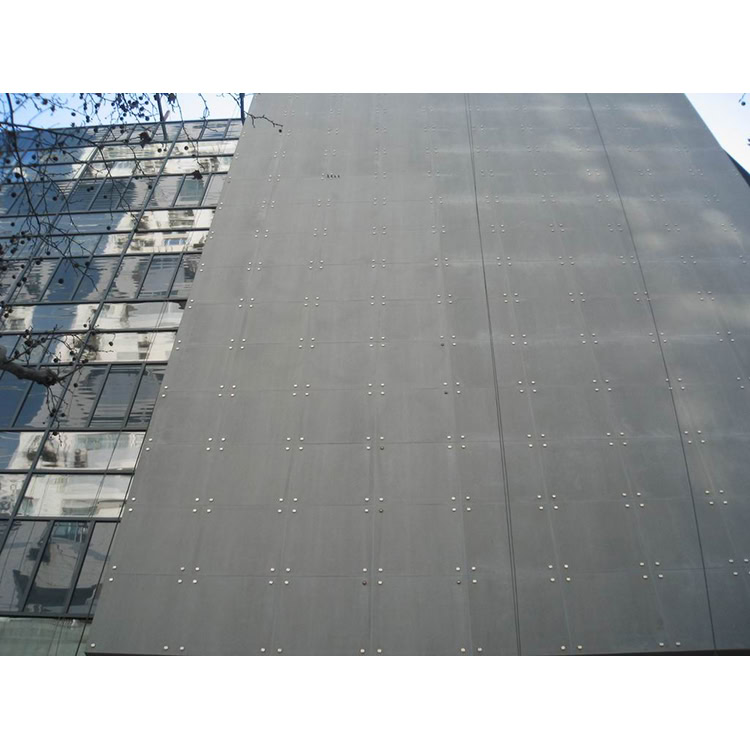
Fiber Cement Attachment Guide
| Step | Action | Purpose |
|---|---|---|
| 1 | Prepare substrate (frame or furring on wall) | Ensure level surface |
| 2 | Install weather barrier layer | Prevent moisture infiltration |
| 3 | Position fiber cement panels | Maintain gap for thermal movement |
| 4 | Fix with stainless screws or rivets | Secure each corner properly |
| 5 | Seal joints with flexible sealant | Protect against water entry |
For brick retrofits, a dry-hang ventilated substructure with adjustable brackets works best, balancing airflow and structural integrity.
Conclusion
Fiber cement siding is not competing with brick—it’s redefining wall logic. At TRUSUS, I see this as evolution: from static mass to dynamic system, building skins that breathe, adapt, and endure.
