



Can Fiber Cement Board Replicate The Look Of Natural Limestone?
Yes, modern fiber cement board can closely replicate the appearance of natural limestone through advanced surface texturing, mineral pigmentation, embossing technology, and layered finishing systems. High-quality boards can achieve realistic stone depth, texture, and tonal variation while offering better installation efficiency and lower structural weight.
TRUSUS material insight: the market is no longer asking whether fiber cement can imitate stone. The real question is whether modern materials can deliver better total value than traditional stone systems.
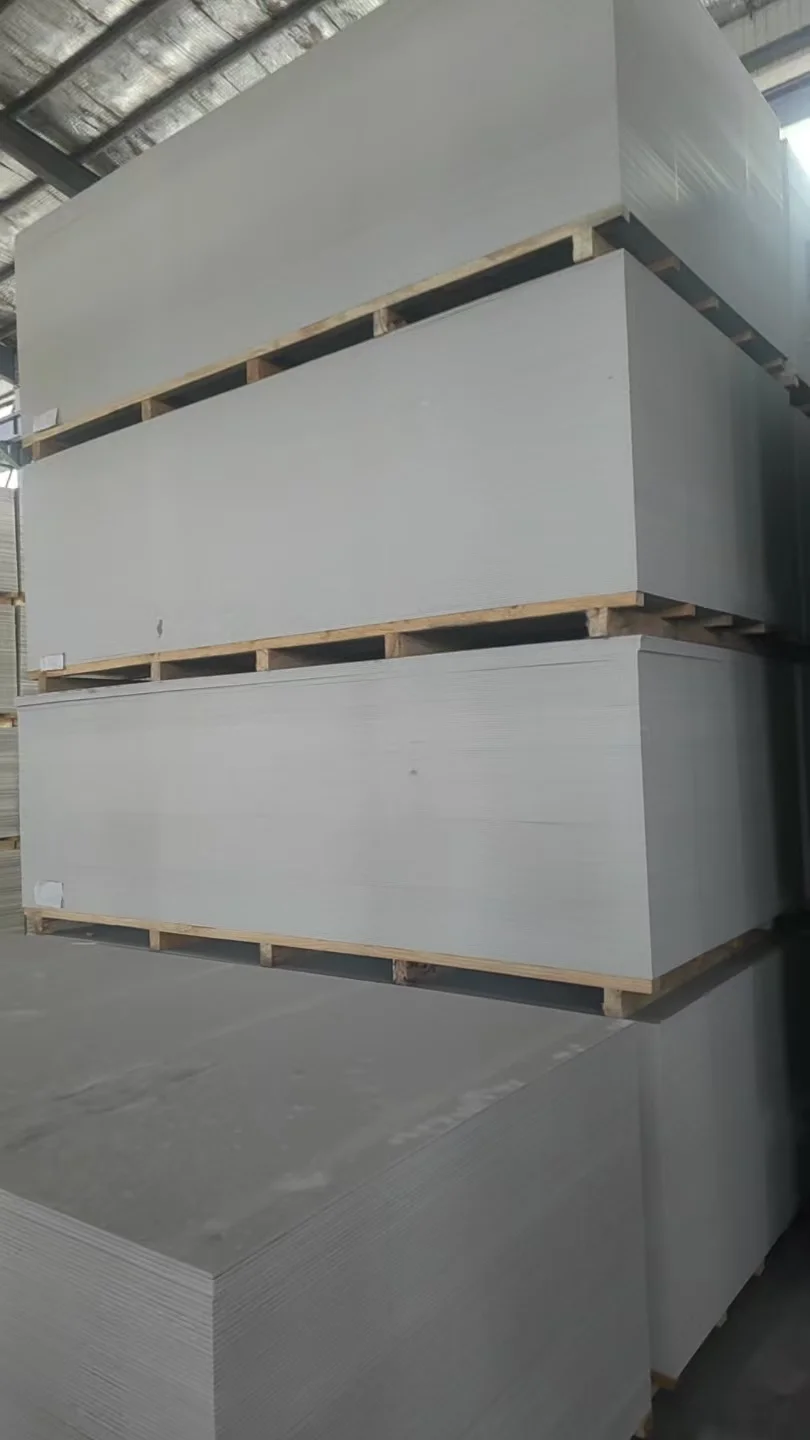
I increasingly see architects comparing overall building performance instead of focusing only on whether a material is natural or artificial.
This is changing how modern facades are designed.
How Fiber Cement Replicates Limestone
| Technology | Visual Effect |
|---|---|
| Surface embossing | Natural stone texture |
| Mineral color systems | Limestone tonal depth |
| Layered coatings | Realistic visual variation |
| Edge finishing methods | Stone-like dimensional appearance |
Modern surface engineering has improved dramatically.
Why Designers Choose Limestone-Look Cement Board
| Design Goal | Fiber Cement Advantage |
|---|---|
| Natural appearance | Realistic stone aesthetics |
| Lightweight facade systems | Reduced structural load |
| Faster project delivery | Easier installation |
| Modern detailing flexibility | Precision panel fabrication |
Design flexibility is becoming more important in modern architecture.
Why Material Thinking Is Changing
| Traditional Building Philosophy | Modern Building Philosophy |
|---|---|
| Natural materials equal premium quality | Performance defines material value |
| Heavy masonry construction | Lightweight engineered systems |
| Craft-based installation | Precision modular installation |
Architecture increasingly values performance balance.
Why High-Rise Buildings Prefer Lightweight Facades
| Stone Cladding Challenge | Fiber Cement Benefit |
|---|---|
| High structural load | Significant weight reduction |
| Complex anchoring systems | Simpler support structures |
| Longer installation time | Faster facade assembly |
Facade weight affects the entire building structure.
Why Sustainable Construction Supports Fiber Cement
| Sustainability Factor | Fiber Cement Advantage |
|---|---|
| Transportation efficiency | Lower shipping weight |
| Material optimization | Reduced structural demand |
| Faster installation | Lower onsite energy use |
Modern construction increasingly evaluates lifecycle impact.
The Industry Shift Behind Stone-Look Cement Panels
| Traditional Stone Replacement Market | Modern High-Performance Material Market |
|---|---|
| Low-cost imitation products | High-value engineered facade systems |
| Appearance-only comparison | Multi-performance evaluation |
| Commodity material competition | Innovation-driven differentiation |
I increasingly see fiber cement evolving from a substitute product into a preferred architectural material category.
How Much Weight Do You Save By Using Cement Board Vs. Real Stone?
Fiber cement board can reduce facade weight by approximately 40% to 70% compared to natural stone, depending on stone type, panel thickness, and installation system. This lower weight reduces structural load, transportation costs, and installation complexity.
TRUSUS structural insight: lightweight facade systems are reshaping modern architecture because weight affects every stage of construction.
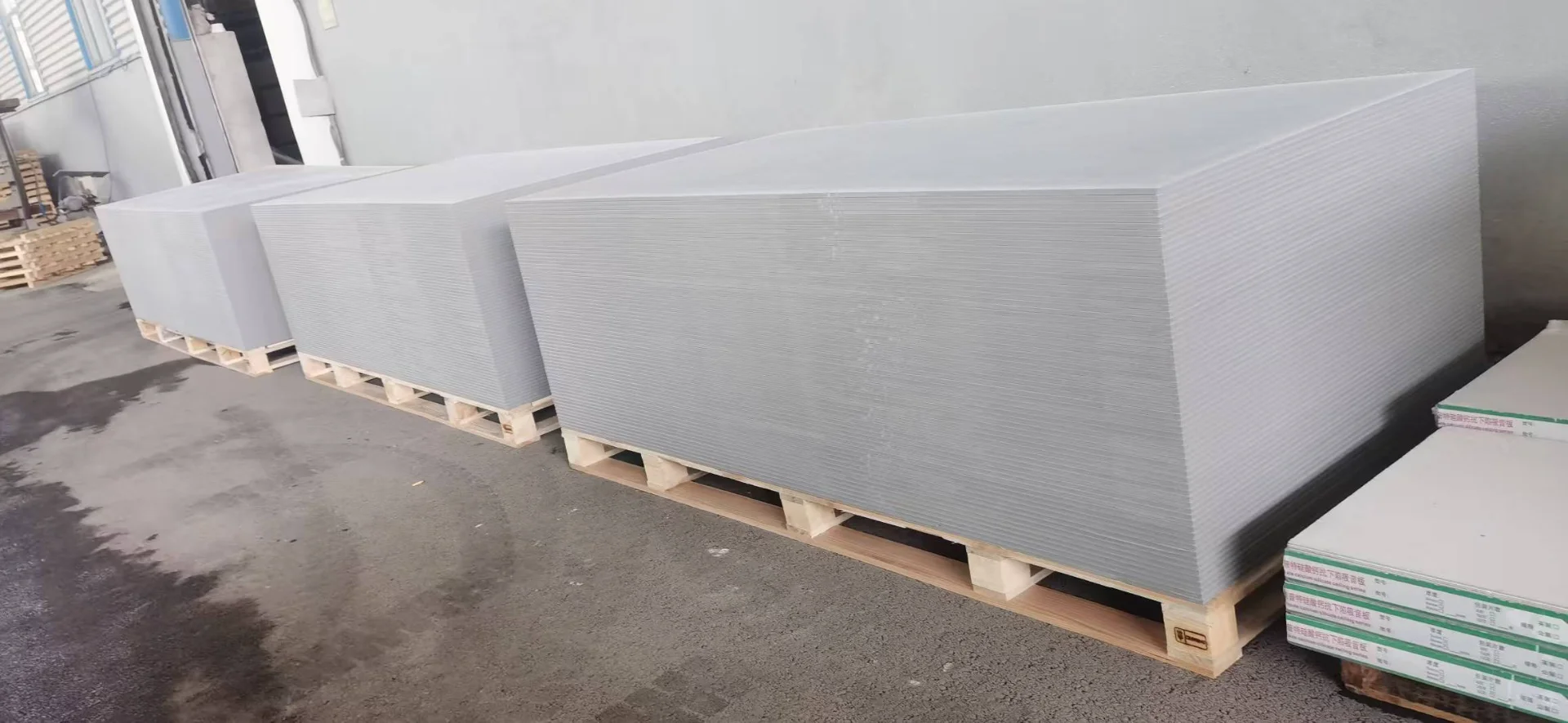
Many clients first focus on material appearance, but structural engineers often focus on weight before anything else.
Weight changes project economics.
Density Comparison Between Materials
| Material | Typical Density |
|---|---|
| Natural limestone | 2.6–2.8 g/cm³ |
| Granite | 2.7–3.0 g/cm³ |
| Fiber cement board | 1.2–1.8 g/cm³ |
Fiber cement systems are significantly lighter.
Why Weight Reduction Matters
| Structural Area | Lightweight Benefit |
|---|---|
| Building frame | Reduced structural stress |
| Foundation design | Lower load requirements |
| Seismic performance | Improved safety potential |
Lower weight improves engineering flexibility.
Transportation Advantages
| Heavy Stone Logistics | Fiber Cement Logistics |
|---|---|
| High freight cost | Lower transport expense |
| More breakage risk | Easier handling |
| Higher crane demand | Faster material movement |
Transportation efficiency affects total project cost.
Installation Benefits From Reduced Weight
| Heavy Masonry Installation | Lightweight Panel Installation |
|---|---|
| Labor-intensive lifting | Easier handling |
| Slower installation pace | Faster assembly |
| Complex anchoring systems | Simplified facade systems |
Labor efficiency is increasingly important in construction.
Why Modern Construction Favors Lightweight Materials
| Traditional Construction Priorities | Modern Construction Priorities |
|---|---|
| Massive permanent structures | Efficient engineered systems |
| Material heaviness as prestige | Performance optimization |
| Thick masonry walls | Lightweight envelope systems |
Modern buildings prioritize efficiency and adaptability.
The Larger Industry Transition
| Earlier Material Selection Logic | Modern Performance Evaluation Logic |
|---|---|
| Material identity focus | System performance focus |
| Traditional prestige materials | Integrated engineering solutions |
| Single-factor comparisons | Lifecycle optimization analysis |
I increasingly see lightweight facade engineering becoming one of the defining trends in modern architecture.
Is Fiber Cement Board Cladding Faster To Install Than Stone Masonry?
Yes, fiber cement board cladding is generally much faster to install than traditional stone masonry because panels are lightweight, modular, factory-finished, and easier to handle. Installation speed can be three to five times faster depending on project conditions.
TRUSUS installation insight: construction speed has become a major competitive factor in modern building projects.
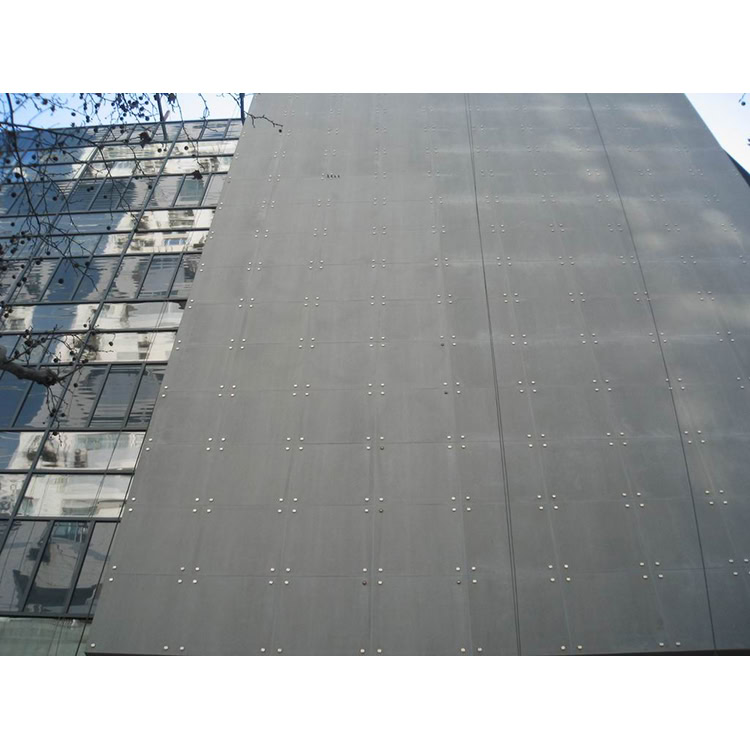
I increasingly hear developers asking how quickly a facade system can be completed instead of only asking about material cost.
Time now has direct financial value.
Why Fiber Cement Installs Faster
| Installation Factor | Fiber Cement Advantage |
|---|---|
| Lightweight panels | Easier handling |
| Modular dimensions | Faster alignment |
| Dry installation methods | Reduced curing delays |
| Factory-finished surfaces | Less onsite finishing work |
Prefabrication improves construction efficiency.
Stone Masonry Installation Challenges
| Stone Installation Requirement | Construction Impact |
|---|---|
| Heavy lifting equipment | Slower workflow |
| Mortar curing time | Project delays |
| Skilled masonry labor | Higher labor dependency |
Traditional masonry requires more onsite coordination.
Why Faster Installation Matters
| Faster Construction Benefit | Project Advantage |
|---|---|
| Reduced labor cost | Better budget control |
| Shorter project schedules | Earlier building occupancy |
| Less site disruption | Improved logistics management |
Construction speed affects overall project profitability.
Why Modular Construction Is Expanding
| Traditional Masonry Construction | Modern Modular Construction |
|---|---|
| Wet construction methods | Dry assembly systems |
| Craft-based installation | Engineered installation |
| Slow onsite fabrication | Precision factory production |
Modern architecture increasingly favors industrialized construction systems.
Why Labor Conditions Are Influencing Material Selection
| Earlier Construction Environment | Modern Construction Environment |
|---|---|
| Abundant skilled masonry labor | Skilled labor shortages |
| Lower labor costs | Rising labor expenses |
| Flexible project schedules | Tight completion deadlines |
Efficient systems reduce labor pressure.
The Industry Evolution Behind Faster Facade Systems
| Traditional Building Envelope Industry | Modern Integrated Facade Industry |
|---|---|
| Material supply focus | Installation efficiency focus |
| Individual trade coordination | System-based project delivery |
| Craft-dependent quality | Engineered repeatable quality |
I increasingly see installation efficiency becoming just as important as material aesthetics.
How Does The R-Value Of Fiber Cement Board Compare To Stone?
Fiber cement board generally provides a higher R-value than natural stone because it has lower density and lower thermal conductivity. Typical fiber cement board systems achieve R-values around 0.8–1.2, while many natural stone systems range closer to 0.2–0.4 depending on thickness and assembly design.
TRUSUS thermal insight: facade materials are now expected to contribute to energy efficiency, not only appearance.
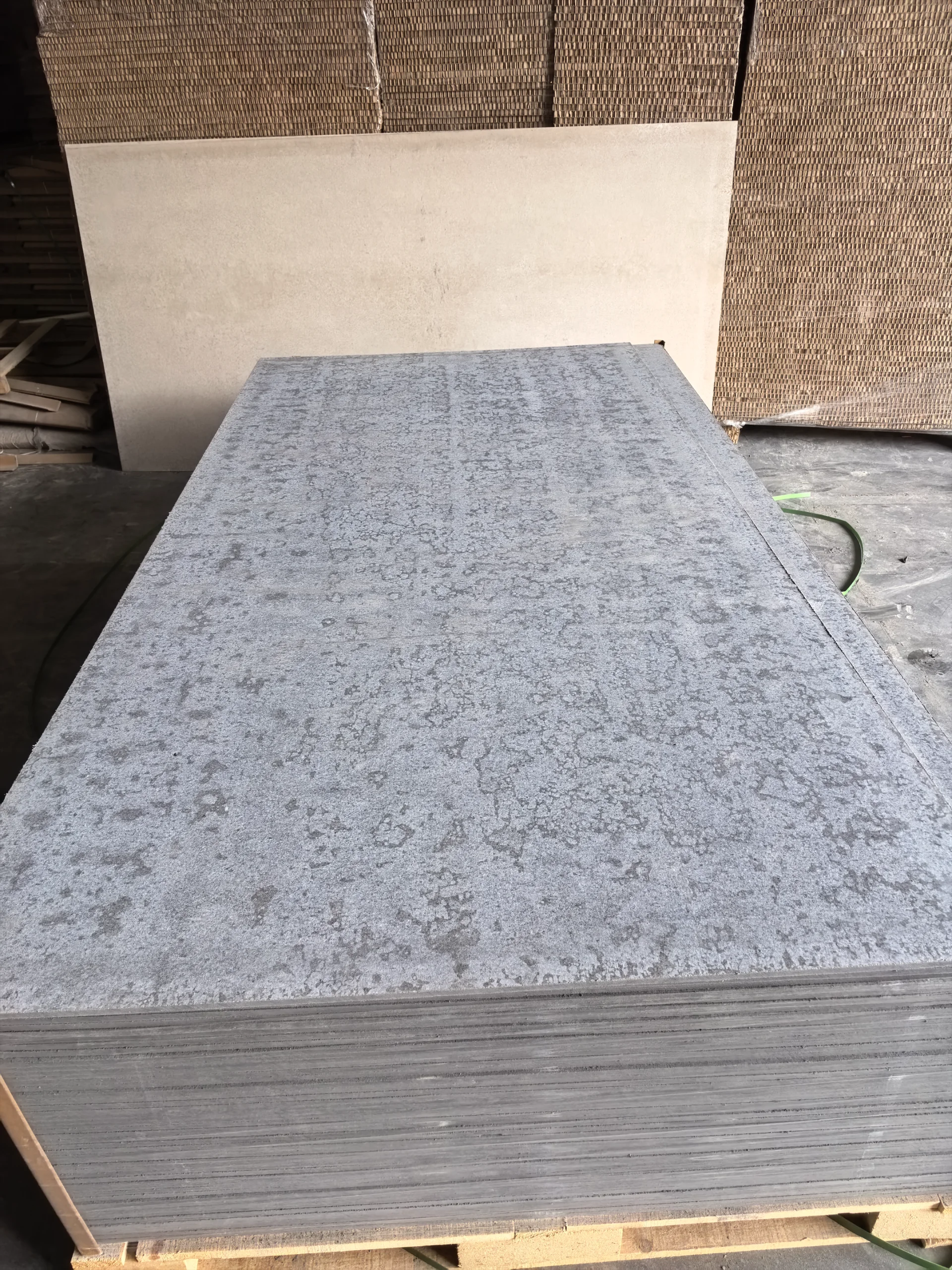
Many architects now evaluate wall systems based on thermal performance as much as visual design.
Energy regulations are reshaping material priorities.
Why Fiber Cement Has Better Thermal Performance
| Material Property | Thermal Impact |
|---|---|
| Lower density | Reduced heat transfer |
| Engineered composite structure | Improved insulation behavior |
| Compatible ventilated facade systems | Better thermal control |
System design strongly affects final energy performance.
Stone Thermal Limitations
| Stone Characteristic | Thermal Challenge |
|---|---|
| High density | Faster heat transfer |
| Thermal mass effect | Slower temperature response |
| Heavy solid structure | Lower insulation value |
Stone alone provides limited insulation performance.
Why Facade Thermal Performance Matters
| Building Goal | Thermal Benefit |
|---|---|
| Lower energy use | Reduced operating cost |
| Indoor comfort stability | Improved occupant experience |
| Green building certification | Better sustainability scores |
Energy efficiency now influences material specification decisions.
Why Modern Facade Systems Are More Complex
| Earlier Facade Design Priorities | Modern Facade Design Priorities |
|---|---|
| Appearance and durability only | Energy and environmental performance |
| Single-material walls | Multi-layer envelope systems |
| Passive thermal assumptions | Engineered climate control strategies |
Building envelopes now function as environmental systems.
Why Sustainability Supports Engineered Materials
| Traditional Heavy Material Systems | Modern Sustainable Envelope Systems |
|---|---|
| High transport energy demand | Lower logistics impact |
| Slow installation methods | Faster low-energy assembly |
| Limited thermal optimization | Integrated energy performance |
Modern building materials must balance aesthetics, efficiency, and sustainability.
The Future Of Architectural Material Innovation
| Earlier Material Competition | Future Building Material Competition |
|---|---|
| Appearance imitation | Multi-performance engineering |
| Commodity manufacturing | High-value system innovation |
| Material identity focus | Total building performance focus |
I increasingly believe the future of facade materials will belong to products that combine authentic aesthetics, lightweight engineering, energy performance, and installation efficiency into one integrated architectural system.
Conclusion
At TRUSUS, I see fiber cement board evolving beyond simple stone imitation into a high-performance architectural facade system. Future market leadership will depend on balancing visual authenticity, lightweight engineering, thermal efficiency, installation speed, and long-term sustainable value.