




Can Fiber Cement Board Protect Your Home from Guyana’s Coastal Floods?
Coastal rot and flood damage ruin Guyanese homes every rainy season. Traditional wood fails and concrete sweats in the salt air. You are losing money on repairs every single year.
Fiber cement board is the ultimate material for Guyana because it is 100% waterproof and fire-resistant. It does not rot in high humidity or warp in salt air, making it ideal for coastal cladding.
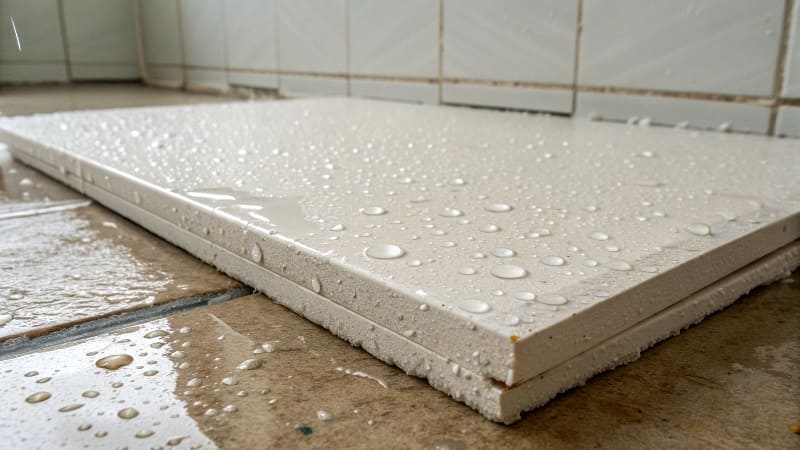
I have seen many beautiful houses in Georgetown fall apart because of the sea breeze. The salt in the air eats through wood and makes paint peel off concrete. It is a constant battle for homeowners. I believe we must build with materials that respect the environment. Fiber cement is the answer for anyone building near the Atlantic. Let me explain why this board is so much stronger than traditional options.
Why is Fiber Cement the Best Shield Against Guyana’s Salt Air?
Wooden siding looks great at first but starts to rot and attract termites within months. The tropical sun and salt spray create a harsh environment that destroys cheap materials very quickly.
Fiber cement board uses a mix of Portland cement and cellulose fibers to resist all weather conditions. It stays stable in the hot sun and does not expand or contract like wood, which prevents cracks.
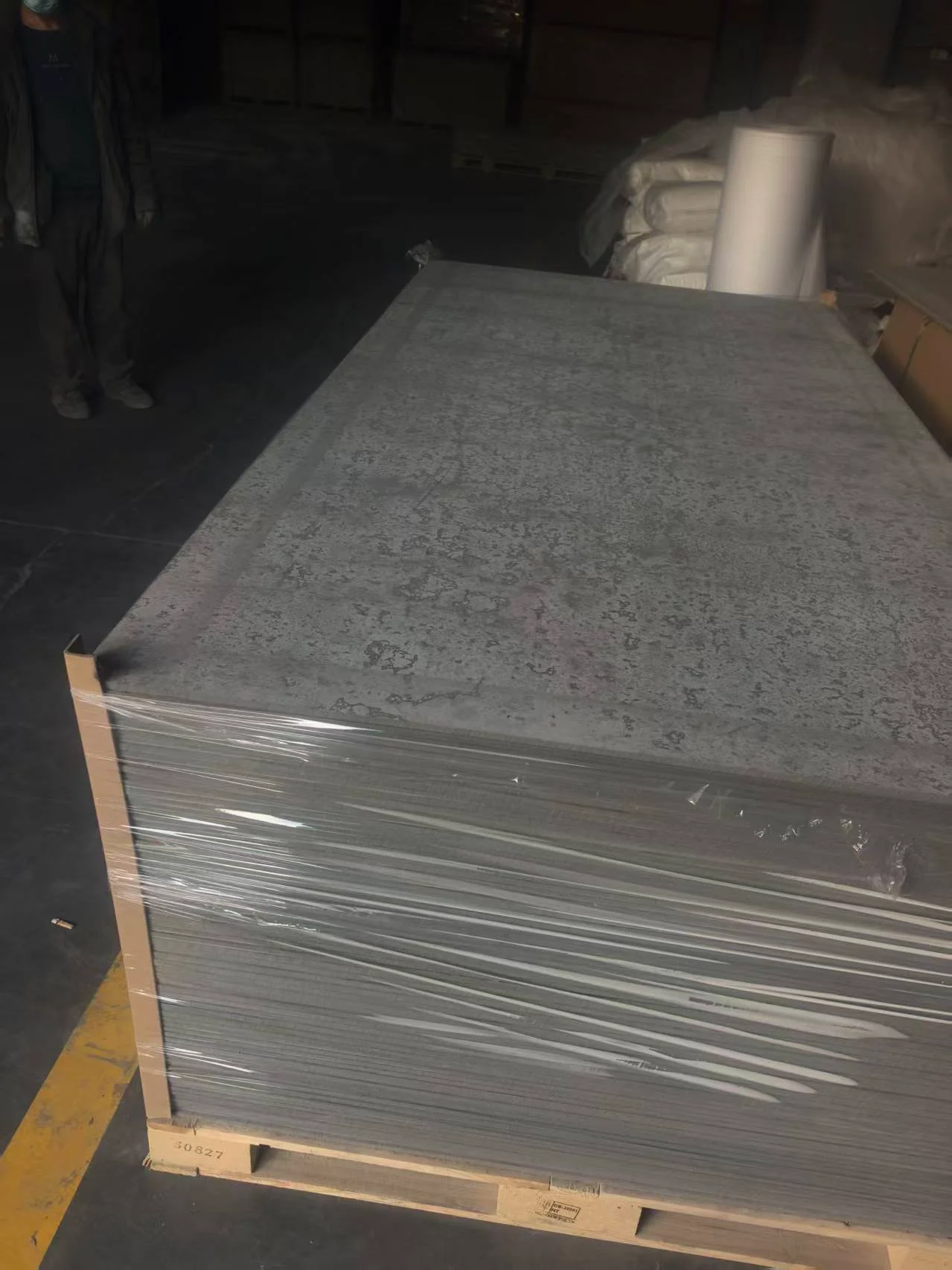
I spent years working in building material factories, and I have tested many boards. Fiber cement is special because it is cured in an autoclave under high pressure. This process makes it as tough as stone. In Guyana, the humidity is often above 80%. This moisture gets into the pores of wood and causes it to swell. Fiber cement does not have this problem. It is inorganic, so it does not absorb water.
When you use it for external siding, you are building a shield. It resists the high UV rays of the Guyana sun without fading or warping. From an engineering view, it is the most stable exterior product we have. It also helps with the look of your house. You can paint it any color, and the paint lasts much longer than it does on concrete. This is because the board does not "breathe" moisture out through the paint. If you want a house that still looks new in ten years, you must use fiber cement for your exterior walls. It saves you time and a lot of money on maintenance.
| Feature | Local Hardwood | Standard Concrete | TRUSUS Fiber Cement |
|---|---|---|---|
| Water Resistance | Very Low (Rots) | Medium (Absorbs) | 100% Waterproof |
| Salt Air Impact | High Damage | Medium Damage | No Impact |
| Pest Resistance | Low (Termites) | High | 100% Termite Proof |
| Installation | Slow / Heavy | Very Slow | Fast / Dry |
Can This Board Stop a Fire from Spreading to Your Property?
Georgetown has many wooden buildings that are built very close together. A small kitchen fire in one house can quickly burn down a whole block. You are living in a high-risk zone.
Fiber cement is a Class A non-combustible material. It will not catch fire, it will not melt, and it will not release toxic smoke. This makes it a vital safety barrier for your family.
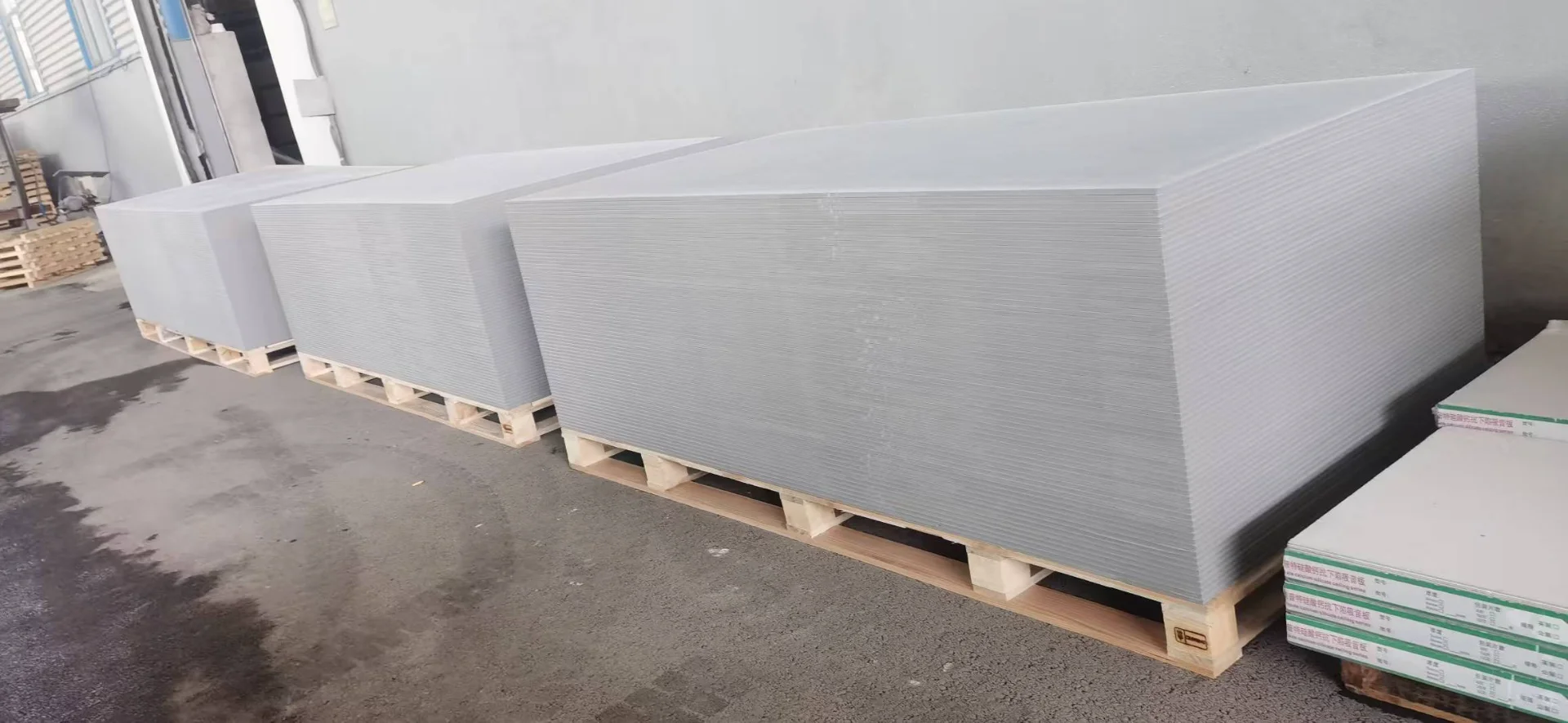
I always tell my clients that safety is the most important part of any build. In a fire, every second counts. Fiber cement gives you those seconds. Because it is made mostly of cement and sand, it does not burn. If you use it for your exterior walls or your kitchen partitions, it acts like a fire wall. It stops the heat from passing through to the next room. This is much safer than using drywall or plasterboard in areas with open flames.
I suggest using it for the "wet areas" of your house too. In the bathroom, you can use it behind your tiles. It is stronger than any gypsum board for holding heavy stones or large tiles. If you have a flood, the board will not soften. You can just clean it and it is like new again. This is why many commercial buildings in the Oil & Gas sector are switching to this board. They want the highest safety rating possible. When you pair fiber cement with rockwool insulation inside the wall, you get the best fire and acoustic protection available in the market today.
| Performance | Wood Siding | Standard Drywall | Fiber Cement Board |
|---|---|---|---|
| Fire Rating | Flammable | 30 Minutes | Non-Combustible |
| Impact Strength | Medium | Low | Very High |
| Mould Growth | High | Medium | Zero |
| Service Life | 10-15 Years | 20 Years | 50+ Years |
Conclusion Fiber cement board is the only material that can survive Guyana's floods, salt air, and termites while keeping your family safe from fire. It is a lifelong investment.
