




Can Fiber Cement Board Be Used as a Roof Underlayment?
Yes, fiber cement board can act as a stable roof underlayment in specific systems.
Its dense structure, water resistance, and fire rating give roofs long‑term form and protection.
TRUSUS building insight: roofing safety begins when every material understands its role.

When used beneath waterproof membranes, 6–12 mm fiber cement board provides a rigid, noncombustible layer that resists warping and moisture.
Its dimensional stability helps maintain roofing geometry under temperature and humidity changes.
Is Cement Board Suitable for Attic Fire‑Stop Partitions?
Yes, fiber cement board offers excellent performance for attic fire‑stop walls.
Its noncombustible rating (Class A) and structural hardness enhance both fire separation and thermal buffering.
TRUSUS protection insight: the board doesn’t burn—it holds the line against heat.
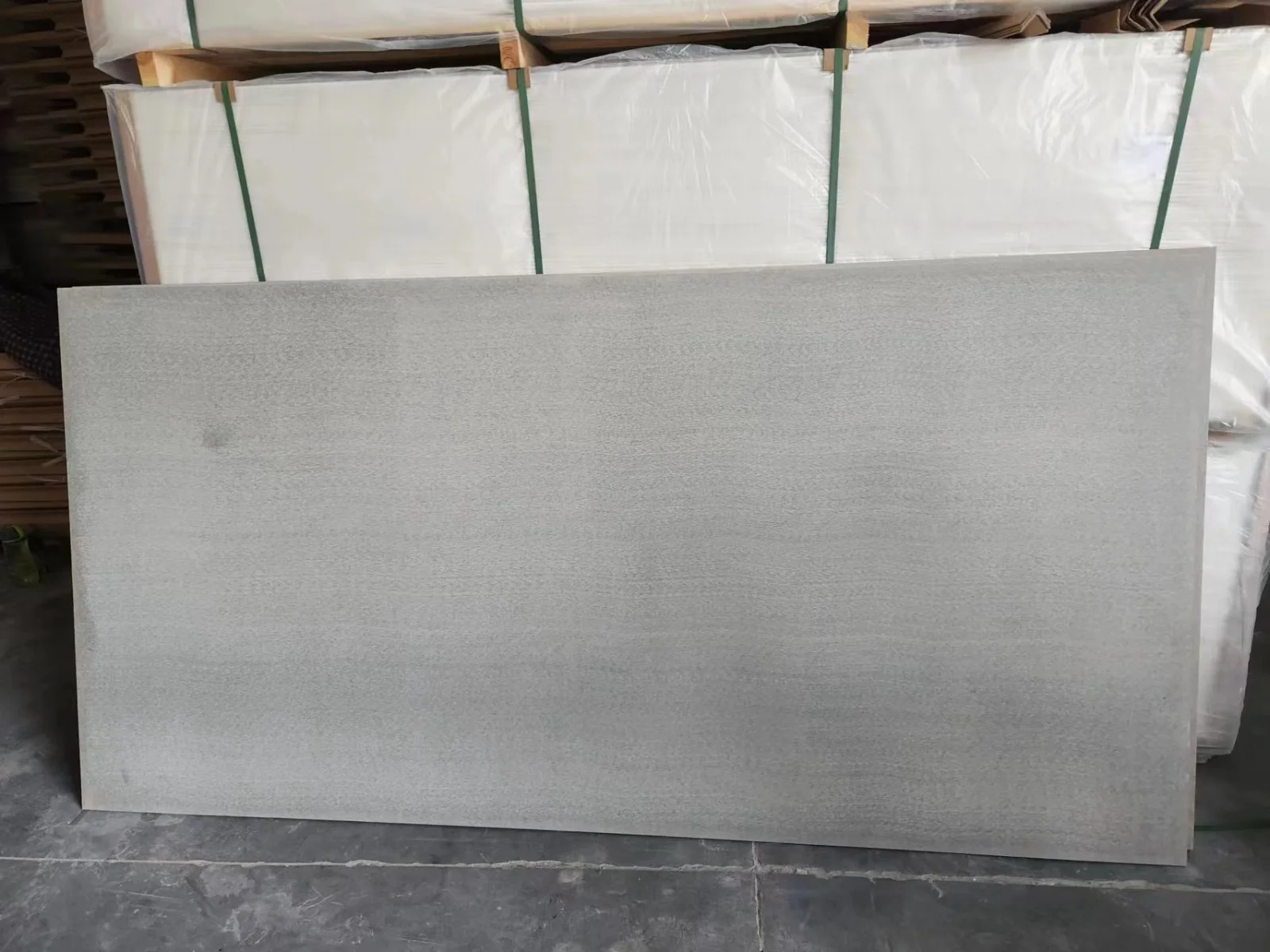
Typical Fire‑Stop Setup
| Component | Function | Recommended Board | Complementary Material |
|---|---|---|---|
| Partition wall | Flame barrier | 8–10 mm fiber cement board | Rock wool insulation |
| Ceiling closure | Heat isolation layer | 9–12 mm board | Air gap or foil membrane |
| Perimeter joints | Airtight stabilization | 6 mm strips | Fire‑rated sealant |
I remember an attic retrofit in a factory building. We installed fiber cement partitions around the HVAC zone, and months later the client said indoor temperature swings dropped dramatically. It was the fire‑stop wall quietly working double duty.
Does Fiber Cement Board Insulate Against Roof Heat?
Partly—it reduces direct thermal transference but needs support from insulation layers.
The board acts as a thermal buffer, delaying heat gain and stabilizing attic temperature.
TRUSUS performance insight: not insulation itself, but the backbone that helps insulation work smarter.
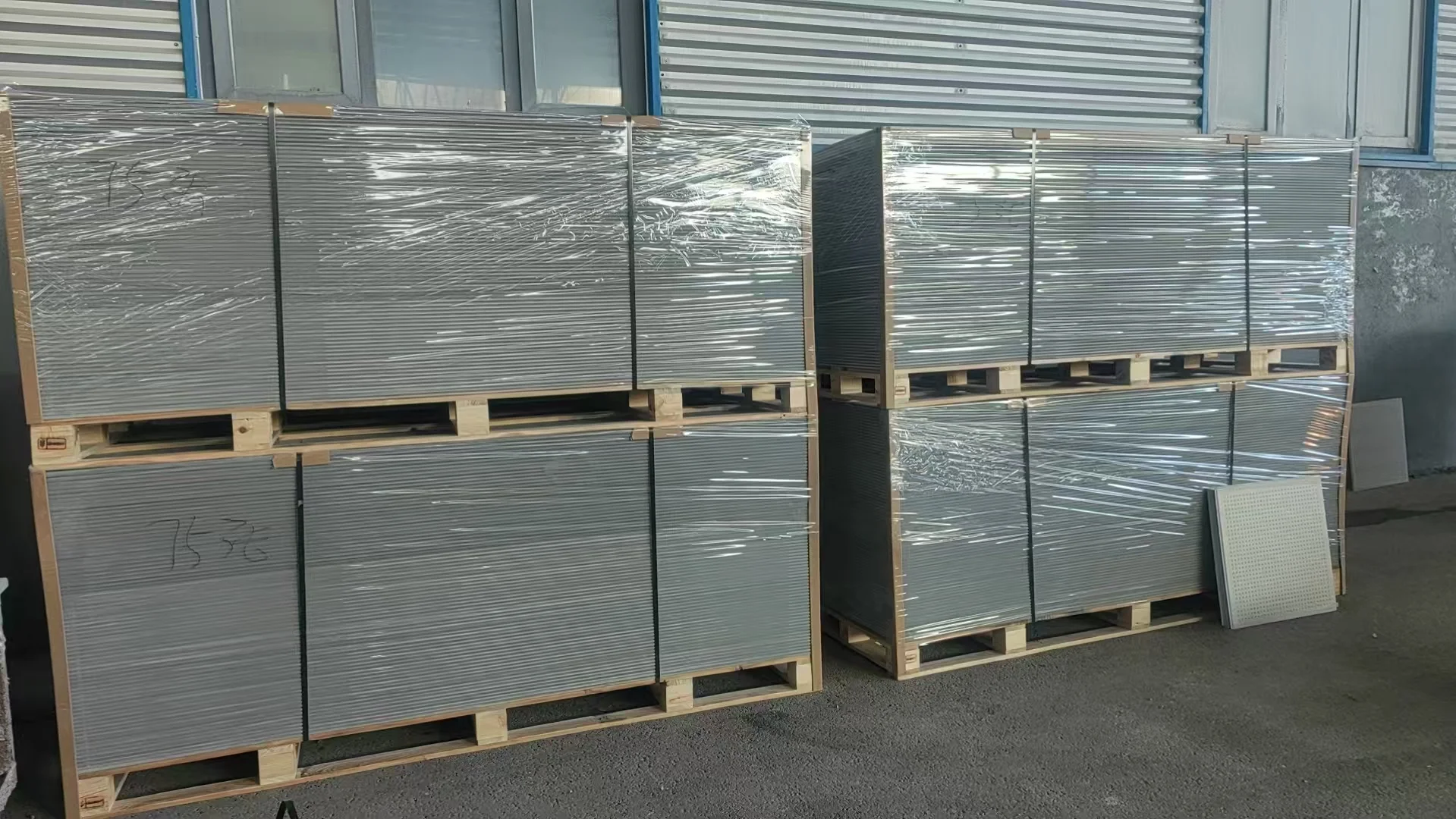
Roof Thermal Control Combination
| Layer Order (Exterior to Interior) | Function | Description |
|---|---|---|
| Waterproof membrane | Blocks rain | UV‑resistant coating |
| Fiber cement board | Provides rigidity and fire resistance | Controls thermal spread |
| Insulation layer | Traps heat | Mineral or foam board |
| Ceiling finish | Aesthetic cover | Gypsum or composite panel |
When I walked under a warehouse roof covered with fiber cement board, the air felt noticeably cooler despite midday sun. The material wasn’t performing magic—it was managing physics predictably, one degree at a time.
Can You Install Solar Panels Over Fiber Cement Board Siding?
Yes, with the correct sub‑frame and fasteners.
Fiber cement siding’s rigidity and screw‑holding capacity make it suitable as a substrate for solar mounting brackets.
TRUSUS structural insight: the board does not just carry finish—it supports the future of energy.
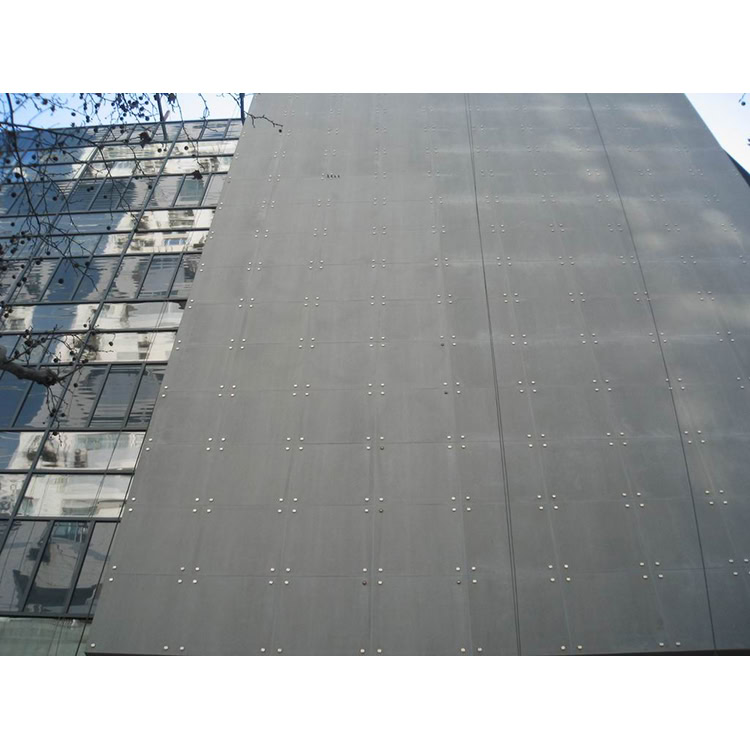
Solar Installation Interface
| Mount Element | Requirement | Fiber Cement Advantage | Installer Note |
|---|---|---|---|
| Anchor fastener | High holding force | Stable screw grip in dense matrix | Use stainless steel bolts |
| Support bracket | Even load distribution | Flat, uniform surface | Add rubber buffers |
| Panel base | Weatherproof contact | Non‑deform surface | Seal edges properly |
One commercial client mounted photovoltaic panels atop fiber cement façades. They wanted reliability under wind load. Years later, the system stayed firm—because good surfaces build lasting trust with sunshine.
Conclusion
At TRUSUS, I see fiber cement board as more than a flat sheet.
It is a silent collaborator in roofing, fire safety, thermal control, and renewable energy design—proving that smart material choices create sustainable buildings.
