




Can Cement Fibre Board Be Plastered?
Yes, cement fibre board can be plastered. Its surface texture and porosity allow mineral‑based plaster or thin mortar coatings to bond effectively when used with a proper primer.
TRUSUS finishing insight: plastering is less about coverage—it’s about cooperation between layers.
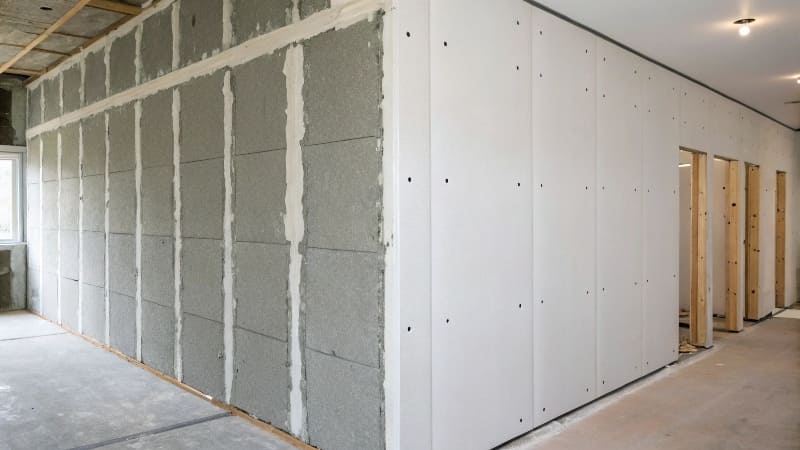
Before plastering, seal joints, apply bonding primer, and choose flexible finishing materials that move with the board. This prevents cracking as the board expands or contracts under humidity changes.
Plastering Steps for Cement Fibre Board
| Step | Description | Key Material | Purpose |
|---|---|---|---|
| 1 | Clean surface and joints | Dry cloth or brush | Remove dust |
| 2 | Apply bonding primer | Acrylic or cementitious | Improve adhesion |
| 3 | Embed mesh tape on joints | Fiberglass mesh | Reinforce seams |
| 4 | Apply plaster coat | Mineral or polymer plaster | Create texture |
| 5 | Finish and cure | Light sanding and misting | Prevent surface cracks |
A smooth, flexible base coat ensures both visual quality and mechanical durability.
What Plaster to Use on Cement Board?
Use polymer‑modified cement plaster or lime‑based breathable render on cement boards. These plasters adhere well, handle moisture, and maintain the board’s vapor balance.
TRUSUS compatibility insight: the right plaster should move and breathe with the board—not fight against it.
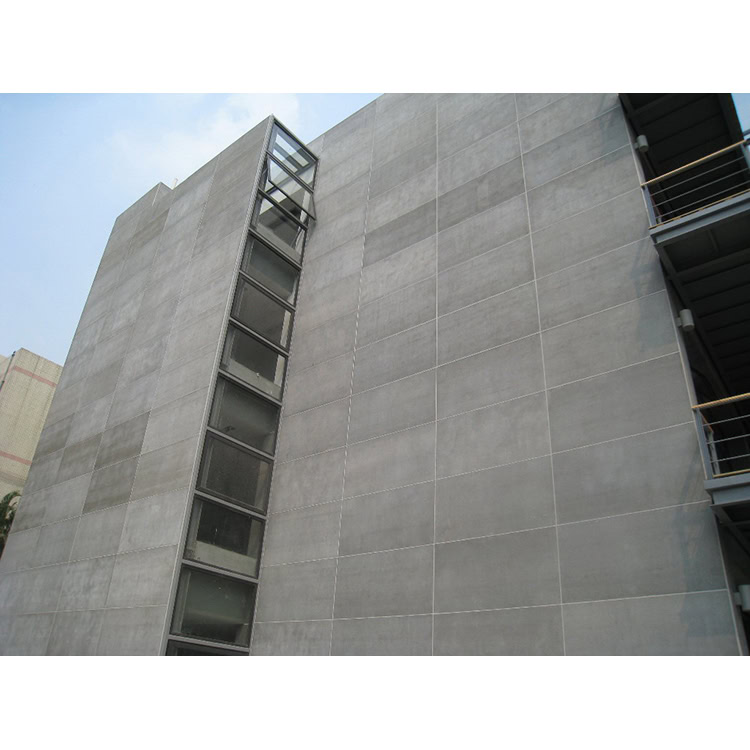
Plaster Selection Table
| Type | Features | Suitable Zone | Benefit |
|---|---|---|---|
| Polymer‑modified plaster | Strong adhesion, flexible film | Indoor & outdoor | Crack resistance |
| Lime plaster | Breathable, natural finish | Interior walls | Prevents damp issues |
| Fine mortar skim | Smooth surface creation | Finishing layer | Easy painting base |
Matching plaster chemistry to board material ensures lasting results, even in coastal or humid environments.
How to Camouflage a Cement Wall?
To camouflage a cement wall, work with finishes—not against them. Use textured coatings, paint layers, vertical gardens, or decorative panels to blend structure and design.
TRUSUS aesthetic insight: concealment becomes expression when texture tells the story.
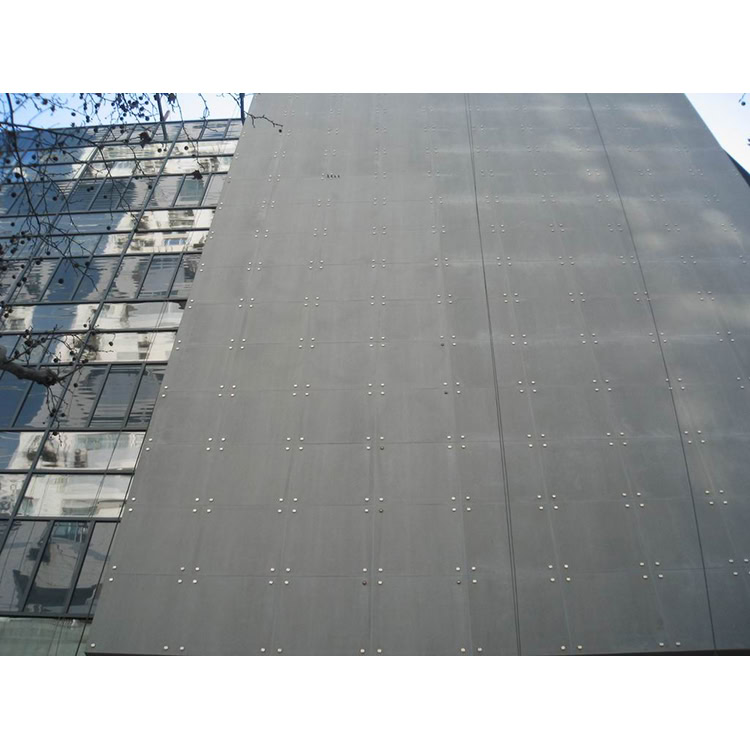
Camouflage Ideas
| Method | Description | Effect |
|---|---|---|
| Textured plaster | Mineral finish with varied strokes | Softens hard surfaces |
| Limewash | Natural tone variation | Adds depth and warmth |
| Cladding panels | Composite or wood layers | Creates visual rhythm |
| Vertical greenery | Climbing plants or pots | Natural camouflage |
| Light & shadow design | Directional lighting on ridges | Hides imperfections |
Each approach balances authenticity and visual softness, turning basic cement surfaces into architectural features.
Can You Limewash Cement Board?
Yes, limewash works on cement board if the surface is primed with a mineral‑based sealer. Limewash bonds chemically with alkaline materials, forming a breathable, soft matte coating.
TRUSUS natural finish insight: limewash revives the mineral bond—old method, modern look.
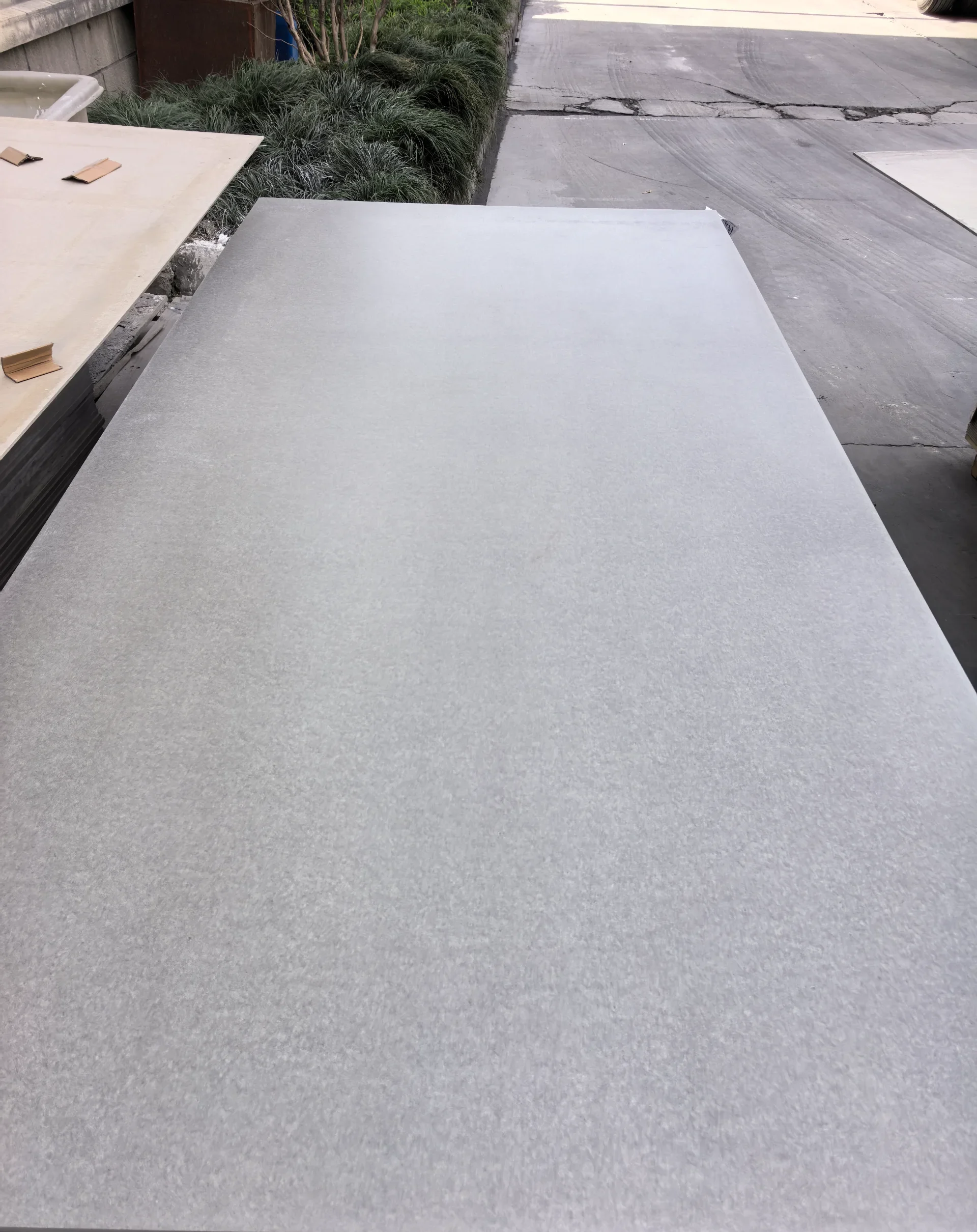
Limewashing Guide
| Step | Procedure | Material | Purpose |
|---|---|---|---|
| 1 | Clean board and fill joints | Cement filler | Smooth surface |
| 2 | Apply primer or mineral seal | Silicate primer | Enhance bonding |
| 3 | Mix limewash paint | Hydrated lime + pigment | Adjust tone |
| 4 | Brush thin coats | Natural bristle brush | Uniform coverage |
| 5 | Protect gentle areas | Natural wax or matte seal | Moisture balance |
Limewash lets the surface breathe, ages gracefully, and enhances the tactile look of fibre cement, merging endurance and elegance.
Conclusion
At TRUSUS, I see plaster, paint, and limewash not as coverings but as dialogues between layers. When materials and finishes cooperate, the cement fibre board becomes both structure and art—strong, expressive, and beautifully alive.
