




Can Cement Board Handle Heat?
When I talk to clients about cement board applications, one of the first questions they ask is, “Can it handle high heat?”
Yes, cement board can handle heat very well. It's made from Portland cement and reinforced fibers, allowing it to remain stable under temperatures far beyond what gypsum boards can tolerate. It doesn’t combust or release toxic fumes, which makes it safe for high-temperature environments.
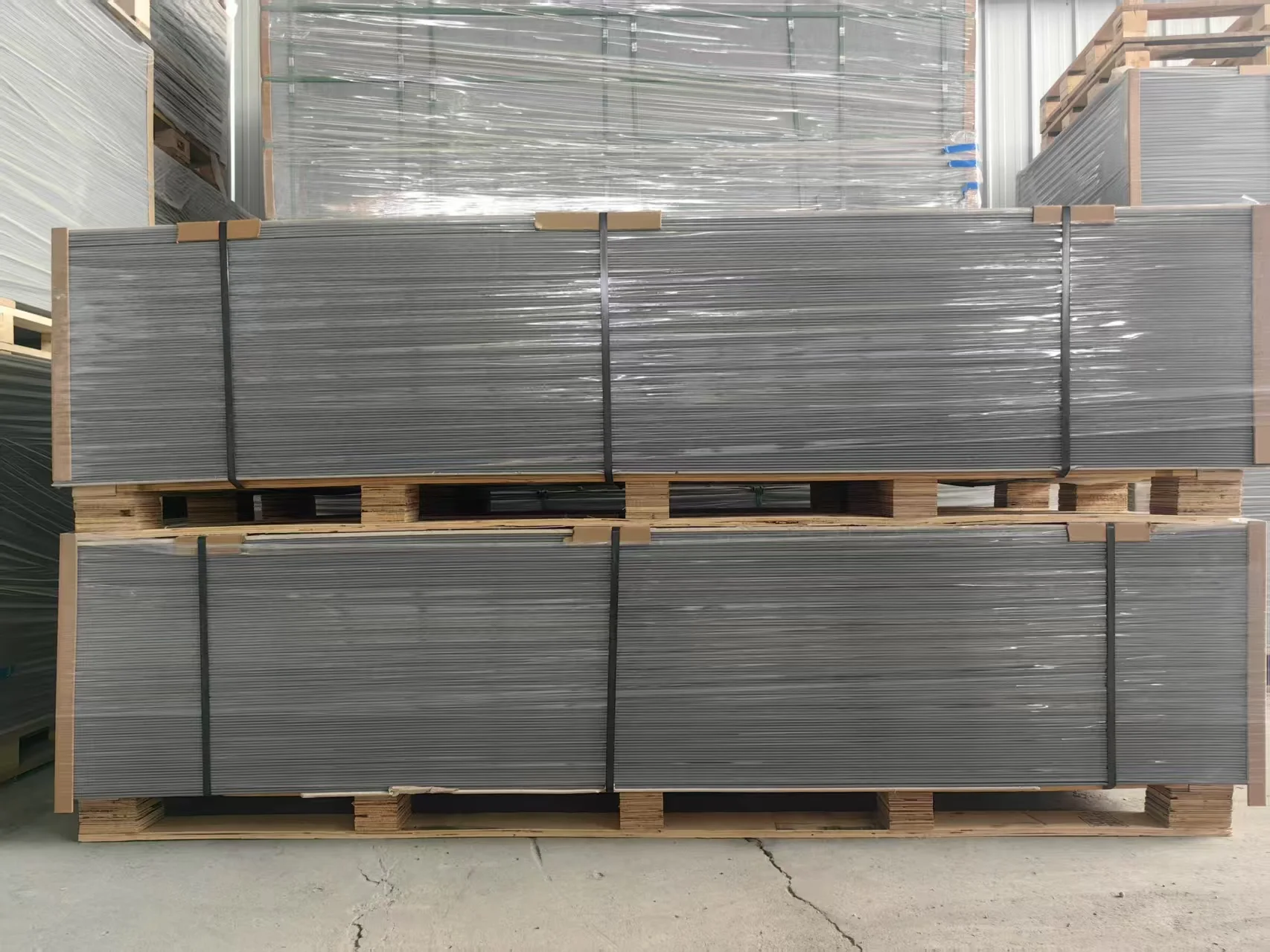
I’ve often told customers that the real story isn’t about "how many degrees" the board can take—it’s how well it protects the structure as a system under heat stress. Cement board is less about resistance in a single point and more about maintaining integrity during prolonged exposure.
Is Cement Board OK for a Fireplace?
This question comes often from both homeowners and contractors when they plan a fireplace surround.
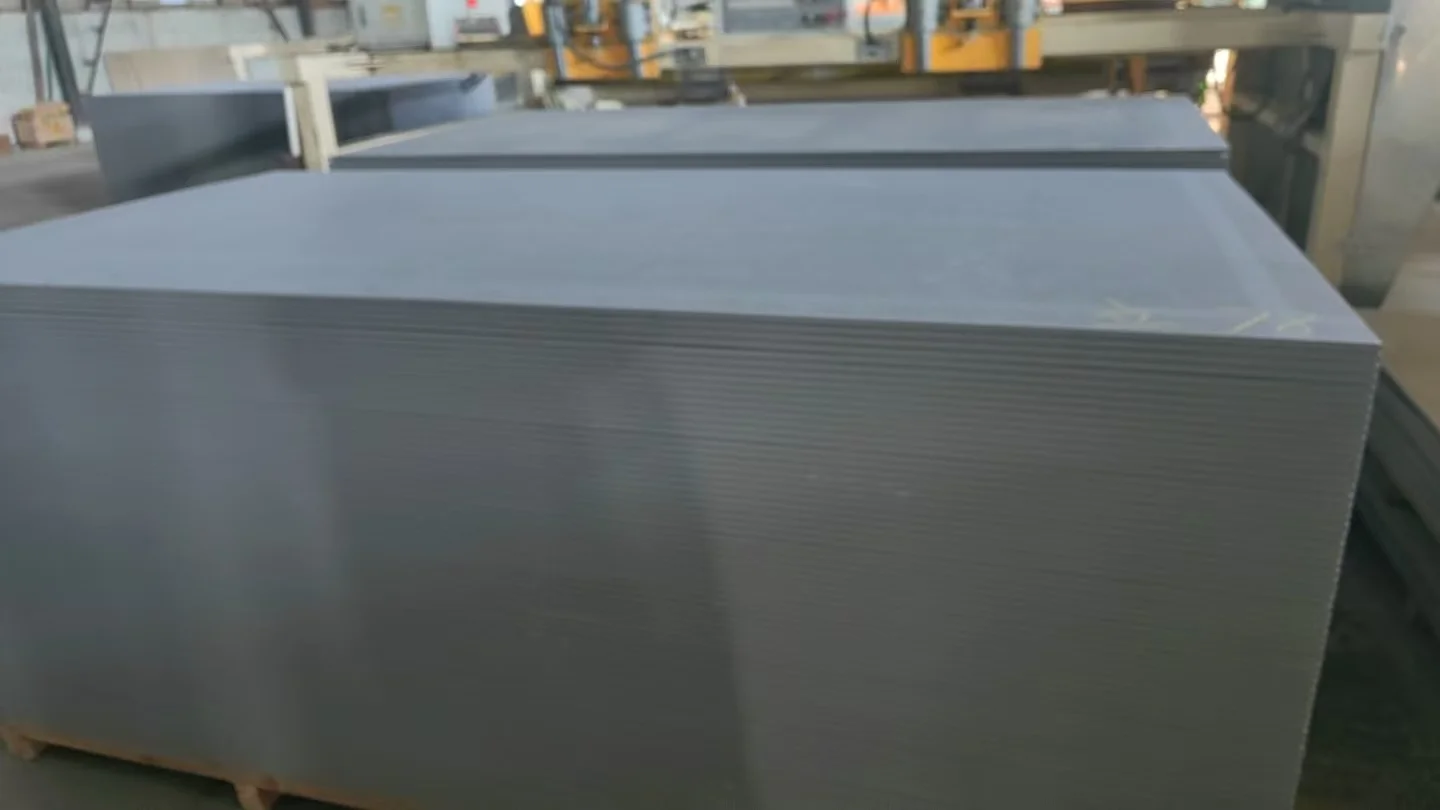
Yes, cement board is commonly used around fireplaces. It’s non-combustible and stable under direct radiant heat, making it suitable as a substrate for tile, natural stone, or brick veneer on fireplace walls.
Safe Use Around Fireplaces
In my fieldwork, I learned that good results depend on using the board as part of a proper heat-resistant assembly.
| Step | Application | Note |
|---|---|---|
| 1 | Install cement board over metal studs or masonry | Avoid direct exposure to open flame |
| 2 | Seal joints with high-temperature rated sealant | Prevent heat leak and cracking |
| 3 | Add air gap if required by code | Keeps surface temperature low |
| 4 | Finish with non-combustible facing materials | Use tile, stone, or metal only |
A cement board fireplace surround is not only about looks but about managing heat safely and structurally.
How Much Heat Can a Hardie Board Withstand?
People often think standard fiber cement siding can handle extreme heat, but it has its specific limits.
Hardie boards can typically withstand sustained temperatures up to around 150°C (300°F) without structural damage. Beyond that, while they won’t burn, they may lose some strength or color stability.

Understanding Practical Heat Tolerance
Through various lab and site tests, I’ve found that performance depends more on exposure time and system setup than the pure number on a thermometer.
| Element | Typical Threshold | Remarks |
|---|---|---|
| Fiber Cement Siding | ~150°C (300°F) | Safe near radiant heat |
| Cement Backer Board | Up to ~330°C (625°F) | Ideal for tile backing |
| Gypsum Board | ~50–60°C (120°F) | Weakens as crystal water evaporates |
So, fiber cement board handles plenty of heat for siding and indirect high-temperature areas, but it shouldn’t replace refractory panels inside active fireboxes.
Is Cement Board Better Than Drywall for Fire Rating?
At the building site, I’ve heard this debate repeated many times: “Is cement board really that much better than drywall for fire?”
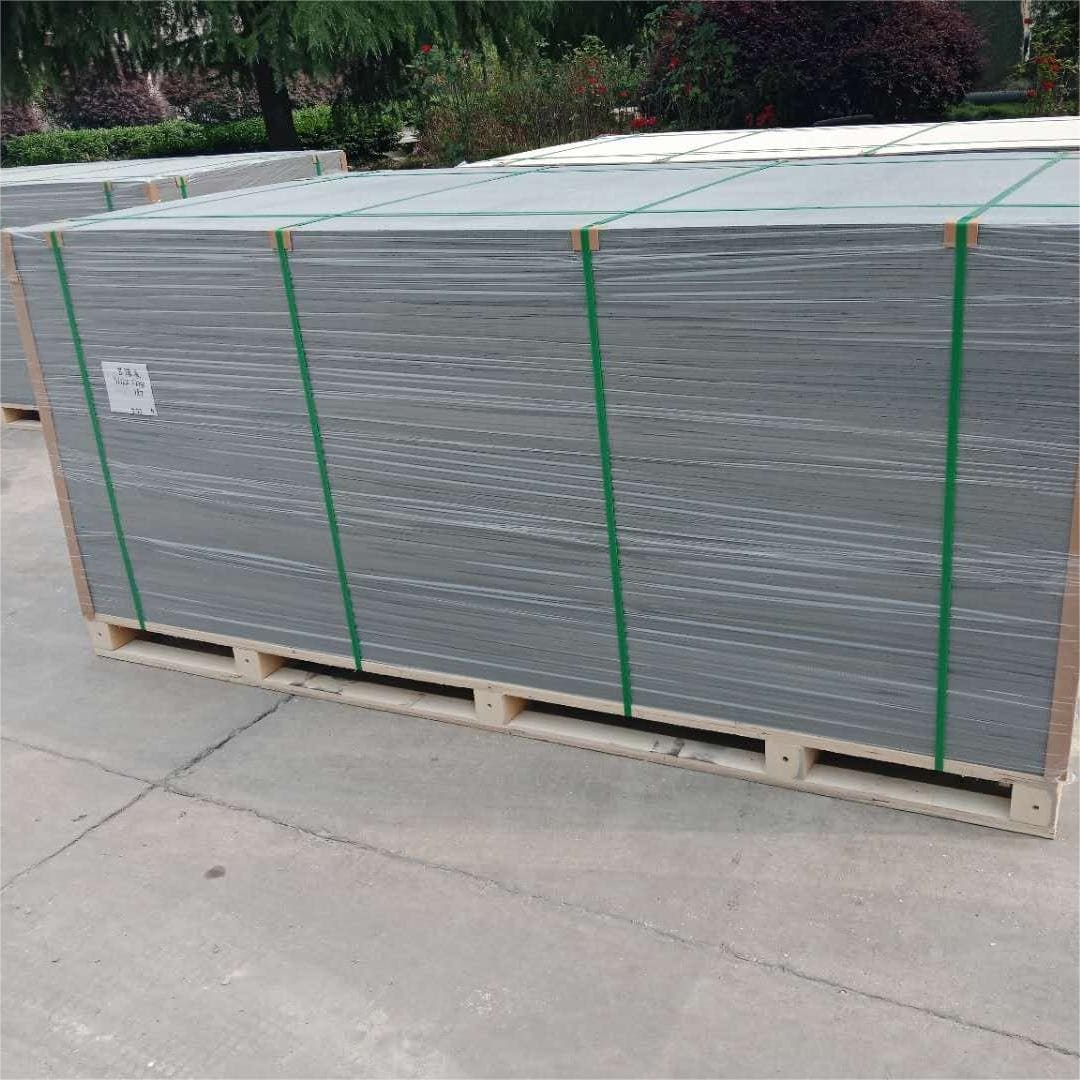
Yes, in almost every case. Cement board offers superior fire performance because it’s non-combustible, doesn’t degrade in heat, and won’t produce smoke or toxic gases. Drywall, by contrast, contains gypsum which releases water vapor under heat and loses stability once that moisture is gone.
Comparing Fire Ratings and Performance
When discussing safety standards with clients, I often show how fire-rated systems differ beyond just the material layer.
| Property | Gypsum Drywall | Cement Board |
|---|---|---|
| Combustibility | Non-flammable but weakens | Fully non-combustible |
| Thermal Stability | Loses strength at ~60°C | Remains solid up to ~300°C+ |
| Smoke Production | Minimal | None |
| Typical Fire Rating (1 Layer) | ~30 min (Type X) | 60–120 min depending on system |
| Best Use | Interior walls | Fire barriers, kitchens, fireplaces |
Cement board earns its reputation not only for being “heat-proof,” but for staying structurally sound, giving firefighters and occupants more escape time during emergencies.
Conclusion
Cement board can safely handle high temperatures and is ideal for fireplaces, kitchens, and other heat-prone zones.similar fiber cement boards withstand up to around 300°F, while cement backer boards handle much more. Compared to drywall, cement board has a far better fire rating and won’t lose integrity under prolonged heat. True fire safety comes not from one material alone, but from a complete system design that delays heat transfer and maintains structure stability—the core reason cement board remains a cornerstone of fire-resistant construction.
