




Can Cement Board Get Black Mold?
Cement board's inorganic composition affects mold growth potential and surface contamination patterns.
Cement board itself cannot support mold growth due to its inorganic composition but can develop surface mold when organic contaminants accumulate. Moisture, dust, and organic debris on cement board surfaces create conditions for mold colonization requiring proper ventilation and surface maintenance for mold prevention.
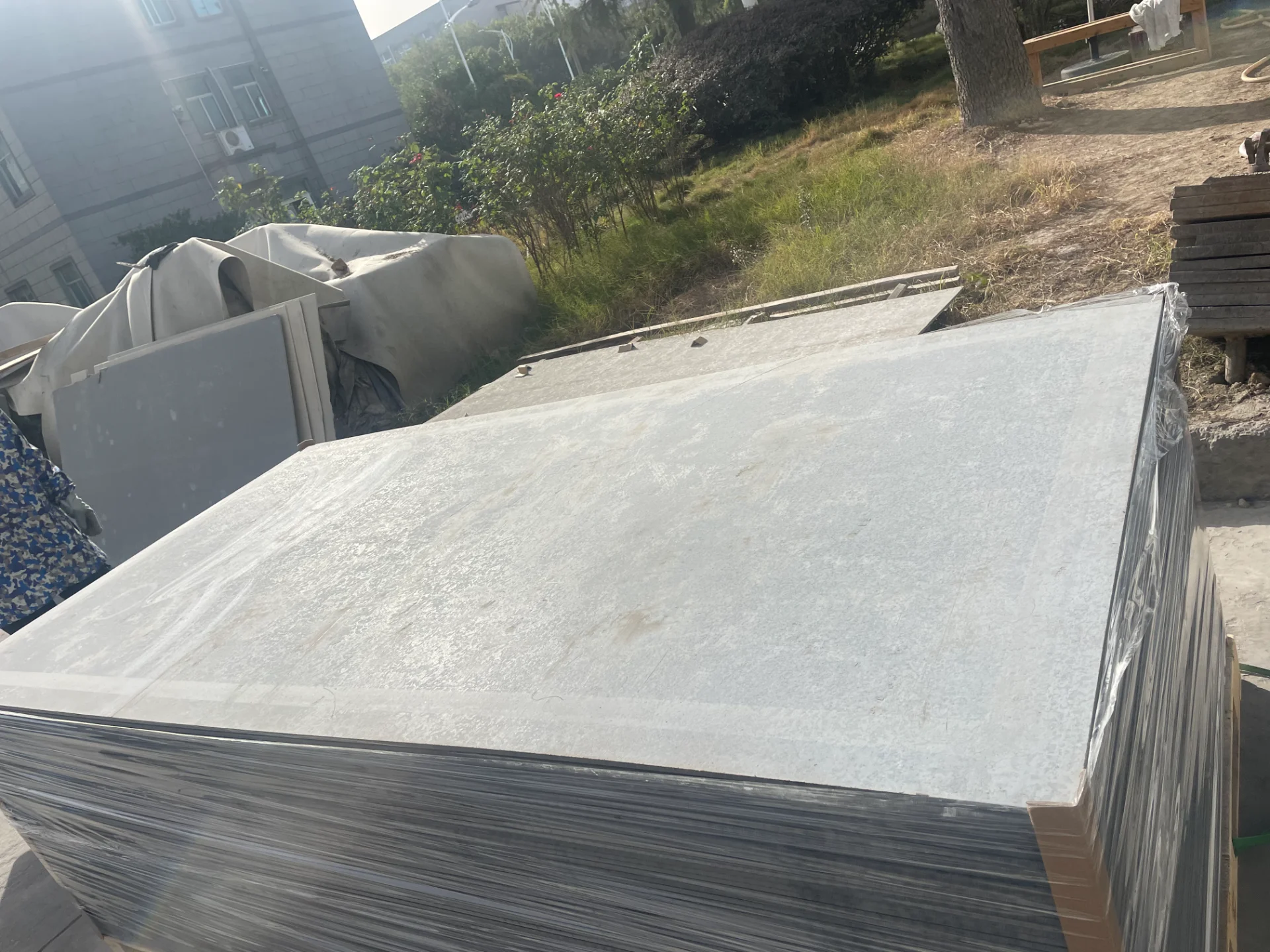
From my years manufacturing cement boards, I've learned that while the material itself resists mold growth, environmental conditions and surface contamination determine whether mold problems develop in cement board installations.
Will Mold Grow on Concrete Board?
Concrete board mold resistance depends on surface conditions and environmental factors rather than material composition.
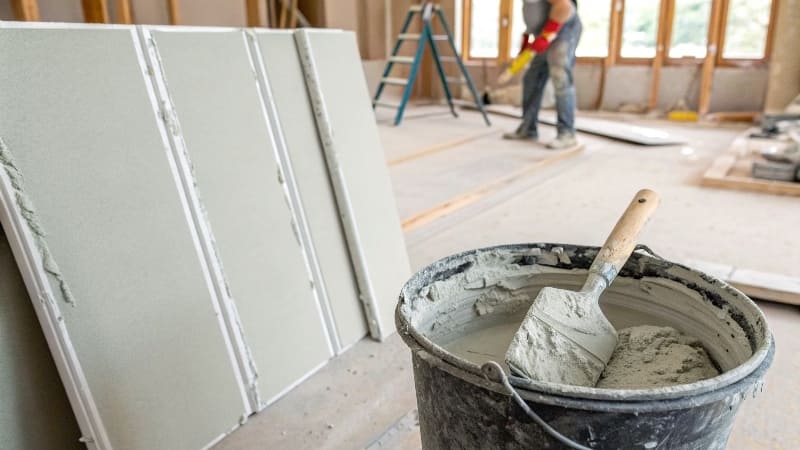
Mold will not grow directly on clean concrete board but can colonize organic contaminants on surfaces. Dust accumulation, paint residues, and organic debris provide nutrients for mold growth when moisture and poor ventilation create favorable conditions. Proper installation and maintenance prevent mold establishment.
Material Composition Factors
Through laboratory testing, specific material characteristics determine mold growth potential on concrete board surfaces.
| Material Property | Mold Resistance Level | Contributing Factors | Prevention Methods |
|---|---|---|---|
| Inorganic Matrix | Excellent | No nutritional value | Inherent resistance |
| Alkaline pH | Very Good | Hostile environment | Natural deterrent |
| Low Porosity | Good | Limited moisture retention | Proper sealing |
| Smooth Finish | Good | Easy cleaning | Regular maintenance |
| Fiber Content | Variable | Depends on fiber type | Quality selection |
Inorganic matrix composition provides inherent mold resistance, making concrete board superior to organic materials.
Environmental Conditions Impact
Based on field observations, specific environmental factors determine mold development on concrete board installations.
| Environmental Factor | Risk Level | Critical Thresholds | Control Measures |
|---|---|---|---|
| Relative Humidity | High | >70% sustained | Ventilation systems |
| Temperature | Medium | 60-90°F optimal for mold | Climate control |
| Air Circulation | High | Stagnant air zones | Strategic ventilation |
| Surface Moisture | Critical | Persistent dampness | Moisture barriers |
| Light Exposure | Medium | Dark environments favor mold | Natural/artificial lighting |
Relative humidity control represents the most critical factor in preventing mold growth on concrete board surfaces.
Contamination Sources
Surface contamination provides nutrients necessary for mold establishment on otherwise resistant concrete board materials.
| Contamination Type | Mold Risk | Common Sources | Removal Methods |
|---|---|---|---|
| Organic Dust | High | HVAC systems, occupant activity | Regular cleaning |
| Paint Residues | Medium | Organic paint formulations | Proper surface prep |
| Construction Debris | Medium | Wood particles, paper | Thorough cleanup |
| Moisture Penetration | High | Leaks, condensation | Source elimination |
| Food Particles | Very High | Kitchen/dining areas | Immediate cleaning |
Organic dust accumulation creates the most common conditions for mold establishment on concrete board surfaces.
What Does Black Mold Look Like on Cement Walls?
Black mold appearance on cement surfaces shows distinct visual characteristics and growth patterns.
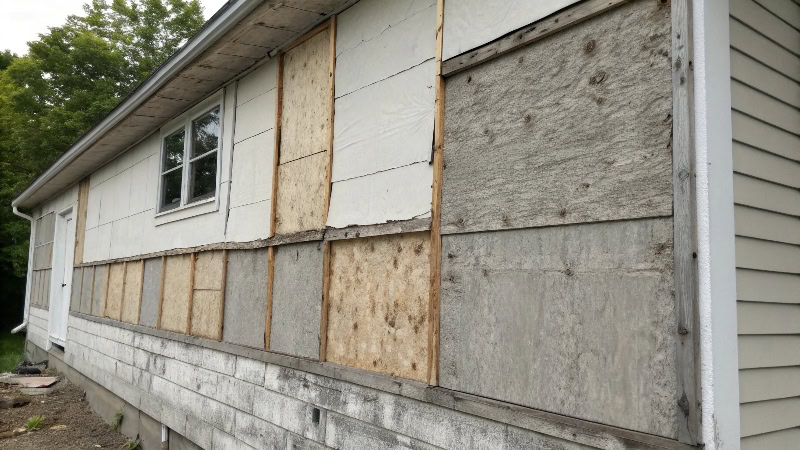
Black mold on cement walls appears as dark patches with fuzzy or slimy texture, often starting in corners or areas with poor ventilation. Initial growth shows as small dark spots that expand into larger colonies with irregular borders. Surface discoloration may appear black, dark green, or brown depending on mold species and environmental conditions.
Visual Identification Characteristics
Through mold remediation experience, specific visual indicators help identify mold growth stages and severity on cement surfaces.
| Growth Stage | Visual Appearance | Size Range | Texture Description | Color Variations |
|---|---|---|---|---|
| Initial Colonization | Small scattered spots | 1-5mm | Slightly raised | Dark gray to black |
| Established Growth | Patches with defined edges | 5-50mm | Fuzzy or velvet-like | Black, dark green, brown |
| Mature Colonies | Large irregular areas | 50mm+ | Thick, sometimes slimy | Deep black, may have white edges |
| Sporulation | Powdery appearance | Variable | Dusty surface coating | Gray-black powder |
Initial colonization appears as pinpoint spots that are easily missed during casual inspection but rapidly expand under favorable conditions.
Distribution Patterns
Mold growth on cement surfaces follows predictable patterns based on environmental gradients and surface conditions.
| Location Pattern | Frequency | Environmental Cause | Typical Appearance | Severity Indicator |
|---|---|---|---|---|
| Corner Areas | Very Common | Poor air circulation | Triangular spreading pattern | Often severe |
| Behind Furniture | Common | Restricted airflow | Linear or rectangular patches | Moderate to severe |
| Ceiling Edges | Common | Condensation zones | Horizontal band patterns | Variable |
| Around Windows | Frequent | Thermal bridging | Concentrated near frames | Often extensive |
| Floor Joints | Occasional | Moisture wicking | Linear growth along joints | Usually limited |
Corner areas show the highest frequency and severity of mold growth due to combined effects of poor ventilation and moisture accumulation.
Species Differentiation
Different mold species create distinct visual appearances on cement surfaces, affecting identification and remediation approaches.
| Mold Species | Color Characteristics | Texture Pattern | Health Risk Level | Removal Difficulty |
|---|---|---|---|---|
| Stachybotrys | Deep black, sometimes greenish | Slimy when wet, dry and flaky when dry | High | Difficult |
| Aspergillus | Black to dark green | Powdery or granular | Medium to High | Moderate |
| Penicillium | Blue-green to black | Velvet-like texture | Medium | Moderate |
| Cladosporium | Dark green to black | Suede-like appearance | Low to Medium | Easy to Moderate |
| Alternaria | Dark brown to black | Woolly or downy | Medium | Moderate |
Stachybotrys (toxic black mold) requires professional remediation due to health risks and removal difficulty.
Can Black Mold Grow on Cement?
Cement surfaces can support mold growth under specific environmental and contamination conditions.
Black mold can grow on cement surfaces when organic contamination provides nutrients and environmental conditions support colonization. Clean cement resists mold growth but accumulated dust, organic debris, and surface treatments create favorable conditions for establishment. Moisture control and surface cleanliness prevent mold development.
Surface Preparation Impact
Proper surface preparation significantly affects mold growth potential on cement installations.
| Surface Condition | Mold Risk Level | Contributing Factors | Prevention Strategies |
|---|---|---|---|
| Clean, Sealed Cement | Very Low | Minimal organic content | Regular maintenance |
| Unsealed Cement | Low to Medium | Dust accumulation | Periodic cleaning |
| Painted Cement | Medium | Organic paint nutrients | Quality paint selection |
| Contaminated Surface | High | Organic debris present | Thorough cleaning before use |
| Damaged Cement | High | Trapped moisture/debris | Repair before finishing |
Clean, sealed cement provides the lowest mold risk through elimination of nutrient sources and moisture penetration.
Environmental Threshold Analysis
Specific environmental conditions determine whether mold can establish and grow on cement surfaces.
| Environmental Parameter | Safe Range | Risk Range | Critical Range | Monitoring Frequency |
|---|---|---|---|---|
| Relative Humidity | <60% | 60-70% | >70% | Daily in problem areas |
| Surface Temperature | Variable | 60-80°F | 80-90°F | Weekly |
| Air Movement | >50 cfm | 25-50 cfm | <25 cfm | Monthly measurement |
| Surface Moisture | Dry | Occasional dampness | Persistent wetness | After rain/cleaning |
| pH Level | >9 (alkaline) | 7-9 | <7 (acidic) | Annual testing |
Relative humidity above 70% creates the greatest risk for mold establishment on cement surfaces.
Prevention System Design
Effective mold prevention requires integrated approaches addressing multiple environmental and material factors.
| Prevention Strategy | Effectiveness | Implementation Cost | Maintenance Requirements | Long-term Value |
|---|---|---|---|---|
| Ventilation Systems | High | Medium to High | Regular filter changes | Excellent |
| Moisture Barriers | Very High | Low to Medium | Minimal | Excellent |
| Surface Sealing | High | Low | Periodic reapplication | Good |
| Regular Cleaning | Medium | Very Low | Ongoing labor | Good |
| Humidity Control | Very High | Medium to High | Equipment maintenance | Excellent |
Moisture barrier installation provides the highest cost-effectiveness for long-term mold prevention on cement surfaces.
Health and Safety Considerations
Mold growth on cement surfaces creates specific health risks requiring appropriate response measures.
| Health Risk Level | Symptoms | Exposure Duration | Response Required | Professional Intervention |
|---|---|---|---|---|
| Low Risk | None to mild irritation | Occasional | Improve ventilation | Not typically required |
| Moderate Risk | Respiratory symptoms | Regular exposure | Source removal + medical consultation | Recommended |
| High Risk | Severe reactions | Any exposure | Immediate remediation + medical care | Required |
| Toxic Species | Various severe symptoms | Any exposure | Professional remediation only | Mandatory |
Professional assessment is recommended whenever black mold appearance or health symptoms suggest significant contamination.
Conclusion
Cement board cannot support mold growth due to its inorganic composition but can develop surface mold when organic contaminants accumulate requiring proper ventilation and surface maintenance for prevention. Mold will not grow directly on clean concrete board but can colonize organic debris on surfaces with relative humidity control representing the most critical prevention factor. Black mold on cement walls appears as dark patches with fuzzy texture, starting in corners and poor ventilation areas with different species creating distinct visual characteristics and professional assessment recommended for significant contamination. Black mold can grow on cement surfaces when organic contamination provides nutrients and environmental conditions support colonization with moisture control and surface cleanliness being essential for prevention and integrated prevention systems providing the most effective long-term solutions. Success in mold prevention depends on understanding that cement's inherent mold resistance requires support through proper environmental control, surface maintenance, and contamination prevention rather than relying solely on material properties.
