




Can cement board be used as walls?
Cement board is a tough, water-resistant material often used in specific areas where durability and moisture protection are essential. It is one of the strongest alternatives to drywall for certain applications.
Yes, cement board can be used for walls. It is ideal for areas that require high moisture resistance, impact strength, and fire protection, such as bathrooms, pool rooms, and outdoor kitchens.
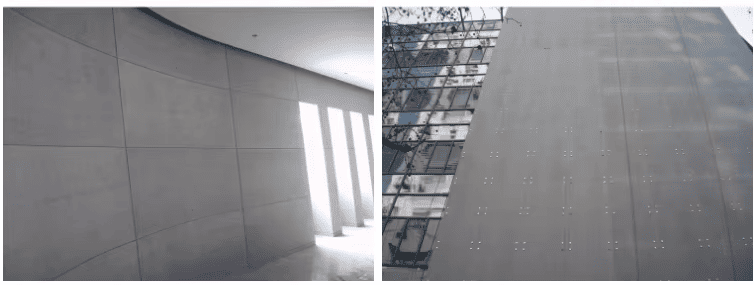
I have seen many homeowners increasingly interested in using cement board as wall material. In practice, its resistance to rot, swelling, or mold makes it perfect for high-humidity zones. It does not soften over time and withstands temperature changes without warping. Besides moisture protection, cement board adds extra fire resistance, reduces sound transmission, and stands up well against physical impact. It is an excellent choice in bathrooms, wet basements, or outdoor kitchens, but it is not always the best option for every space due to cost and weight constraints.
Why use cement board instead of drywall?
Drywall is cheaper and lighter, but cement board resists water, fire, and impact far better, making it superior in demanding environments.
Choose cement board over drywall in wet or fire-prone areas because it does not absorb water, burn easily, or break down under stress.
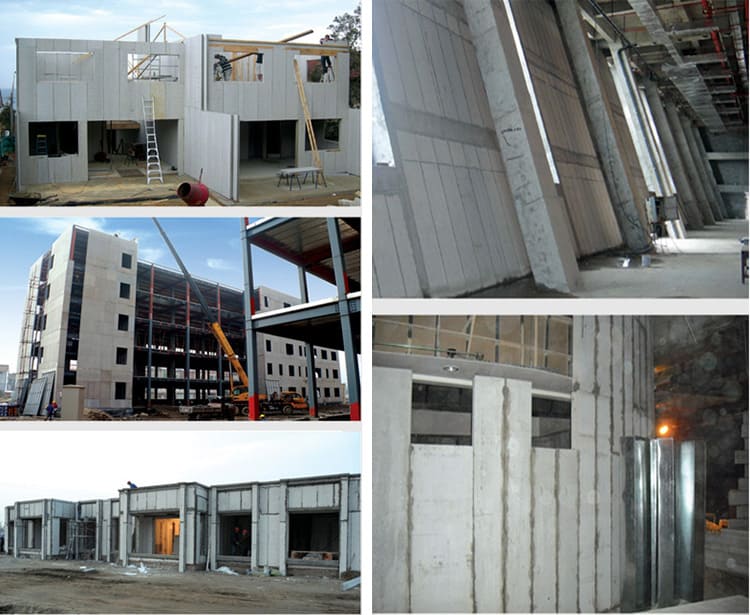
In my work, using the right material in the right place is key. Cement board shines where moisture is constant, like behind tile in showers or around spas. Unlike drywall, it will not grow mold or crumble. Its fire resistance makes it valuable for safety zones. The table below shows key differences between cement board and drywall.
| Feature | Cement Board | Drywall |
|---|---|---|
| Moisture Resistance | Excellent – does not absorb water | Poor – swells or degrades when wet |
| Fire Resistance | High – slows fire spread | Moderate – gypsum core provides some resistance |
| Durability | Very strong, impact-resistant | Less impact-resistant |
| Weight | Heavy – about triple drywall weight | Light – easy to handle |
| Cost | 40%-100% higher | Low cost |
What is the disadvantage of cement board?
No building material is perfect, and cement board comes with downsides that must be considered before choosing it.
Its weight, higher cost, harder installation, rough surface, poor insulation, and difficulty to modify later make it less suited for large, dry-living spaces.
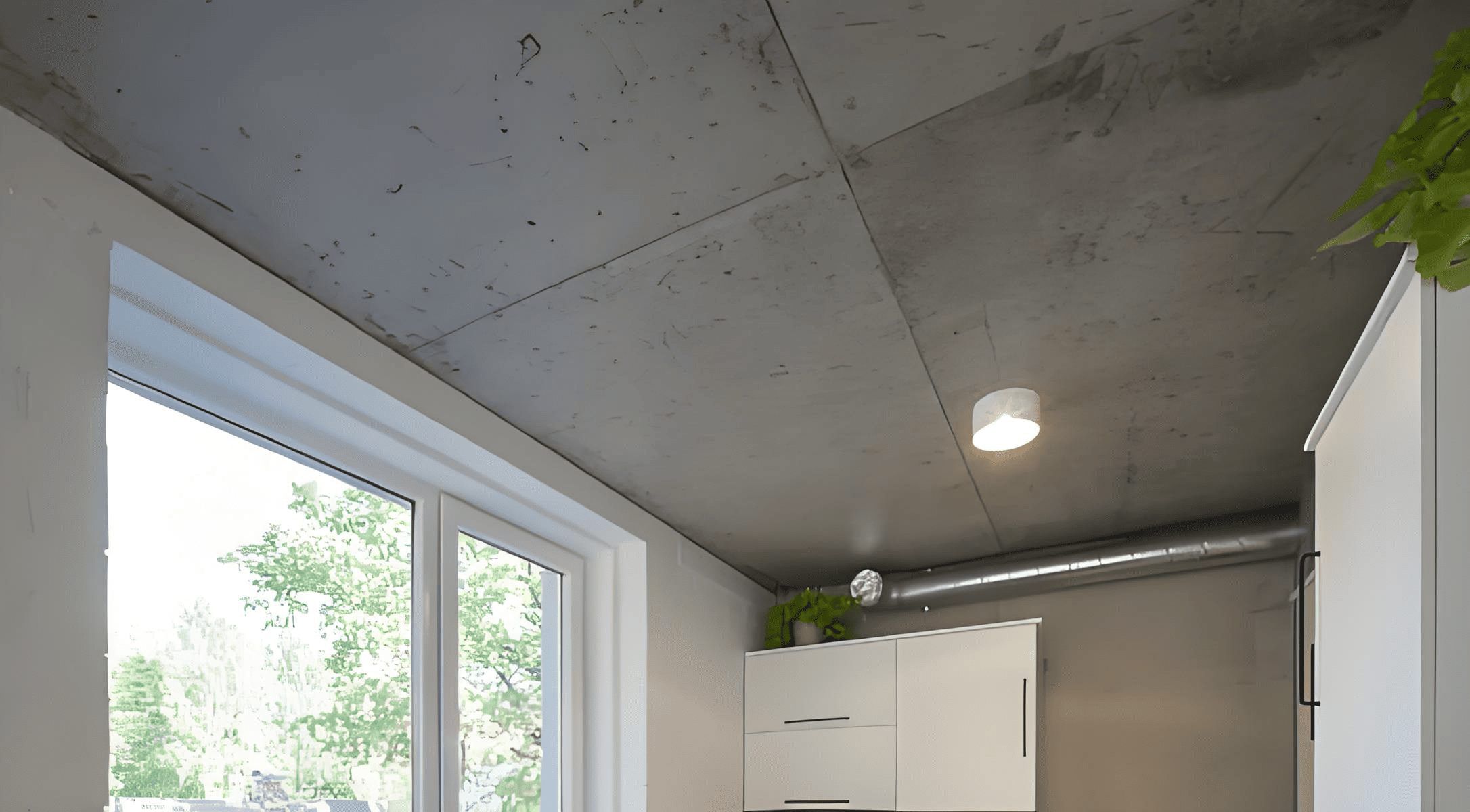
From my experience, cement board weighs roughly three times more than drywall. This makes installation physically demanding and adds load to structures. It requires more expensive skilled labor and costs up to twice as much as drywall. The installation process produces heavy dust, needing good protective measures. Its rough surface demands extra finishing work. Hardness makes drilling or nailing later more difficult. It also insulates poorly, which can raise heating costs in cold climates. For these reasons, I recommend a mixed-material strategy – cement board only where needed, and drywall elsewhere.
| Disadvantage | Impact on Project |
|---|---|
| Heavy Weight | Harder handling, higher structural load |
| Higher Cost | Increases overall budget |
| Complex Installation | Needs skilled labor and more time |
| Dust Production | Protective measures required during work |
| Rough Surface | Additional surface prep needed |
| Poor Insulation | Can increase energy costs |
| Hardness | Difficult to modify or add fixtures later |
How thick is cement board for walls?
Thickness matters for both structural performance and ease of installation in walls.
Cement boards for walls are usually 1/4 inch (6.4mm) to 1/2 inch (12.7mm) thick, chosen based on location and load requirements.

In wet zones like shower walls, I recommend 1/2 inch thickness for extra strength and moisture protection. For lighter-duty areas or where weight is a concern, 1/4 inch boards can work well. Over the years, I have found that selecting the right thickness helps balance performance with handling ease. The table below shows typical thickness recommendations.
| Location | Recommended Thickness | Reason |
|---|---|---|
| Shower Walls | 1/2 inch (12.7mm) | Best moisture protection and strength |
| Outdoor Kitchens | 1/2 inch (12.7mm) | Withstands weather and heavy use |
| Light Interior Areas | 1/4 inch (6.4mm) | Reduces weight load |
| Tile Backing (Floors) | 1/4 inch (6.4mm) | Sufficient under tile, easier to handle |
Conclusion
Cement board walls are strong, moisture-proof, and fire-resistant, but heavy, costly, and harder to install. Use them where they matter most, and choose lighter options elsewhere.
