




Can Cement Board Be Used as Cladding?
Cement board provides excellent cladding performance with superior moisture resistance, fire protection, and dimensional stability for exterior applications.
Cement board serves as high-performance exterior cladding offering Class A fire resistance, minimal moisture absorption, and exceptional dimensional stability across varying weather conditions. Fiber cement board systems achieve 25-50 year lifespans with proper installation and finishing systems while providing excellent substrate for paint, stucco, and decorative finishes. Installation requires appropriate fastening, flashing, and joint sealing with ventilation gaps ensuring optimal moisture management and long-term performance in diverse climatic conditions.
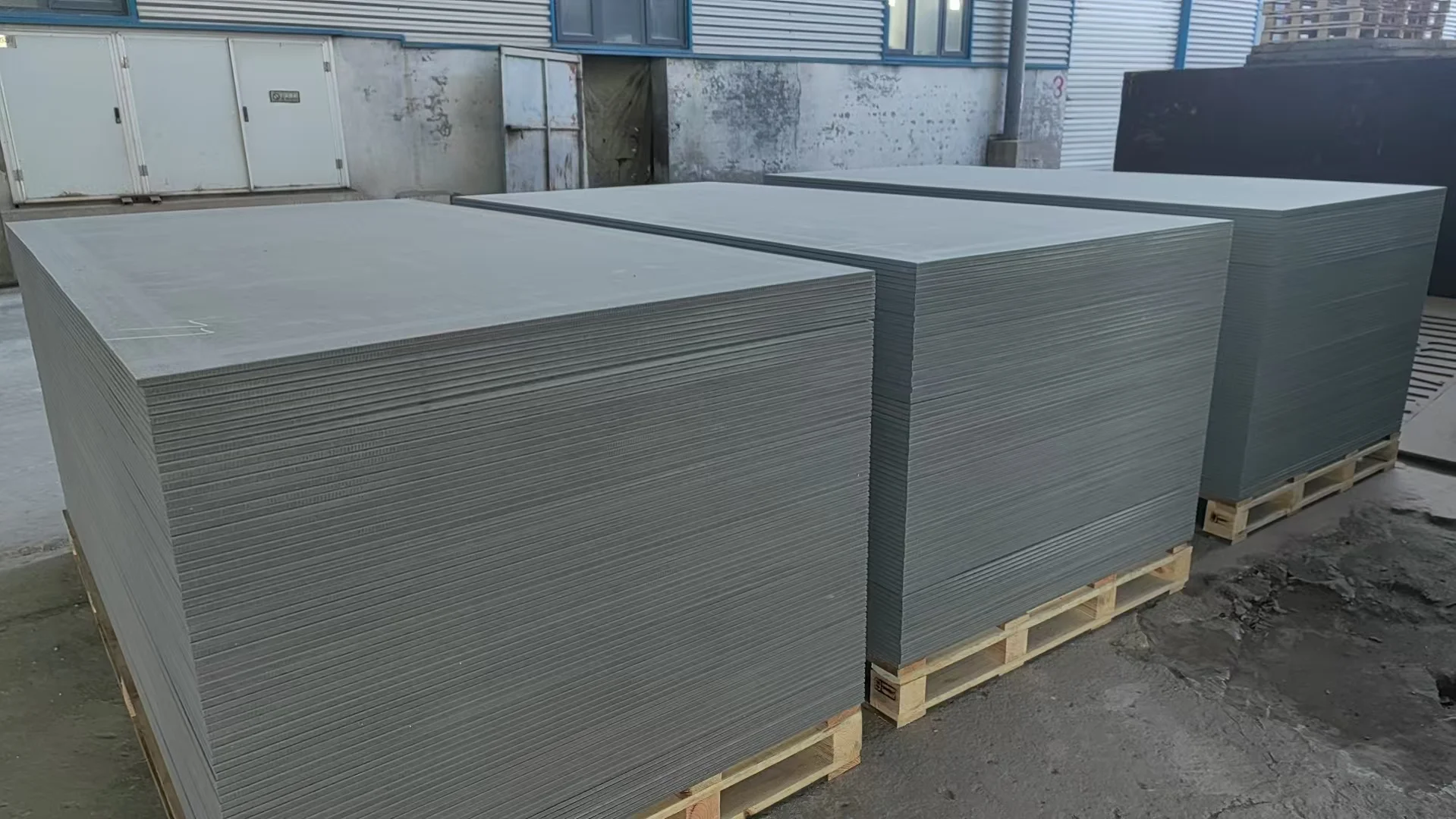
From my extensive experience in cement board manufacturing and exterior wall systems, I've observed how cement board has evolved from interior substrate material to comprehensive exterior cladding solution, offering superior performance characteristics that rival traditional masonry while providing greater design flexibility and installation efficiency.
Can I Use Cement Board for Exterior Walls?
Cement board excels in exterior wall applications through weather resistance, structural integrity, and system compatibility.
Cement board provides superior exterior wall performance with weather resistance ratings exceeding 25 years while maintaining structural integrity under wind loads up to 150 mph. Moisture absorption rates below 20% by weight ensure dimensional stability with freeze-thaw resistance and Class A fire protection. Integration with insulation systems, vapor barriers, and structural framing creates high-performance wall assemblies meeting energy codes and building standards. Installation flexibility accommodates various architectural styles from residential to commercial applications.
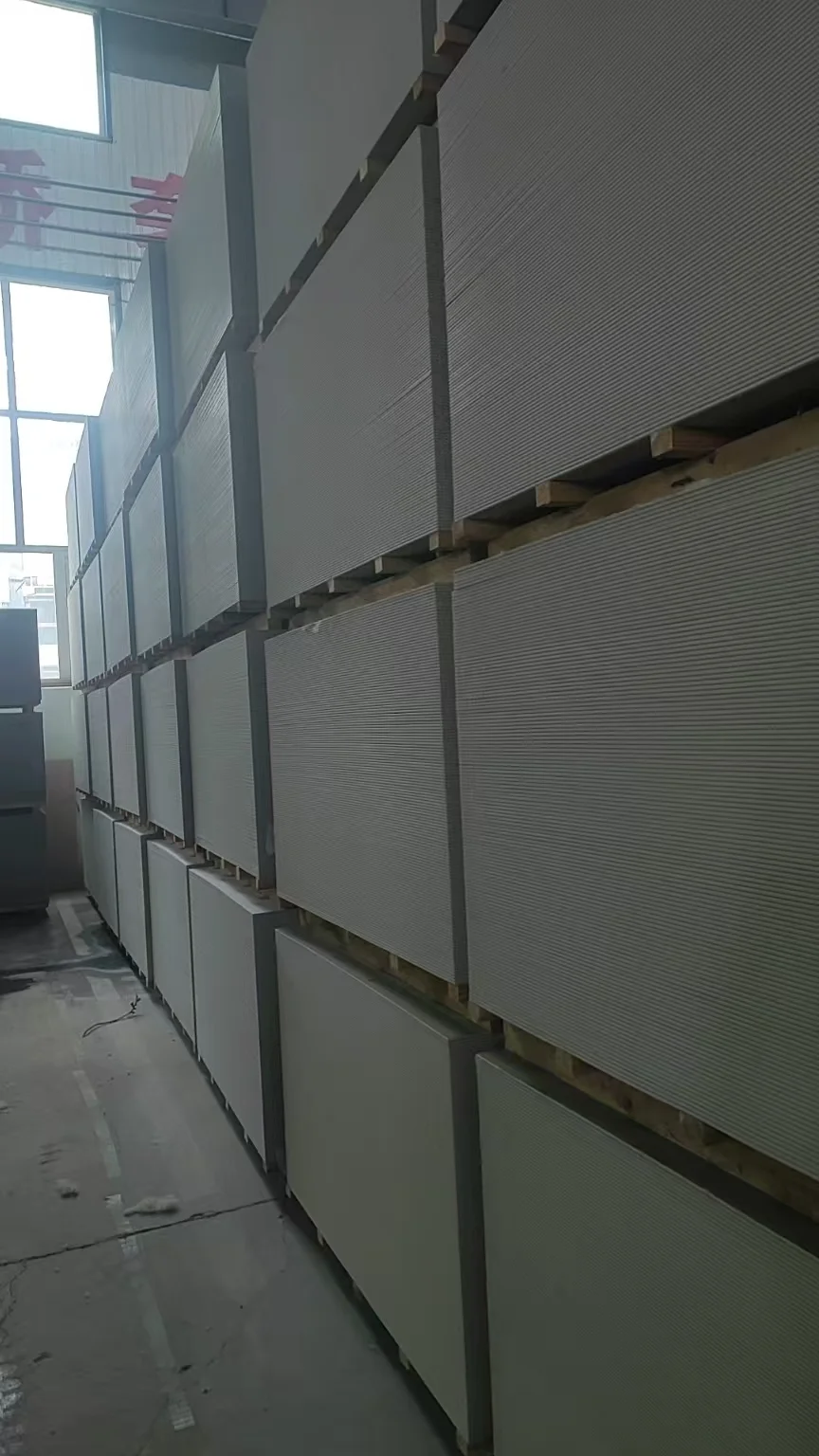
Performance Characteristics for Exterior Use
Cement board demonstrates superior performance across critical exterior wall application requirements.
Wind load resistance provides the most significant structural advantage for exterior applications.
Climate Zone Performance
Cement board performs consistently across different climate zones with specific advantages.
| Climate Zone | Primary Challenges | Cement Board Response | Performance Rating | Special Considerations |
|---|---|---|---|---|
| Hot-Humid | Moisture, heat cycling | Excellent stability | 9/10 | Proper ventilation |
| Cold Climate | Freeze-thaw, snow loads | Superior resistance | 9/10 | Moisture barriers |
| Desert/Arid | UV exposure, temperature | Excellent durability | 8/10 | Thermal movement |
| Coastal | Salt exposure, wind | Good performance | 8/10 | Corrosion-resistant fasteners |
| Temperate | Variable conditions | Excellent adaptation | 10/10 | Standard installation |
Temperate climates provide optimal conditions for cement board exterior performance.
System Integration Requirements
Successful exterior cement board applications require proper integration with building envelope systems.
| System Component | Integration Method | Performance Impact | Installation Complexity | Cost Factor |
|---|---|---|---|---|
| Weather Barriers | Continuous membrane | Moisture protection | Medium | 1.2x |
| Insulation Systems | Proper attachment | Energy performance | Medium | 1.3x |
| Vapor Management | Strategic placement | Moisture control | High | 1.4x |
| Structural Attachment | Engineered fastening | Load transfer | Medium | 1.1x |
| Finish Systems | Compatible materials | Aesthetic/protection | Low-Medium | 1.2x |
Vapor management systems require the highest installation expertise but provide critical performance benefits.
Is Cement Board Cladding Any Good?
Cement board cladding delivers exceptional performance combining durability, versatility, and cost-effectiveness for exterior applications.
Cement board cladding provides 25-50 year service life with minimal maintenance requirements while offering superior fire protection and impact resistance. Cost-effectiveness ranges $8-15 per square foot installed compared to natural stone at $25-50 per square foot with comparable aesthetic options. Design versatility accommodates smooth, textured, and wood-grain finishes through various coating and treatment systems. Installation efficiency reduces construction time by 30-50% versus traditional masonry systems while maintaining comparable performance standards.
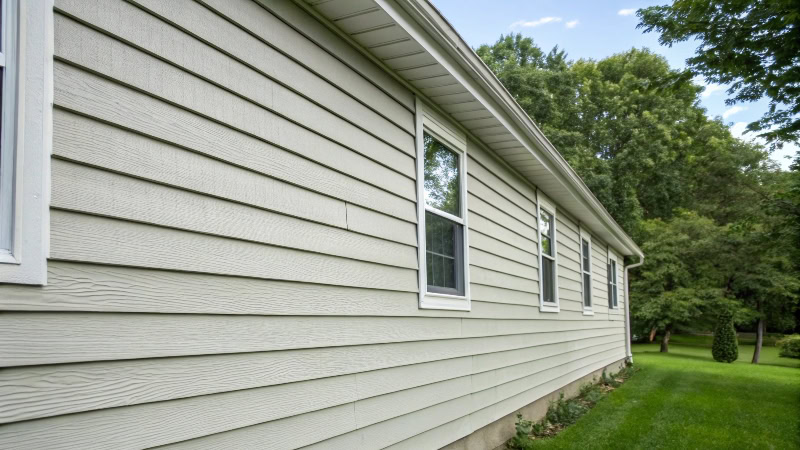 Impact resistance performance provides significant advantage over alternative cladding materials.
Cost-Benefit Analysis
Cement board cladding offers superior value when considering lifecycle costs and performance.
| Cost Factor | Cement Board | Vinyl Siding | Natural Stone | Brick Veneer |
|---|---|---|---|---|
| Material Cost | $3-7/sf | $2-8/sf | $15-30/sf | $8-18/sf |
| Installation Cost | $5-8/sf | $3-6/sf | $10-20/sf | $12-25/sf |
| Total Initial | $8-15/sf | $5-14/sf | $25-50/sf | $20-43/sf |
| 25-Year Maintenance | $1-3/sf | $5-15/sf | $3-8/sf | $2-5/sf |
| Lifecycle Cost | $9-18/sf | $10-29/sf | $28-58/sf | $22-48/sf |
Lifecycle cost advantages make cement board cladding highly competitive across all price segments.
Aesthetic Options and Finishes
Cement board cladding supports diverse aesthetic treatments for architectural flexibility.
| Finish Type | Appearance Options | Durability Rating | Cost Premium | Maintenance Level |
|---|---|---|---|---|
| Smooth Painted | Unlimited colors | 20-25 years | Standard | Low |
| Textured Stucco | Traditional/modern | 25-30 years | +15% | Low |
| Wood Grain | Cedar/redwood look | 20-25 years | +25% | Low |
| Stone Texture | Natural stone appearance | 25-30 years | +30% | Minimal |
| Decorative Panels | Custom patterns | 20-25 years | +40% | Low |
Textured stucco finishes provide optimal balance of aesthetics, durability, and cost-effectiveness.
Can Cement Board Be Used Externally?
Cement board excels in external applications with superior weather resistance and structural performance.
Cement board external applications include siding, soffits, trim boards, and architectural panels with Class A fire ratings and wind resistance up to 200 mph. Moisture management through proper installation prevents water infiltration while dimensional stability maintains appearance and structural integrity. External applications require specific fastening patterns, joint treatments, and finish systems for optimal performance and building code compliance. Temperature cycling from -40°F to 180°F shows minimal degradation with proper installation protocols ensuring 25+ year service life in diverse environmental conditions.
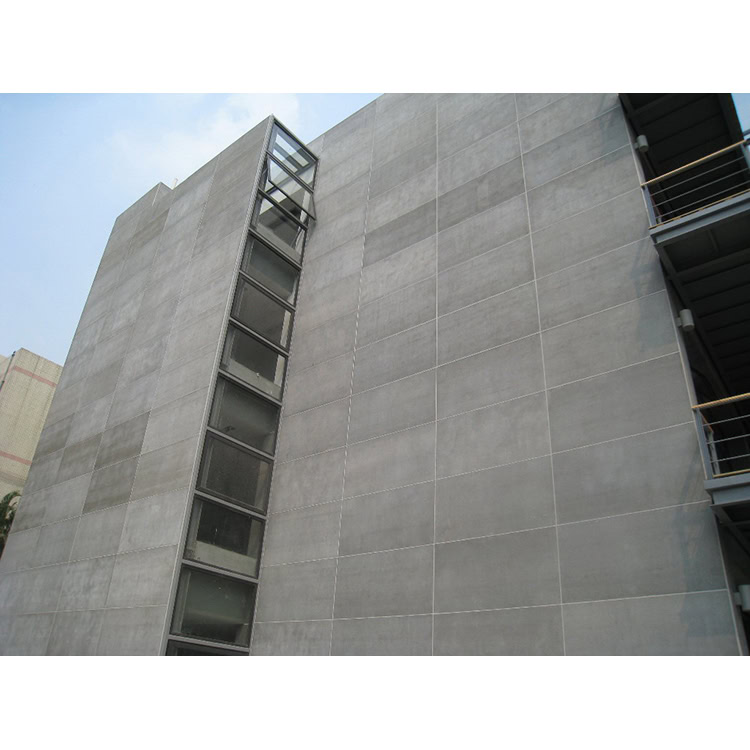
External Application Types
Cement board serves multiple external building applications with specific performance requirements.
| Application Type | Performance Requirements | Installation Complexity | Typical Thickness | Service Life |
|---|---|---|---|---|
| Lap Siding | Weather resistance, impact | Medium | 5/16"-3/4" | 30-50 years |
| Panel Systems | Wind loads, thermal cycling | High | 1/4"-1/2" | 25-40 years |
| Soffit/Eaves | Moisture resistance, ventilation | Low-Medium | 1/4"-3/8" | 40+ years |
| Trim Boards | Dimensional stability, workability | Low | 3/4"-1" | 30+ years |
| Architectural Features | Design flexibility, durability | High | Variable | 25-35 years |
Soffit applications provide the longest service life due to reduced weather exposure. Wind load performance typically exceeds building code requirements by significant margins.
Installation Critical Factors
Proper external installation requires attention to specific details for optimal performance.
| Installation Factor | Critical Requirements | Failure Consequences | Quality Control | Performance Impact |
|---|---|---|---|---|
| Fastener Selection | Corrosion-resistant materials | Structural failure | Material verification | Critical |
| Joint Sealing | Weather-resistant sealants | Water infiltration | Continuous inspection | High |
| Flashing Details | Proper integration | Building envelope failure | Professional review | Critical |
| Ventilation Gaps | Adequate air movement | Moisture problems | Measurement verification | High |
| Structural Attachment | Engineered connections | Load transfer failure | Engineering review | Critical |
Fastener selection and flashing details represent the most critical factors for long-term success.
Maintenance and Inspection Protocols
External cement board applications require specific maintenance protocols for optimal longevity.
| Maintenance Activity | Frequency | Inspection Points | Performance Indicators | Corrective Actions |
|---|---|---|---|---|
| Visual Inspection | Annual | Surface condition | No cracking/damage | Immediate repair |
| Joint Inspection | Annual | Sealant integrity | No gaps/deterioration | Resealing |
| Fastener Check | Biennial | Corrosion/looseness | Secure attachment | Replacement/tightening |
| Finish Maintenance | 5-10 years | Coating condition | Color/protection retention | Refinishing |
| System Evaluation | 10 years | Overall performance | Meeting specifications | Professional assessment |
Annual visual inspection provides the most cost-effective maintenance approach for early problem detection.
Code Compliance and Standards
External cement board applications must comply with specific building codes and industry standards.
| Code/Standard | Application Scope | Key Requirements | Compliance Method | Verification Process |
|---|---|---|---|---|
| IBC/IRC | Structural requirements | Load calculations | Engineering review | Plan approval |
| NFPA 285 | Fire performance | Assembly testing | Listed systems | System compliance |
| Energy Codes | Thermal performance | R-value requirements | Assembly calculations | Energy modeling |
| Local Codes | Regional requirements | Variable standards | Local compliance | Permit approval |
IBC/IRC structural requirements form the foundation for all external cement board applications.
Conclusion
Cement board provides excellent exterior cladding performance with Class A fire resistance, minimal moisture absorption, and exceptional dimensional stability achieving 25-50 year lifespans with proper installation and finishing systems while serving as excellent substrate for diverse decorative finishes. Cement board exterior walls deliver superior weather resistance exceeding 25 years with structural integrity under wind loads up to 150 mph and moisture absorption below 20% ensuring dimensional stability with integration capabilities for insulation and vapor barrier systems. Cement board cladding provides 25-50 year service life with minimal maintenance offering cost-effectiveness of $8-15 per square foot installed compared to natural stone at $25-50 per square foot while reducing construction time by 30-50% versus traditional masonry. External cement board applications include siding, soffits, trim boards, and architectural panels with Class A fire ratings demonstrating temperature cycling resistance from -40°F to 180°F and 25+ year service life in diverse environmental conditions. Success with cement board exterior applications depends on proper system integration including weather barriers, vapor management, and structural attachment details, combined with appropriate maintenance protocols for optimal long-term performance across residential and commercial building applications.
