




Can Cement Board Be Left Outside?
Many buyers worry that cement board might deteriorate when exposed outdoors. The common question is—can it really withstand rain, sunlight, and temperature changes?
Yes, cement board can be used outside. It is made from Portland cement, mineral fillers, and fibers, making it water-resistant and rot-proof when properly sealed and installed with a ventilation and drainage system.
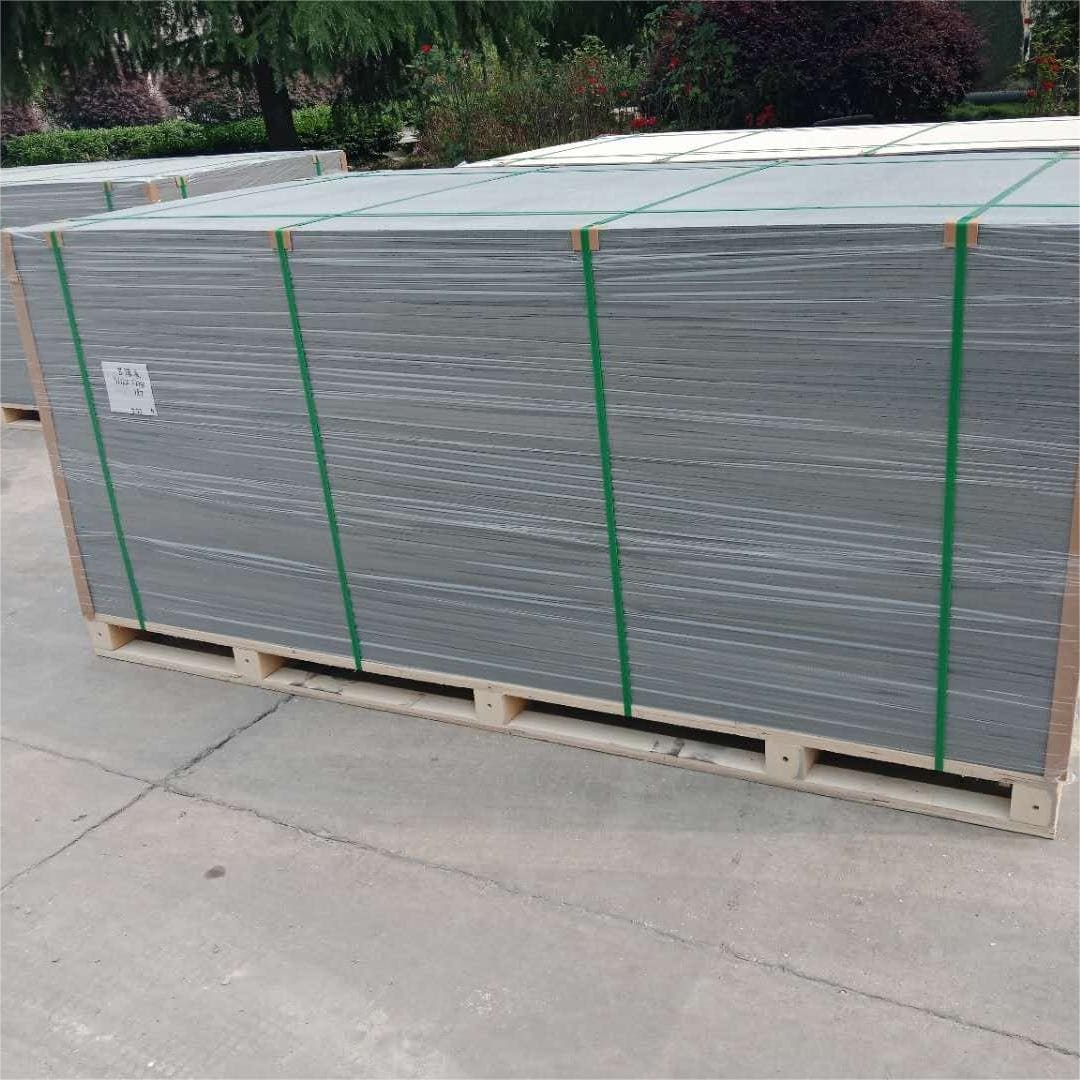
Over years manufacturing and supplying boards for facades and outdoor structures, I’ve learned that it isn’t about whether the material can survive outdoors—it’s about whether the system around it supports long-term durability.
How Long Does Cement Board Last Outside?
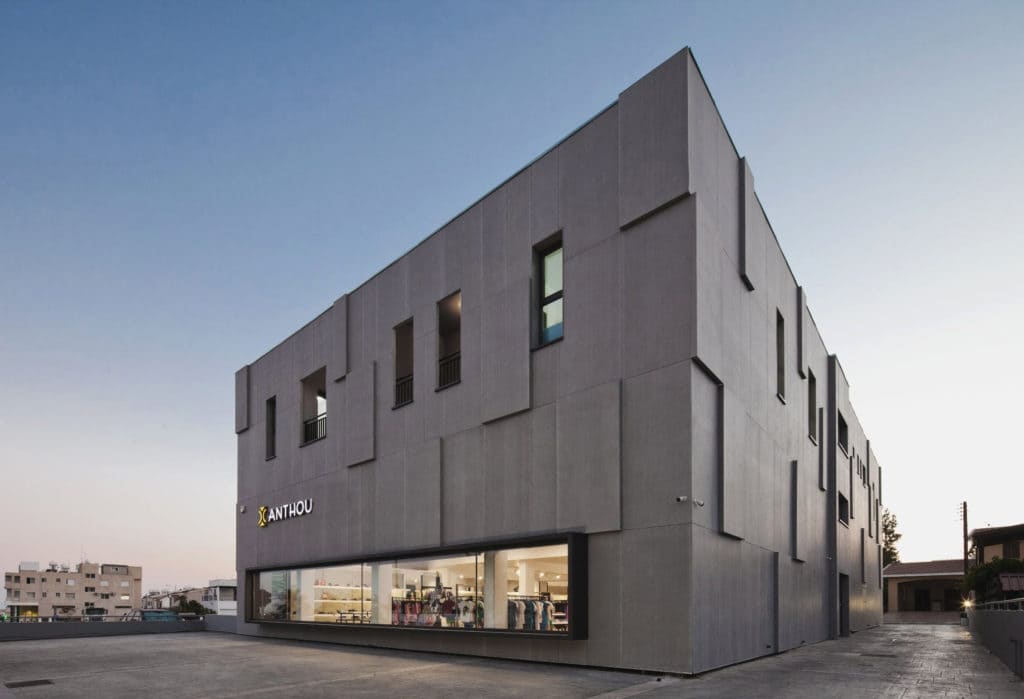
The lifespan of outdoor cement board depends on climate, building design, and installation techniques. Some users expect wood-like decay, but cement board behaves differently—it maintains structure even in high humidity over time.
With correct installation and maintenance, exterior-grade cement board lasts 20–25 years or more. When combined with waterproof coatings, joint sealants, and corrosion-protected framing, it can withstand decades of exposure without noticeable degradation.
Understanding Outdoor Lifespan Factors
In my production experience, the difference between a 10-year use and a 25-year use has little to do with cement itself—it’s all about protection details.
Moisture Management: A ventilated substructure behind panels ensures quick drying, reducing stress from trapped humidity.
UV Protection: Top coating or finish paint reduces surface erosion and prevents color fading from long-term UV exposure.
Joint Sealing: Proper sealing prevents water intrusion between panels, avoiding freeze-thaw damage in colder regions.
| Condition | Expected Lifespan | Recommendation |
|---|---|---|
| Mild Climate, Proper Coating | 25+ years | Regular cleaning and inspection |
| Wet / Coastal Region | 20 years | Anti-corrosion treated frames |
| Cold Freeze-Thaw Zone | 15–20 years | Use flexible sealants |
| Poor Drainage / No Coating | Under 10 years | Likely premature deterioration |
Cement boards last long outside when treated as part of a system, not a standalone sheet.
Will Cement Board Rot Outside?
Customers often fear outdoor boards will rot like timber or gypsum panels. This misunderstanding comes from comparing different material families.
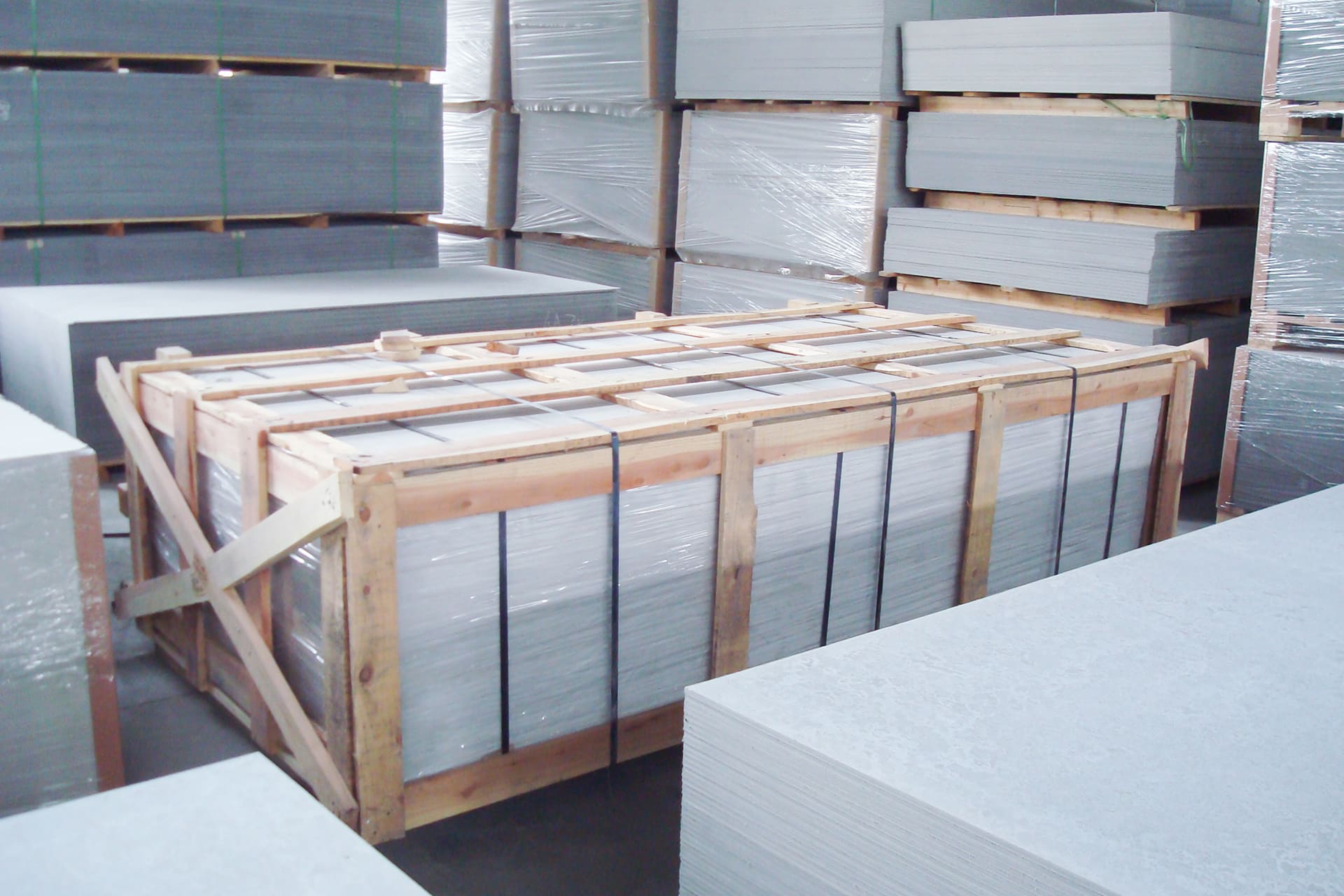
No, cement board does not rot. Unlike organic materials, its matrix of cement and mineral fillers does not decay biologically. It resists mold and chemical breakdown, maintaining structural integrity even under repeated wet and dry cycles.
Why Cement Board Doesn’t Rot
Through many long-term exposure tests, I’ve seen cement boards retain their shape and strength even when installed in humid or semi-exposed locations. The protection comes from their inorganic, dense matrix structure.
Material Composition: Portland cement, silica sand, and reinforcing fibers create a non-organic surface that resists bacteria and fungi.
No Internal Organic Component: Since the material contains no wood fibers, there’s no source for biological breakdown or decomposition.
Proper Joint Detailing: Correct gaps and sealants prevent water stagnation that can cause surface erosion but not rot.
| Property | Cement Board | Organic Panels |
|---|---|---|
| Rot Resistance | Excellent | Poor |
| Moisture Absorption | Minimal | High |
| Mold Growth | Inert surface | Fungi-prone |
| Structural Longevity | 20–25 years | 5–10 years |
| UV Stability | High with coating | Low |
Cement boards don’t rot; problems only happen when water sealing is poorly designed or maintenance ignored.
Is Cement Board Ruined If It Gets Wet?
Another frequent concern I hear is whether rain or soaking damages the internal structure of cement board. Many confuse moisture absorption with material failure.
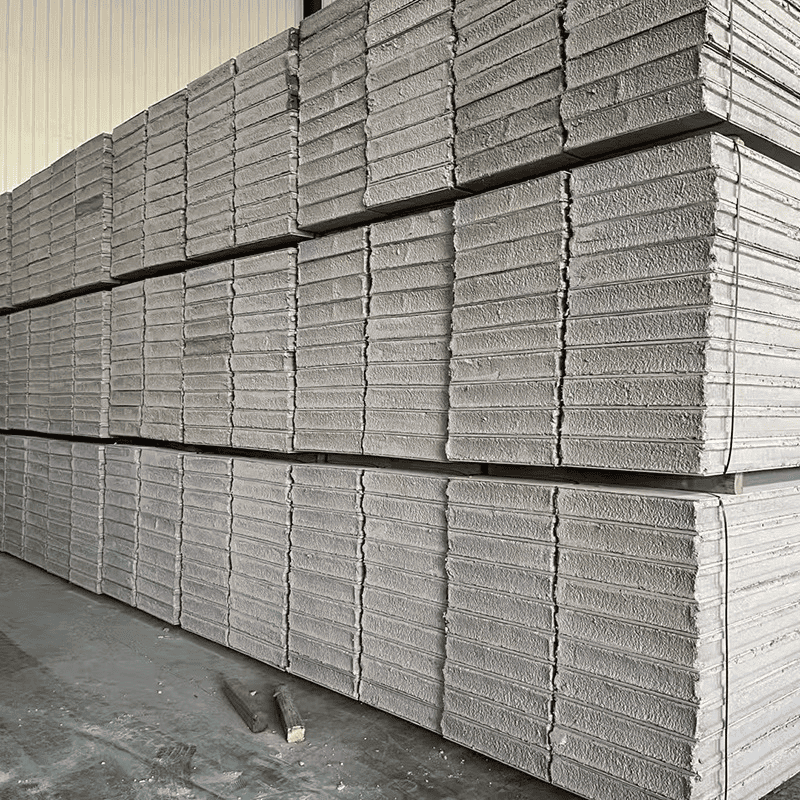
No, cement board is not ruined by getting wet. It doesn’t disintegrate when exposed to water and fully regains strength after drying. However, prolonged immersion without ventilation may cause surface staining or minor dimensional changes.
When Wet Becomes a Risk
In my factory and on-site observations, cement board’s water exposure tolerance depends on how quickly it can dry. Consistent airflow or drainage beneath the panel prevents trapped moisture damage.
Temporary Wetting: Rain or cleaning water doesn’t harm the board; let it air dry before sealing or painting.
Submerged Situations: Prolonged soaking or ponding can lead to color fading or efflorescence, but not structural failure.
Protective Finishes: Surface coatings minimize water penetration and maintain visual appearance longer.
| Exposure Type | Effect on Board | Prevention |
|---|---|---|
| Rain / Humidity | No damage | Allow drying time |
| Immersion / Puddling | Surface staining | Ensure drainage slope |
| Freeze-Thaw Cycle | Minor surface wear | Use flexible joint sealant |
| Continuous Wet Area | May discolor | Apply waterproof finish |
Cement board is water-tolerant, not water-proof, and its function depends on system-level moisture management, not on the material alone.
Conclusion
Cement board can be used outside if designed as part of a proper drainage and ventilation system. It lasts 20–25 years, won’t rot, and isn’t ruined by getting wet. While it’s not immune to staining or surface wear, structural integrity remains stable when installed and maintained correctly. Its real outdoor value lies not just in resisting rain but in being part of an integrated, durable building envelope that stands the test of time.
