




Can Cement Board Be Dot and Dabbed?
No, cement board should not be dot and dabbed. Its dense, non-porous surface prevents proper bonding with adhesive spots. This method leaves air gaps and causes moisture weaknesses.
TRUSUS installation insight: cement board depends on contact, not coincidence—every inch must bond like a system.
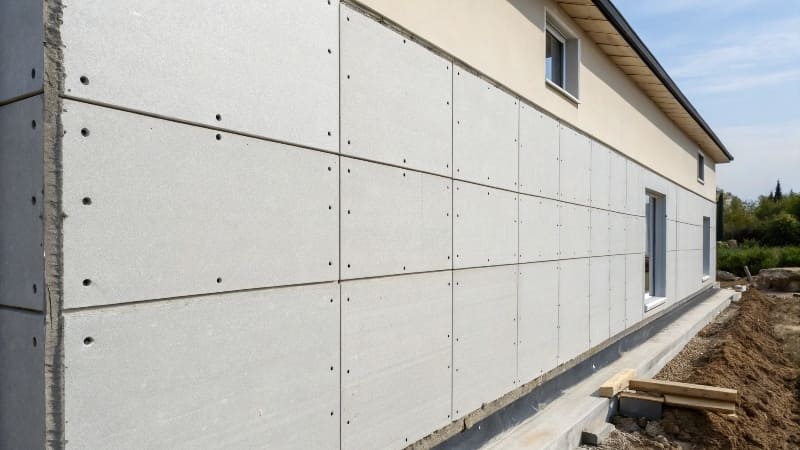
Cement board needs either mechanical screw fixing onto framing or full-surface adhesive bedding for strength and moisture resistance.
Can I Install Cement Board Without Thinset?
You can install cement board without thinset only when attached to framing with screws, not when laying on another substrate. Thinset provides full contact and prevents future flex or tile cracks.
bonding insight: thinset is not optional—it is structure disguised as glue.
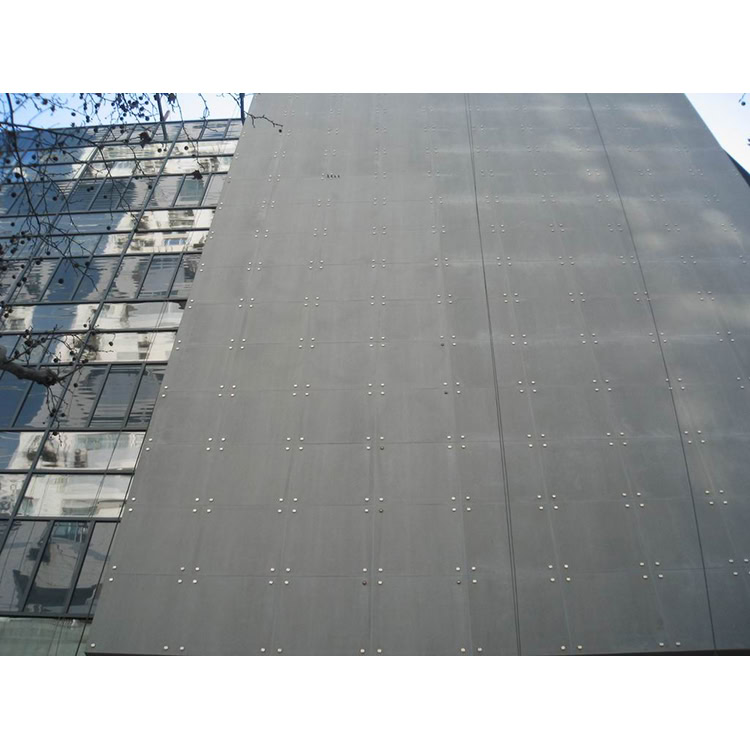
Thinset Use Guide
| Installation Type | Thinset Required | Fixing Method | Reason |
|---|---|---|---|
| On wall studs | Not required | Screws | Direct mechanical hold |
| Over masonry or concrete | Required | Full-bed adhesive | Compensates uneven base |
| Under tile floor | Required | Thinset below and above | Dual-contact stability |
| As underlayment for waterproofing | Required | Continuous seal layer | Moisture barrier setup |
Thinset equalizes contact areas and contributes significantly to long-term tile and surface alignment.
Which Side of Cement Board Does Tile Go On?
Tiles should go on the rough side of cement board. That texture ensures proper thinset adhesion, giving tiles a solid, permanent bond. The smooth side faces outward only for decorative or painted finishes.
texture insight: adhesion begins where friction is intentional—the rougher, the stronger.
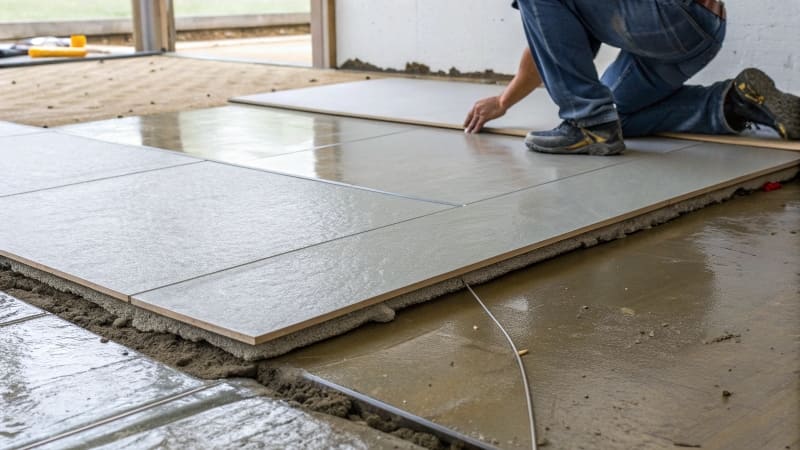
Surface Orientation Table
| Surface Type | Appearance | Tile Compatibility | Common Use |
|---|---|---|---|
| Rough/Textured Side | Grain visible | Best grip for tile | Wet zones, kitchens |
| Smooth Side | Flat finish | Paint or wallpaper | Dry walls |
| Double Side (same finish) | Uniform | Either side OK | Special-type boards |
Identifying the correct side protects against delamination over time and keeps grout lines stable under constant humidity.
Can I Put Cement Board Directly on Studs?
Yes, cement board can go directly on studs, but always with the right screws and spacing—usually every 8 inches. For wet areas, install a vapor barrier between the studs and the board.
framing insight: direct fixing works when the frame breathes right—never skip the layer that keeps moisture out.
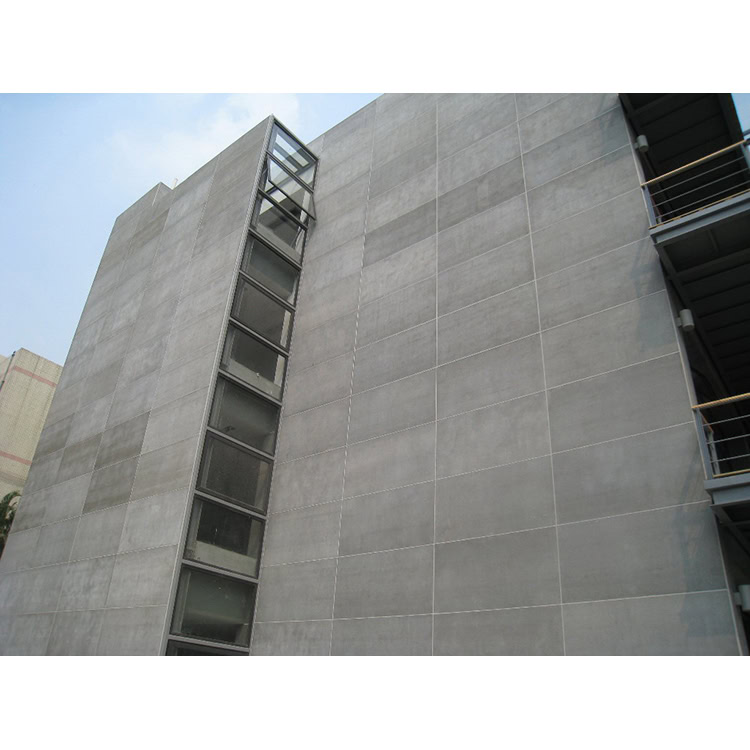
Stud Installation Guide
| Step | Action | Purpose |
|---|---|---|
| 1 | Check stud spacing (16" typical) | Support alignment |
| 2 | Apply vapor barrier film | Prevent damp transfer |
| 3 | Place board vertically | Reduce joint count |
| 4 | Use corrosion-resistant screws | Avoid oxidation |
| 5 | Tape and seal joints | Reinforce structure |
Direct stud fixing is ideal for partitions and bathroom walls, provided all sealing details meet moisture control standards.
Conclusion
Cement board installation is a system, not a shortcut. At TRUSUS, I believe true durability comes from full contact, clear orientation, and the precision of every single screw and seam.
