




Building for the Future: Why Fiber Cement is the Key to Climate-Resilient Homes in Guyana
With Guyana’s coastal areas sitting below sea level and the sun getting hotter every year, traditional building materials are failing. Wood rot and concrete "spalling" (cracking due to salt and heat) are costing homeowners millions in repairs.
Fiber Cement Board is the modern answer to Georgetown’s unique environmental challenges. It is the only material that is 100% waterproof, fire-resistant, and termite-proof while providing superior thermal insulation. Whether you are building a coastal villa or a commercial warehouse, choosing ASTM-standard cement board over traditional timber ensures your structure survives the floods and the heat of the next 50 years.
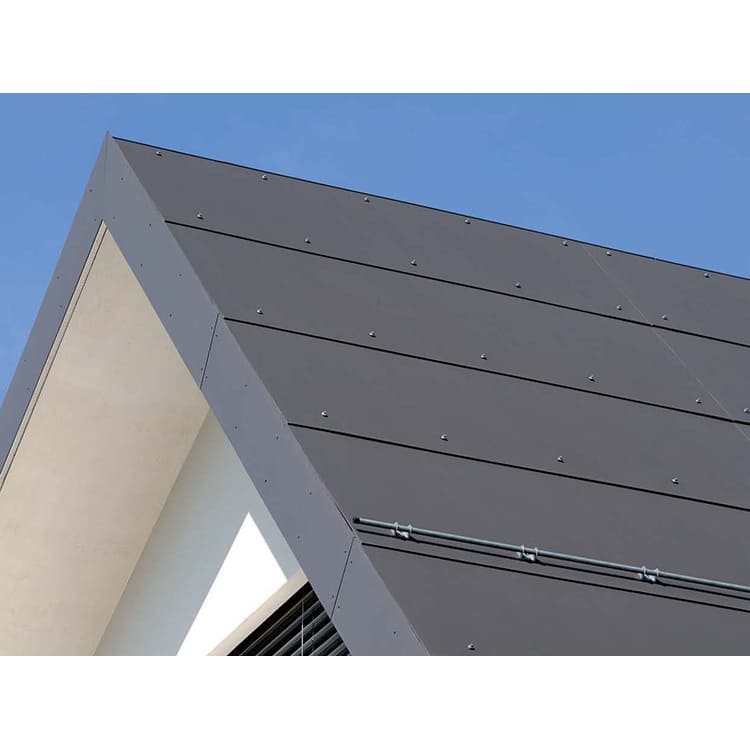
I’ve been watching the "New Guyana" rise. Everyone is talking about the oil, but few talk about the soil and the sea. If you build with yesterday's materials, you're buying tomorrow's headache.
Can Your Walls Survive a Georgetown Flood?
When the rainy season hits and water lingers, plywood and drywall absorb moisture and become a breeding ground for bacteria. Concrete blocks stay damp and "sweat," leading to interior mold.
Fiber Cement Board is made from a high-pressure mix of Portland cement and cellulose fibers. It does not swell when submerged. If a flood hits, you simply wash the board down once the water recedes. It is rot-proof and impact-resistant, making it the perfect choice for the "ground floor" or external siding where water and salt spray are most aggressive.
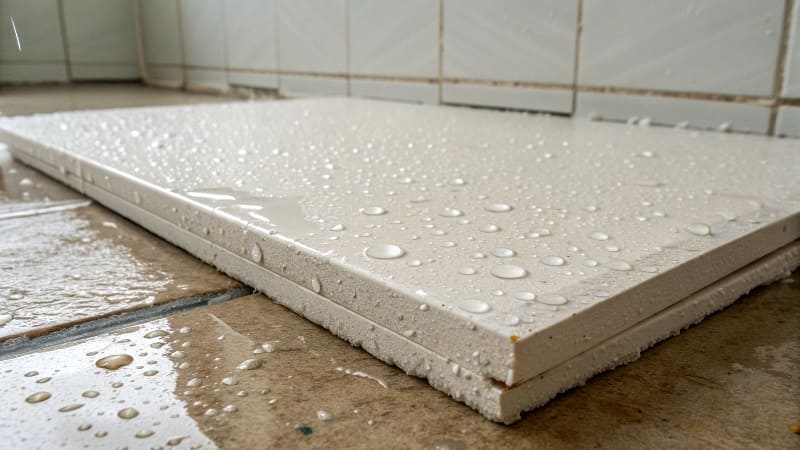
In the industry, we call this "Stability under stress." In Guyana, stress isn't just a mood; it's the weather.
- The Sun: Traditional PVC siding can warp or fade. Our cement siding is UV-stable.
- The Rain: It doesn't soften.
- The Termites: They'd rather eat rocks than this board. It has zero "food value" for pests.
| Feature | Local Hardwood | Standard Concrete Block | TRUSUS Fiber Cement |
|---|---|---|---|
| Water Absorption | Very High (Rot) | Medium (Soggy) | Low (Impervious) |
| Pest Resistance | Low (Termites) | High | 100% Termite Proof |
| Heat Insulation | Low | Low (Retains heat) | High (Stays Cool) |
| Installation | Slow/Manual | Very Slow/Heavy | Fast/Lightweight |
| ASTM Certified | No | Varies | Yes (ASTM C1186) |
The "Cool House" Advantage: Fighting Guyana's Heatwave
Concrete blocks act like a "heat battery," soaking up the sun all day and radiating heat into your home all night. This drives up your AC bills and makes sleep impossible.
By using a "Ventilated Facade" system—attaching Fiber Cement Planks to our Galvanized Steel Keels with an air gap—you create a natural cooling shield. This reflects the sun's radiation before it hits your interior walls, keeping your home 3-5°C cooler naturally.
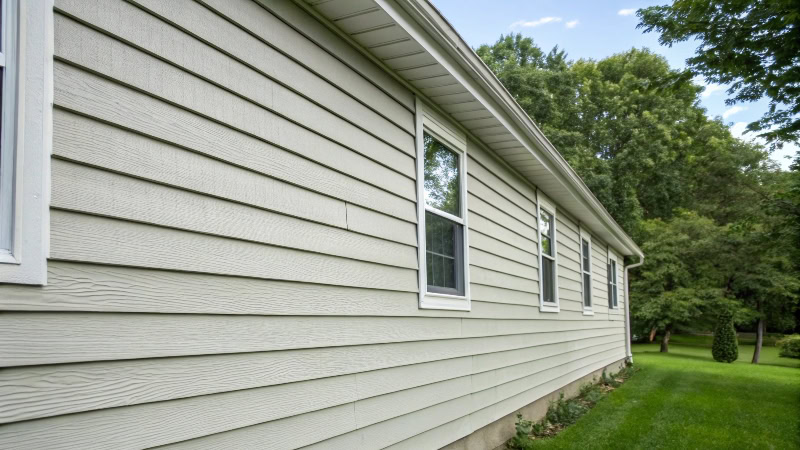
The Full System approach: To get this cooling effect, you need the right skeleton. We provide the complete exterior kit:
- Fiber Cement Siding: The "Skin" that reflects heat.
- Omega & Z-Profiles: The "Bones" (Galvanized Steel) that create the air gap.
- Self-Drilling Screws: The "Joints" (Ceramic coated to resist salt rust).
Conclusion
Don't just build a house; build a fortress against the elements. Fiber Cement Board is the only material that respects Guyana's climate while protecting your wallet.
